
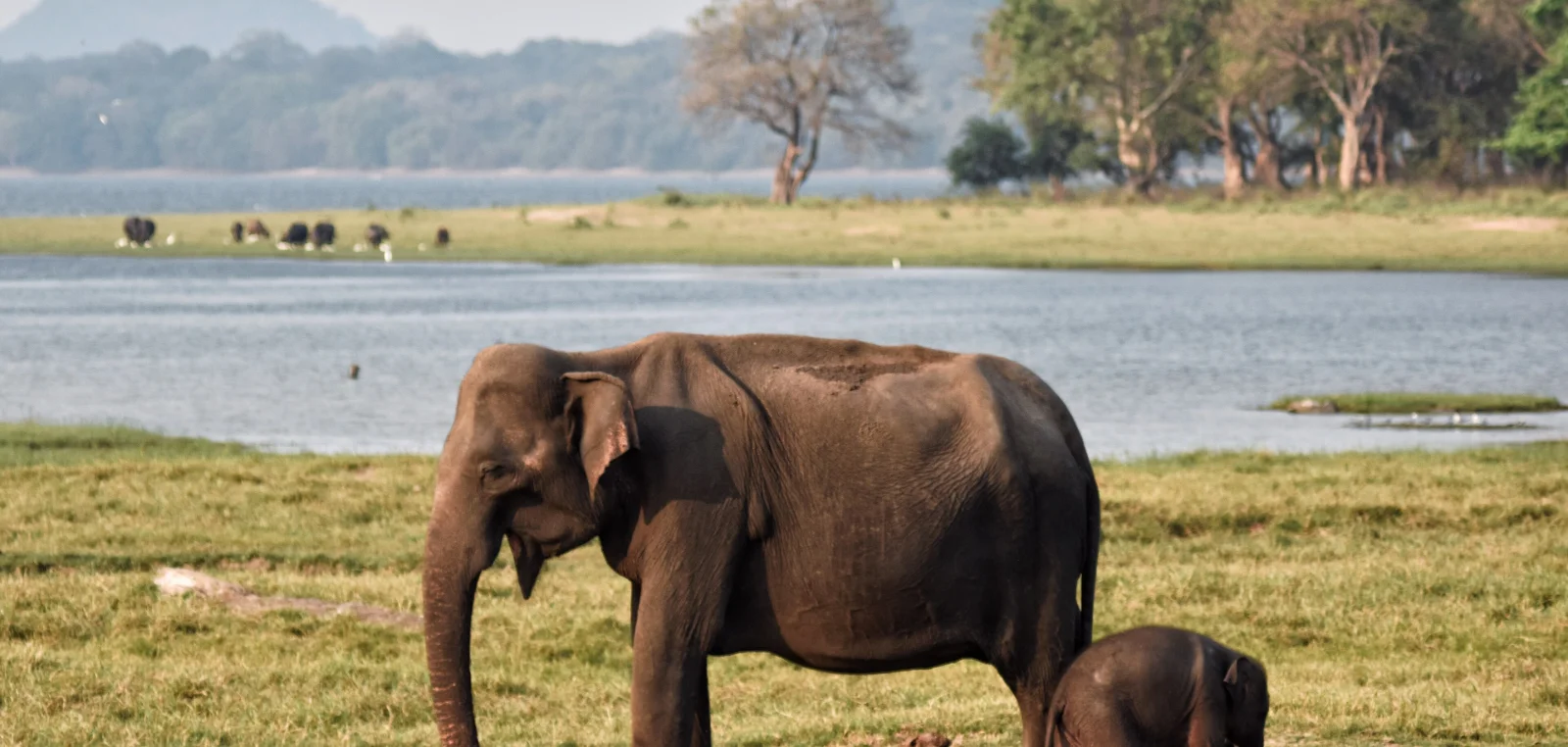
July is the month the island turns around. The southwest monsoon is on the wet zone, which shuts the Mirissa and Kalpitiya boats and soaks Sinharaja, and at the same time it leaves the entire east coast dry, flat and open. Trincomalee, Pigeon Island and the Great Basses come into season now and stay open until September, which is the exact opposite of the January picture.
On land July is the best month of the year for two things that happen nowhere else. The palu trees fruit in the dry zone and sloth bears climb into the open to feed on them, which is the only reliable window for an animal that is otherwise a matter of luck. And the dry zone tanks begin to draw down, which starts the Gathering at Minneriya. Everything below comes from the Wildseer database, so the timings are the animals’ own.
Highlights
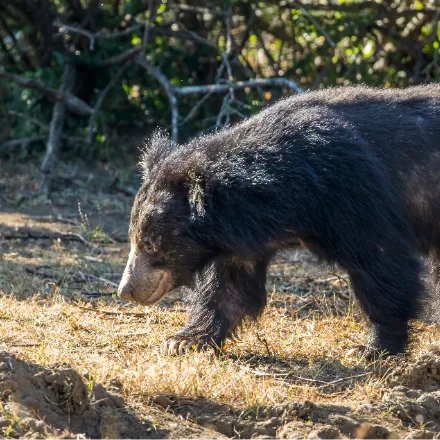
Sloth Bear
A shaggy, long-clawed insect specialist that vacuums termites out of a mound loudly enough to hear from fifty metres. Where: Dry zone forest and scrub. Best: Jun-Jul when palu fruit ripens.
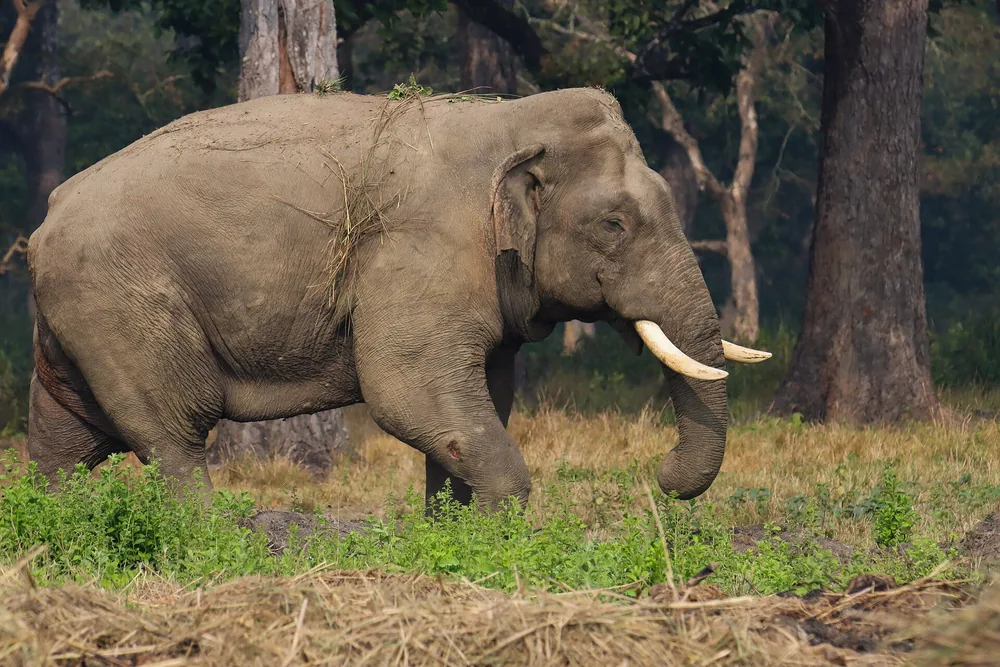
Asian Elephant
The largest land animal in Asia, and a herd crossing open grassland at dusk moves over the ground faster than its size suggests. Where: Dry zone parks, tank margins and the corridors between them. Best: Year round, best at the Gathering from July to October.
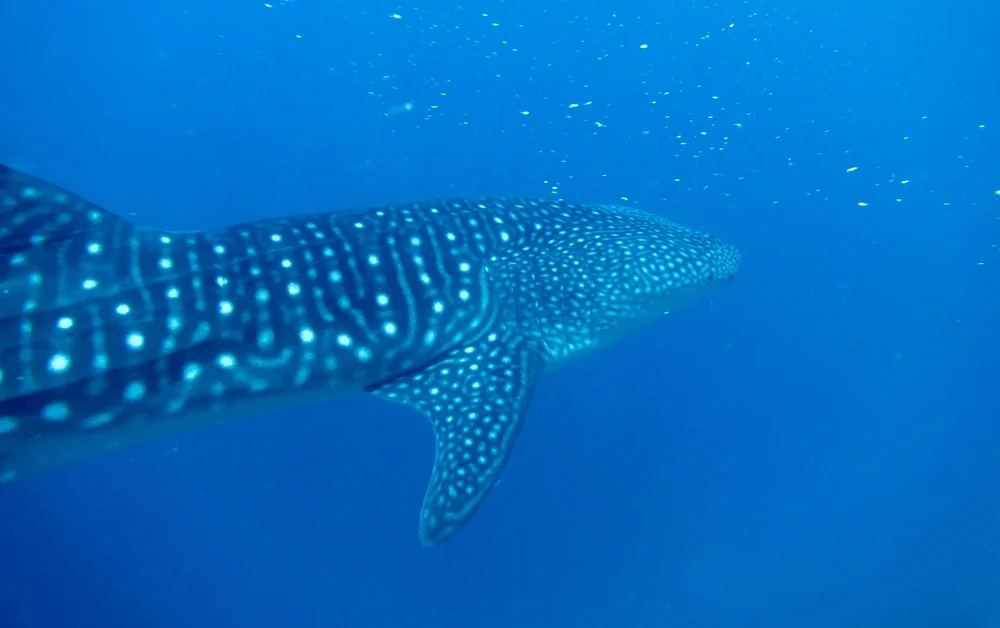
Whale Shark
The biggest fish in the ocean, a spotted, bus sized filter feeder and the undisputed holy grail of tropical diving. Where: Blue water beyond the continental shelf edge. Best: November to April on the west and south, May to September on the east.
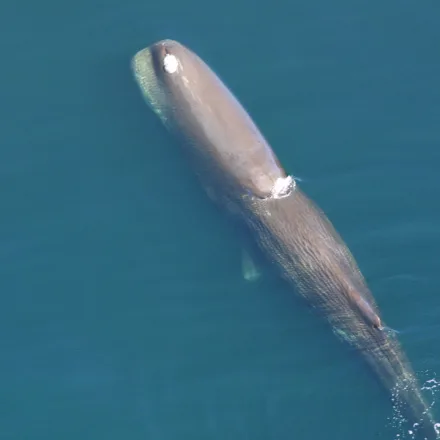
Sperm Whale
The deepest diving mammal on earth, hunting squid two kilometres down, and occasionally gathering off Sri Lanka in pods of hundreds. Where: Deep water off the east and northeast coasts. Best: Mar-Aug.
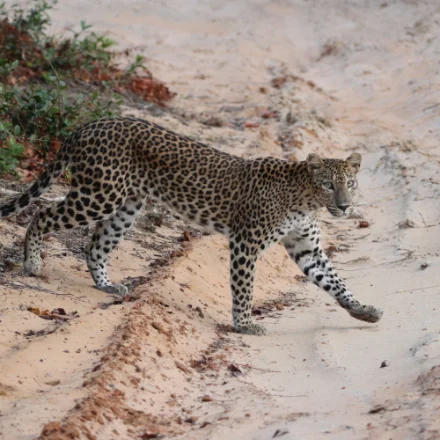
Sri Lankan Leopard
The largest leopard subspecies in the world, and on this island it is the top predator, which changes how it behaves. Where: Dry zone scrub forest, and at lower density in the hills and wet zone. Best: Year round.
At its best in July
45 of 181 species
At their peak this month: the east coast marine season, the sloth bear fruiting window, and the dry zone parks as the water pulls back.
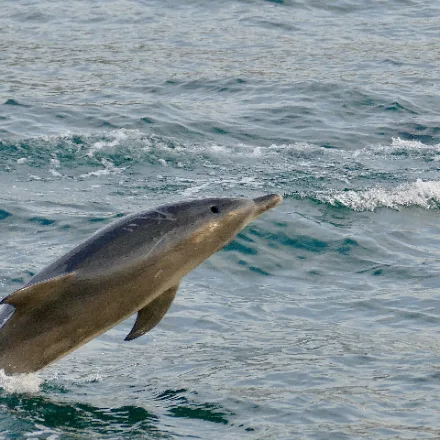
Indo-Pacific Bottlenose Dolphin Regular Near Threatened
Tursiops aduncus
The classic bottlenose of warm coasts, sociable, clever and quick to ride a bow wave.
Where: Surface water offshore, on whale and dolphin boat trips. Best: December to April off the south and west, May to September off the east.
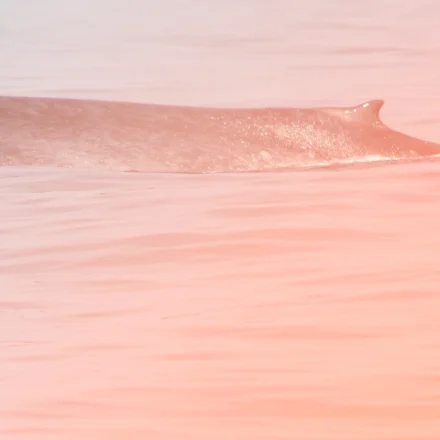
Blue Whale Occasional Endangered
Balaenoptera musculus
The largest animal that has ever lived, and off Sri Lanka a population that mostly does not migrate, which is why it can be seen almost year round.
Where: Deep water off the south and east coasts, close inshore where the shelf drops away. Best: Nov-Apr south, May-Sep east. Largely resident rather than migratory here, which is what makes it seeable almost year round.
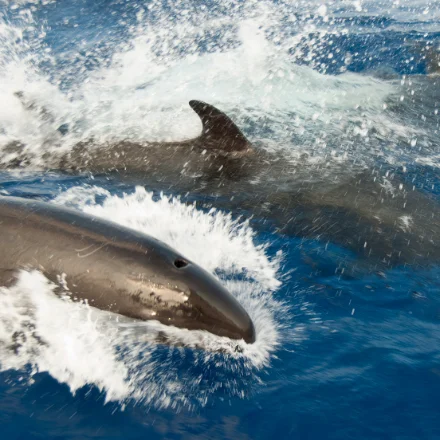
False Killer Whale Occasional Near Threatened
Pseudorca crassidens
Has been recorded offering captured fish to divers and to other dolphins, apparently as a gift.
Where: Blue water beyond the continental shelf edge. Best: December to April off the south and west, May to September off the east.
Sloth Bear Rare Vulnerable
Melursus ursinus
A shaggy, long-clawed insect specialist that vacuums termites out of a mound loudly enough to hear from fifty metres.
Where: Dry zone forest and scrub. Best: Jun-Jul when palu fruit ripens. Vulnerable, unpredictable, and mostly nocturnal outside the fruiting season.
Sperm Whale Rare Vulnerable
Physeter macrocephalus
The deepest diving mammal on earth, hunting squid two kilometres down, and occasionally gathering off Sri Lanka in pods of hundreds.
Where: Deep water off the east and northeast coasts. Best: Mar-Aug. Unusually large aggregations have been recorded here, occasionally running into the hundreds.
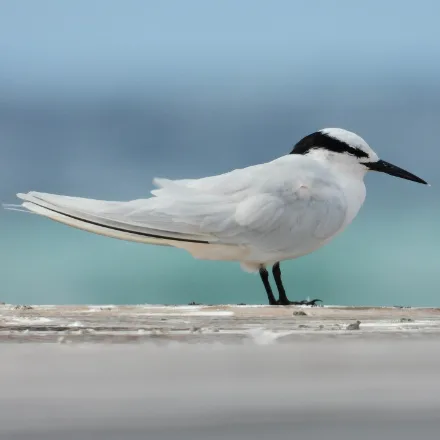
Black-naped Tern Occasional
Sterna sumatrana
Almost pure white apart from a narrow black band across the back of the head, like a headphone cable.
Where: Offshore islets and reef edges, including around Pigeon Island. Best: May to September on the east.
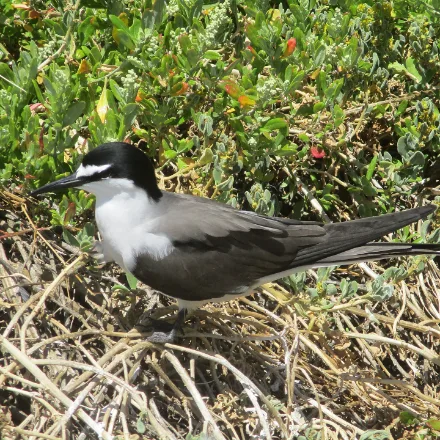
Bridled Tern Occasional
Onychoprion anaethetus
Spends most of the year entirely at sea, feeding on fish driven to the surface by tuna hunting below.
Where: Offshore water and rocky islets, well away from the beach. Best: May to September.
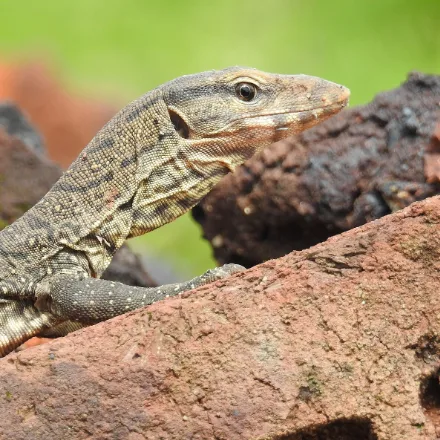
Bengal Monitor Common
Varanus bengalensis
A dry-country monitor that climbs well, digs constantly and eats essentially anything smaller than itself.
Where: Dry zone scrub, forest, farmland, termite mounds and tree hollows below about 1,500 m. Best: February to September. Terrestrial, unlike the water monitor, and the two are constantly confused.
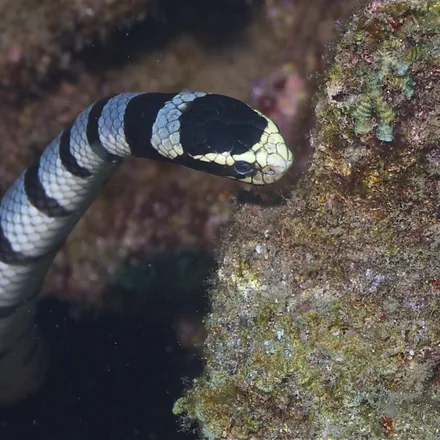
Banded Sea Krait Rare
Laticauda colubrina
A sea snake that hunts eels underwater but must come ashore to rest, drink fresh water and lay its eggs.
Where: Coral reef and boulder slopes on both coasts. Best: May to September on the east coast. Listed for Sri Lanka but scarce here, unlike further east. Highly venomous and entirely inoffensive.
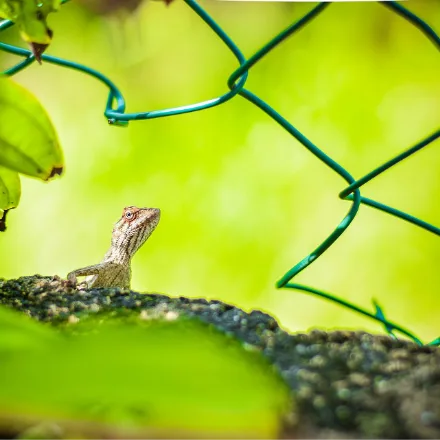
Whistling Lizard Rare
Calotes liolepis
The only lizard in Sri Lanka that whistles at you, which is just as well, because otherwise you would never find it.
Where: Submontane forest and shade tree plantation, mostly below 1,000 m. Best: January to March and July to August. Cryptic and motionless on trunks. The whistle is the best field clue there is.
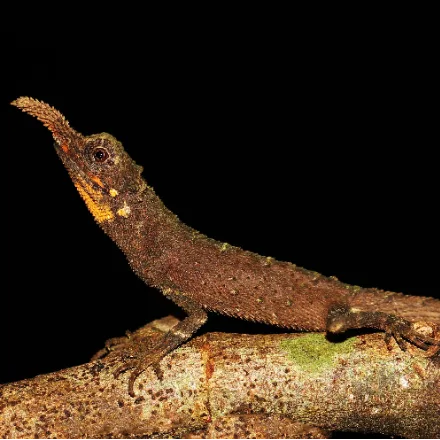
Rough-horned Lizard Very rare Endangered
Ceratophora aspera
A horned lizard the length of a finger, living in the leaf litter of the lowland rainforest and shaped exactly like a dead leaf.
Where: Leaf litter on the floor of lowland wet zone rainforest below about 900 m. Best: January to early April and July to August. A four centimetre brown lizard in brown litter, and often in pairs.
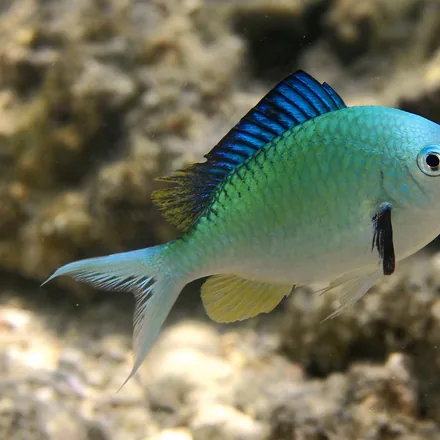
Blue-green Chromis Common
Chromis viridis
A shimmer of living jewels above the coral, hundreds of tiny blue-green fish that vanish into the branches in a blink.
Where: Shallow reef flats and coral heads at Bar Reef and around Pigeon Island. Best: November to April on the west and south, May to September on the east.
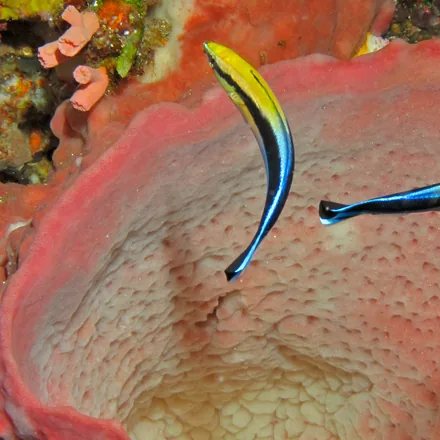
Bluestreak Cleaner Wrasse Common
Labroides dimidiatus
A tiny striped wrasse that runs the reef's health clinic, picking parasites from fish that queue up and even open their mouths for it.
Where: Coral reef and boulder slopes on both coasts. Best: November to April on the west and south, May to September on the east. Find a cleaning station and stay still. Everything on the reef queues at one eventually.
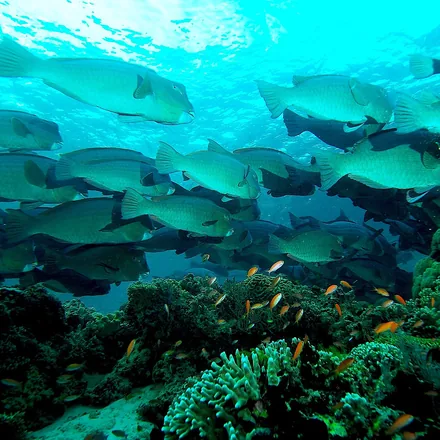
Bumphead Parrotfish Rare Vulnerable
Bolbometopon muricatum
A hulking, bull-headed parrotfish that rams and bites living coral, turning reef rock into the white sand of tropical beaches.
Where: Reef edges and drop-offs, including the Trincomalee canyon rim. Best: May to September on the east coast. Large aggregations are largely gone from South Asian reefs.
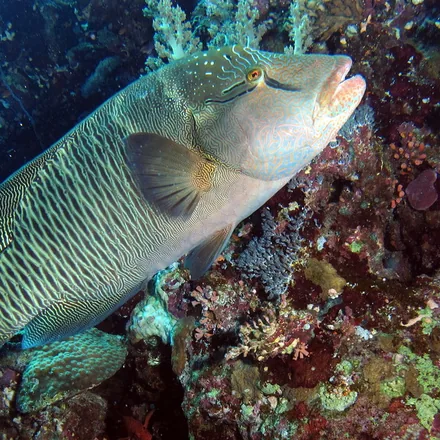
Humphead Wrasse (Napoleon Wrasse) Rare Endangered
Cheilinus undulatus
A giant, curious reef fish with thick lips and a bulging forehead, able to crunch prey that few other animals can eat.
Where: Reef edges and drop-offs, including the Trincomalee canyon rim. Best: November to April on the west and south, May to September on the east. Endangered and heavily fished across its range.
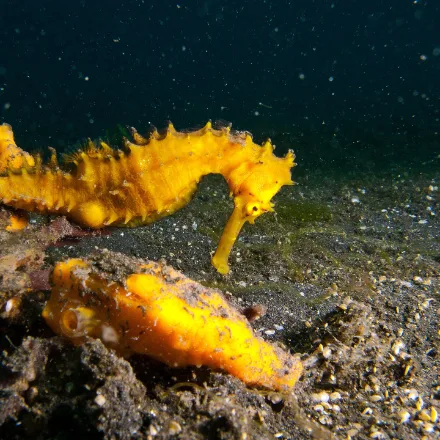
Thorny Seahorse Rare Vulnerable
Hippocampus histrix
Covered in long sharp spines and able to shift colour to match whatever it has wrapped its tail around.
Where: Sand and rubble patches between coral heads. Best: November to April on the west and south, May to September on the east.
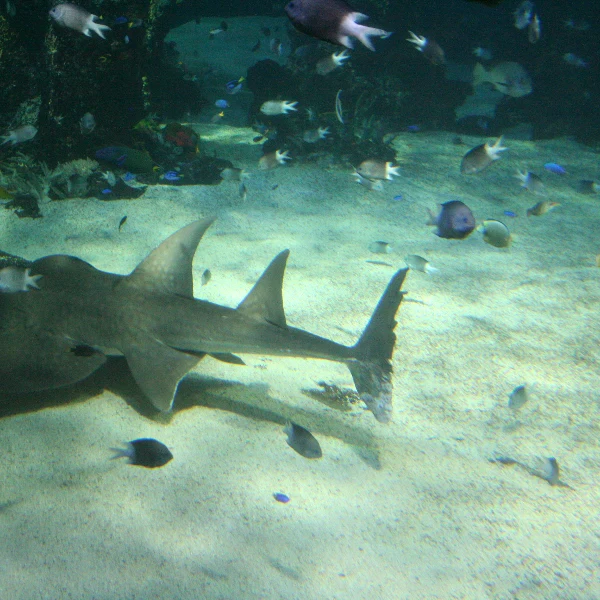
Bowmouth Guitarfish Very rare Critically Endangered
Rhina ancylostomus
Half shark, half ray, with ridges of thorns above the eyes that look like a set of eyebrows.
Where: Sand and rubble patches between coral heads. Best: November to April on the west and south, May to September on the east. Critically Endangered. Sri Lanka's wedgefish is Rhynchobatus djiddensis, the Indian Ocean species.
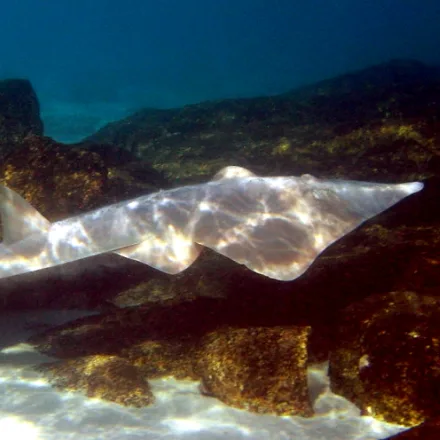
Giant Guitarfish Very rare Critically Endangered
Glaucostegus typus
A strange shark-ray hybrid in shape, part flattened ray at the front and part shark behind, and one of the most threatened fish in the sea.
Where: Sand and rubble patches between coral heads. Best: November to April on the west and south, May to September on the east. Critically Endangered. Sri Lanka's wedgefish is Rhynchobatus djiddensis, the Indian Ocean species.
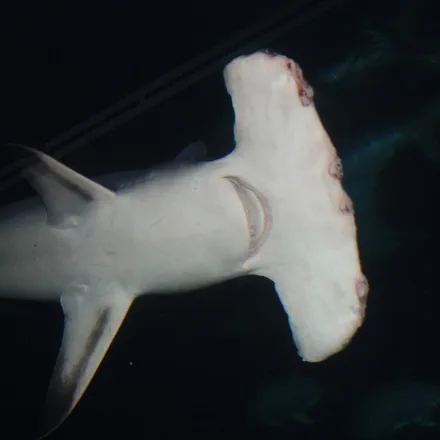
Great Hammerhead Very rare Critically Endangered
Sphyrna mokarran
Uses the flat of its head to pin a stingray to the seabed, then bites chunks out of the wing.
Where: Deeper reef, wrecks and the Great and Little Basses reefs. Best: May to September on the east coast. Both are Critically Endangered and Sri Lankan waters have been fished hard for them.
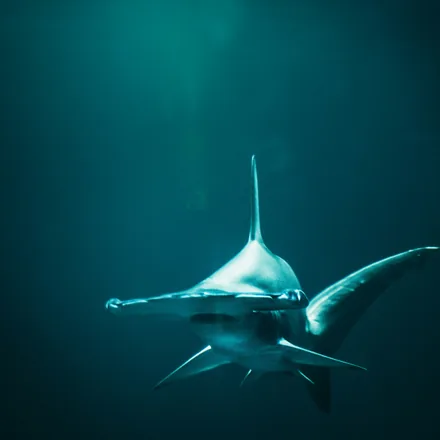
Scalloped Hammerhead Very rare Critically Endangered
Sphyrna lewini
The head is a sensory antenna, packed with electroreceptors that can find a ray buried under sand.
Where: Deeper reef, wrecks and the Great and Little Basses reefs. Best: May to September on the east coast. Both are Critically Endangered and Sri Lankan waters have been fished hard for them.
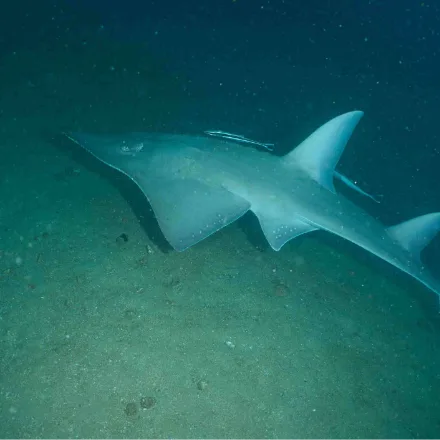
Whitespotted Wedgefish Very rare Critically Endangered
Rhynchobatus australiae
Its fins are the single most valuable in the global shark fin trade, which is why it has all but disappeared.
Where: Sand and rubble patches between coral heads. Best: November to April on the west and south, May to September on the east. Critically Endangered. Sri Lanka's wedgefish is Rhynchobatus djiddensis, the Indian Ocean species.
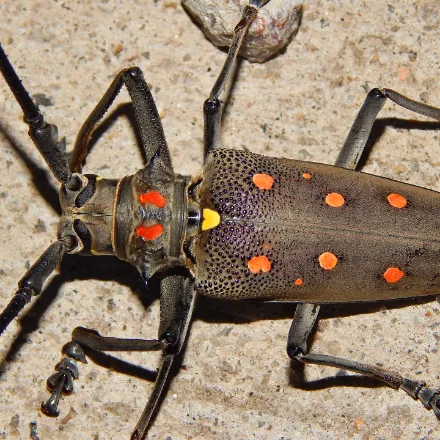
Mango Longhorn Beetle Occasional
Batocera rufomaculata
Antennae twice the length of its body, and it squeaks audibly when picked up by grinding its thorax.
Where: On mango, fig and other broadleaf trees, and at lights. Best: April to July, night.
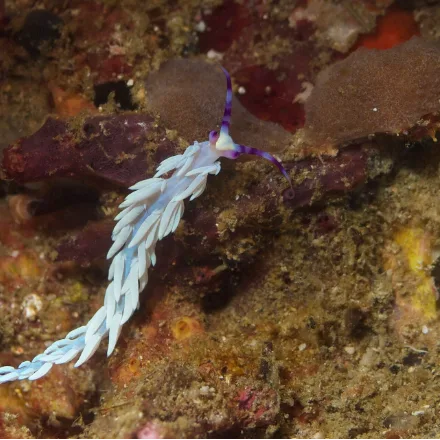
Blue Dragon Nudibranch Regular
Pteraeolidia semperi
Steals stinging cells from the hydroids it eats and redeploys them, live and functional, in its own tentacles.
Where: Coral reef and boulder slopes on both coasts. Best: November to April on the west and south, May to September on the east.
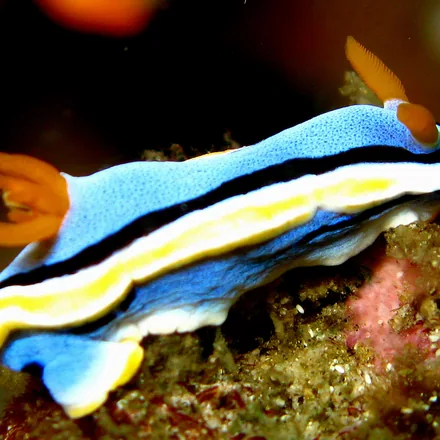
Chromodoris Nudibranch Regular
Chromodoris species
A tiny sea slug in outrageous colours that borrows toxins from the sponges it eats and flaunts them as a warning.
Where: Coral reef and boulder slopes on both coasts. Best: November to April on the west and south, May to September on the east.
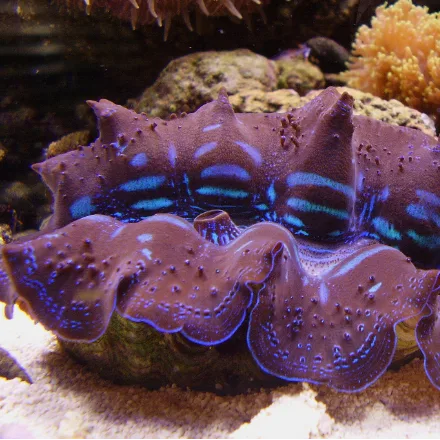
Small Giant Clam Regular
Tridacna maxima
The electric blue and green lips are not pigment for show. They are farming light, and the clam gets most of its food from algae living in its own flesh.
Where: Wedged into shallow coral and rock on reef flats. Best: November to April on the west, May to September on the east. The true giant clam does not reach Sri Lanka. This is the one you will actually see.
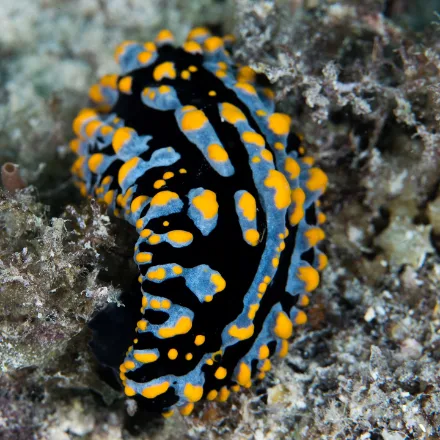
Varicose Phyllidia Regular
Phyllidia varicosa
Squeezes out a toxin strong enough to kill every fish in a bucket with it, which is why nothing on the reef will touch it.
Where: Coral reef and boulder slopes on both coasts. Best: November to April on the west and south, May to September on the east.
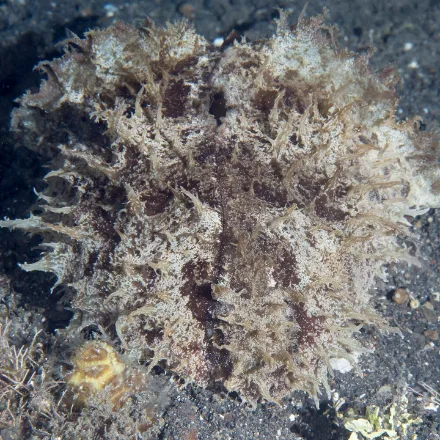
Wedge Sea Hare Regular
Dolabella auricularia
Ejects a cloud of purple ink that does not hide it but jams the chemical senses of whatever is attacking.
Where: Coral reef and boulder slopes on both coasts. Best: November to April on the west and south, May to September on the east.
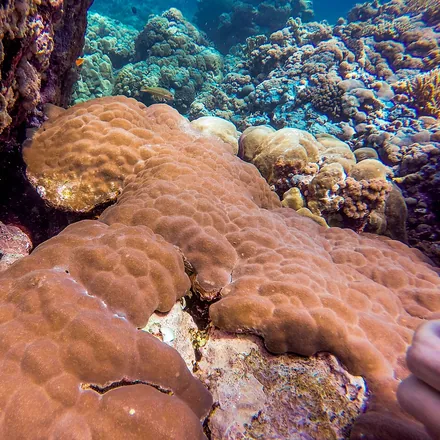
Boulder Porites Common
Porites lutea
Grows about a centimetre a year and lays down annual bands, so a large head is a climate record centuries long.
Where: Coral reef and boulder slopes on both coasts. Best: November to April on the west and south, May to September on the east.
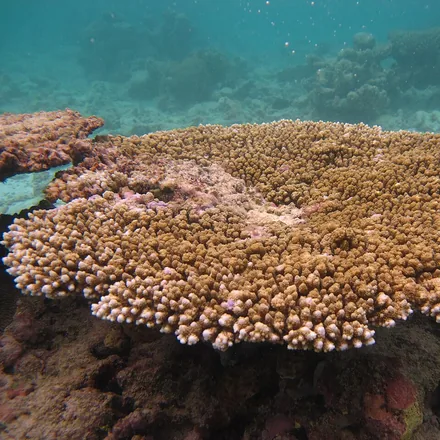
Table Coral Common Near Threatened
Acropora hyacinthus
Grows outward faster than it grows up, spreading a flat platform that shades out every competitor beneath it.
Where: Shallow reef flats and coral heads at Bar Reef and around Pigeon Island. Best: November to April on the west and south, May to September on the east. Both suffered severe bleaching mortality on Sri Lankan reefs in 1998 and again in 2016.
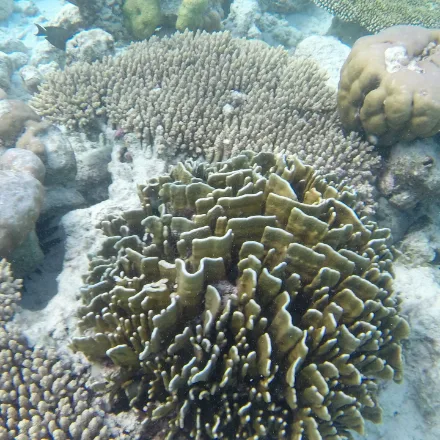
Blue Coral Regular Vulnerable
Heliopora coerulea
The only coral on earth with a blue skeleton, hidden under brown tissue until the animal dies.
Where: Shallow reef flats and coral heads at Bar Reef and around Pigeon Island. Best: November to April on the west and south, May to September on the east. The skeleton is genuinely blue. Break a piece and you can see it, so do not.
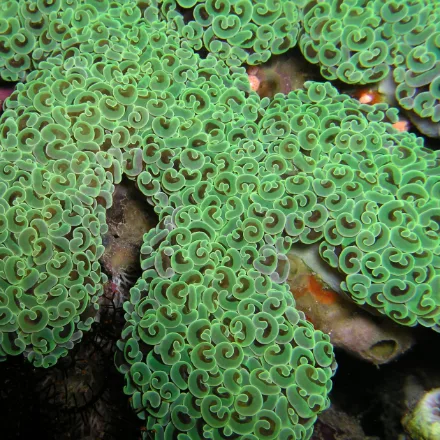
Anchor Coral Occasional Vulnerable
Euphyllia ancora
Every tentacle ends in a fat hammer-shaped tip, so the whole colony looks like a field of tiny anchors.
Where: Coral reef and boulder slopes on both coasts. Best: November to April on the west and south, May to September on the east.
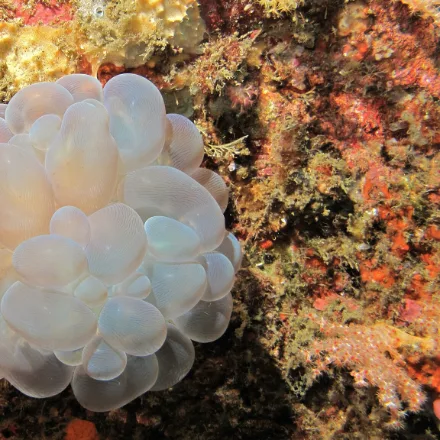
Bubble Coral Occasional Near Threatened
Plerogyra sinuosa
Inflates itself into a cluster of grape-sized bubbles by day and deflates at night to put out stinging tentacles.
Where: Coral reef and boulder slopes on both coasts. Best: November to April on the west and south, May to September on the east.
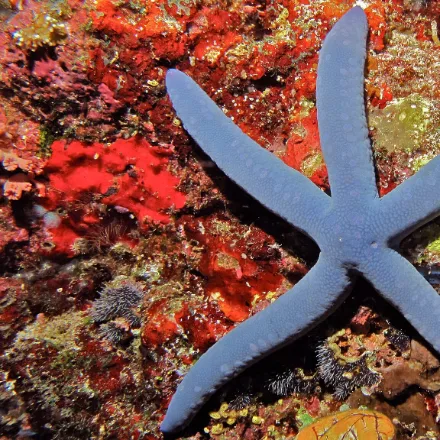
Blue Sea Star Common
Linckia laevigata
An almost unreal cobalt blue starfish scattered across the shallows, able to regrow a whole body from a single lost arm.
Where: Shallow reef flats and coral heads at Bar Reef and around Pigeon Island. Best: November to April on the west and south, May to September on the east.
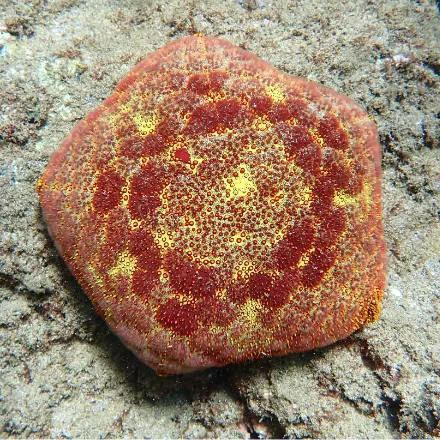
Cushion Star Common
Culcita novaeguineae
So swollen with age that the arms disappear entirely and it ends up looking like a pentagonal beanbag.
Where: Shallow reef flats and coral heads at Bar Reef and around Pigeon Island. Best: November to April on the west and south, May to September on the east.
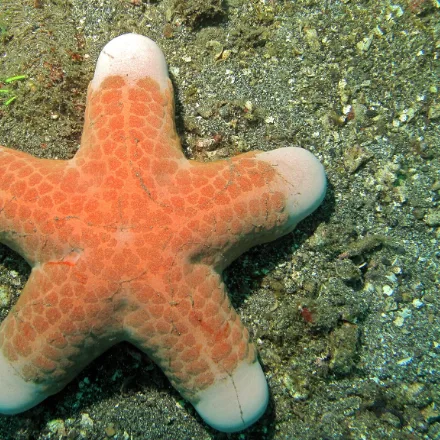
Granulated Sea Star Common
Choriaster granulatus
Fat, pink and smooth as putty, it looks less like a starfish than a set of five bread rolls.
Where: Shallow reef flats and coral heads at Bar Reef and around Pigeon Island. Best: November to April on the west and south, May to September on the east.
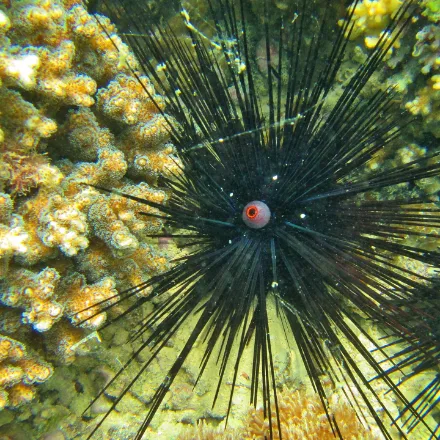
Long-spined Sea Urchin Common
Diadema setosum
A pincushion of needle-sharp black spines with a glowing orange ring, grazing algae and quietly shaping the reef.
Where: Shallow reef flats and coral heads at Bar Reef and around Pigeon Island. Best: November to April on the west and south, May to September on the east.
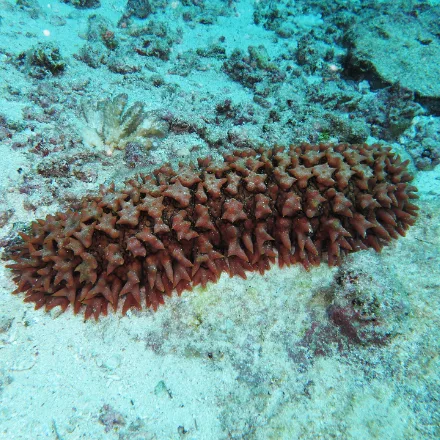
Pineapple Sea Cucumber Regular Endangered
Thelenota ananas
A metre-long sea cucumber covered in star-shaped spikes, and one of the most valuable animals per kilo in Asian seafood.
Where: Sand and rubble patches between coral heads. Best: November to April on the west and south, May to September on the east. Sea cucumbers are fished hard in the Gulf of Mannar for the export trade.
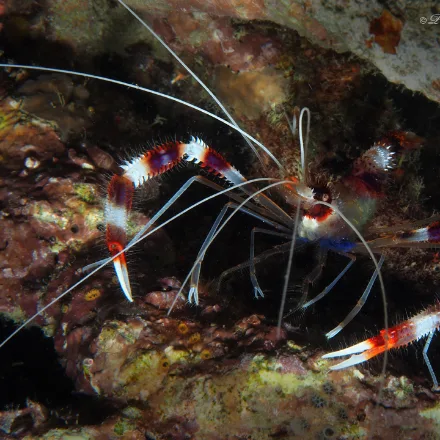
Banded Coral Shrimp Regular
Stenopus hispidus
A candy-striped shrimp with impossibly long white antennae that it waves to advertise its parasite-cleaning service.
Where: Coral reef and boulder slopes on both coasts. Best: November to April on the west and south, May to September on the east.
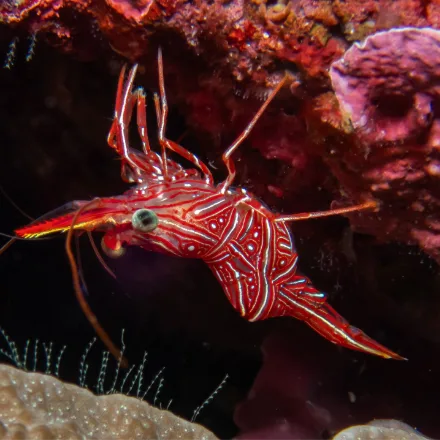
Durban Dancing Shrimp Regular
Rhynchocinetes durbanensis
Packs into caves in the hundreds, and the whole mass sways together when a torch beam crosses them.
Where: Coral reef and boulder slopes on both coasts. Best: November to April on the west and south, May to September on the east.
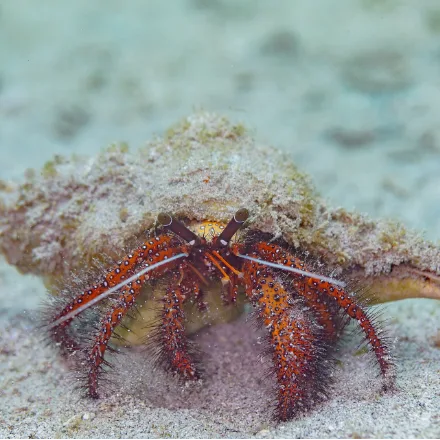
White-spotted Hermit Crab Regular
Dardanus megistos
Bright red and dotted with white, and it will kill a living snail to take the shell it wants.
Where: Shallow reef flats and coral heads at Bar Reef and around Pigeon Island. Best: November to April on the west and south, May to September on the east.
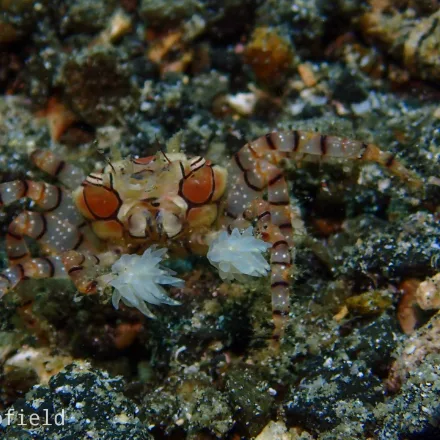
Boxer Crab Occasional
Lybia tessellata
Carries a live sea anemone in each claw and waves them at threats, and if it loses one it tears the other in half to clone a replacement.
Where: Coral reef and boulder slopes on both coasts. Best: November to April on the west and south, May to September on the east.
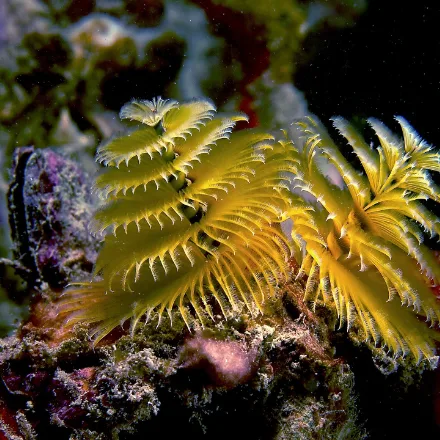
Christmas Tree Worm Common
Spirobranchus giganteus
Pairs of tiny spiral trees in every colour, studding the coral and vanishing in a flash when a shadow passes.
Where: Shallow reef flats and coral heads at Bar Reef and around Pigeon Island. Best: November to April on the west and south, May to September on the east. Wave a hand near one and the whole colony vanishes at once.
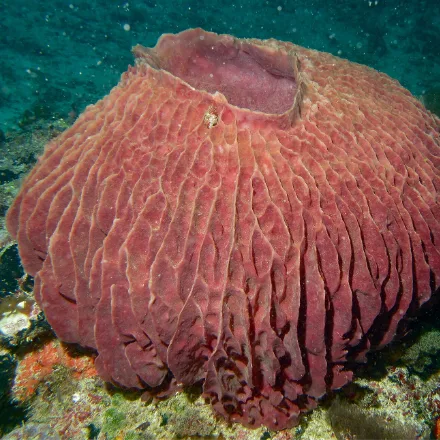
Giant Barrel Sponge Regular
Xestospongia testudinaria
Filters tens of thousands of litres a day and can live for well over a century, which is why divers call them the redwoods of the reef.
Where: Deeper reef, wrecks and the Great and Little Basses reefs. Best: November to April on the west and south, May to September on the east.
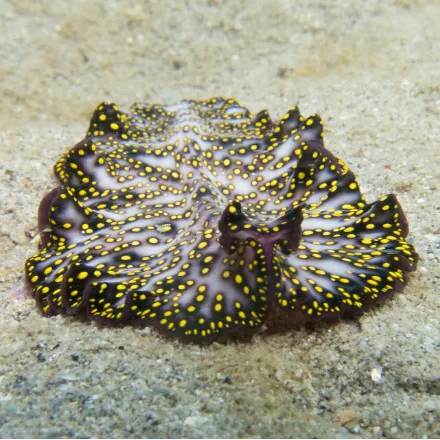
Persian Carpet Flatworm Occasional
Pseudobiceros bedfordi
Two hermaphrodites fight by fencing with their reproductive organs, and the loser has to carry the eggs.
Where: Coral reef and boulder slopes on both coasts. Best: November to April on the west and south, May to September on the east.
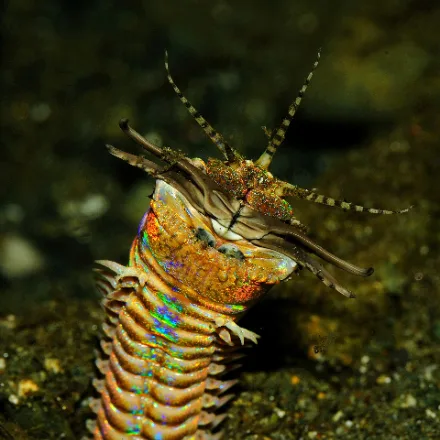
Bobbit Worm Rare
Eunice aphroditois
A three metre worm buried in the sand that strikes so fast it can cut a fish in half.
Where: Reef and rubble after dark, on a night dive. Best: November to April on the west and south, May to September on the east.
A further 136 species are recorded here and are not listed above, because a single page listing every animal in Sri Lanka is a page nobody reads. The complete lists are by group on the Mammals of Sri Lanka, Birds of Sri Lanka, Reptiles and amphibians of Sri Lanka, Fish of Sri Lanka, Sharks and rays of Sri Lanka, Reef invertebrates of Sri Lanka and Insects and spiders of Sri Lanka pages, place by place on the Adams Peak wildlife, Arugam Bay marine life, Bundala wildlife, Colombo wildlife, Ella wildlife, Gal Oya wildlife, Great Basses marine life and Hikkaduwa marine life guides, or start from Wildlife in Sri Lanka.
Possible all year, including July
30 of 185 species
A selection of the resident animals, available in any month. The category and place pages carry the complete lists.
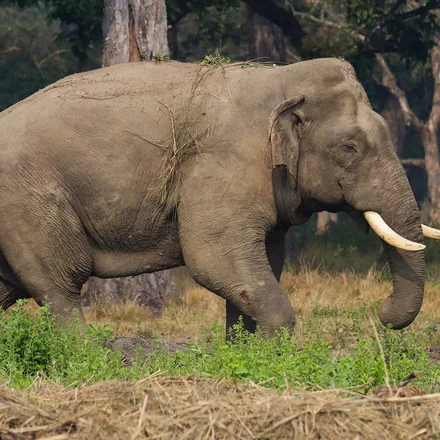
Asian Elephant Common Endangered
Elephas maximus
The largest land animal in Asia, and a herd crossing open grassland at dusk moves over the ground faster than its size suggests.
Where: Dry zone parks, tank margins and the corridors between them. Best: Year round, best at the Gathering from July to October. Sri Lankan bulls are mostly tuskless, so a tusker here is a genuine rarity rather than the norm. The island holds around six thousand wild elephants, one of the largest Asian populations.
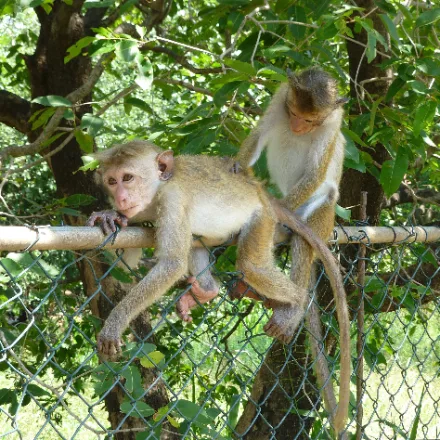
Toque Macaque Common Endangered
Macaca sinica
A small endemic monkey with a swirl of hair on the crown arranged like a cap, and the most studied primate on the island.
Where: Forest and forest edge from the dry zone to the highlands. Best: Year round. Endangered and endemic, and like macaques everywhere it becomes a problem where it is fed.
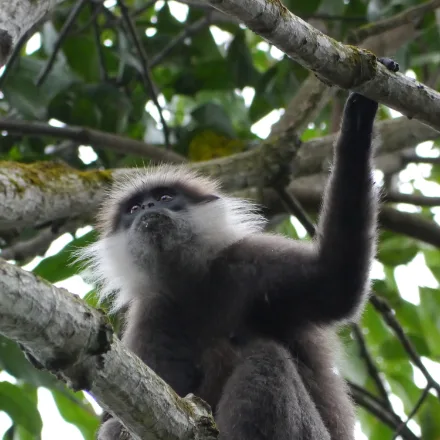
Purple-faced Langur Occasional Endangered
Semnopithecus vetulus
A shaggy black leaf monkey with white side whiskers, and the highland form is so hairy it is known as the bear monkey.
Where: Wet zone and montane forest canopy. Best: Year round. Endangered and endemic, and the lowland form has lost most of its forest.
Sri Lankan Leopard Occasional Endangered
Panthera pardus kotiya
The largest leopard subspecies in the world, and on this island it is the top predator, which changes how it behaves.
Where: Dry zone scrub forest, and at lower density in the hills and wet zone. Best: Year round. Endangered, perhaps eight hundred to a thousand animals. Top predator here, which is why it behaves so differently.
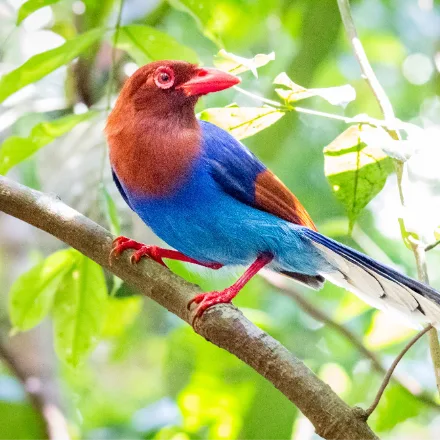
Sri Lanka Blue Magpie Occasional Vulnerable
Urocissa ornata
Cobalt and chestnut with a blood-red bill, and it comes to look at you rather than the other way round.
Where: Wet zone rainforest of the southwest; Sinharaja and Kitulgala. Best: Year round, best Jan-Apr. Confined to a small and shrinking band of the island, and unmistakable when you find it.
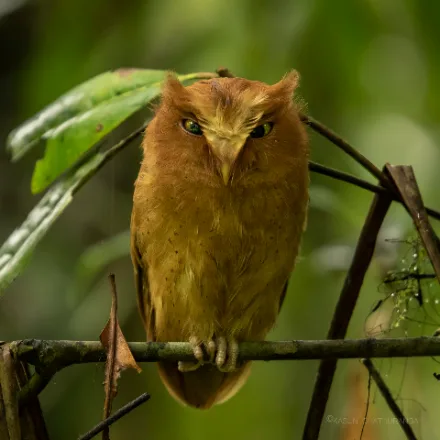
Serendib Scops Owl Very rare Endangered
Otus thilohoffmanni
Found by its call in 2001 and described in 2004, the first new bird species discovered in Sri Lanka for over a century.
Where: A handful of wet zone forest fragments. Best: Year round, calls at dusk. Endangered, tiny population, and only described in 2004.
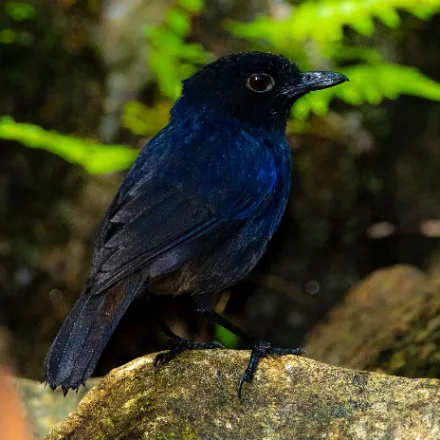
Sri Lanka Whistling Thrush Very rare Endangered
Myophonus blighi
A dark highland thrush that sings from wet rock at first light and is gone by the time the mist lifts.
Where: Shaded fast-running streams in montane forest above 900 m. Best: Year round, first light. Endangered, with a population thought to be under a thousand mature birds.
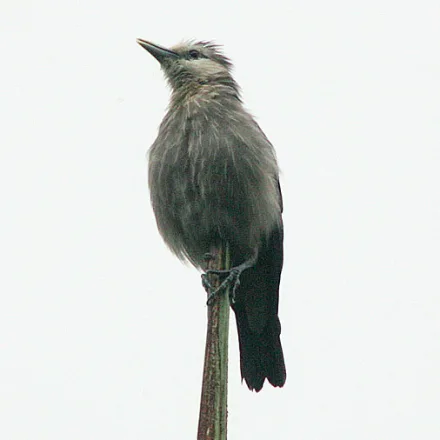
White-faced Starling Very rare Endangered
Sturnornis albofrontatus
A canopy starling with a white face, confined to a shrinking scrap of rainforest and genuinely hard to catch up with.
Where: Canopy of undisturbed wet zone rainforest. Best: Year round. Endangered and one of the scarcest endemics.
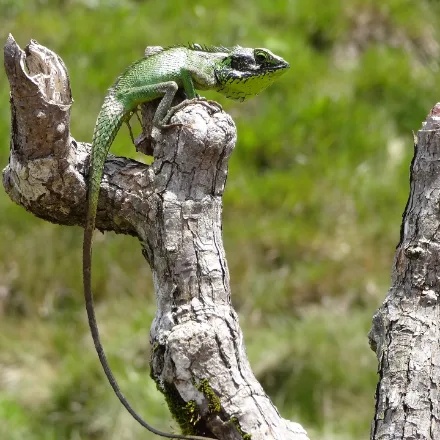
Black-lipped Lizard Regular Endangered
Calotes nigrilabris
An Endangered endemic that you will see without trying, because it basks on the hedges at Horton Plains.
Where: Montane shrub, hedge and tree trunks above about 1,000 m. Best: Year round, sunny mornings. The easiest Endangered lizard on the island to photograph.
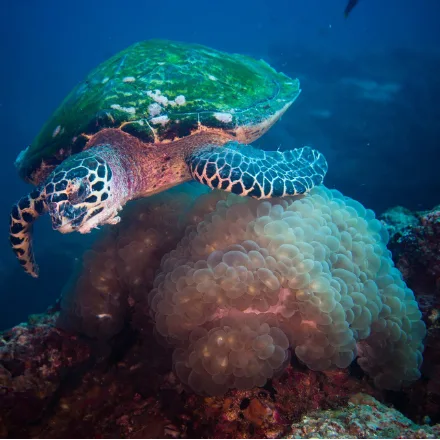
Hawksbill Turtle Occasional Critically Endangered
Eretmochelys imbricata
The reef's sponge specialist, its beautiful shell also the reason it was hunted to the edge.
Where: Coral reef, feeding on sponges; nesting on coarse sand pocket beaches and now very rare. Best: Reef season by coast; nesting almost nonexistent. Six nests out of 2,660 at Rekawa. This is a reef sighting, not a beach one.
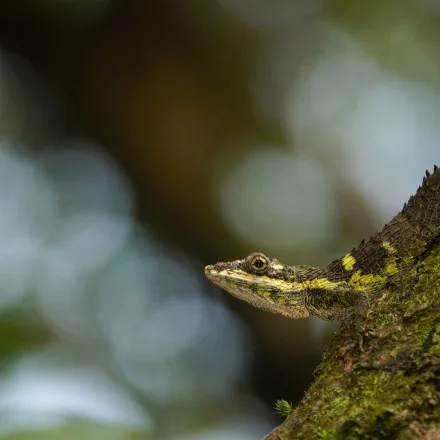
Knuckles Pygmy Lizard Ultra rare Critically Endangered
Cophotis dumbara
Described in 2006, Critically Endangered within a year, and confined to one mountain range where it sits motionless on wet moss.
Where: Wet moss and lichen on montane cloud forest bark in one massif only. Best: Year round, and effectively unfindable without a specialist. Described in 2006 and Critically Endangered within a year. Here because it exists, not because you will see one.
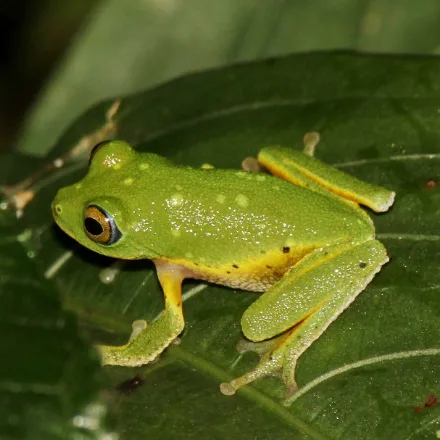
Leaf-nesting Shrub Frog Occasional Endangered
Pseudophilautus femoralis
Every other shrub frog on the island buries its eggs in soil. This one glues them to the underside of a leaf, and finding that green clutch is easier than finding the frog.
Where: Montane forest of the central highlands. Best: Year round, night. Look for the eggs as well as the frog. A green clutch glued under a leaf is this species and nothing else.
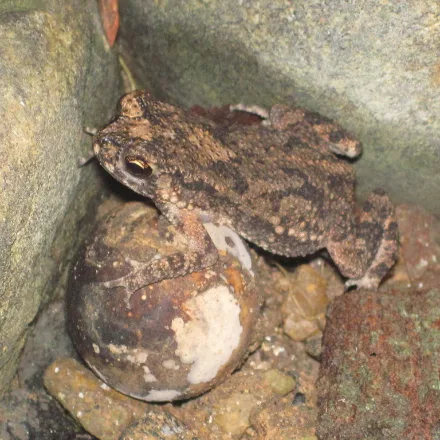
Noellert's Toad Very rare Critically Endangered
Duttaphrynus noellerti
It moved from Endangered to Critically Endangered between assessments, which makes it the clearest single marker of what is happening to the lowland wet zone.
Where: Lowland rainforest of the southwest wet zone. Best: Year round, night. Critically Endangered and worsening. A conservation datapoint rather than a sighting.
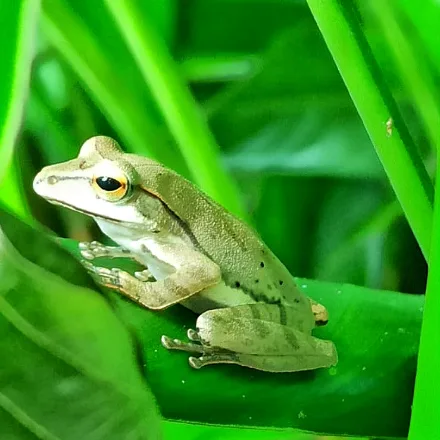
Starry Shrub Frog Ultra rare Critically Endangered
Pseudophilautus stellatus
Described in 1853, declared extinct, then found alive after a hundred and fifty six years, in the canopy where nobody had thought to look.
Where: Cloud forest canopy in the Peak Wilderness Sanctuary, 1,540 m to 1,679 m. Best: Year round, and effectively unfindable. Lost for 156 years, then found ten metres up in the canopy where nobody had looked. Here as a record, not a target.
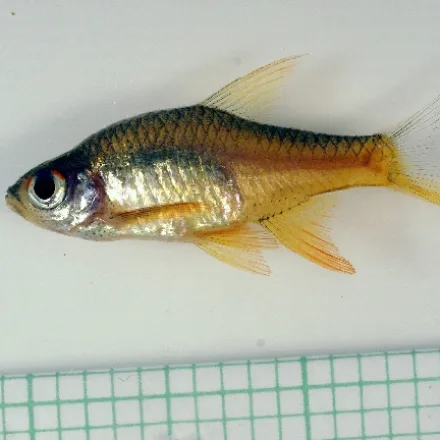
Fire Rasbora Occasional Endangered
Rasboroides vaterifloris
A shoal of these in a shaft of forest light is the reason the Victorians called it the pearly rasbora.
Where: Small, shaded, tea-coloured forest streams in the lowland wet zone. Best: Year round. Look for the shoal, not the fish. Movement in a shaft of light through the canopy is what gives them away.
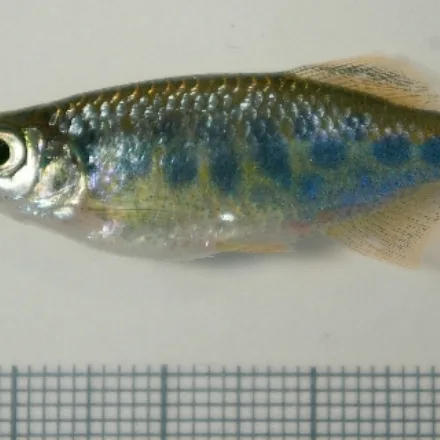
Barred Danio Rare Endangered
Devario pathirana
Described only in 1990, and known from a handful of streams in one river basin.
Where: Clear, fast, shaded runs in the upper Nilwala basin only. Best: Year round. Its entire world range is a few square kilometres of hill stream in the far south.
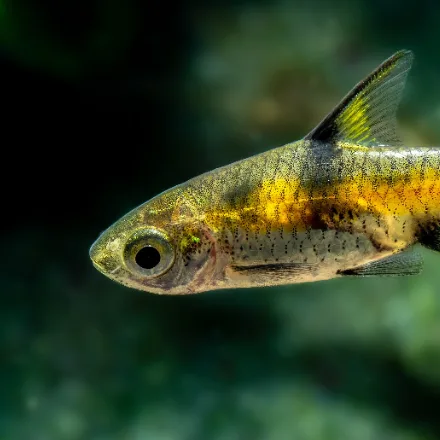
Bandula Barb Ultra rare Critically Endangered
Pethia bandula
The entire world population of this fish lives in one stream, and you could walk its whole range in ten minutes.
Where: One short stretch of a single stream in the Kegalle district and nowhere else on earth. Best: Not applicable. We deliberately do not publish the locality. The population has been counted in the hundreds, collection is a listed threat, and visitor pressure on a stream this small is itself a risk. This is a species to know about, not to go and see.
No free photograph of the Bandula barb exists. The image shows Pethia aurea, a close relative in the same genus.
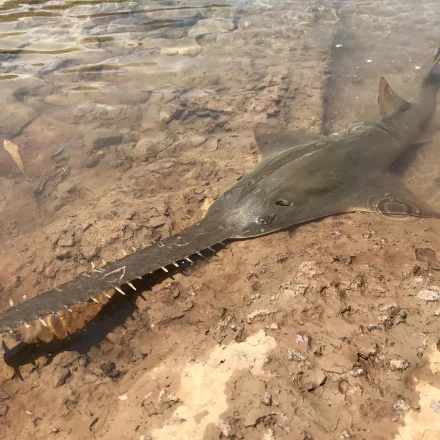
Largetooth Sawfish Ultra rare Critically Endangered
Pristis pristis
A seven metre ray with a chainsaw for a nose, and almost certainly gone from Thai waters.
Where: Lagoons, estuaries and mangrove creeks at Puttalam, Negombo and Kalametiya. Best: Year round. Almost certainly gone from Sri Lankan waters. Recorded here historically and listed so that the loss is on the page rather than quietly omitted.
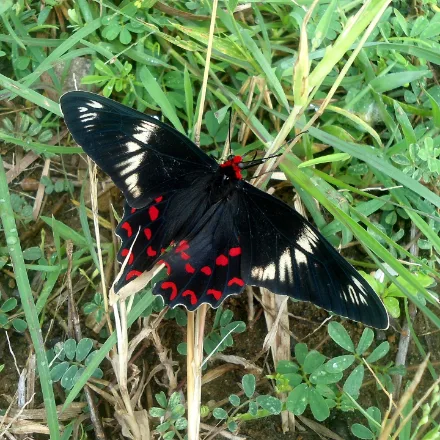
Crimson Rose Common Near Threatened
Pachliopta hector
Flies slowly and in the open because it is poisonous and every predator on the island knows it.
Where: Dry zone scrub, garden edges, roadsides and park tracks countrywide. Best: Year round. Slow and low along tracks. One of the easiest butterflies on the island to watch properly.
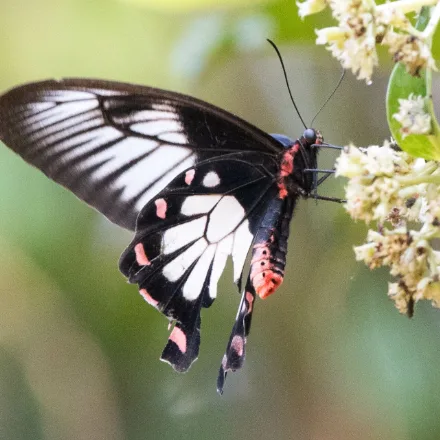
Ceylon Rose Rare Critically Endangered
Pachliopta jophon
Critically Endangered, endemic, and confined to the shrinking rainforest of one corner of the island.
Where: Wet zone rainforest interior and its immediate edge, nowhere else. Best: Year round. Critically Endangered. If you think you have one outside wet zone forest, it is almost certainly a crimson rose.
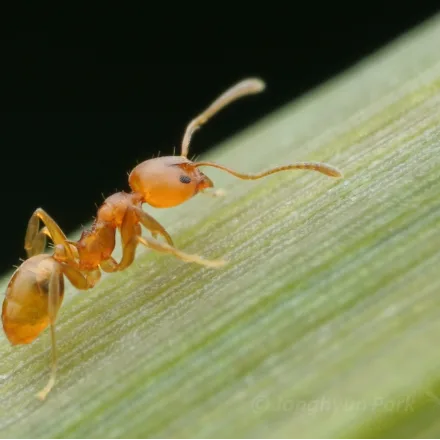
Sri Lanka Relict Ant Ultra rare Critically Endangered
Aneuretus simoni
The only surviving species of an entire subfamily of ants, and it lives in the leaf litter of one island.
Where: Rotting twigs and leaf litter on the floor of undisturbed wet zone forest. Best: Year round. You will not identify this in the field and that is not the point. It is the last species of an entire subfamily of ants and it is under the leaf litter you are standing on.
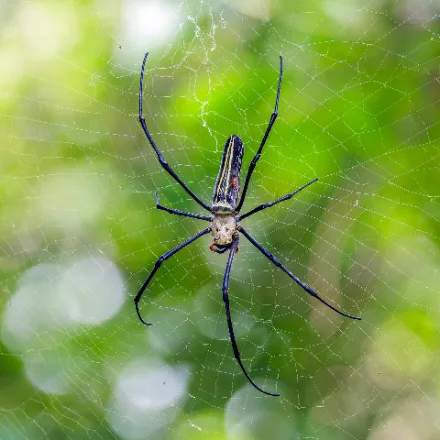
Golden Orb-weaver Common
Nephila pilipes
A giant black-and-yellow spider spinning webs of golden silk strong enough to snare small birds.
Where: Huge golden webs slung across forest tracks and clearings countrywide. Best: Year round, largest females August to December. Known throughout Sri Lanka as the giant wood spider. The silk is strong enough that you feel the web before you see it.
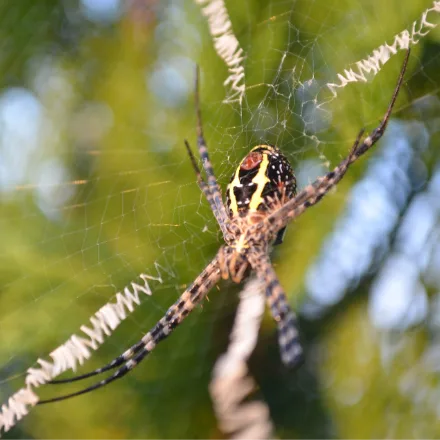
Signature Spider Common
Argiope anasuja
Writes a bold zigzag across the middle of its own web, and nobody is entirely sure why.
Where: Webs slung in scrub, gardens and dry zone forest edge countrywide. Best: Year round. The zigzag in the web is the identification, and its purpose is still argued about.
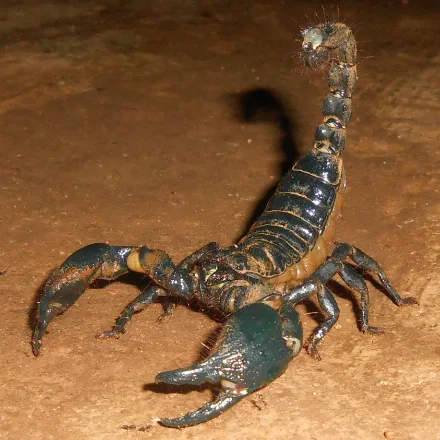
Giant Forest Scorpion Occasional
Heterometrus swammerdami
Among the largest scorpions on earth, and its sting is milder than a bee's.
Where: Under logs and stones by day, out hunting on the ground after dark. Best: Year round, after dark. A UV torch finds them from several metres. It is the single most rewarding five pounds of kit for a night walk.
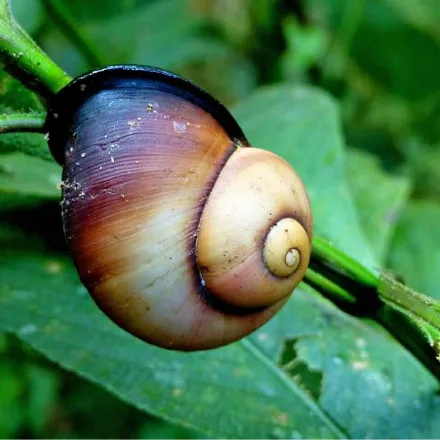
Sri Lanka Tree Snail Occasional
Acavus phoenix
A snail the size of a plum, banded like a boiled sweet, that lives its whole life in the canopy.
Where: On trunks and branches in wet zone forest, moving at night and after rain. Best: Year round, best just after heavy rain. A canopy animal. Scan trunks at head height and above, not the leaf litter.
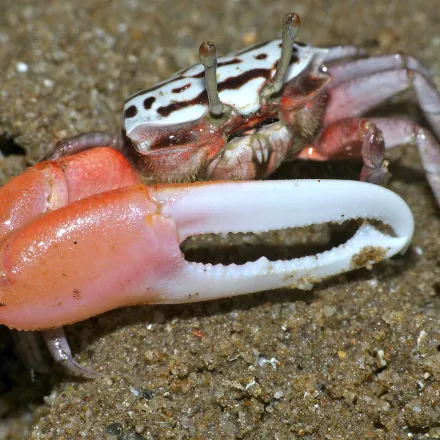
Fiddler Crab Common
Austruca annulipes
The male's oversized claw is useless for feeding, so he has to do everything with the small one while waving the big one at females.
Where: Lagoons, estuaries and mangrove creeks at Puttalam, Negombo and Kalametiya. Best: Year round.
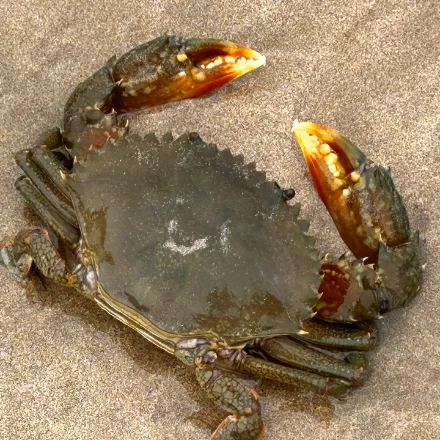
Giant Mud Crab Common
Scylla serrata
The claws can generate enough force to crush a large clam, and will take a finger off without much trouble.
Where: Lagoons, estuaries and mangrove creeks at Puttalam, Negombo and Kalametiya. Best: Year round.
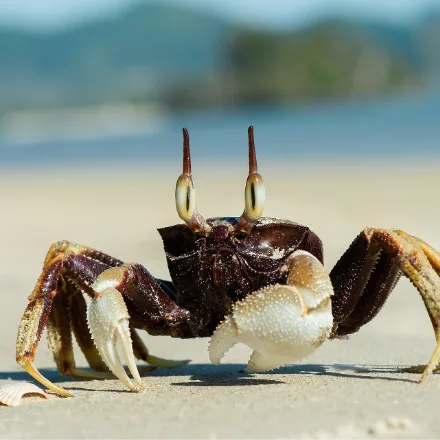
Horn-eyed Ghost Crab Common
Ocypode ceratophthalmus
The fastest crab on earth, clocked at over two metres a second, and it growls at intruders from inside its burrow.
Where: Rocky shores, tide pools and the intertidal on both coasts. Best: Year round. The crab that sprints across the sand at Rekawa while you are waiting for a turtle.
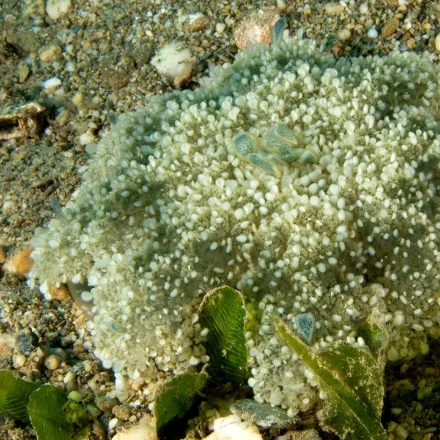
Upside-down Jellyfish Occasional
Cassiopea andromeda
Lies on the seabed with its tentacles pointing at the sky, farming algae inside its own tissue like a coral.
Where: Lagoons, estuaries and mangrove creeks at Puttalam, Negombo and Kalametiya. Best: Year round.
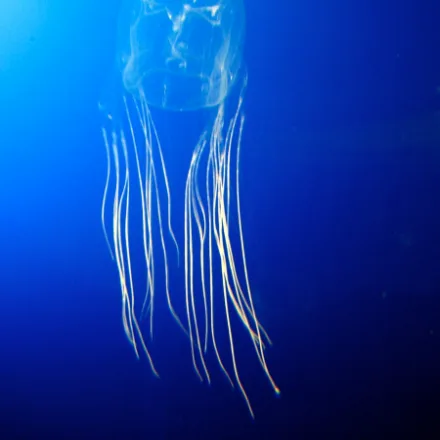
Box Jellyfish Rare
Chironex indrasaksajiae
Has twenty four eyes, including four that form proper images, and it is the only animal in Thai waters that has killed swimmers.
Where: Rocky shores, tide pools and the intertidal on both coasts. Best: Year round. Medically serious. Stings are reported from Sri Lankan beaches, mostly in the wet months.
No free photograph of Chironex indrasaksajiae exists. The image shows the Australian box jellyfish, Chironex fleckeri, its close relative in the same genus.
A further 155 species are recorded here. The complete lists are on the group and place pages linked above.
Out of season in July
15 of 27 species
The south and west coast marine season and the northern winter migrants. These need November to April.
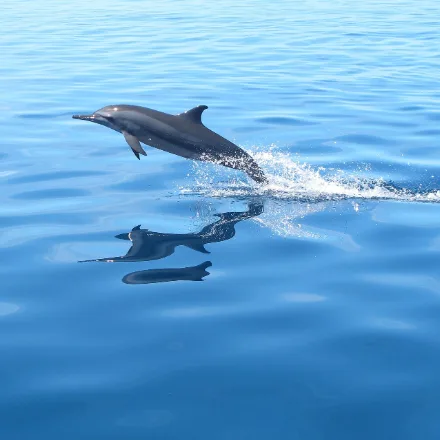
Spinner Dolphin Common
Stenella longirostris
A small, slender dolphin that leaps clear of the sea and spins like a top in mid-air.
Where: Surface water offshore, on whale and dolphin boat trips. Best: November to April on the west and south coasts. Kalpitiya produces super-pods of many hundreds and sometimes over a thousand animals, which is the largest dolphin spectacle in South Asia.
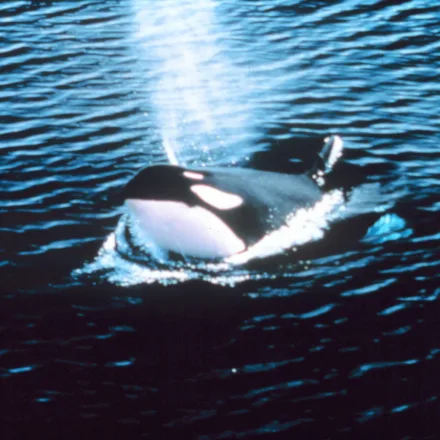
Killer Whale Very rare
Orcinus orca
The ocean's top predator, and off Sri Lanka they are known to hunt other whales, which is a thing very few people ever witness.
Where: Deep water off the continental shelf edge, usually in small pods. Best: December to April off the south and west, and around Kalpitiya. Sri Lanka is one of very few places in the northern Indian Ocean where orca are seen with any regularity.
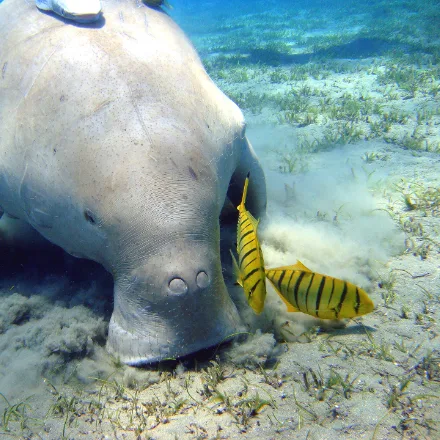
Dugong Ultra rare Vulnerable
Dugong dugon
The gentle sea cow said to have inspired mermaid legends, grazing seagrass meadows in warm shallow seas.
Where: Seagrass beds in the Gulf of Mannar and Puttalam lagoon. Best: November to April on the west and south coasts. The Gulf of Mannar is the last Sri Lankan stronghold and the population is now very small. Most reports turn out to be dolphins.
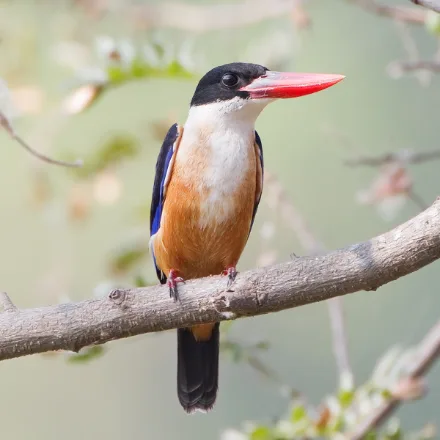
Black-capped Kingfisher Occasional
Halcyon pileata
A striking mangrove kingfisher in black, white and deep purple-blue, a winter visitor to Thailand's coasts.
Where: Mangrove creeks, lagoon margins and shaded coastal channels. Best: October to April, on the northeast monsoon migration. A winter migrant here, and now assessed Vulnerable after a status change most guides have not caught up with.
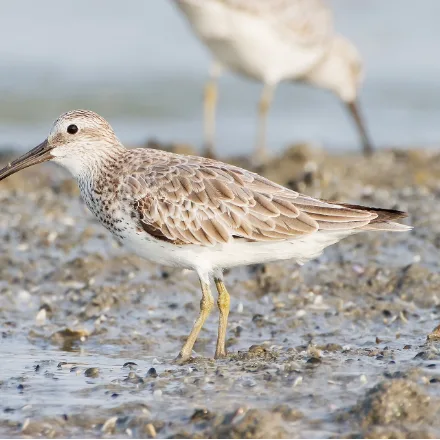
Great Knot Rare Endangered
Calidris tenuirostris
Flies from Siberia to Australia with a single refuelling stop, and losing that one mudflat has nearly finished the species.
Where: Tidal mudflats and salt pans, especially around Mannar and the Puttalam lagoon. Best: October to April. An Endangered long distance migrant and a scarce visitor here.
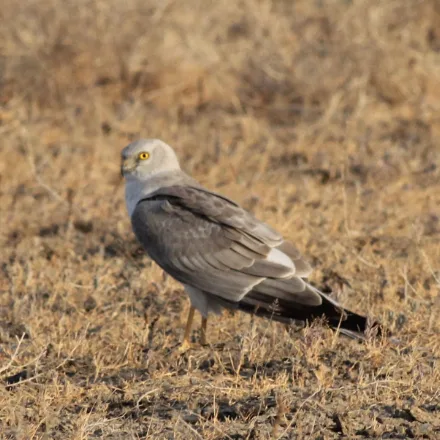
Pallid Harrier Rare Near Threatened
Circus macrourus
Quarters the grassland at head height on raised wings, tilting and rocking, hunting entirely by sound and surprise.
Where: Open grassland, salt pan margins, scrub and paddy. Best: Oct-Apr. Near Threatened, and a bird that has crossed from the Central Asian steppe to get here.
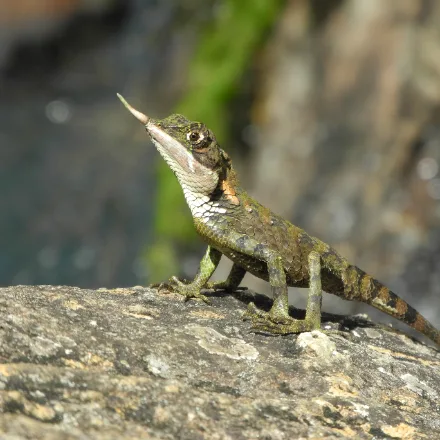
Rhino-horned Lizard Rare Endangered
Ceratophora stoddartii
A cloud forest lizard with a curved horn on its nose, and when it is cornered it opens a bright orange mouth at you.
Where: Mossy montane cloud forest between about 1,200 m and 2,300 m. Best: January to March, early morning. Confined to the highest hills, and precisely the colour of the lichen it sits on.
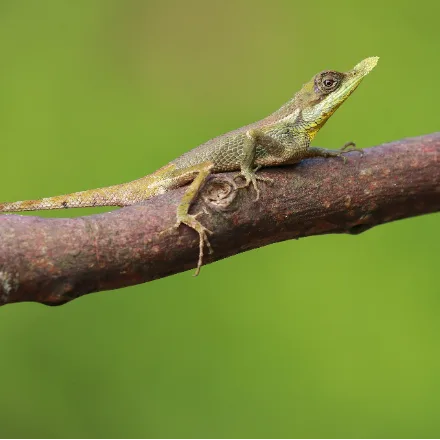
Leaf-nosed Lizard Very rare Endangered
Ceratophora tennentii
An Endangered horned lizard that exists on one mountain range and nowhere else in the world.
Where: Submontane cloud forest and shaded stream forest, 760 m to 1,220 m. Best: February to April and August to September. Its entire world range is one mountain massif.
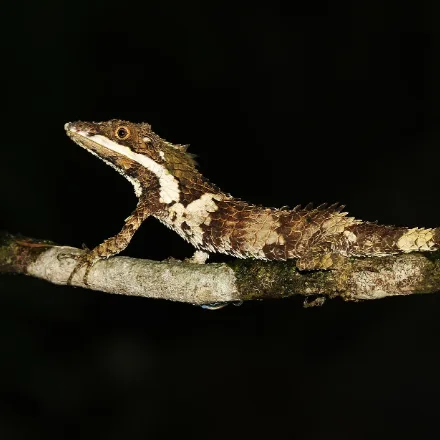
Pygmy Lizard Very rare Endangered
Cophotis ceylanica
A moss mimic with a prehensile tail that grips like a chameleon's, and it gives birth to live young, which agamids are not supposed to do.
Where: Moss covered trunks and epiphyte clumps in montane cloud forest, 1,300 m to 2,200 m. Best: January to March. A moss mimic that does not move when approached. Guides find them, visitors do not.
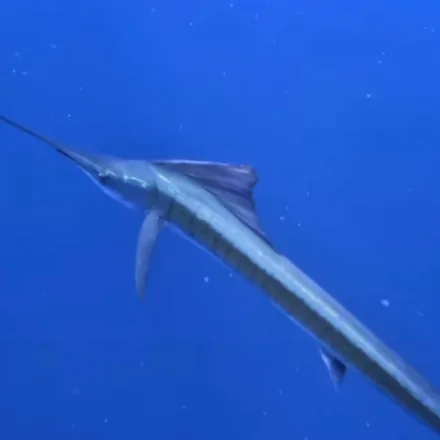
Indo-Pacific Sailfish Rare
Istiophorus platypterus
The fastest fish in the sea, and it lights up electric blue across the sail when it is herding a bait ball.
Where: Blue water beyond the continental shelf edge. Best: November to April on the west and south coasts. Now assessed Vulnerable. Sri Lanka's billfish are under heavy pressure.
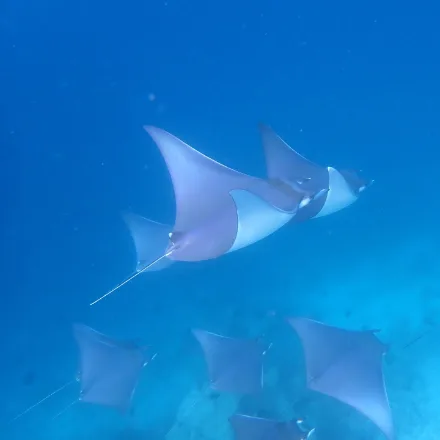
Shortfin Devil Ray Rare Endangered
Mobula kuhlii
A manta in miniature that leaps clear of the water and lands flat, sometimes dozens at a time.
Where: Blue water beyond the continental shelf edge. Best: November to April on the west and south coasts.
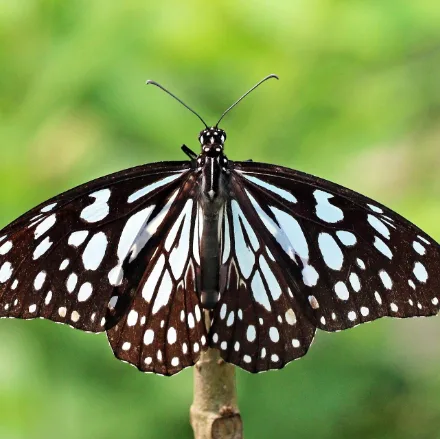
Blue Tiger Common
Tirumala limniace
Migrates in drifting rivers of thousands, and roosts at night in trees hung solid with butterflies.
Where: Open forest, scrub and roadsides, sometimes in large aggregations. Best: February to April and October to December. Roosts communally in shaded gullies, sometimes hundreds together, which is worth stopping for if you find one.
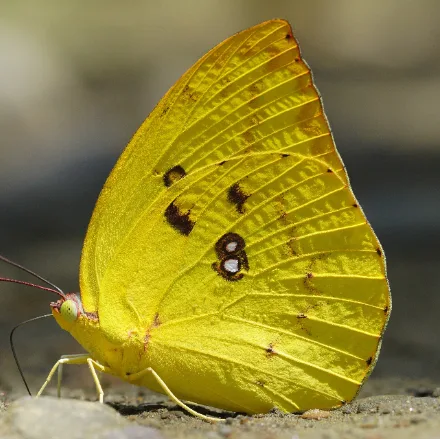
Common Emigrant Common
Catopsilia pomona
The butterfly behind the name Samanala Kanda, Butterfly Mountain, and the mass movement that heads for it every year.
Where: Open country, scrub and roadsides countrywide, and in numbers on the move. Best: February to April for the migration. Samanala Kanda, Adam's Peak, means Butterfly Mountain, and this is the butterfly it is named for.
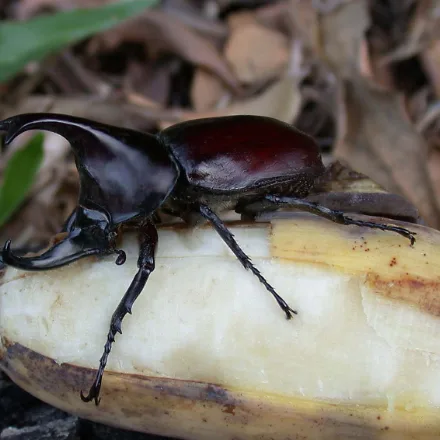
Rhinoceros Beetle Occasional
Xylotrupes gideon
A glossy tank of a beetle, the male armed with a forked horn for wrestling rivals.
Where: At lights after dark, and on palms and rotting wood. Best: October to December and April to June, night. Males wrestle with the horn for access to females and can lift many times their own weight.
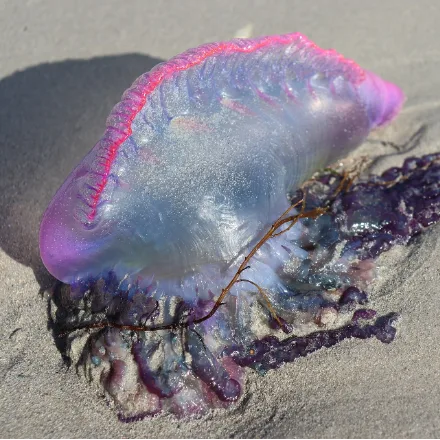
Portuguese Man o' War Occasional
Physalia physalis
Not one animal but a colony of four kinds of specialised individual that cannot survive apart.
Where: Rocky shores, tide pools and the intertidal on both coasts. Best: November to April on the west and south coasts. Strandings come in on the monsoon wind. The sting works on the beach too.
A further 12 species are recorded here. The complete lists are on the group and place pages linked above.
Practical notes for July
Reverse the January map. The east and the dry zone are dry and open, the southwest is wet, and Sinharaja is wet in most months anyway and wetter now. A July itinerary runs up the east coast and through the dry zone parks rather than down the west, and the single worst decision available is to book Mirissa and hope.
Sloth bear is the one animal on this page with a window measured in weeks rather than months. It depends on when the palu fruits, which shifts year to year, and the bears are in the open only while it lasts. Yala and Wilpattu are the parks, the first and last two hours of light are the times, and the honest position is that this is a genuine chance rather than a likelihood even in the right fortnight.
The Gathering builds through July rather than peaking in it. Minneriya and Kaudulla both hold it depending on where the water has gone, and August and September are stronger. If elephants are the whole reason for the trip, come a month later. If they are one of several reasons, July gets you the bears as well, and that combination does not exist in any other month.
Find wildlife trips, safaris and diving in Sri Lanka
Some links on this page are affiliate links. If you book through them, Wildseer may earn a small commission at no extra cost to you.
Frequently asked questions
Is July a good time for wildlife in Sri Lanka?
Yes, on the east and in the dry zone. It is the only reliable sloth bear window in the year, the start of the Gathering at Minneriya, and the opening of the east coast marine season at Trincomalee and Pigeon Island. It is the wrong month for the southwest, where the monsoon closes the whale watching off Mirissa and soaks the rainforest.
Can you see whales in Sri Lanka in July?
Yes, but from the other coast. The southern season off Mirissa is closed by the monsoon, and Trincomalee on the east coast runs from May to September, with blue whales and sperm whales both recorded. Sperm whale is at its best from March to August, which makes July one of the stronger months for it.
When can you see sloth bears in Sri Lanka?
June and July, when the palu fruit ripens in the dry zone and the bears climb into the open to feed. Outside that window they are nocturnal, shy and largely a matter of luck. Yala and Wilpattu are the parks, and the timing shifts with the fruiting rather than with the calendar.
Is the Gathering happening in July?
It is starting. The elephants concentrate on the drawn-down tank beds from roughly July to October, and August and September are the peak. July gets you the beginning of it plus the sloth bear window, which no other month offers together.
More on Sri Lanka wildlife
- Wildlife in Sri Lanka
- Mammals of Sri Lanka
- Birds of Sri Lanka
- Reptiles and amphibians of Sri Lanka
- Fish of Sri Lanka
Part of the Wildlife in Sri Lanka guide.
Image credits
Square thumbnails are cropped from the original. Wide banner images are cropped to a band. Other images are resized only. No other changes have been made.
- wildlife-in-sri-lanka-in-july: Eli Solidum | CC BY-SA 4.0, cropped
- Sloth Bear: Charles J. Sharp | CC BY-SA 4.0, cropped
- Asian elephant (resized): Shadow Ayush | CC BY-SA 4.0, cropped
- Whale Shark (resized): Jerome Paillet (IFREMER) | CC BY 4.0, cropped
- Sperm Whale: NOAA Photo Library | Public domain, cropped
- Sri Lankan Leopard (cropped to square): lasitha kulatileke | Pexels Licence, cropped
- Indo-Pacific Bottlenose Dolphin (cropped to square): Bernard DUPONT from FRANCE | CC BY-SA 2.0, cropped
- Blue Whale (cropped to square): Tero Linjama | CC0, cropped
- False Killer Whale: Juan Ortega | CC BY 3.0, cropped
- Black-naped Tern (cropped to square): panjigusti | CC BY 4.0, cropped
- Bridled Tern (cropped to square): Calistemon | CC BY-SA 4.0, cropped
- Bengal Monitor (cropped to square): Dr. Raju Kasambe | CC BY-SA 4.0, cropped
- Banded Sea Krait (cropped to square): Elias Levy | CC BY 2.0, cropped
- Whistling Lizard: Dilma Jayatissa | CC BY-SA 4.0, cropped
- Rough-horned Lizard: Buddhika.jm(Buddhika Mawella) | CC BY-SA 4.0, cropped
- Blue-green Chromis (cropped to square): Philippe Bourjon | CC BY-SA 4.0, cropped
- Bluestreak Cleaner Wrasse (cropped to square): Bernard DUPONT | CC BY-SA 2.0, cropped
- Bumphead Parrotfish (cropped to square): Jenny from Taipei | CC BY 2.0, cropped
- Humphead Wrasse (cropped to square): Derek Keats | CC BY 2.0, cropped
- Thorny Seahorse (cropped to square): prilfish | CC BY 2.0, cropped
- bowmouth guitarfish (re-crop): Kim Navarre from Brooklyn, NY | CC BY-SA 2.0, cropped
- Giant Guitarfish (cropped to square): Anne Hoggett | CC BY 3.0, cropped
- Great Hammerhead (cropped to square): Jim Capaldi from Springfield, USA | CC BY 2.0, cropped
- Scalloped Hammerhead: Jonas Allert | Unsplash License, cropped
- Whitespotted Wedgefish (cropped to square): (c) apteryx54, some rights reserved (CC BY) | CC BY 4.0, cropped
- Mango Longhorn Beetle (cropped to square): Gouthamching | CC BY-SA 4.0, cropped
- Blue Dragon Nudibranch (cropped to square): Elias Levy | CC BY 2.0, cropped
- Chromodoris Nudibranch (cropped to square): Steve Childs | CC BY 2.0, cropped
- Small Giant Clam: RevolverOcelot | CC BY-SA 3.0, cropped
- Varicose Phyllidia (cropped to square): Rickard Zerpe | CC BY 2.0, cropped
- Wedge Sea Hare (cropped to square): Rickard Zerpe | CC BY 2.0, cropped
- Boulder Porites (cropped to square): Ryan McMinds | CC BY 2.0, cropped
- Table Coral (cropped to square): MDC Seamarc Maldives | CC BY-SA 4.0, cropped
- Blue Coral (cropped to square): Frédéric Ducarme | CC BY-SA 4.0, cropped
- Anchor Coral (cropped to square): Nick Hobgood | CC BY-SA 3.0, cropped
- Bubble Coral (cropped to square): Bernard DUPONT from FRANCE | CC BY-SA 2.0, cropped
- Blue Sea Star (cropped to square): Bernard DUPONT | CC BY-SA 2.0, cropped
- Cushion Star (cropped to square): Cricket Raspet | CC BY 4.0, cropped
- Granulated Sea Star (cropped to square): Bernard DUPONT from FRANCE | CC BY-SA 2.0, cropped
- Long-spined Sea Urchin (cropped to square): Frédéric Ducarme | CC BY-SA 4.0, cropped
- Pineapple Sea Cucumber (cropped to square): Aexander Vasenin | CC BY-SA 3.0, cropped
- Banded Coral Shrimp (cropped to square): Pauline Walsh Jacobson | CC BY 4.0, cropped
- Durban Dancing Shrimp (cropped to square): portioid | CC BY-SA 4.0, cropped
- White-spotted Hermit Crab (cropped to square): Diego Delso | CC BY-SA 4.0, cropped
- Boxer Crab (cropped to square): Dan Schofield | CC BY 4.0, cropped
- Christmas Tree Worm (cropped to square): Nhobgood Nick Hobgood | CC BY-SA 3.0, cropped
- Giant Barrel Sponge (cropped to square): Bernard DUPONT from FRANCE | CC BY-SA 2.0, cropped
- Persian Carpet Flatworm (cropped to square): Matthias Liffers | CC BY 2.0, cropped
- Bobbit Worm (cropped to square): Jenny | CC BY 2.0, cropped
- Asian Elephant (cropped to square): Shadow Ayush | CC BY-SA 4.0, cropped
- Toque Macaque: Ji-Elle | CC BY-SA 3.0, cropped
- Purple-faced Langur: Jeroen84 | CC BY-SA 3.0, cropped
- Sri Lanka Blue Magpie: Gerry Zambonini | CC BY-SA 2.0, cropped
- Serendib Scops Owl: Kasun withanage | CC BY-SA 4.0, cropped
- Sri Lanka Whistling Thrush: Kasun withanage | CC BY-SA 4.0, cropped
- White-faced Starling: Steve Garvie from Dunfermline, Fife, Scotland | CC BY-SA 2.0, cropped
- Black-lipped Lizard: Cherubino | CC BY-SA 3.0, cropped
- Hawksbill Turtle (cropped to square): Daniel Sasse | CC BY-SA 4.0, cropped
- Knuckles Pygmy Lizard: desertnaturalist | CC BY 4.0, cropped
- Leaf-nesting Shrub Frog: Buddhika.jm | CC BY 3.0, cropped
- Noellert’s Toad: Vsevolod Rudyi | CC BY 4.0, cropped
- Starry Shrub Frog: Rekhakottoor | CC BY-SA 4.0, cropped
- Fire Rasbora: Rupert A. Collins | CC BY 3.0, cropped
- Barred Danio: Rupert A. Collins | CC BY 3.0, cropped
- Bandula Barb: Beta Mahatvaraj | CC BY-SA 4.0, cropped
- Largetooth Sawfish: Peter Kyne, Charles Darwin University | CC BY 3.0, cropped
- Crimson Rose: Adityamadhav83 | CC BY-SA 3.0, cropped
- Ceylon Rose: 松井 淳 | CC0, cropped
- Sri Lanka Relict Ant: Jonghyun Park | CC BY 4.0, cropped
- Golden Orb-weaver (resized): Charles J. Sharp | CC BY-SA 4.0, cropped
- Signature Spider: Abkhanal | CC BY-SA 3.0, cropped
- Giant Forest Scorpion: Nireekshit | CC BY-SA 3.0, cropped
- Sri Lanka Tree Snail: Moni Ostermaier | CC BY-SA 4.0, cropped
- Fiddler Crab (cropped to square): Bernard DUPONT from FRANCE | CC BY-SA 2.0, cropped
- Giant Mud Crab (cropped to square): Scott Edmunds | CC0, cropped
- Horn-eyed Ghost Crab (cropped to square): Rushenb | CC BY-SA 3.0, cropped
- Upside-down Jellyfish (cropped to square): Nhobgood Nick Hobgood | CC BY-SA 3.0, cropped
- Box Jellyfish (cropped to square): Guido Gautsch , Melbourne, Australia | CC BY-SA 2.0, cropped
- Spinner Dolphin (cropped to square): Alexia Pihier for MDC SeaMarc Maldives | CC BY-SA 4.0, cropped
- Killer Whale: NOAA, United States National Oceanic and Atmospheric Administration | Public domain, cropped
- Dugong (cropped to square): Julien Willem | CC BY-SA 3.0, cropped
- Black-capped Kingfisher (cropped to square): JJ Harrison ( https://www.jjharrison.com.au/ ) | CC BY-SA 3.0, cropped
- Great Knot (cropped to square): JJ Harrison ( https://www.jjharrison.com.au/ ) | CC BY-SA 3.0, cropped
- Pallid Harrier: Chinmayisk | CC BY-SA 3.0, cropped
- Rhino-horned Lizard: Calynn | CC BY-SA 4.0, cropped
- Leaf-nosed Lizard: Rangana Abeyrathne | CC BY-SA 4.0, cropped
- Pygmy Lizard: Buddhika.jm(Buddhika Mawella) | CC BY-SA 4.0, cropped
- Indo-Pacific Sailfish (cropped to square): Vsevolod | CC BY 4.0, cropped
- Shortfin Devil Ray (cropped to square): John Hepburn | CC BY 4.0, cropped
- Blue Tiger (cropped to square): Charles J. Sharp | CC BY-SA 4.0, cropped
- Common Emigrant: Peellden | CC BY-SA 4.0, cropped
- Rhinoceros Beetle (cropped to square): Len Worthington | CC BY-SA 2.0, cropped
- Portuguese Man o’ War (cropped to square): Fernando Losada Rodríguez | CC BY-SA 4.0, cropped
Square thumbnails are cropped from the original. Wide banner images are cropped to a band. Other images are resized only. No other changes have been made.
- wildlife-in-sri-lanka-in-july: Eli Solidum | CC BY-SA 4.0, cropped
- Sloth Bear: Charles J. Sharp | CC BY-SA 4.0, cropped
- Asian elephant (resized): Shadow Ayush | CC BY-SA 4.0, cropped
- Whale Shark (resized): Jerome Paillet (IFREMER) | CC BY 4.0, cropped
- Sperm Whale: NOAA Photo Library | Public domain, cropped
- Sri Lankan Leopard (cropped to square): lasitha kulatileke | Pexels Licence, cropped
- Indo-Pacific Bottlenose Dolphin (cropped to square): Bernard DUPONT from FRANCE | CC BY-SA 2.0, cropped
- Blue Whale (cropped to square): Tero Linjama | CC0, cropped
- False Killer Whale: Juan Ortega | CC BY 3.0, cropped
- Black-naped Tern (cropped to square): panjigusti | CC BY 4.0, cropped
- Bridled Tern (cropped to square): Calistemon | CC BY-SA 4.0, cropped
- Bengal Monitor (cropped to square): Dr. Raju Kasambe | CC BY-SA 4.0, cropped
- Banded Sea Krait (cropped to square): Elias Levy | CC BY 2.0, cropped
- Whistling Lizard: Dilma Jayatissa | CC BY-SA 4.0, cropped
- Rough-horned Lizard: Buddhika.jm(Buddhika Mawella) | CC BY-SA 4.0, cropped
- Blue-green Chromis (cropped to square): Philippe Bourjon | CC BY-SA 4.0, cropped
- Bluestreak Cleaner Wrasse (cropped to square): Bernard DUPONT | CC BY-SA 2.0, cropped
- Bumphead Parrotfish (cropped to square): Jenny from Taipei | CC BY 2.0, cropped
- Humphead Wrasse (cropped to square): Derek Keats | CC BY 2.0, cropped
- Thorny Seahorse (cropped to square): prilfish | CC BY 2.0, cropped
- bowmouth guitarfish (re-crop): Kim Navarre from Brooklyn, NY | CC BY-SA 2.0, cropped
- Giant Guitarfish (cropped to square): Anne Hoggett | CC BY 3.0, cropped
- Great Hammerhead (cropped to square): Jim Capaldi from Springfield, USA | CC BY 2.0, cropped
- Scalloped Hammerhead: Jonas Allert | Unsplash License, cropped
- Whitespotted Wedgefish (cropped to square): (c) apteryx54, some rights reserved (CC BY) | CC BY 4.0, cropped
- Mango Longhorn Beetle (cropped to square): Gouthamching | CC BY-SA 4.0, cropped
- Blue Dragon Nudibranch (cropped to square): Elias Levy | CC BY 2.0, cropped
- Chromodoris Nudibranch (cropped to square): Steve Childs | CC BY 2.0, cropped
- Small Giant Clam: RevolverOcelot | CC BY-SA 3.0, cropped
- Varicose Phyllidia (cropped to square): Rickard Zerpe | CC BY 2.0, cropped
- Wedge Sea Hare (cropped to square): Rickard Zerpe | CC BY 2.0, cropped
- Boulder Porites (cropped to square): Ryan McMinds | CC BY 2.0, cropped
- Table Coral (cropped to square): MDC Seamarc Maldives | CC BY-SA 4.0, cropped
- Blue Coral (cropped to square): Frédéric Ducarme | CC BY-SA 4.0, cropped
- Anchor Coral (cropped to square): Nick Hobgood | CC BY-SA 3.0, cropped
- Bubble Coral (cropped to square): Bernard DUPONT from FRANCE | CC BY-SA 2.0, cropped
- Blue Sea Star (cropped to square): Bernard DUPONT | CC BY-SA 2.0, cropped
- Cushion Star (cropped to square): Cricket Raspet | CC BY 4.0, cropped
- Granulated Sea Star (cropped to square): Bernard DUPONT from FRANCE | CC BY-SA 2.0, cropped
- Long-spined Sea Urchin (cropped to square): Frédéric Ducarme | CC BY-SA 4.0, cropped
- Pineapple Sea Cucumber (cropped to square): Aexander Vasenin | CC BY-SA 3.0, cropped
- Banded Coral Shrimp (cropped to square): Pauline Walsh Jacobson | CC BY 4.0, cropped
- Durban Dancing Shrimp (cropped to square): portioid | CC BY-SA 4.0, cropped
- White-spotted Hermit Crab (cropped to square): Diego Delso | CC BY-SA 4.0, cropped
- Boxer Crab (cropped to square): Dan Schofield | CC BY 4.0, cropped
- Christmas Tree Worm (cropped to square): Nhobgood Nick Hobgood | CC BY-SA 3.0, cropped
- Giant Barrel Sponge (cropped to square): Bernard DUPONT from FRANCE | CC BY-SA 2.0, cropped
- Persian Carpet Flatworm (cropped to square): Matthias Liffers | CC BY 2.0, cropped
- Bobbit Worm (cropped to square): Jenny | CC BY 2.0, cropped
- Asian Elephant (cropped to square): Shadow Ayush | CC BY-SA 4.0, cropped
- Toque Macaque: Ji-Elle | CC BY-SA 3.0, cropped
- Purple-faced Langur: Jeroen84 | CC BY-SA 3.0, cropped
- Sri Lanka Blue Magpie: Gerry Zambonini | CC BY-SA 2.0, cropped
- Serendib Scops Owl: Kasun withanage | CC BY-SA 4.0, cropped
- Sri Lanka Whistling Thrush: Kasun withanage | CC BY-SA 4.0, cropped
- White-faced Starling: Steve Garvie from Dunfermline, Fife, Scotland | CC BY-SA 2.0, cropped
- Black-lipped Lizard: Cherubino | CC BY-SA 3.0, cropped
- Hawksbill Turtle (cropped to square): Daniel Sasse | CC BY-SA 4.0, cropped
- Knuckles Pygmy Lizard: desertnaturalist | CC BY 4.0, cropped
- Leaf-nesting Shrub Frog: Buddhika.jm | CC BY 3.0, cropped
- Noellert’s Toad: Vsevolod Rudyi | CC BY 4.0, cropped
- Starry Shrub Frog: Rekhakottoor | CC BY-SA 4.0, cropped
- Fire Rasbora: Rupert A. Collins | CC BY 3.0, cropped
- Barred Danio: Rupert A. Collins | CC BY 3.0, cropped
- Bandula Barb: Beta Mahatvaraj | CC BY-SA 4.0, cropped
- Largetooth Sawfish: Peter Kyne, Charles Darwin University | CC BY 3.0, cropped
- Crimson Rose: Adityamadhav83 | CC BY-SA 3.0, cropped
- Ceylon Rose: 松井 淳 | CC0, cropped
- Sri Lanka Relict Ant: Jonghyun Park | CC BY 4.0, cropped
- Golden Orb-weaver (resized): Charles J. Sharp | CC BY-SA 4.0, cropped
- Signature Spider: Abkhanal | CC BY-SA 3.0, cropped
- Giant Forest Scorpion: Nireekshit | CC BY-SA 3.0, cropped
- Sri Lanka Tree Snail: Moni Ostermaier | CC BY-SA 4.0, cropped
- Fiddler Crab (cropped to square): Bernard DUPONT from FRANCE | CC BY-SA 2.0, cropped
- Giant Mud Crab (cropped to square): Scott Edmunds | CC0, cropped
- Horn-eyed Ghost Crab (cropped to square): Rushenb | CC BY-SA 3.0, cropped
- Upside-down Jellyfish (cropped to square): Nhobgood Nick Hobgood | CC BY-SA 3.0, cropped
- Box Jellyfish (cropped to square): Guido Gautsch , Melbourne, Australia | CC BY-SA 2.0, cropped
- Spinner Dolphin (cropped to square): Alexia Pihier for MDC SeaMarc Maldives | CC BY-SA 4.0, cropped
- Killer Whale: NOAA, United States National Oceanic and Atmospheric Administration | Public domain, cropped
- Dugong (cropped to square): Julien Willem | CC BY-SA 3.0, cropped
- Black-capped Kingfisher (cropped to square): JJ Harrison ( https://www.jjharrison.com.au/ ) | CC BY-SA 3.0, cropped
- Great Knot (cropped to square): JJ Harrison ( https://www.jjharrison.com.au/ ) | CC BY-SA 3.0, cropped
- Pallid Harrier: Chinmayisk | CC BY-SA 3.0, cropped
- Rhino-horned Lizard: Calynn | CC BY-SA 4.0, cropped
- Leaf-nosed Lizard: Rangana Abeyrathne | CC BY-SA 4.0, cropped
- Pygmy Lizard: Buddhika.jm(Buddhika Mawella) | CC BY-SA 4.0, cropped
- Indo-Pacific Sailfish (cropped to square): Vsevolod | CC BY 4.0, cropped
- Shortfin Devil Ray (cropped to square): John Hepburn | CC BY 4.0, cropped
- Blue Tiger (cropped to square): Charles J. Sharp | CC BY-SA 4.0, cropped
- Common Emigrant: Peellden | CC BY-SA 4.0, cropped
- Rhinoceros Beetle (cropped to square): Len Worthington | CC BY-SA 2.0, cropped
- Portuguese Man o’ War (cropped to square): Fernando Losada Rodríguez | CC BY-SA 4.0, cropped