
[HERO IMAGE: replace this block with an Image block, class ws-hero, alignment None]
Kui Buri wildlife watching is unusually simple, and unusually good. One ranger-guided route runs into the grassland from mid-afternoon, and on most evenings in the dry season it delivers wild Asian elephants at close range, plus a real chance of gaur, the largest wild cattle on earth. Nothing else in Thailand comes close for dependability.
This is not a zoo and it is not an elephant camp. The animals are wild, the sightings are from a vehicle at a distance the rangers set, and the season matters: from November to April the herds come out of the forest to feed in the open, and by March and April the shrinking waterholes concentrate them. This page lists what the guide records for Kui Buri specifically: where on the route, the month, and how likely each animal really is.
Highlights
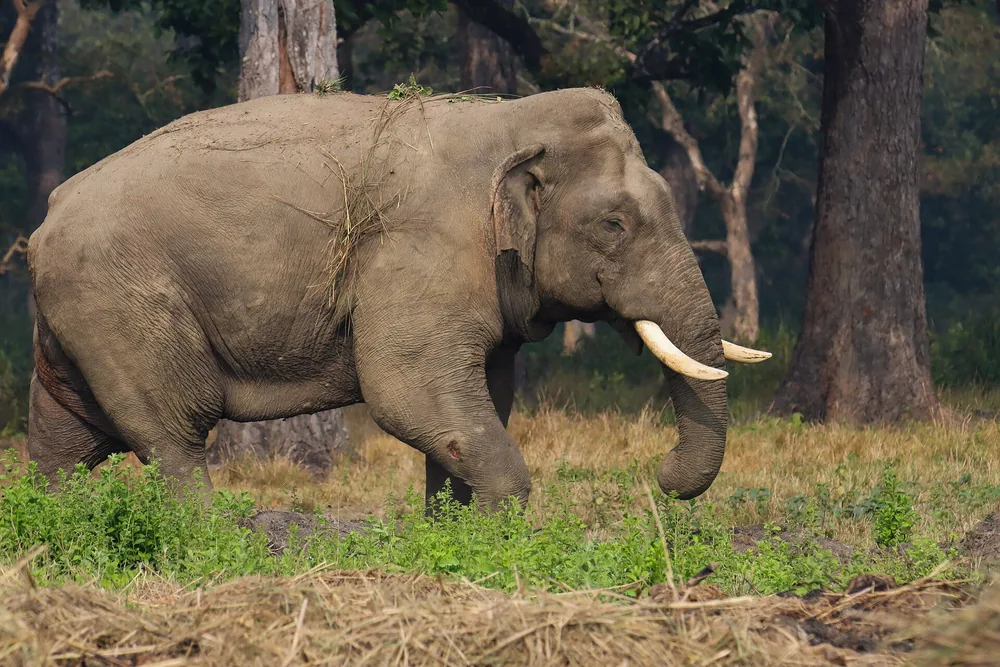
Asian Elephant
The largest land animal in Asia, and a genuinely wild one is worth seeking out over the camp elephants most tourists meet. Where: The ranger-guided evening route through the pineapple and grassland zone. Best: Nov-Apr, 15:30 until dusk, best Mar-Apr as the waterholes shrink.
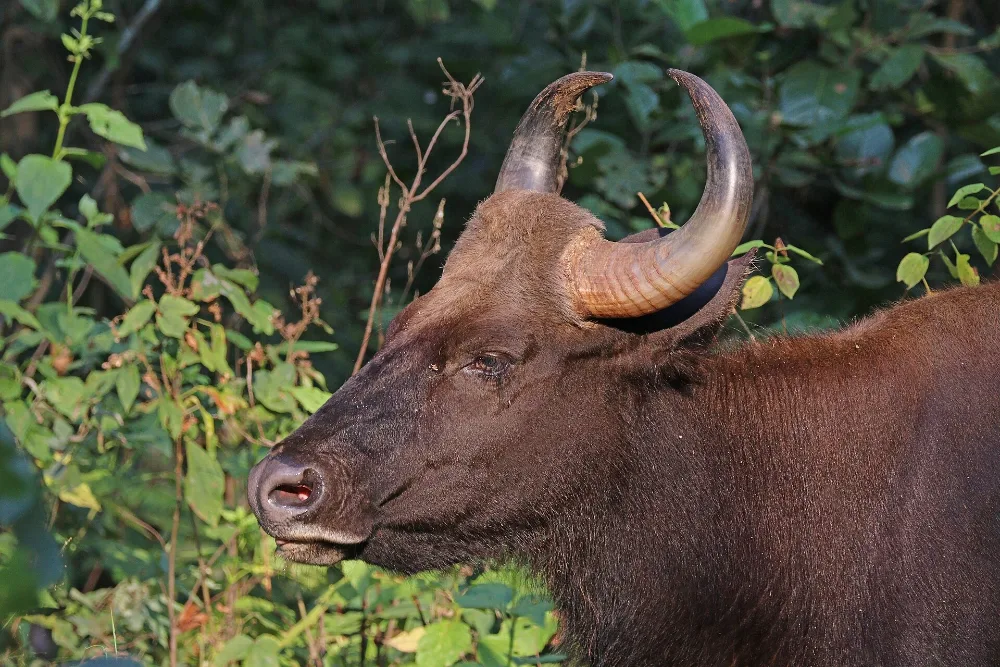
Gaur
The largest wild cattle on Earth, a muscle bound giant that dwarfs any farm cow. Where: Grassland openings on the same evening route. Best: Nov-Apr, late afternoon, best Mar-Apr.
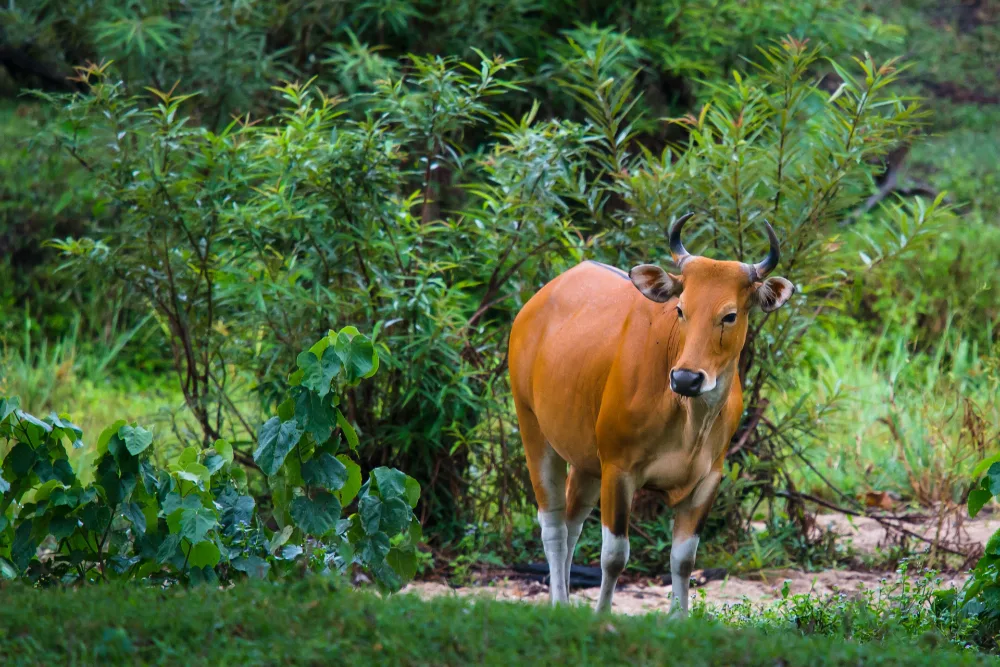
Banteng
A sleek wild ox with a white rump patch and white stockings, far rarer and more elegant than the domestic cattle it resembles. Where: Remote grassland on the western side of the park. Best: Nov-Apr, dusk, best Mar-Apr.
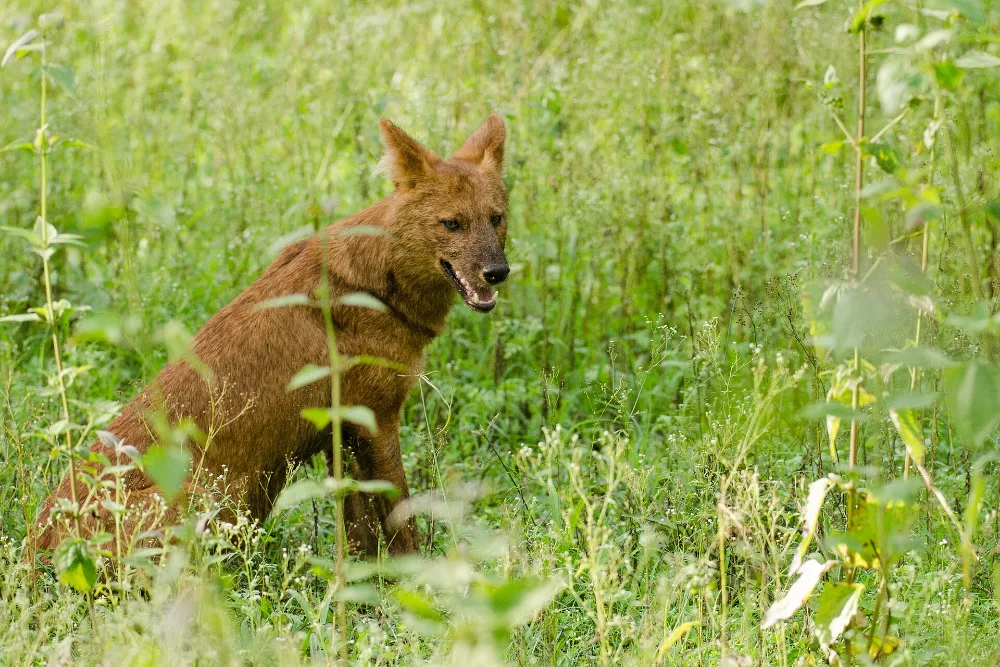
Dhole (Asiatic Wild Dog)
A russet red pack hunter that whistles to coordinate the chase, one of Asia's most endangered predators. Where: Grassland and track edges. Best: Nov-Apr, early morning, best Feb-Apr.
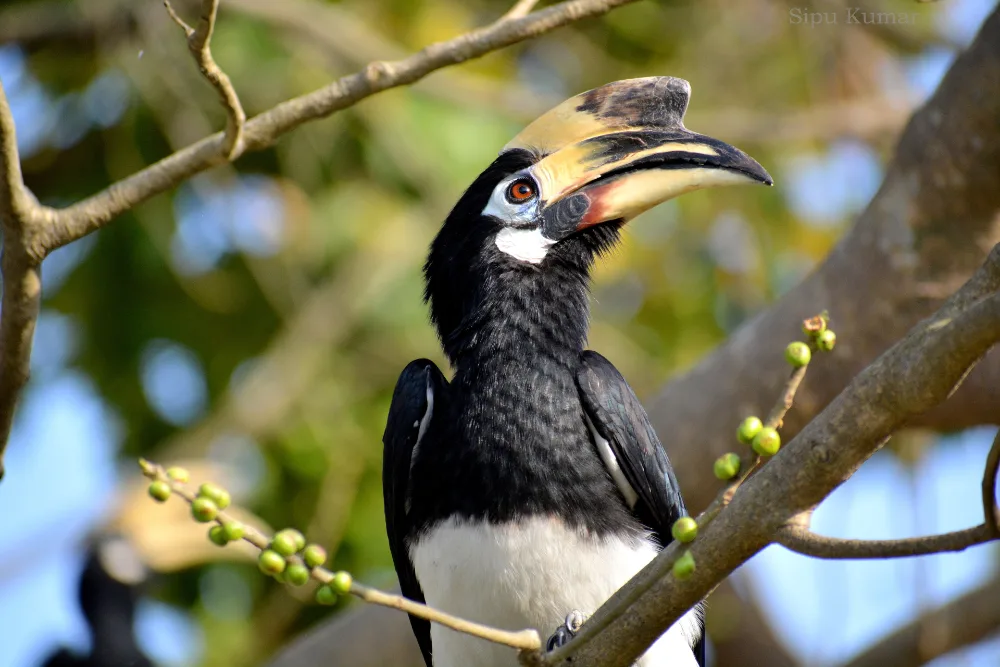
Oriental Pied Hornbill
The most approachable hornbill in Asia, a black and white charmer that even visits gardens and forest edges. Where: Fruiting trees near the park entrance. Best: Year round, morning.
Mammals
11 species
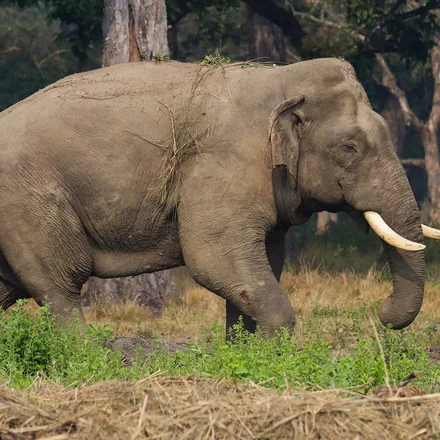
Asian Elephant Common Endangered
Elephas maximus
The largest land animal in Asia, and a genuinely wild one is worth seeking out over the camp elephants most tourists meet.
Where: The ranger-guided evening route through the pineapple and grassland zone. Best: Nov-Apr, 15:30 until dusk, best Mar-Apr as the waterholes shrink. The most reliable wild elephants in Thailand. Rangers know which herds are using which valley that week.
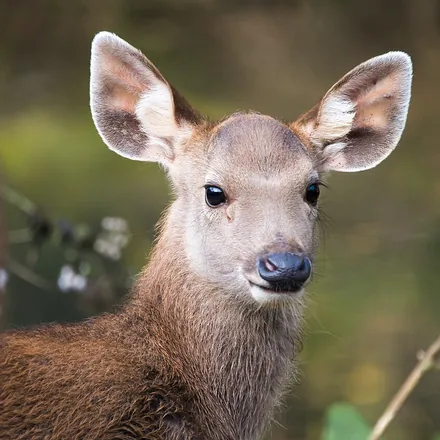
Sambar Deer Common Vulnerable
Rusa unicolor
Asia's largest deer, and often a park's most dependable big animal, with stags carrying rugged three tined antlers.
Where: Grassland and forest edge. Best: Year round, dusk.
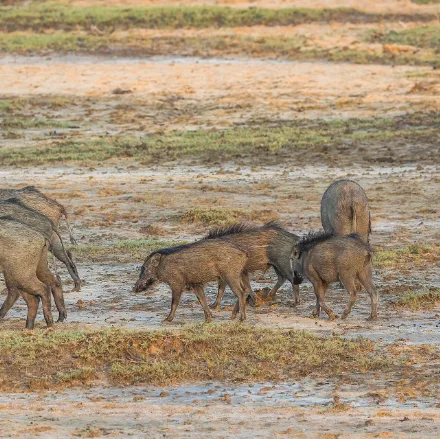
Wild Boar Common
Sus scrofa
The rugged wild pig at the base of the food chain, rooting up the forest and feeding the region's great predators.
Where: Grassland and cultivation edges. Best: Year round, dusk.
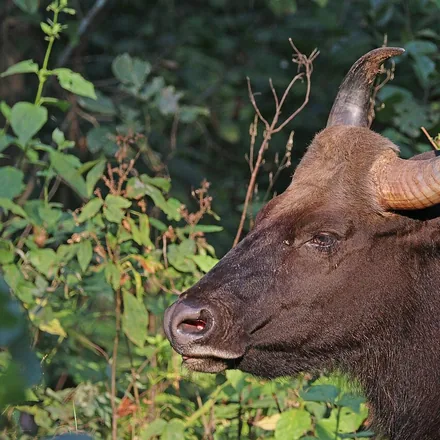
Gaur Regular Vulnerable
Bos gaurus
The largest wild cattle on Earth, a muscle bound giant that dwarfs any farm cow.
Where: Grassland openings on the same evening route. Best: Nov-Apr, late afternoon, best Mar-Apr. Kui Buri and Khao Yai are the two places to see wild gaur properly.
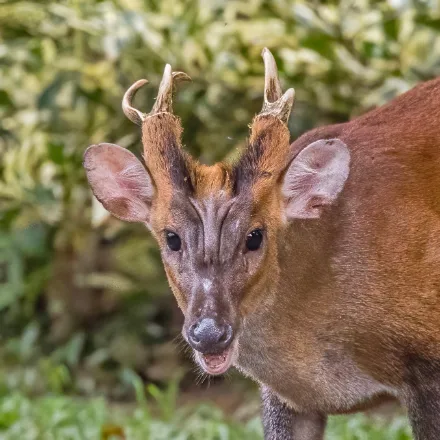
Northern Red Muntjac Regular
Muntiacus vaginalis
The barking deer of Thai forests, a small russet deer whose sharp, dog-like alarm call rings through the trees.
Where: Track edges and clearings. Best: Year round, dawn and dusk.
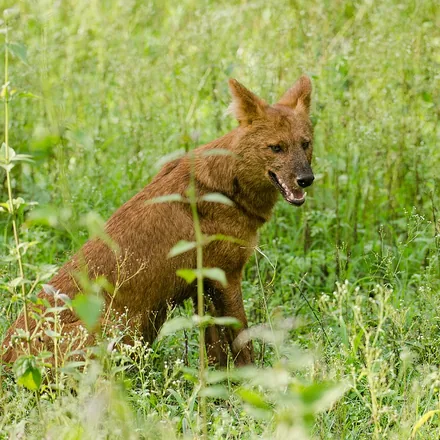
Dhole (Asiatic Wild Dog) Occasional Endangered
Cuon alpinus
A russet red pack hunter that whistles to coordinate the chase, one of Asia's most endangered predators.
Where: Grassland and track edges. Best: Nov-Apr, early morning, best Feb-Apr.
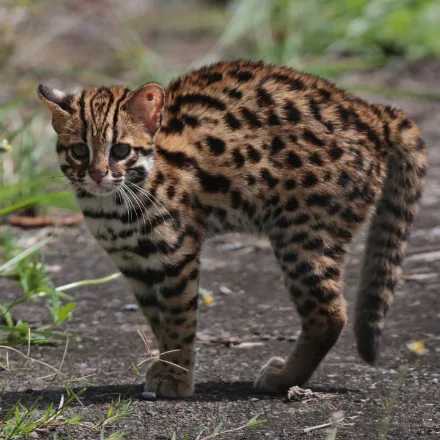
Leopard Cat Occasional
Prionailurus bengalensis
A house-cat-sized hunter dressed like a miniature leopard, the most widespread small cat in Asia.
Where: Grassland margins on the drive out after dark. Best: Year round, night.
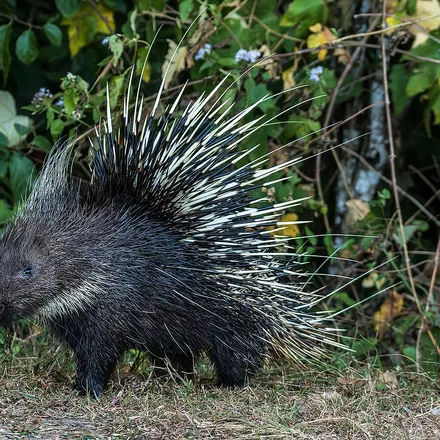
Malayan Porcupine Occasional
Hystrix brachyura
A large, ground-dwelling porcupine that rattles a crown of black-and-white quills when threatened.
Where: Track edges after dark. Best: Year round, night.
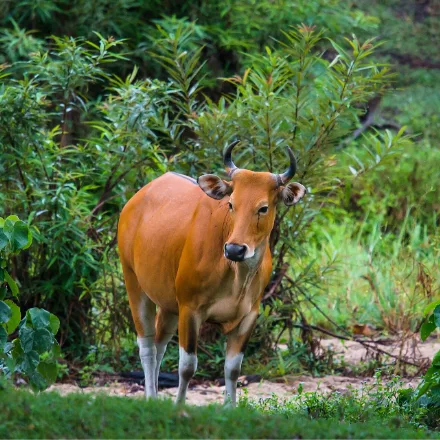
Banteng Rare Endangered
Bos javanicus
A sleek wild ox with a white rump patch and white stockings, far rarer and more elegant than the domestic cattle it resembles.
Where: Remote grassland on the western side of the park. Best: Nov-Apr, dusk, best Mar-Apr. Far scarcer than gaur and easily confused with it at distance.
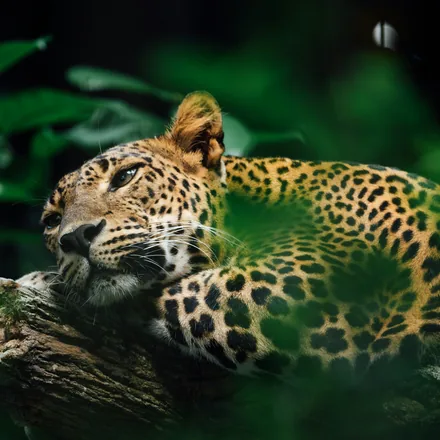
Leopard (incl. Black Panther) Rare Vulnerable
Panthera pardus
A big cat that is unusually often born jet black, prowling as the fabled black panther.
Where: Forest edges along the park tracks. Best: Nov-Apr, dawn and dusk, best Feb-Apr.
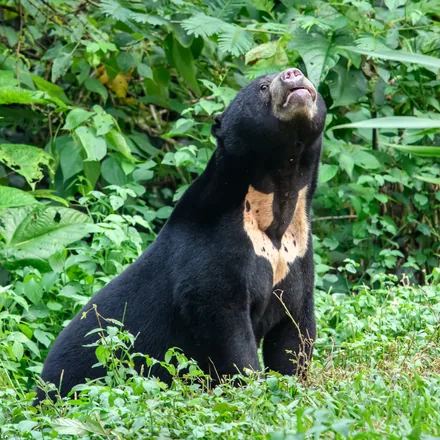
Sun Bear Rare Vulnerable
Helarctos malayanus
The world's smallest bear, with a golden chest crescent and a tongue long enough to raid a bee's nest.
Where: Forested slopes above the grassland. Best: Year round, dawn and dusk.
Birds
5 species
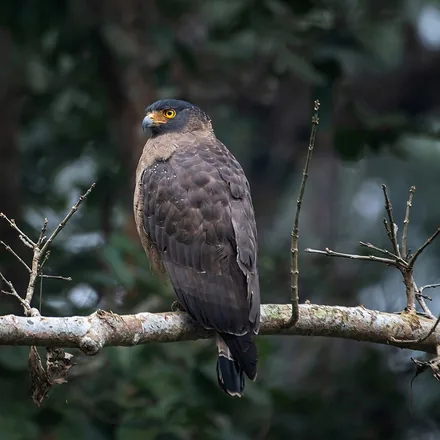
Crested Serpent Eagle Common
Spilornis cheela
A snake-hunting eagle that circles the forest on broad wings, calling with a far-carrying, wailing whistle.
Where: Perched over the tracks and grassland. Best: Year round, day.
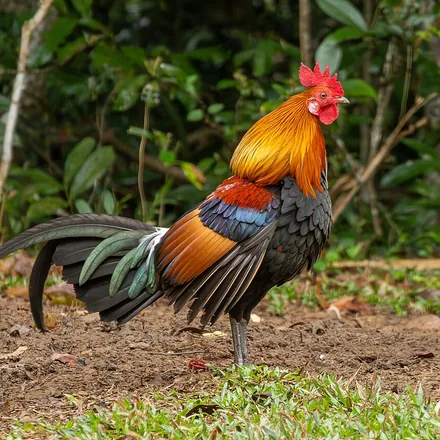
Red Junglefowl Common
Gallus gallus
The wild ancestor of every chicken on Earth, a wary, glossy rooster of the forest edge.
Where: Track edges and scrub. Best: Year round, day.
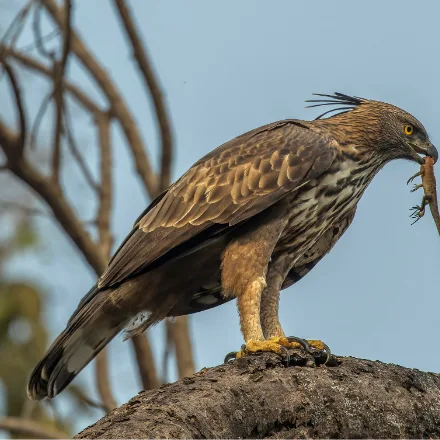
Changeable Hawk-eagle Regular
Nisaetus cirrhatus
A powerful forest eagle that comes in pale and dark forms, ambushing prey with a fast strike from the canopy.
Where: Emergent trees at the forest edge. Best: Year round, day.
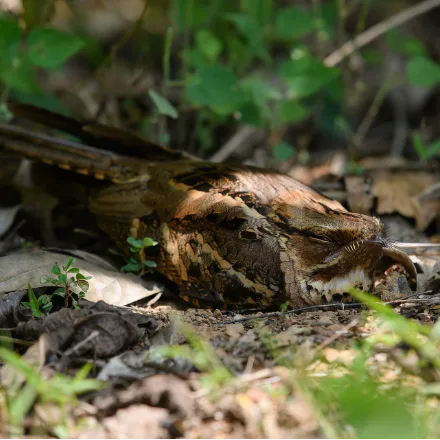
Large-tailed Nightjar Regular
Caprimulgus macrurus
A cryptic dusk-hunter whose loud, repeated chonk chonk call sounds like an axe striking wood across the clearing.
Where: On the track surface on the drive out. Best: Year round, after dusk.
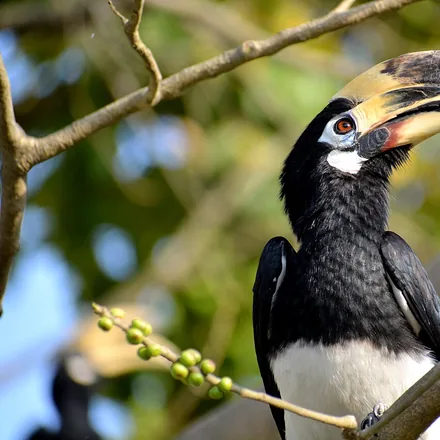
Oriental Pied Hornbill Regular
Anthracoceros albirostris
The most approachable hornbill in Asia, a black and white charmer that even visits gardens and forest edges.
Where: Fruiting trees near the park entrance. Best: Year round, morning.
Insects
4 species
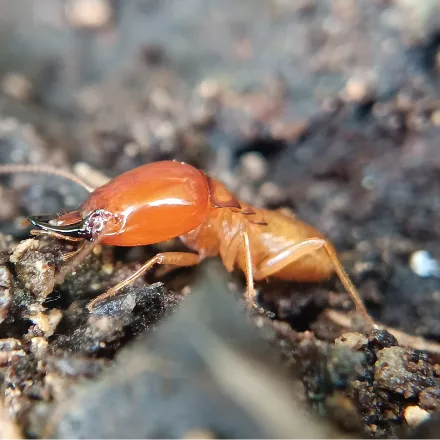
Mound-building Termite Common
Macrotermes gilvus
Farms fungus in underground gardens and air-conditions the whole mound passively, holding it within a degree of target year round.
Where: Mounds throughout the dry forest. Best: Year round, day.
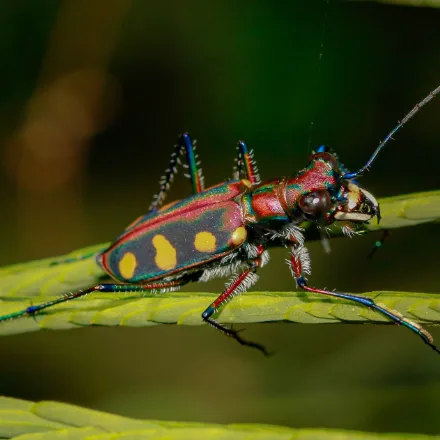
Blue-spotted Tiger Beetle Regular
Cicindela aurulenta
Runs so fast it goes temporarily blind, and has to stop to work out where its prey went.
Where: Bare track surface in sunlight. Best: Year round, day.
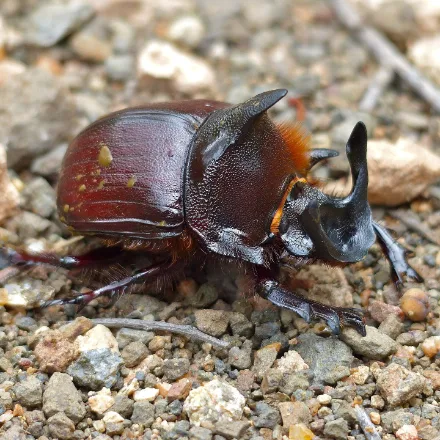
Giant Dung Beetle Occasional
Heliocopris bucephalus
Arrives at fresh elephant dung within minutes, and buries a ball of it half a metre down before dawn.
Where: Elephant dung on the tracks. Best: May-Oct. A good sign you are in the right valley.
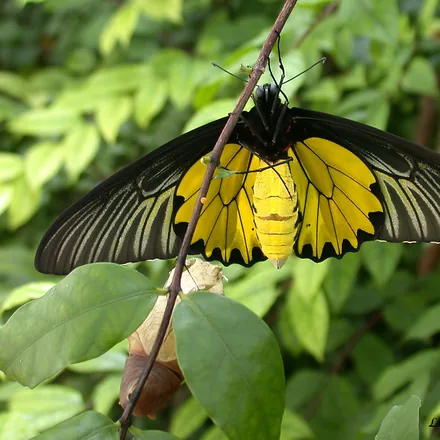
Golden Birdwing Occasional
Troides aeacus
A huge butterfly with black forewings and blazing golden hindwings, sailing high along the forest edge.
Where: Flowering edges near the entrance. Best: Feb-May, sunny mornings.
Planning and responsible watching
The park runs the wildlife route with its own rangers and vehicles from mid-afternoon, and you must book at the visitor centre rather than turning up at dusk. Bring binoculars: elephants are close, but gaur and banteng are usually across a valley. The drive out after dark is when leopard cat, porcupine and nightjar appear on the track, so do not pack the camera away. Never leave the vehicle near elephants, never let the driver push closer for a photograph, and remember that these herds live alongside pineapple farms, so keeping them wary of people is part of keeping them alive.
Find Kui Buri elephant safaris and Hua Hin day trips
Some links on this page are affiliate links. If you book through them, Wildseer may earn a small commission at no extra cost to you.
Frequently asked questions
Is Kui Buri the best place to see wild elephants in Thailand?
Yes, on current records. Sightings on the afternoon ranger route are close to routine from November to April, which is not true anywhere else in the country.
What else can you see at Kui Buri?
Gaur regularly, sambar, muntjac and wild boar most evenings, plus banteng, dhole and leopard as rare bonuses. Hornbills and a serpent eagle are usual near the entrance.
When should you go to Kui Buri?
November to April, arriving for the mid-afternoon departure. March and April are the peak, because the waterholes shrink and the animals concentrate.
How far is Kui Buri from Hua Hin?
Close enough for an afternoon trip, which is how most visitors do it. The route runs late in the day, so plan on returning after dark.
Explore Thailand wildlife by group
- Mammals of Thailand
- Birds of Thailand
- Reptiles and Amphibians of Thailand
- Fish of Thailand
- Sharks and Rays of Thailand
- Reef Invertebrates of Thailand
- Insects and Spiders of Thailand
Part of the Wildlife in Thailand guide.
Explore Thailand wildlife by place
Image credits
image credits
- Asian elephant: Shadow Ayush | CC BY-SA 4.0
- gaur: Charles J. Sharp | CC BY-SA 4.0
- Banteng: Rushen | CC BY-SA 2.0
- dhole: Srikaanth Sekar from Chennai, India | CC BY-SA 2.0
- Oriental Pied Hornbill: Sipuwildlife | CC BY-SA 4.0
- Asian Elephant: Shadow Ayush | CC BY-SA 4.0
- Sambar Deer: Rushen | CC BY-SA 2.0
- Wild Boar: Charles J. Sharp | CC BY-SA 4.0
- Gaur: Charles J. Sharp | CC BY-SA 4.0
- Northern Red Muntjac: Dr. Raju Kasambe | CC BY-SA 4.0
- Dhole: Srikaanth Sekar | CC BY-SA 2.0
- Leopard Cat: Ian Dugdale | CC BY 4.0
- Malayan Porcupine: Wich'yanan L | CC BY 4.0
- Banteng: Rushen | CC BY-SA 2.0
- Leopard: chuttersnap | Unsplash License
- Sun Bear: Rushenb | CC BY-SA 4.0
- Crested Serpent Eagle: Mildeep | CC BY-SA 4.0
- Red Junglefowl: dhfischer | CC BY 4.0
- Changeable Hawk-eagle: Charles J. Sharp | CC BY-SA 4.0
- Large-tailed Nightjar: Rushen | CC BY-SA 2.0
- Oriental Pied Hornbill: Sipuwildlife | CC BY-SA 4.0
- Mound-building Termite: Mark Bulahao | CC BY 4.0
- Blue-spotted Tiger Beetle: Noah Kirkland | CC BY 4.0
- Giant Dung Beetle: Holger Krisp | CC BY 4.0
- Golden Birdwing: Len Worthington | CC BY-SA 2.0