
[HERO IMAGE: replace this block with an Image block, class ws-hero, alignment None]
Almost everything worth seeing on a Thai reef lives in the top five metres, which is why snorkelling here is not the poor relation of diving. Turtles feed on the shallow flats, blacktip reef sharks patrol water barely deeper than you are tall, and the anemone fish, parrotfish and giant clams are all easier to watch without a tank than with one.
This page lists what the guide records at each snorkelling coast, with the month and an honest read on your chances. It leaves out the animals that genuinely need depth, because there is no point promising a hammerhead to somebody floating on the surface. The one thing worth planning around is the calendar: the Andaman and the Gulf run opposite seasons, so there is good water somewhere in Thailand in almost any month.
Highlights
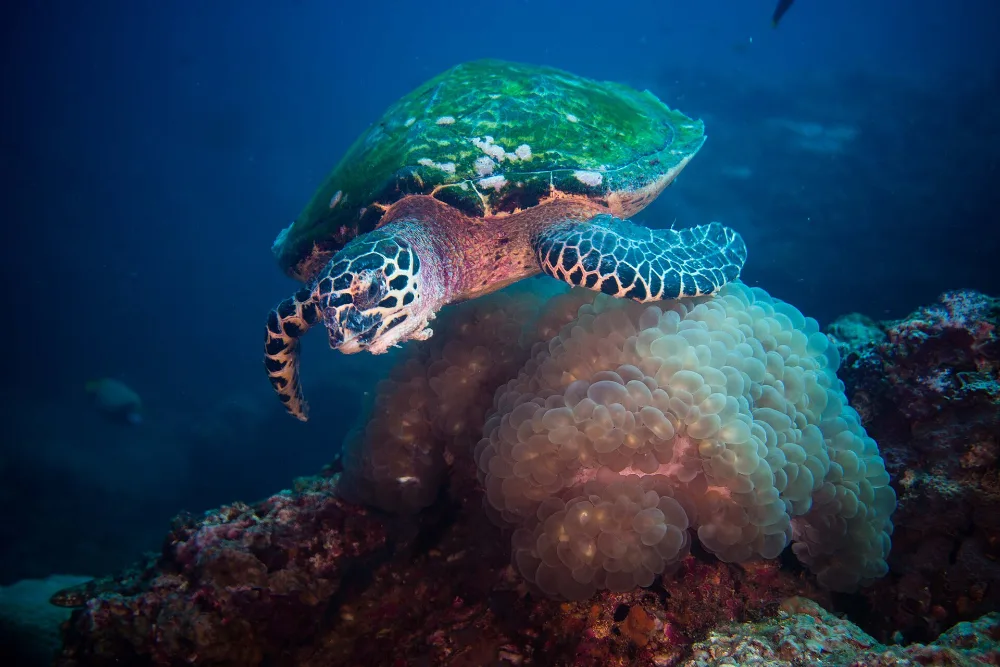
Hawksbill Turtle
The reef's sponge specialist, its beautiful shell also the reason it was hunted to the edge. Where: Coral bommies at Bida Nok. Best: Nov-Apr.
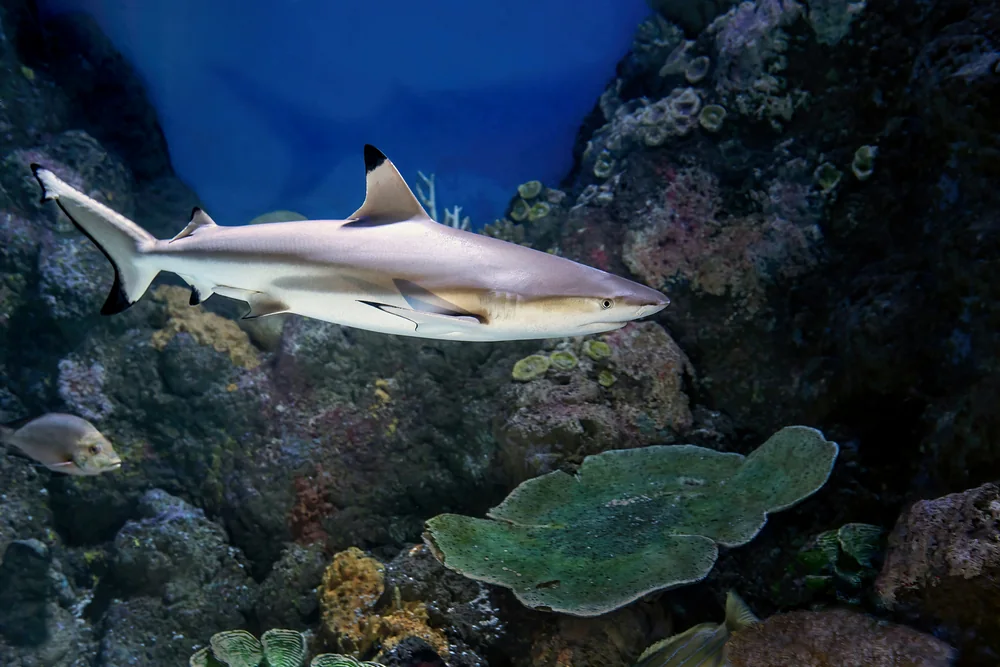
Blacktip Reef Shark
The neat little reef shark of the shallows, its black-tipped fins often cutting the surface over sun-lit sand flats. Where: Shallow reef flats at Maya Bay and around Koh Phi Phi Ley. Best: Nov-Apr, early morning, best Dec-Mar.
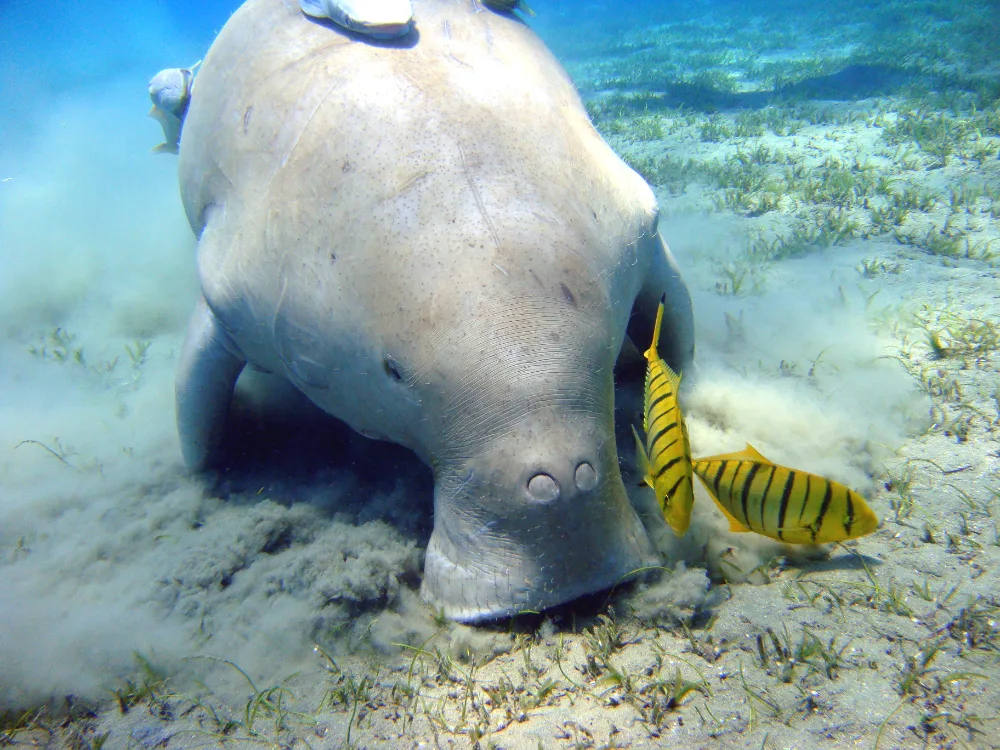
Dugong
The gentle sea cow said to have inspired mermaid legends, grazing seagrass meadows in warm shallow seas. Where: Seagrass meadows off Koh Libong, from a longtail at high tide. Best: Dec-Apr, calm mornings on a spring tide.
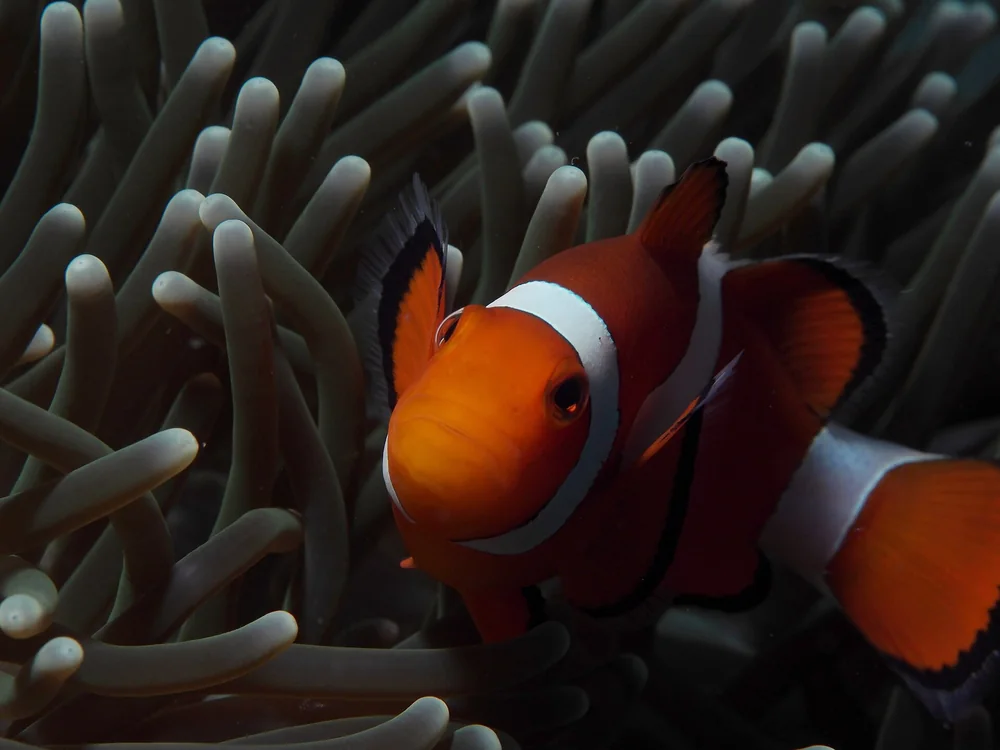
False Clownfish (Clown Anemonefish)
The famous orange and white anemonefish, immune to the stinging tentacles that shelter it and every group ruled by a single dominant female. Where: Anemones on the shallow reef. Best: Nov-Apr.
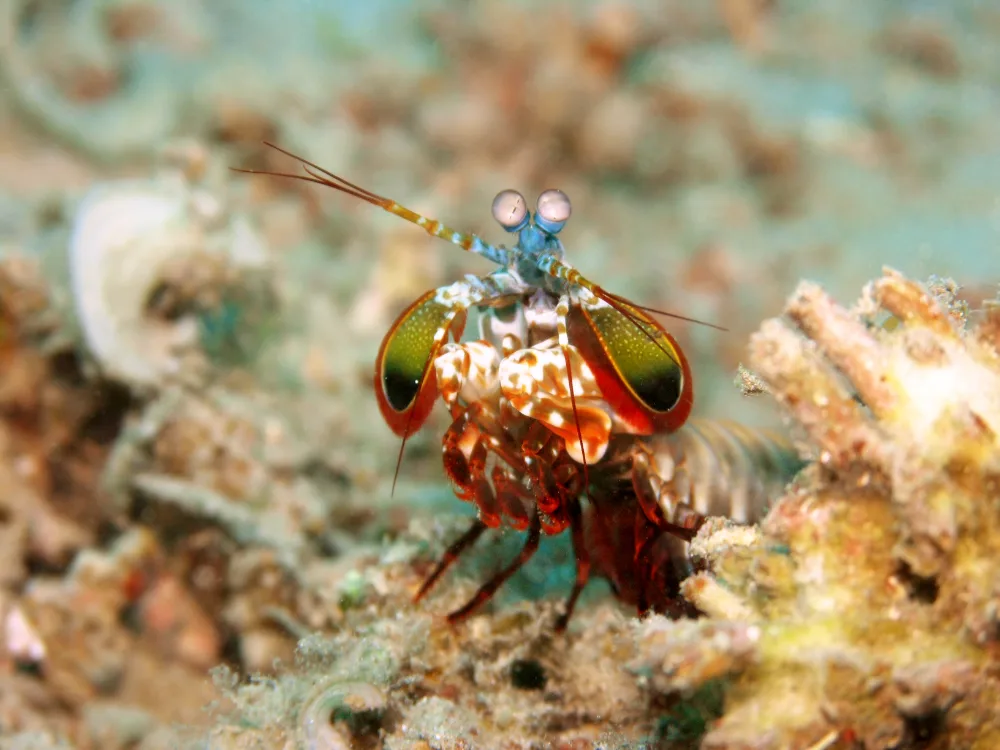
Peacock Mantis Shrimp
A jewel-coloured reef brawler that punches with the speed of a bullet and sees the world in colours we cannot imagine. Where: Sand and rubble burrows at Anita's Reef. Best: Nov-Apr.
Koh Phi Phi and the Andaman islands
The most snorkelled water in Thailand, and still good if you get away from the day-trip crowds and swim early. Shallow, sheltered and warm, with blacktip reef sharks in water so shallow their fins break the surface.
9 of 42 recorded species
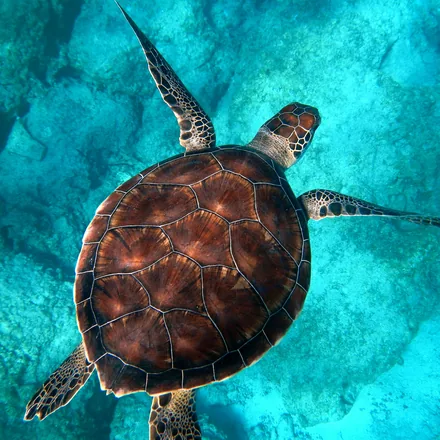
Green Sea Turtle Regular Endangered
Chelonia mydas
The great grazing turtle of the tropics, the only sea turtle that turns vegetarian as an adult.
Where: Shallow reef and seagrass around Phi Phi Don. Best: Nov-Apr, nesting Nov-Feb.
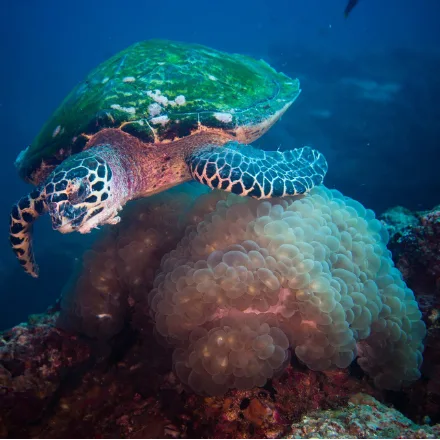
Hawksbill Turtle Occasional Critically Endangered
Eretmochelys imbricata
The reef's sponge specialist, its beautiful shell also the reason it was hunted to the edge.
Where: Coral bommies at Bida Nok. Best: Nov-Apr.
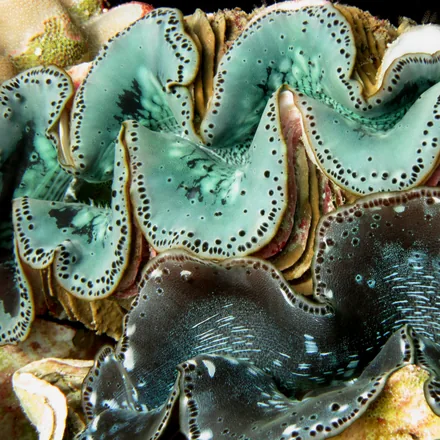
Giant Clam Occasional Critically Endangered
Tridacna gigas
The largest shellfish on Earth, a metre-wide clam that farms algae in its own rippling, jewel-coloured flesh.
Where: Shallow reef tops. Best: Nov-Apr.
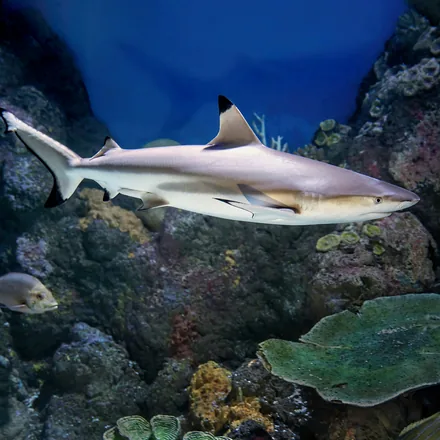
Blacktip Reef Shark Common Vulnerable
Carcharhinus melanopterus
The neat little reef shark of the shallows, its black-tipped fins often cutting the surface over sun-lit sand flats.
Where: Shallow reef flats at Maya Bay and around Koh Phi Phi Ley. Best: Nov-Apr, early morning, best Dec-Mar. Maya Bay's shark nursery is the most reliable shark snorkel in Thailand. Go at opening time.
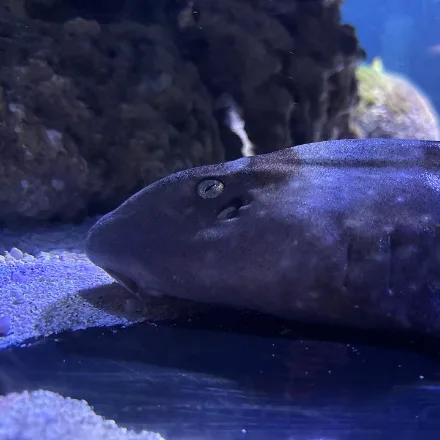
Whitespotted Bamboo Shark Occasional Endangered
Chiloscyllium plagiosum
A small, slow shark that walks along the bottom on its fins and can survive hours in a tide pool with almost no oxygen.
Where: Under ledges at night. Best: Nov-Apr, night dives.
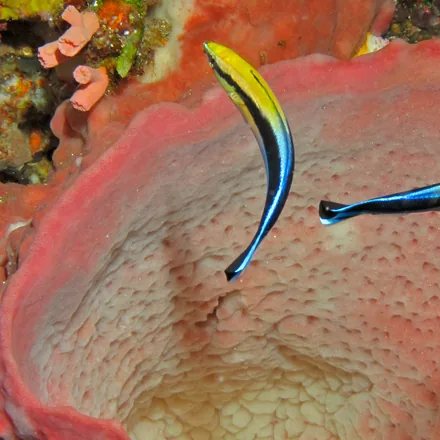
Bluestreak Cleaner Wrasse Common
Labroides dimidiatus
A tiny striped wrasse that runs the reef's health clinic, picking parasites from fish that queue up and even open their mouths for it.
Where: Cleaning stations throughout. Best: Nov-Apr.
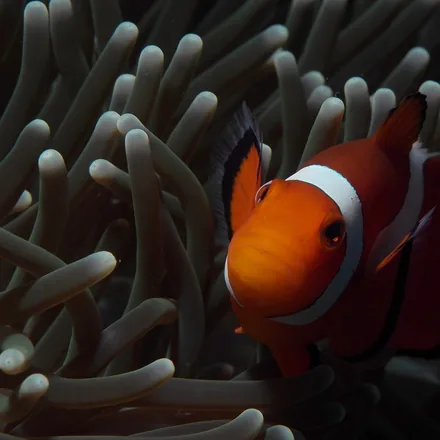
False Clownfish (Clown Anemonefish) Common
Amphiprion ocellaris
The famous orange and white anemonefish, immune to the stinging tentacles that shelter it and every group ruled by a single dominant female.
Where: Anemones on the shallow reef. Best: Nov-Apr.
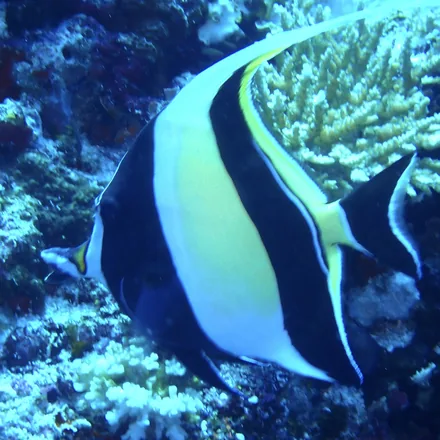
Moorish Idol Common
Zanclus cornutus
An unmistakable disc of black, white and gold trailing a long ribbon fin, one of the most elegant fish on any reef.
Where: Reef throughout. Best: Nov-Apr.
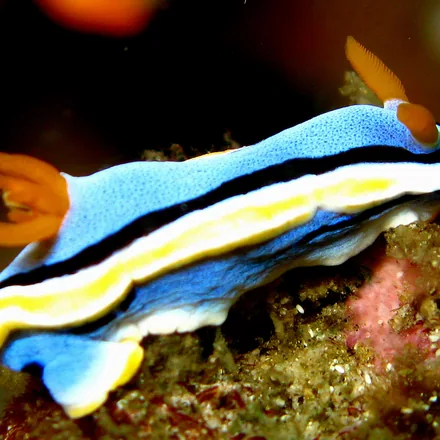
Chromodoris Nudibranch Regular
Chromodoris species
A tiny sea slug in outrageous colours that borrows toxins from the sponges it eats and flaunts them as a warning.
Where: Sponges on the walls. Best: Nov-Apr.
See all 42 species recorded at Koh Phi Phi and the Andaman islands
Similan Islands
Better known for diving, but the granite boulders drop into clear shallow reef and the day boats from Khao Lak put you straight over it. The clearest water of any Thai snorkelling and the widest reef fish list on this page.
8 of 57 recorded species
Green Sea Turtle Regular Endangered
Chelonia mydas
The great grazing turtle of the tropics, the only sea turtle that turns vegetarian as an adult.
Where: Seagrass and shallow reef at Donald Duck Bay and Anita's Reef. Best: Nov-Apr, nesting Nov-Feb.
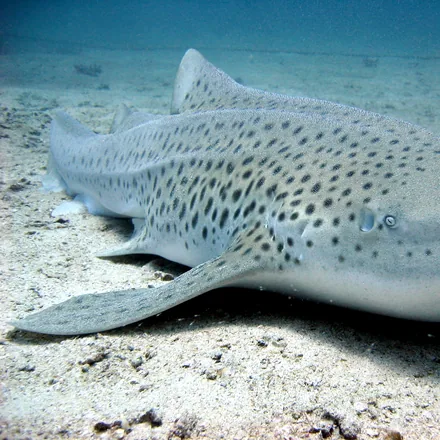
Zebra Shark (Leopard Shark) Regular Endangered
Stegostoma tigrinum
A gentle, spotted shark that lies on the sand like a giant lazy cat, striped as a pup and spotted as an adult.
Where: Sandy patches at East of Eden, Anita's Reef and Elephant Head Rock. Best: Nov-Apr, morning dives, best Dec-Mar. Rests on sand in the open; approach slowly from the side and it will usually stay.
Hawksbill Turtle Occasional Critically Endangered
Eretmochelys imbricata
The reef's sponge specialist, its beautiful shell also the reason it was hunted to the edge.
Where: Coral bommies and sponge-covered walls throughout. Best: Nov-Apr.
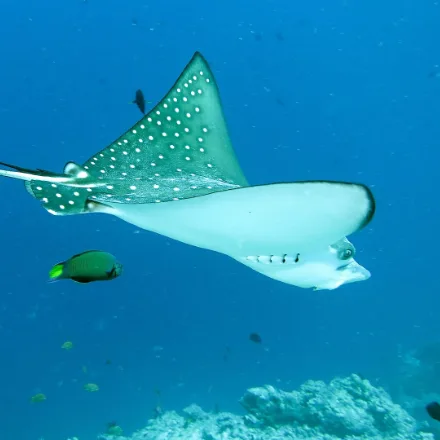
Ocellated Eagle Ray Occasional Endangered
Aetobatus ocellatus
A dramatic ray that flies through open water on wings spangled with white spots, trailing a whip-like venomous tail.
Where: Drop-offs at Koh Bon and Christmas Point. Best: Nov-Apr, more frequent Feb-Apr. Usually passing in open water; look out into the blue on every safety stop.
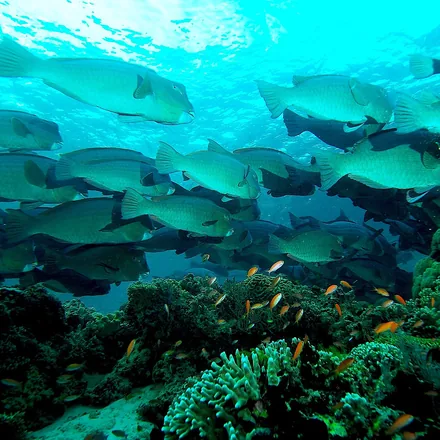
Bumphead Parrotfish Occasional Vulnerable
Bolbometopon muricatum
A hulking, bull-headed parrotfish that rams and bites living coral, turning reef rock into the white sand of tropical beaches.
Where: Reef tops at dawn on the outer islands. Best: Nov-Apr, first dive of the day. Best on the first dive of the day, before the schools break up.
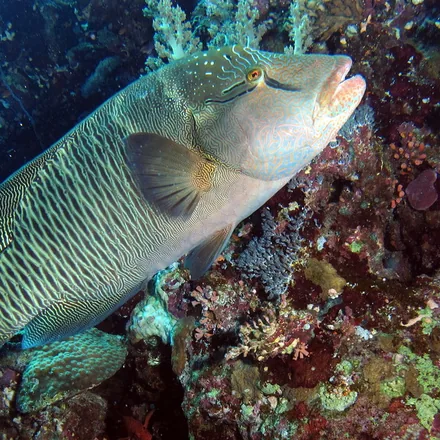
Humphead Wrasse (Napoleon Wrasse) Rare Endangered
Cheilinus undulatus
A giant, curious reef fish with thick lips and a bulging forehead, able to crunch prey that few other animals can eat.
Where: Outer reef slopes at Koh Bon and Christmas Point. Best: Nov-Apr, best in calm Feb-Apr water. Large individuals are curious and will follow a diver.
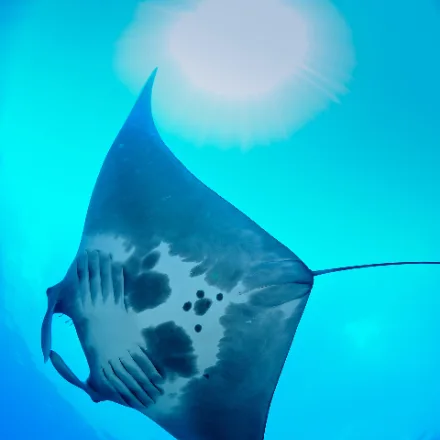
Reef Manta Ray Occasional Vulnerable
Mobula alfredi
A four metre wingspan gliding overhead in slow, hypnotic loops that leave divers grinning for days.
Where: Koh Bon and Koh Tachai. Best: Feb-Apr, occasional from Jan.
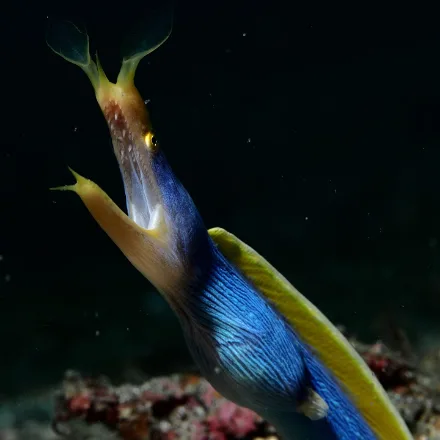
Ribbon Eel Occasional
Rhinomuraena quaesita
A ribbon of electric blue and yellow that sways from a hole in the sand, and remarkably changes sex and colour as it grows.
Where: Sand and rubble margins at Anita's Reef. Best: Nov-Apr. Blue adults and black juveniles occupy the same burrows for months.
See all 57 species recorded at Similan Islands
Koh Samui and the Gulf islands
The answer when the Andaman is closed. Shallower and siltier than the west coast, and the reason to come is the sheer amount of small life on the granite: nudibranchs, cuttlefish and anemone fish, with a real chance of a turtle.
9 of 46 recorded species
Green Sea Turtle Regular Endangered
Chelonia mydas
The great grazing turtle of the tropics, the only sea turtle that turns vegetarian as an adult.
Where: Seagrass and shallow reef around Koh Tao and the Ang Thong islands. Best: Feb-Sep, best Apr-Aug.
Blacktip Reef Shark Common Vulnerable
Carcharhinus melanopterus
The neat little reef shark of the shallows, its black-tipped fins often cutting the surface over sun-lit sand flats.
Where: Shark Bay on Koh Tao and shallow reef flats. Best: Year round, best Feb-Sep. Shark Bay is a snorkel, not a dive, and the sharks are there most mornings.
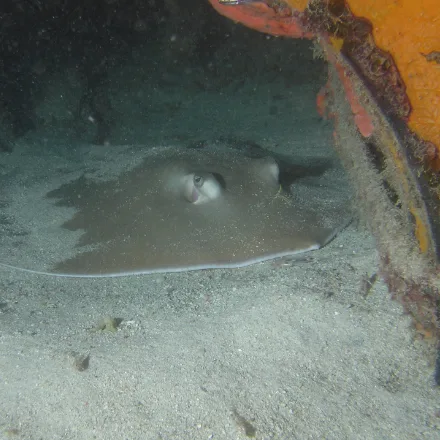
Jenkins Whipray Occasional Vulnerable
Pateobatis jenkinsii
A big sand-flat ray with a ridge of enlarged thorns down its spine and a tail twice the length of its body.
Where: Sand flats between coral heads. Best: Year round, best Feb-Sep.
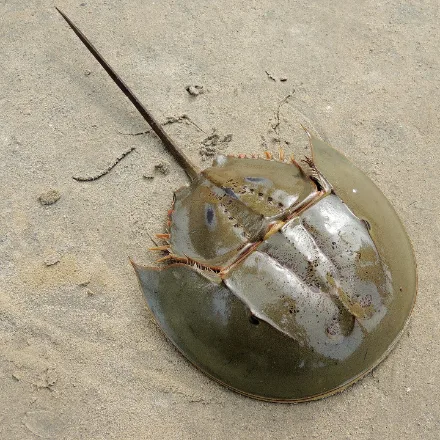
Indo-Pacific Horseshoe Crab Rare Endangered
Tachypleus gigas
Not a crab at all, closer to a spider, and its blue blood is used worldwide to test every injectable drug for contamination.
Where: Muddy shores on spring tides. Best: Around the full and new moon.
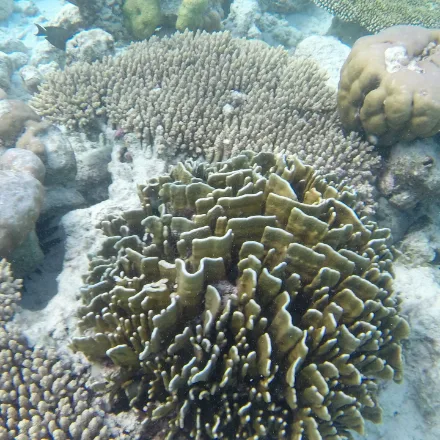
Blue Coral Occasional Vulnerable
Heliopora coerulea
The only coral on earth with a blue skeleton, hidden under brown tissue until the animal dies.
Where: Shallow high-energy reef. Best: Year round, best Feb-Sep.
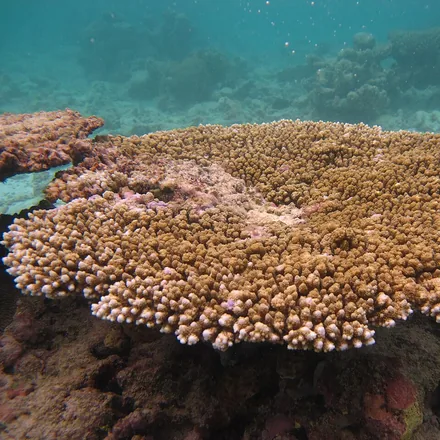
Table Coral Common Near Threatened
Acropora hyacinthus
Grows outward faster than it grows up, spreading a flat platform that shades out every competitor beneath it.
Where: Shallow reef around Koh Tao. Best: Year round, best Feb-Sep.
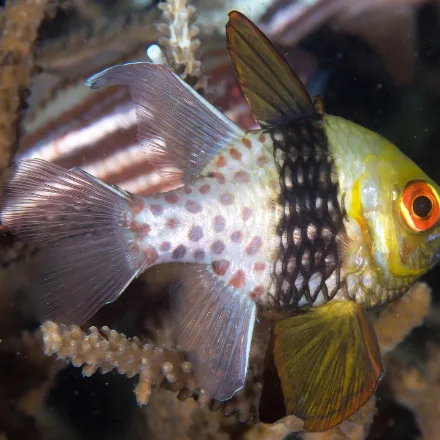
Pyjama Cardinalfish Regular
Sphaeramia nematoptera
Looks like three different fish stitched together, and the male holds the whole clutch of eggs in his mouth for a week.
Where: Branching coral in the shallows. Best: Year round, best Feb-Sep.
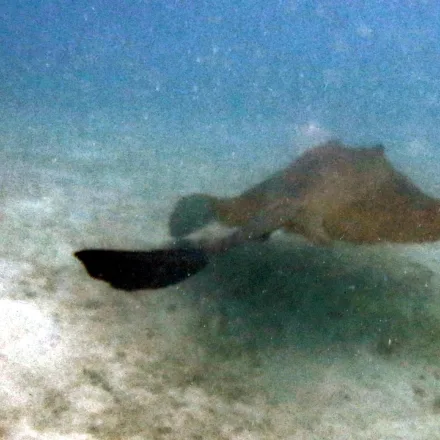
Cowtail Stingray Occasional Vulnerable
Pastinachus sephen
Named for the broad flap of skin hanging under its tail like a cow's tail, unique among rays.
Where: Sandy shallows and seagrass. Best: Year round, best Feb-Sep.
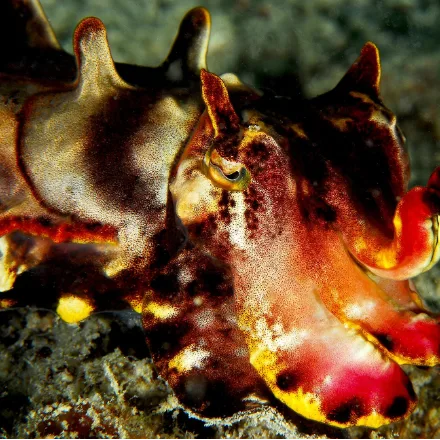
Flamboyant Cuttlefish Rare
Metasepia pfefferi
The only cuttlefish known to be poisonous to eat, and it advertises the fact in pulsing purple, yellow and red.
Where: Silty sand on muck dives. Best: Feb-Sep, muck sites.
See all 46 species recorded at Koh Samui and the Gulf islands
Trang, Koh Libong and the seagrass
The one place on this list you would come to for a single animal. The seagrass beds off Koh Libong hold the largest dugong population left in Thailand, and they are grazed in water shallow enough to watch from the surface. Quiet, unfashionable and the most interesting snorkelling in the country.
7 of 25 recorded species
Green Sea Turtle Regular Endangered
Chelonia mydas
The great grazing turtle of the tropics, the only sea turtle that turns vegetarian as an adult.
Where: Seagrass meadows around Koh Libong and Koh Muk. Best: Nov-Apr, best Dec-Mar on the seagrass.
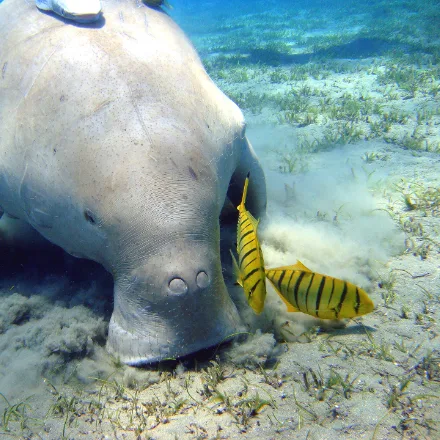
Dugong Occasional Vulnerable
Dugong dugon
The gentle sea cow said to have inspired mermaid legends, grazing seagrass meadows in warm shallow seas.
Where: Seagrass meadows off Koh Libong, from a longtail at high tide. Best: Dec-Apr, calm mornings on a spring tide. Thailand's most important dugong population. Local boatmen at Koh Libong know the feeding trails.
Blacktip Reef Shark Common Vulnerable
Carcharhinus melanopterus
The neat little reef shark of the shallows, its black-tipped fins often cutting the surface over sun-lit sand flats.
Where: Shallow reef flats around the islands. Best: Nov-Apr. Often visible from the surface on a snorkel in knee-deep water.
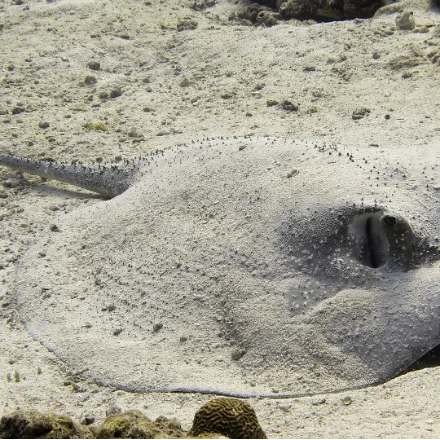
Porcupine Ray Rare Vulnerable
Urogymnus asperrimus
The only large stingray with no sting at all, protected instead by a hide of blunt thorns.
Where: Sand flats near seagrass. Best: Nov-Apr.
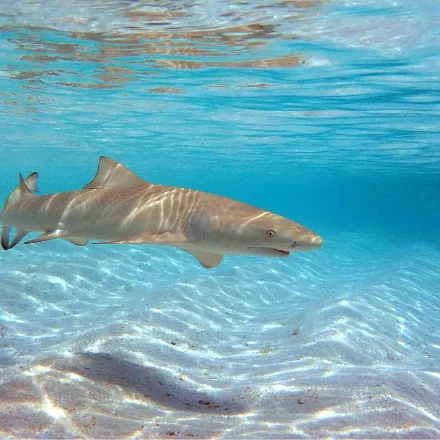
Sicklefin Lemon Shark Rare Endangered
Negaprion acutidens
A heavy, yellow-brown shark that uses mangrove shallows as a nursery and barely moves out of them for the first years of life.
Where: Sandy shallows and mangrove edges. Best: Nov-Apr.
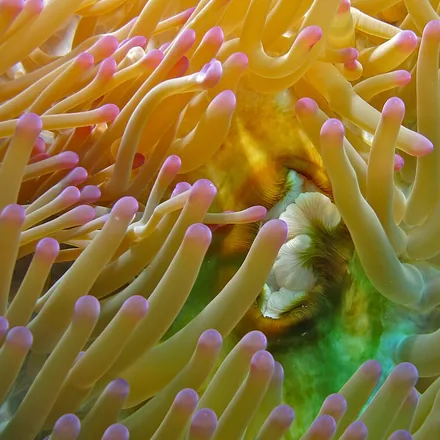
Magnificent Sea Anemone Common
Heteractis magnifica
A great carpet of stinging tentacles that is home and fortress to the anemonefish, a partnership at the heart of the reef.
Where: Shallow reef. Best: Nov-Apr.
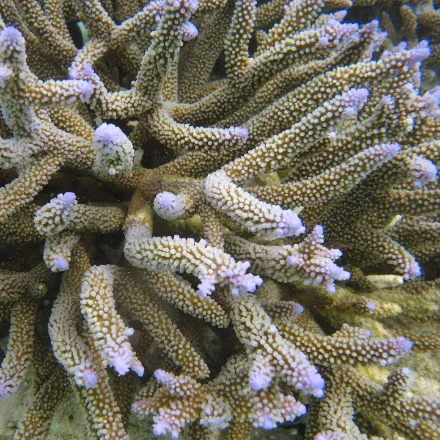
Staghorn Coral Common
Acropora species
The fast-growing branching coral that builds the living thickets of the reef, nursery and shelter for a whole community.
Where: Shallow reef flats. Best: Nov-Apr.
Planning and responsible watching
Andaman snorkelling runs from November to April and the Gulf from May to September, so check which coast is in season before booking anything. Go early: the day boats arrive mid-morning and the water is calmest and emptiest before them. Wear a rash vest rather than sunscreen over reef, because the chemicals in most sunscreens damage coral and several Thai parks now ban them outright. Never stand on coral, never touch or chase a turtle, and keep well back from dugongs, which abandon a feeding ground if they are crowded. Choose an operator who briefs this properly and does not feed fish to gather them for photographs.
Find snorkelling trips and island day tours in Thailand
Some links on this page are affiliate links. If you book through them, Wildseer may earn a small commission at no extra cost to you.
Frequently asked questions
Where is the best snorkelling in Thailand?
Koh Phi Phi and the Andaman islands for accessible reef and blacktip sharks, the Similans for the clearest water, the Gulf around Koh Samui when the west coast is closed, and Trang for dugongs on the seagrass.
Can you see turtles snorkelling in Thailand?
Yes. Hawksbill and green turtles both feed in shallow water and are among the more realistic sightings on this page, particularly in the Similans and around the Gulf islands.
Where can you see dugongs in Thailand?
The seagrass beds around Koh Libong in Trang province hold the largest remaining population. They graze in shallow water, so they are visible from the surface, but they are easily disturbed and numbers are falling.
Do you need to be a strong swimmer?
For most of these sites, no. The reef is shallow and sheltered and a buoyancy vest is normal on day trips. Currents matter more than depth, so listen to the briefing rather than judging by how calm it looks.
When is the best time to snorkel in Thailand?
November to April on the Andaman side and May to September in the Gulf. February to April is the best of the Andaman season for clear water and calm mornings.
Explore Thailand wildlife by group
Explore Thailand wildlife by place
Part of the Wildlife in Thailand guide.
Image credits
image credits
- hawksbill-turtle: Daniel Sasse | CC BY-SA 4.0
- Blacktip reef shark: David Clode | Unsplash License
- Dugong: Julien Willem | CC BY-SA 3.0
- False clownfish: Rickard Zerpe | CC BY-SA 2.0
- Peacock Mantis Shrimp: Jens Petersen | CC BY 2.5
- Green Sea Turtle: Randall Ruiz | Unsplash License
- Hawksbill Turtle: Daniel Sasse | CC BY-SA 4.0
- Giant Clam: NOAA | Unsplash License
- Blacktip Reef Shark: David Clode | Unsplash License
- Whitespotted Bamboo Shark: Bloopityboop | CC BY-SA 4.0
- Bluestreak Cleaner Wrasse: Bernard DUPONT | CC BY-SA 2.0
- False Clownfish: Rickard Zerpe | CC BY-SA 2.0
- Moorish Idol: Jean-Paul Boerekamps | CC0
- Chromodoris Nudibranch: Steve Childs | CC BY 2.0
- Zebra Shark: Sigmund | CC BY 2.0
- Ocellated Eagle Ray: Jerome Paillet (IFREMER) | CC BY 4.0
- Bumphead Parrotfish: Jenny from Taipei | CC BY 2.0
- Humphead Wrasse: Derek Keats | CC BY 2.0
- Reef Manta Ray: Rickard Zerpe | CC BY 2.0
- Ribbon Eel: Rickard Zerpe | CC BY-SA 2.0
- Jenkins Whipray: (c) Ditch Townsend, some rights reserved (CC BY-SA) | CC BY-SA 4.0
- Indo-Pacific Horseshoe Crab: Shubham Chatterjee | CC BY-SA 3.0
- Blue Coral: Frédéric Ducarme | CC BY-SA 4.0
- Table Coral: MDC Seamarc Maldives | CC BY-SA 4.0
- Pyjama Cardinalfish: Rickard Zerpe | CC BY 2.0
- Cowtail Stingray: Frédéric Ducarme | CC BY-SA 4.0
- Flamboyant Cuttlefish: Jenny (JennyHuang) from Taipei | CC BY 2.0
- Dugong: Julien Willem | CC BY-SA 3.0
- Porcupine Ray: Rucha Karkarey edited by JJ Harrison | CC BY-SA 4.0
- Sicklefin Lemon Shark: Julien Bidet | CC BY-SA 4.0
- Magnificent Sea Anemone: Bernard DUPONT | CC BY-SA 2.0
- Staghorn Coral: MDC Seamarc Maldives | CC BY-SA 4.0