
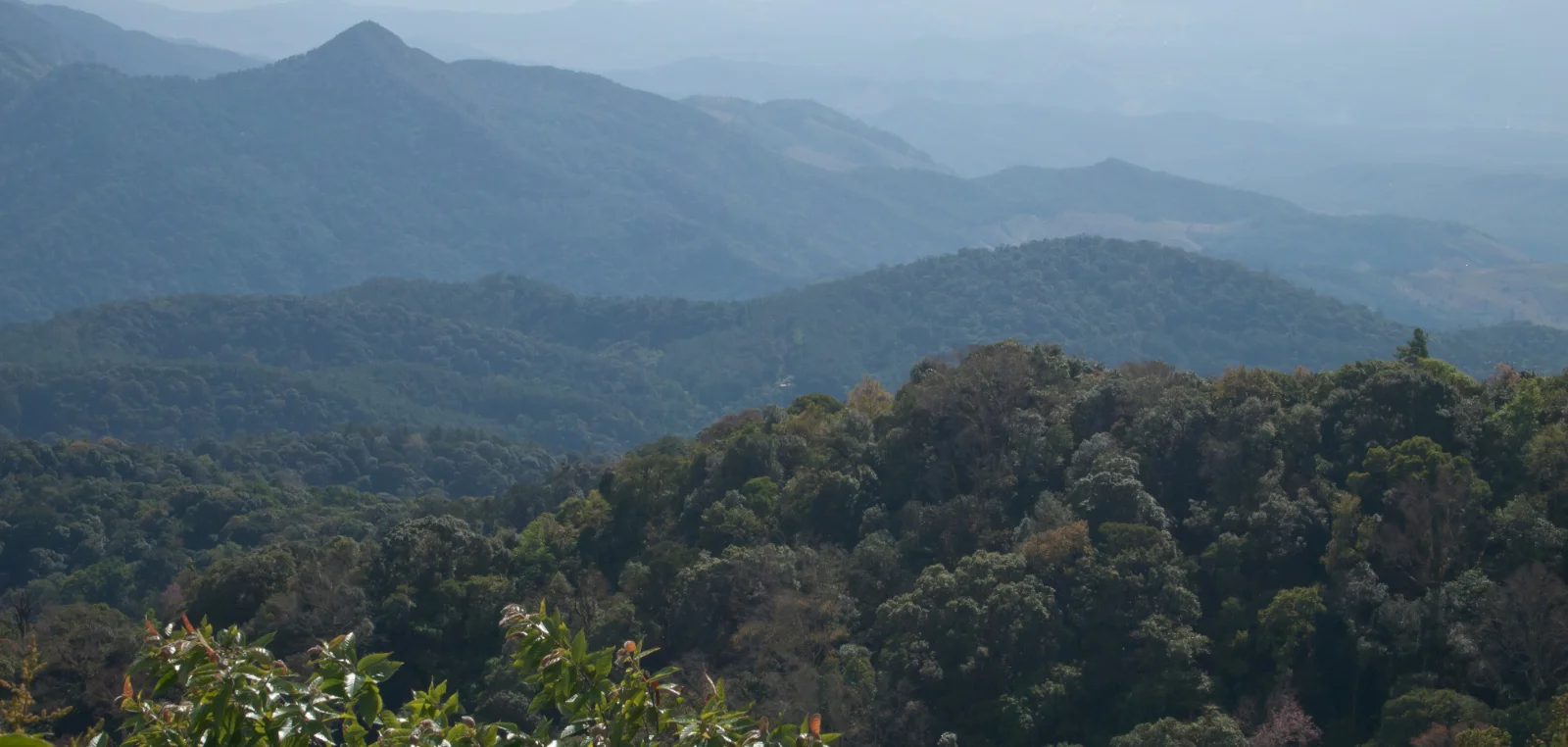
January is the best month of the year to be in northern Thailand with binoculars, and it is also the last clear one. The cool season has settled, the air is dry and genuinely cold at altitude, and from February the agricultural burning begins and the haze closes over the valleys until the rains break it in May. If you are choosing a month for the north, this is it, and the reason is as much about visibility as about the animals.
The altitude is what makes Chiang Mai different from anywhere else in Thailand. Doi Inthanon runs from lowland valley to 2,565 metres, and the summit holds a cloud forest of mossy rhododendron and tree ferns with a bird list that exists nowhere else in the country. In January that summit is genuinely cold at dawn, often single figures, and it is full of Himalayan species wintering at the southern edge of their range.
Highlights
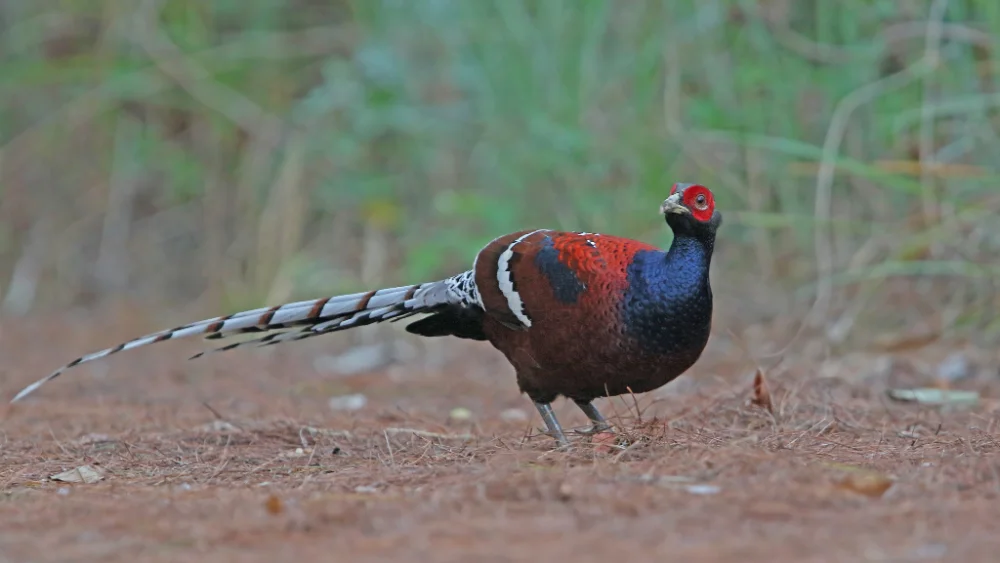
Mrs Hume's Pheasant
A long-tailed mountain pheasant so scarce in Thailand that most birders who look for it go home without one. Where: Quiet forest tracks on the higher Chiang Dao and Doi Inthanon slopes. Best: Nov-Mar, dawn.
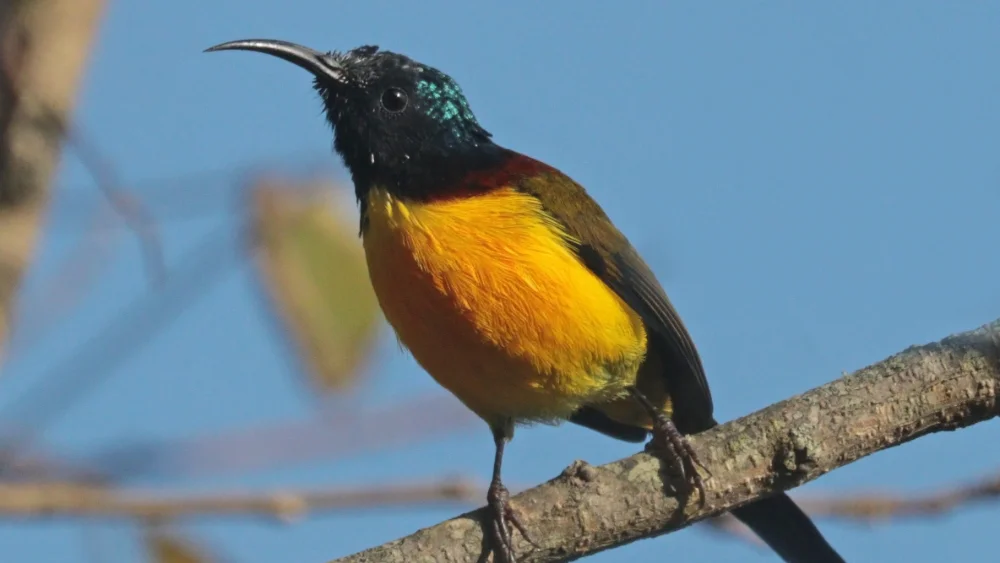
Green-tailed Sunbird
The bird of the summit, a metallic green and scarlet sunbird that feeds at rhododendrons in freezing mist at 2,500 m. Where: Flowering shrubs along the Ang Ka summit boardwalk on Doi Inthanon. Best: Nov-Feb, first three hours after dawn.
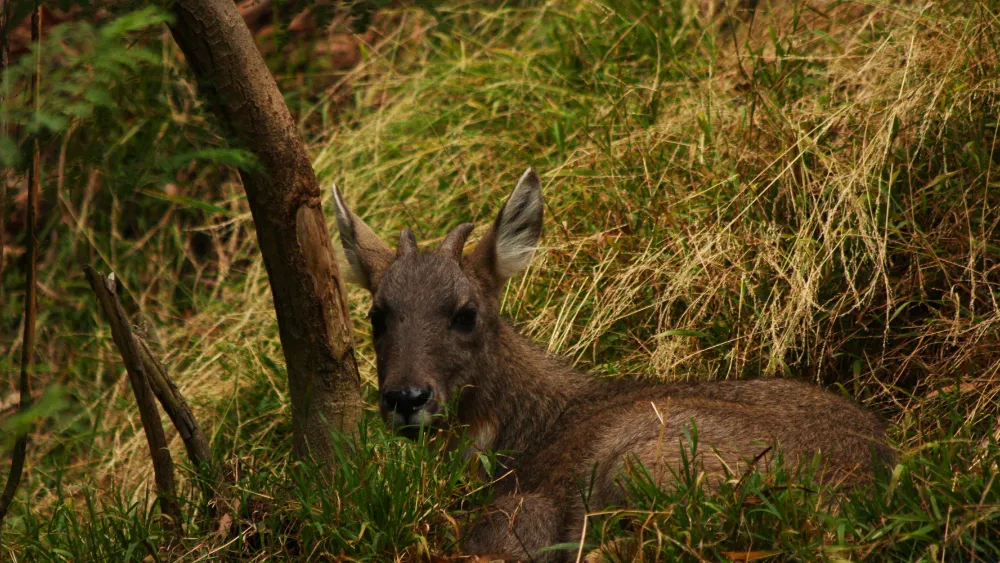
Chinese Goral
A small, nimble goat-antelope of northern mountain crags, blending grey against the rock it lives on. Where: The limestone cliffs and ridges of Doi Chiang Dao, scoped from the Den Ya Khat trail. Best: Nov-Feb, first and last light.
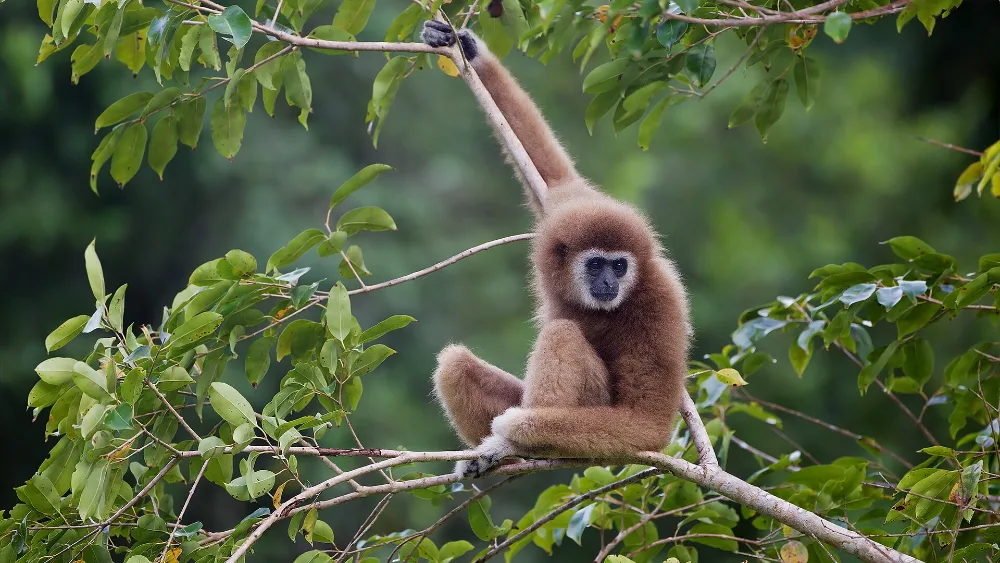
White-handed (Lar) Gibbon
You hear them before dawn even breaks, the whooping duet of gibbons that is the definitive soundtrack of Asian rainforest. Where: Tall evergreen forest above Km 34 on Doi Inthanon. Best: Year round, the first two hours after dawn.
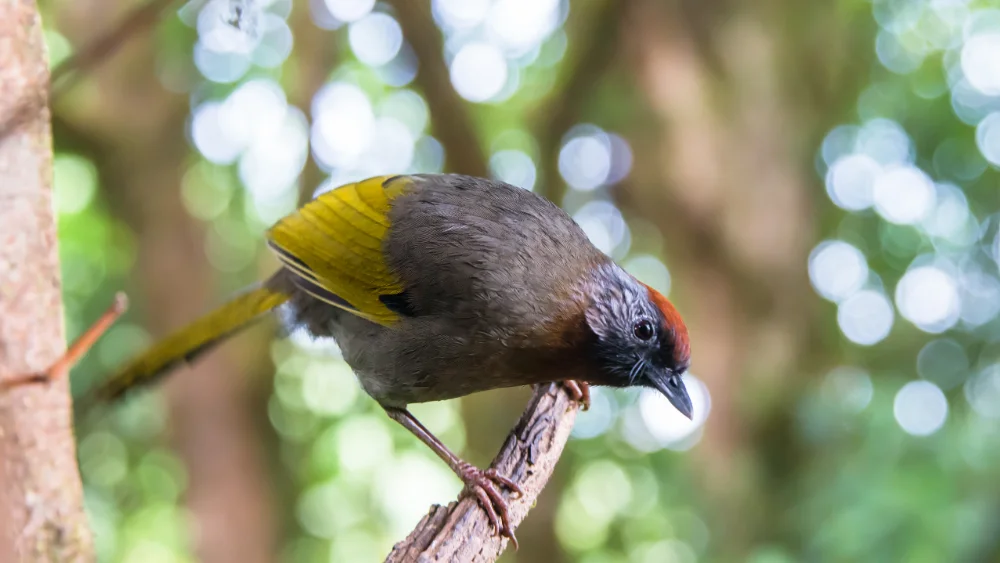
Silver-eared Laughingthrush
A gaudy orange and silver bird of the summit undergrowth, heard as a shrieking chorus long before anything is seen. Where: Undergrowth beside the Ang Ka boardwalk and around the summit checkpoint. Best: Year round, morning.
At its best in January
32 species
These are at their seasonal peak now. Two things drive the list. The montane specialities on Doi Inthanon are easiest in the cool months, when the summit boardwalk and the Kew Mae Pan trail are clear and the mixed feeding flocks are working the moss forest at close range. And the winter visitors are in, thrushes, warblers, flycatchers and buntings that spend the rest of the year much further north.
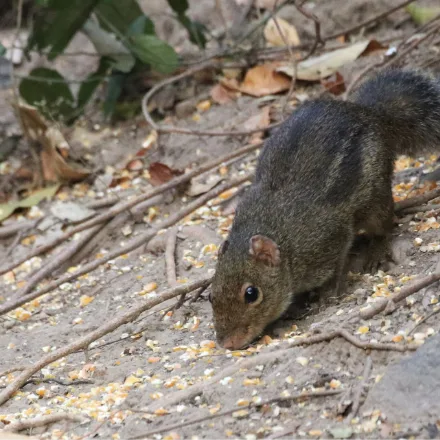
Indochinese Ground Squirrel Occasional
Menetes berdmorei
A ground-loving squirrel of open forest and field edges, striped along the flanks and rarely up a tree.
Where: Dry dipterocarp forest floor at Mae Ping. Best: Nov-Feb, morning.
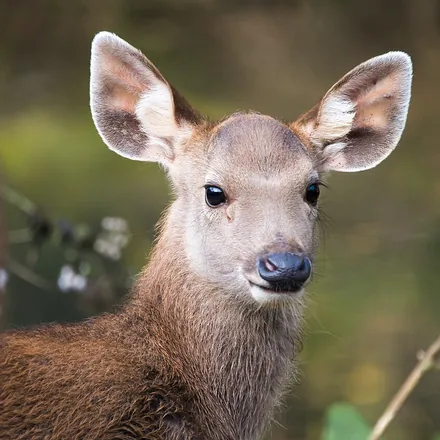
Sambar Deer Occasional Vulnerable
Rusa unicolor
Asia's largest deer, and often a park's most dependable big animal, with stags carrying rugged three tined antlers.
Where: Grassy clearings and salt licks at Mae Ping and Doi Chiang Dao. Best: Nov-Feb, dusk.
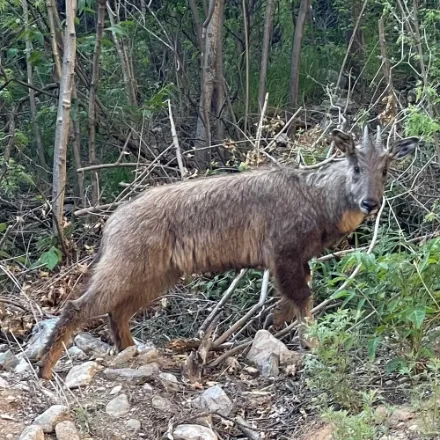
Chinese Goral Rare Vulnerable
Naemorhedus griseus
A small, nimble goat-antelope of northern mountain crags, blending grey against the rock it lives on.
Where: The limestone cliffs and ridges of Doi Chiang Dao, scoped from the Den Ya Khat trail. Best: Nov-Feb, first and last light. Doi Chiang Dao is the classic Thai site for this goat-antelope. Scan the crags rather than the forest.
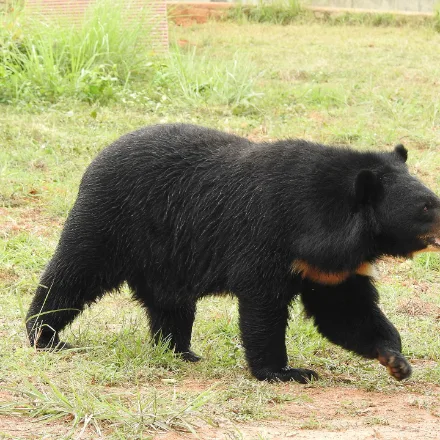
Asiatic Black Bear Very rare Vulnerable
Ursus thibetanus
The moon bear, bigger and shaggier than the sun bear, with a bold cream crescent across its chest.
Where: Hill forest of Doi Chiang Dao and the Doi Inthanon interior. Best: Nov-Feb, around fruiting trees. Present but almost never seen. Claw marks on trunks are the usual evidence.
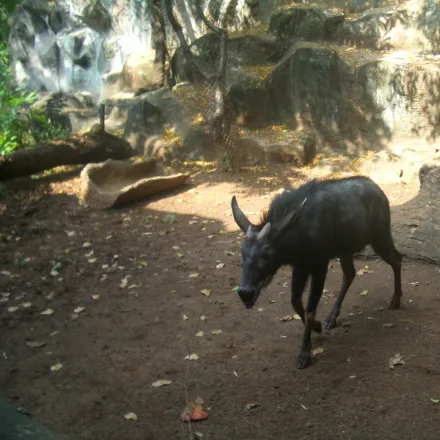
Mainland Serow Very rare Vulnerable
Capricornis sumatraensis
A shaggy, goat-like antelope of steep limestone cliffs, sure-footed on ground almost nothing else can climb.
Where: Steep limestone at Doi Chiang Dao and the gorge walls at Ob Luang. Best: Nov-Feb, dawn. Larger and shaggier than the goral, and even harder to catch in the open.
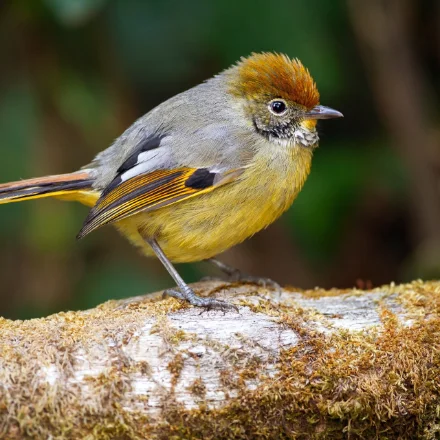
Chestnut-tailed Minla Common
Actinodura strigula
The bird that gives a Doi Inthanon mixed flock its colour, orange-winged and constantly on the move through the moss.
Where: Mixed flocks along the Doi Inthanon summit boardwalk and the Km 37 track. Best: Nov-Feb, morning. Find a minla flock and everything else on the mountain becomes more likely.
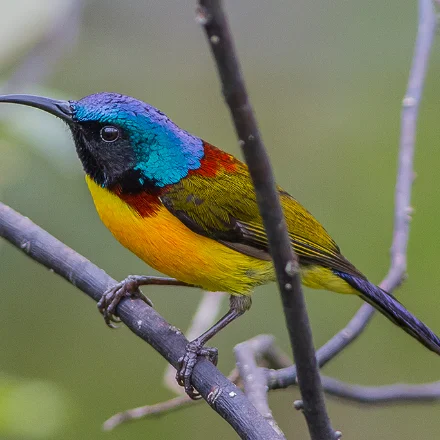
Green-tailed Sunbird Common
Aethopyga nipalensis
The bird of the summit, a metallic green and scarlet sunbird that feeds at rhododendrons in freezing mist at 2,500 m.
Where: Flowering shrubs along the Ang Ka summit boardwalk on Doi Inthanon. Best: Nov-Feb, first three hours after dawn. The bird of the summit. Habituated enough to feed a few metres away, and worth the cold start.
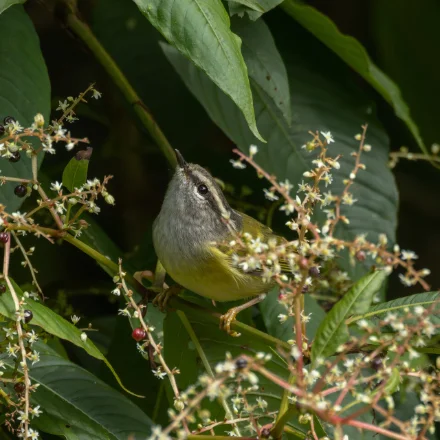
Ashy-throated Warbler Regular
Phylloscopus maculipennis
A leaf warbler the weight of two sheets of paper, working the summit moss in flocks that move through faster than you can focus.
Where: Mixed flocks in the summit canopy on Doi Inthanon. Best: Nov-Mar, morning. Stand still at a gap and let the flock come through rather than chasing it.
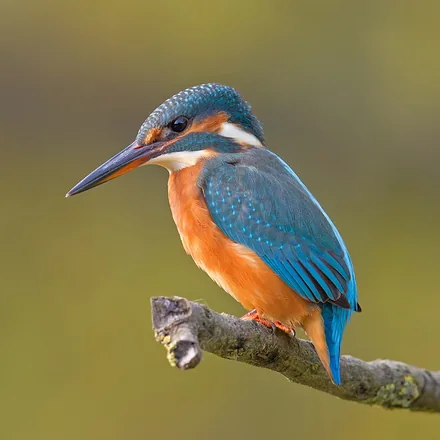
Common Kingfisher Regular
Alcedo atthis
A dazzling blue dart along the stream, small enough to sit in a palm yet impossible to miss when it flies.
Where: The Ping river, the city moat and the Mae Ngat reservoir. Best: Nov-Feb, morning.
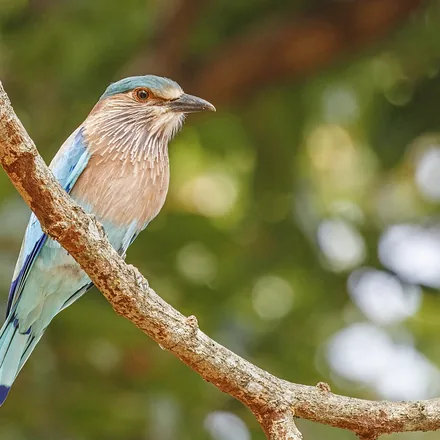
Indian Roller Regular
Coracias benghalensis
A dull-looking perched bird that explodes into brilliant bands of blue when it flies, tumbling through spectacular courtship rolls.
Where: Wires and fence posts over open farmland around Mae Ping and San Kamphaeng. Best: Nov-Apr, day. Dull brown at rest and electric blue the moment it flies.
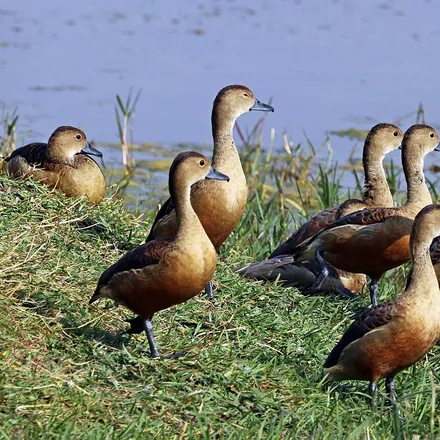
Lesser Whistling Duck Regular
Dendrocygna javanica
A warm-brown, long-necked duck that whistles rather than quacks and wheels over the marshes in twittering flocks.
Where: Mae Ngat reservoir and the flooded fields at Huay Tueng Tao. Best: Nov-Feb, dawn and dusk.
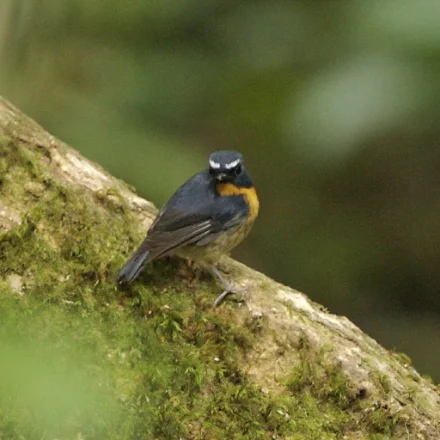
Snowy-browed Flycatcher Regular
Ficedula hyperythra
A thumb-sized flycatcher that sits still on a low mossy perch, which after an hour of hyperactive flocks is a considerable relief.
Where: Low perches in shade beside the Doi Inthanon summit trails. Best: Nov-Feb, morning. Look low, at knee to chest height, in shade rather than sun. It sits still, which most of the mountain does not.
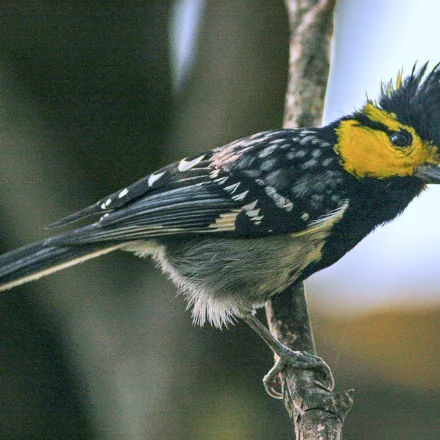
Yellow-cheeked Tit Regular
Machlolophus spilonotus
A crested tit in black and brilliant yellow, working the high canopy of the northern mountains.
Where: Canopy from the mid-elevations to the summit on Doi Inthanon. Best: Nov-Feb, morning. One of the more cooperative montane birds, and often low enough for a clear view.
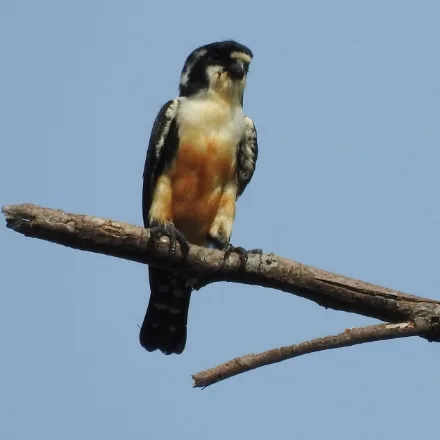
Black-thighed Falconet Occasional
Microhierax fringillarius
One of the smallest birds of prey on Earth, a sparrow-sized falcon that hunts dragonflies and small birds from a bare twig.
Where: Bare snags at forest edge on Doi Inthanon and at Mae Ping. Best: Nov-Apr, day. Sparrow-sized and hunting from an exposed perch, which is what gives it away.
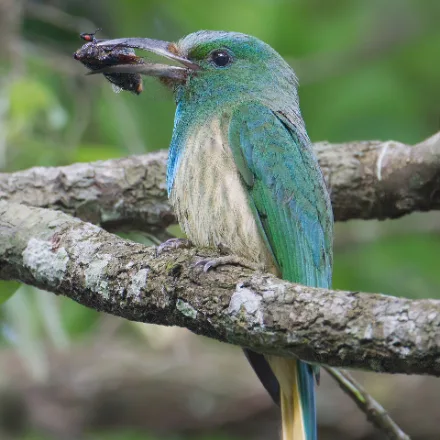
Blue-bearded Bee-eater Occasional
Nyctyornis athertoni
A big, shaggy bee-eater with a dangling blue throat-beard, more skulking and forest-loving than its dashing cousins.
Where: Forest interior on Doi Inthanon and Doi Chiang Dao. Best: Nov-Apr, morning.
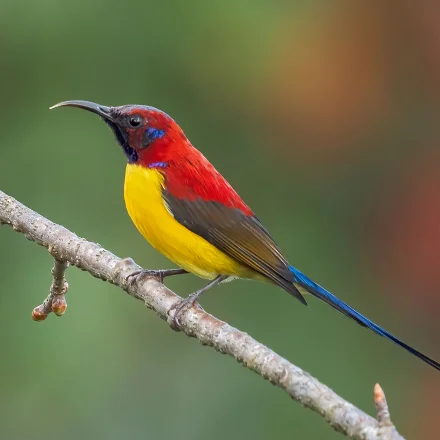
Mrs Gould's Sunbird Occasional
Aethopyga gouldiae
Scarlet, violet and yellow, with a long blue tail streamer, and it feeds at eye level on the summit boardwalk.
Where: Flowering shrubs on the Doi Inthanon summit boardwalk. Best: Nov-Feb, cold clear mornings. Overlaps with the green-tailed sunbird, and the two are worth learning together.
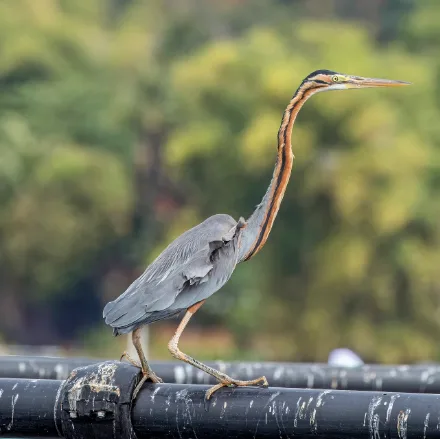
Purple Heron Occasional
Ardea purpurea
A slender, snake-necked heron in rich chestnut and slate that melts into the reeds it hunts among.
Where: Reedbeds at Sri Lanna and the Mae Ngat margins. Best: Nov-Feb, dawn.
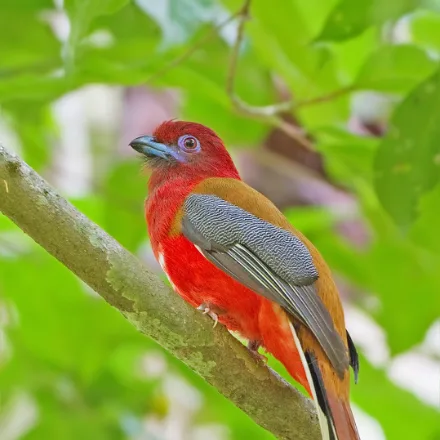
Red-headed Trogon Occasional
Harpactes erythrocephalus
A quietly stunning forest bird, the male crimson headed and rose breasted, that sits motionless and is easy to miss.
Where: Mid-storey on the Doi Inthanon jeep track and the Monthathan trail. Best: Nov-Apr, morning. Sits motionless for long periods. Listen for the soft descending call and then scan.
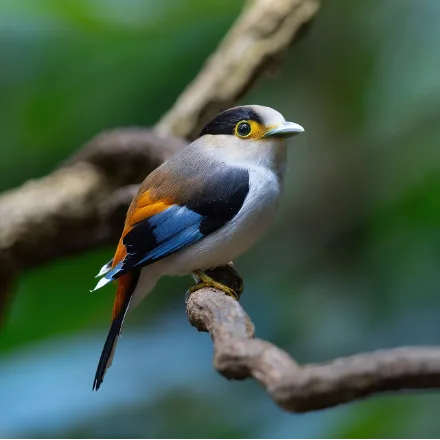
Silver-breasted Broadbill Occasional
Serilophus lunatus
A soft grey and rufous broadbill with a powder blue wing flash and a delicate silver breast.
Where: Evergreen forest on Doi Inthanon and Doi Chiang Dao. Best: Nov-Apr, morning.
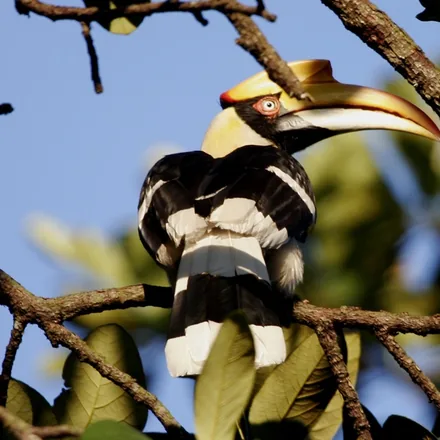
Great Hornbill Rare Vulnerable
Buceros bicornis
A three metre wingbeat you hear before you see, the flagship bird of Asian rainforest canopy.
Where: Fruiting figs in the tall forest of Doi Chiang Dao and Doi Inthanon. Best: Nov-Apr, early morning. Scarce this far north. The wingbeats are audible before the bird is visible.
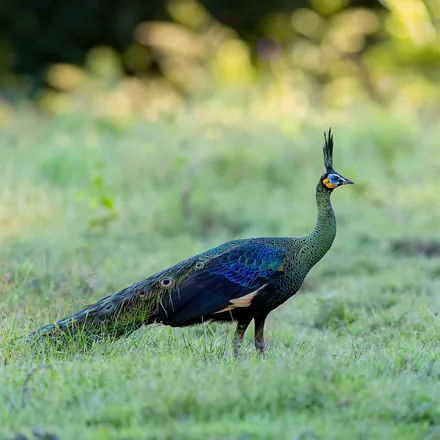
Green Peafowl Rare Endangered
Pavo muticus
The wild, and far rarer, cousin of the familiar peacock, with metallic green plumage and a towering train.
Where: Dry dipterocarp forest and river flats at Mae Ping National Park. Best: Nov-Apr, dawn, calling from roost trees. Mae Ping holds one of the few remaining wild Thai populations. The dawn call carries for miles.
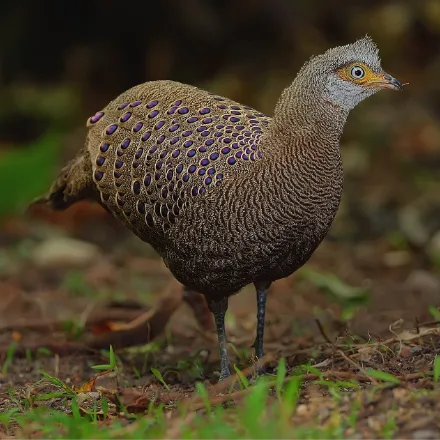
Grey Peacock-Pheasant Rare
Polyplectron bicalcaratum
A shy forest pheasant spangled with iridescent eyespots that flash blue-green when it displays.
Where: Evergreen forest floor on Doi Inthanon and Doi Chiang Dao. Best: Nov-Apr, dawn. A dawn stakeout on a quiet trail is the only realistic approach.
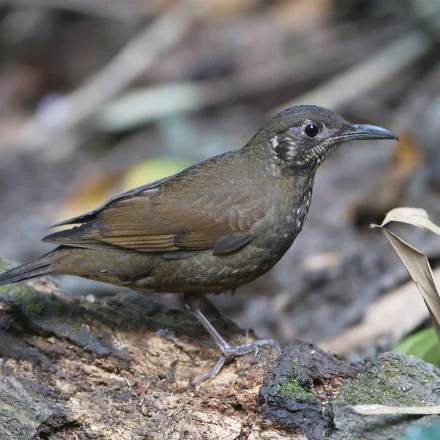
Dark-sided Thrush Very rare
Zoothera marginata
A long-billed thrush that probes wet leaf litter in deep shade and is one of the hardest birds in Thailand to see properly.
Where: The wet gully below the Doi Inthanon summit boardwalk. Best: Nov-Mar, first light. Stand still in the shade and watch the ground rather than walking.
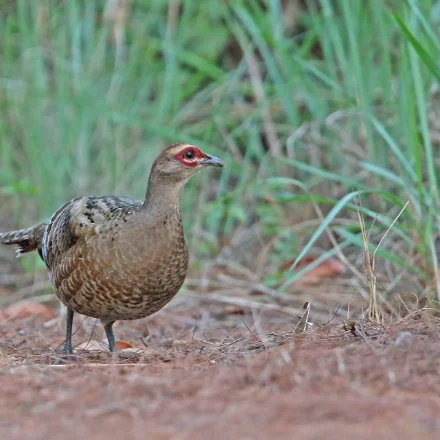
Mrs Hume's Pheasant Very rare Near Threatened
Syrmaticus humiae
A long-tailed mountain pheasant so scarce in Thailand that most birders who look for it go home without one.
Where: Quiet forest tracks on the higher Chiang Dao and Doi Inthanon slopes. Best: Nov-Mar, dawn. A dawn walk on a quiet track is the only realistic approach, and most encounters are a bird walking away.
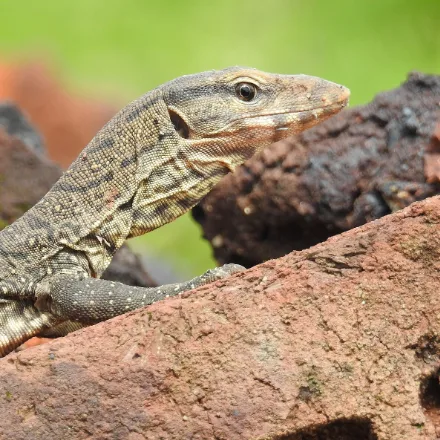
Bengal Monitor Occasional
Varanus bengalensis
A dry-country monitor that climbs well, digs constantly and eats essentially anything smaller than itself.
Where: Dry dipterocarp forest floor at Mae Ping and Ob Luang. Best: Nov-Apr, day. The dry-country monitor, away from water, unlike its water monitor cousin.
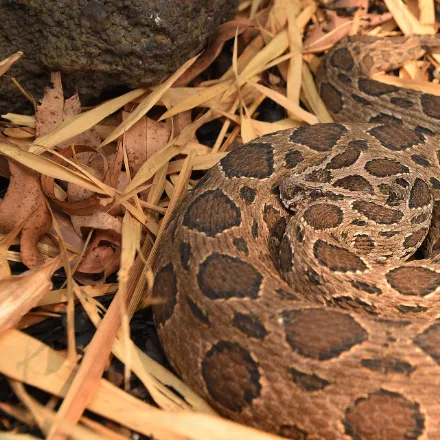
Eastern Russell's Viper Rare
Daboia siamensis
Responsible for more serious snakebite in Asia than almost any other species, and it hisses louder than any snake in the region.
Where: Dry farmland and scrub around Mae Ping. Best: Nov-Apr, dusk.
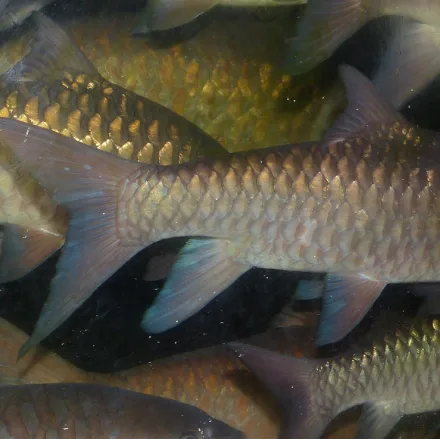
Thai Mahseer Rare
Tor tambroides
The tiger of the river: a powerful, big-scaled carp of cold hill streams that fights harder than fish twice its size.
Where: Clear hill streams and pools at Ob Luang and in the upper Ping headwaters. Best: Nov-Feb, day. A powerful stream fish of clean water, and a good indicator that a river is still healthy.
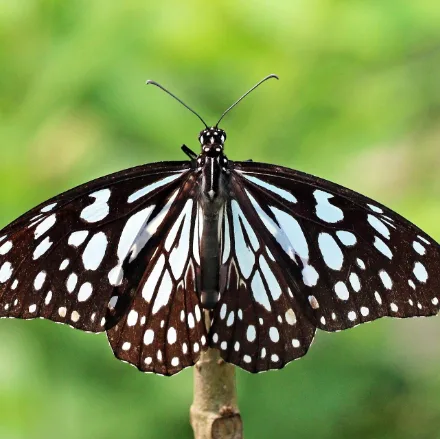
Blue Tiger Regular
Tirumala limniace
Migrates in drifting rivers of thousands, and roosts at night in trees hung solid with butterflies.
Where: River valleys and forest edges at Ob Luang and along the Ping. Best: Nov-Feb, day. Migratory swarms and communal night roosts are the spectacle.
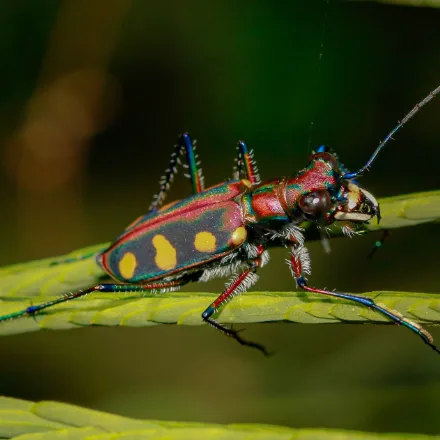
Blue-spotted Tiger Beetle Occasional
Cicindela aurulenta
Runs so fast it goes temporarily blind, and has to stop to work out where its prey went.
Where: Sunny sandy tracks and riverbanks at Mae Ping and Ob Luang. Best: Nov-Apr, midday. Wary and fast. Approach in stages and stop when it stops.
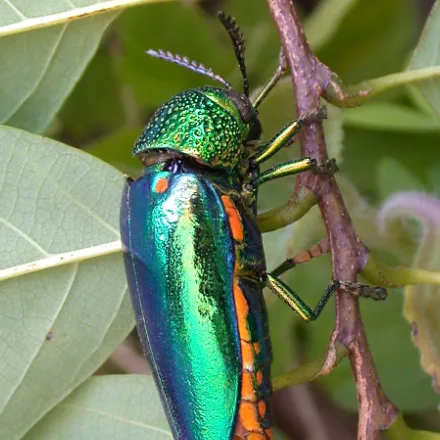
Jewel Beetle Occasional
Sternocera aequisignata
A living gemstone, its wing cases a metallic emerald green so brilliant they were sewn into royal cloth.
Where: Open forest and edges at Mae Ping and Ob Luang. Best: Nov-Apr, day. Its wing cases are used in traditional northern beetlewing embroidery.
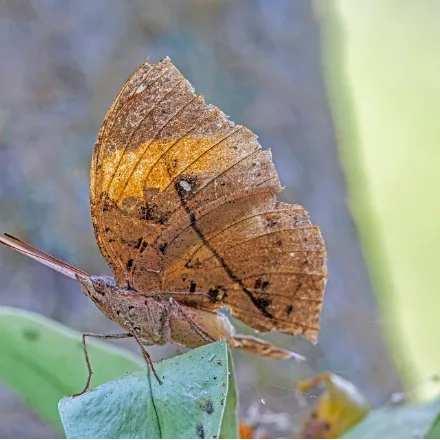
Orange Oakleaf Occasional
Kallima inachus
Electric blue and orange in flight, and the instant it lands it becomes a dry dead leaf, complete with a fake midrib.
Where: Fallen fruit on forest trails on Doi Inthanon and Doi Suthep. Best: Nov-Apr, morning. Watch where one lands, then look for the leaf that is not a leaf.
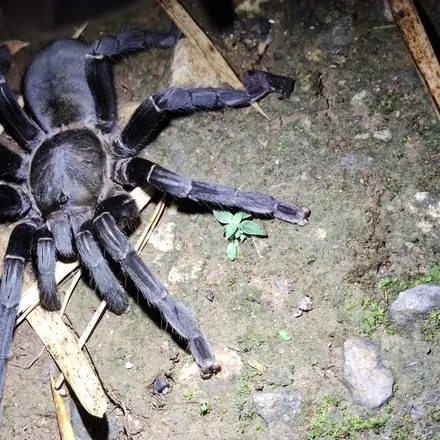
Thailand Black Tarantula Rare
Cyriopagopus minax
A jet-black burrowing tarantula, fast and feisty, that lines its tunnel with silk trip-lines.
Where: Burrows in banks and dry forest floor at Mae Ping. Best: Nov-Apr, night. Sweep a torch across the forest floor for burrow entrances and eyeshine.
Possible all year, including January
76 species
The resident northern cast, in the hill forest, along the valley streams and on the limestone at Doi Chiang Dao in any month. January makes several of them easier rather than more numerous: cold mornings keep mammals active later, and the dry forest is thinner and quieter to walk than it is in the wet.
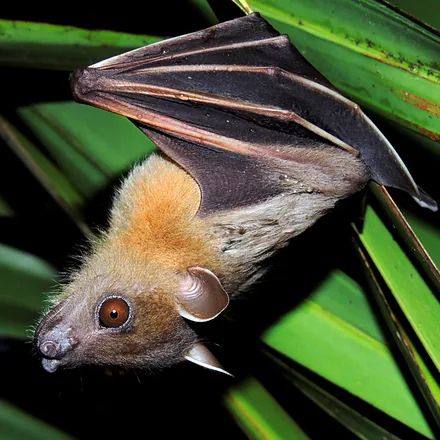
Greater Short-nosed Fruit Bat Common
Cynopterus sphinx
A small fruit bat that builds itself a shelter by chewing palm and fig leaves into a cosy roosting tent.
Where: Fruiting and flowering trees in the Mae Sa valley and around the old city. Best: Year round, after dark.
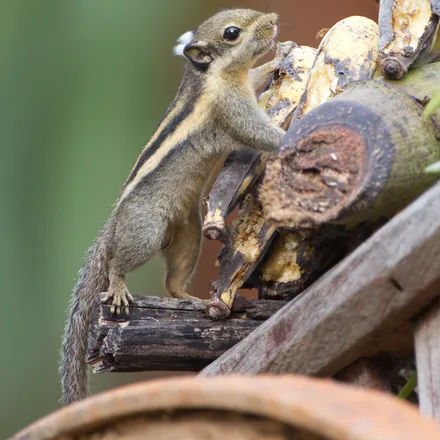
Himalayan Striped Squirrel Common
Tamiops mcclellandii
A tiny, chipmunk-like squirrel streaked with pale racing stripes, forever flickering over the bark.
Where: Trunks and undergrowth throughout the hill forest on Doi Inthanon and Doi Suthep. Best: Year round, day. Tiny, striped and constantly moving; often travels with mixed bird flocks.
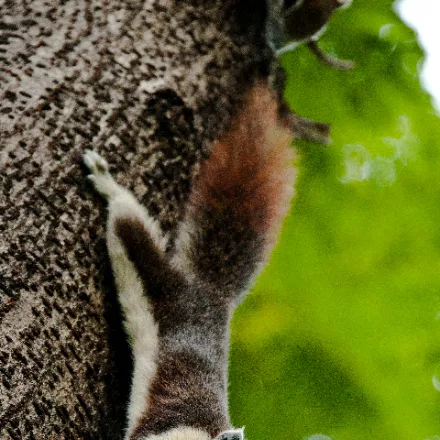
Variable Squirrel Common
Callosciurus finlaysonii
A tree squirrel of astonishing colour variety, some populations pure creamy white, others red, grey or two-toned.
Where: Gardens, temple grounds and forest edge across the province. Best: Year round, day. The northern populations run to pale cream and grey forms.
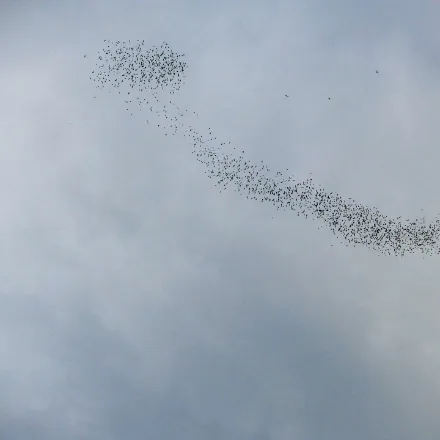
Wrinkle-lipped Free-tailed Bat Common
Chaerephon plicatus
The bat behind Thailand's great cave exodus, when millions stream out at dusk in a river of wings.
Where: Chiang Dao cave and the limestone caverns beneath the massif. Best: Year round, dusk. The evening exodus from Chiang Dao cave is worth planning an afternoon around.
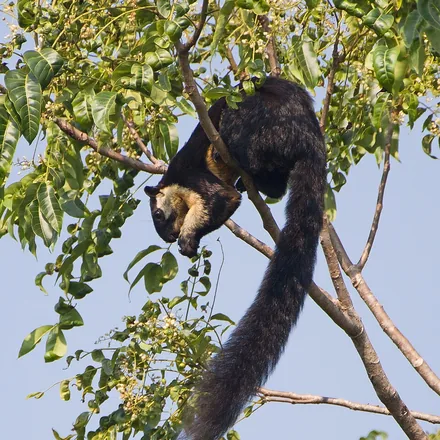
Black Giant Squirrel Regular Near Threatened
Ratufa bicolor
A squirrel the length of your arm, jet black above and buttery below, crashing through the canopy with a metre long tail.
Where: Canopy along the Doi Inthanon jeep track and the Monthathan trail. Best: Year round, morning. Usually heard first, as a heavy crash of branches overhead.
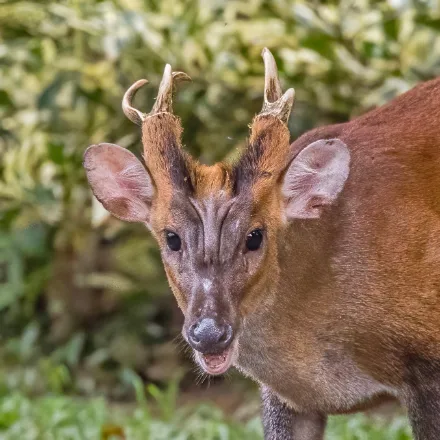
Northern Red Muntjac Regular
Muntiacus vaginalis
The barking deer of Thai forests, a small russet deer whose sharp, dog-like alarm call rings through the trees.
Where: Clearings and roadsides on Doi Inthanon and at Mae Ping. Best: Year round, dawn and dusk. The barking call is one of the characteristic sounds of a northern dawn.
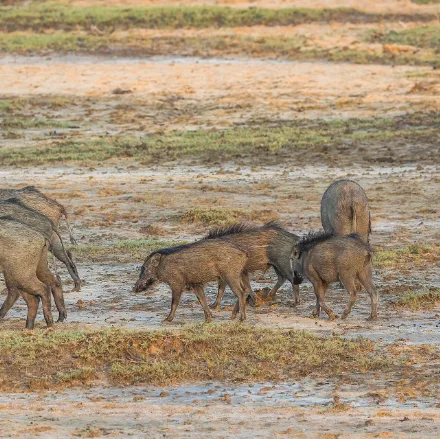
Wild Boar Regular
Sus scrofa
The rugged wild pig at the base of the food chain, rooting up the forest and feeding the region's great predators.
Where: Forest edge and clearings across all the northern parks. Best: Year round, dawn and dusk.
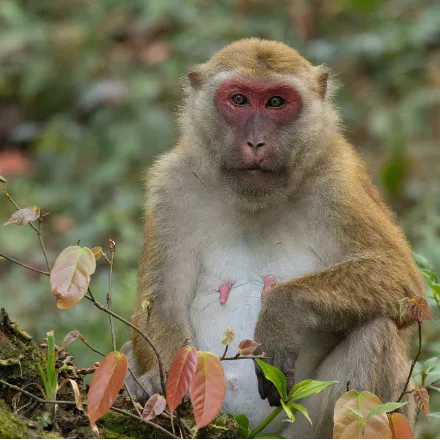
Assamese Macaque Occasional Near Threatened
Macaca assamensis
A stocky highland macaque of limestone hills and northern forests, easily missed among its commoner relatives.
Where: Limestone slopes around Doi Chiang Dao and the temple forest on Doi Suthep. Best: Year round, day. Stockier and shyer than the long-tailed macaque, and tied to broken limestone country.
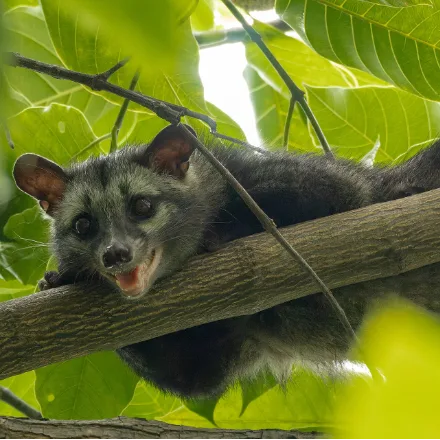
Common Palm Civet Occasional
Paradoxurus hermaphroditus
The nocturnal fruit-lover behind civet coffee, at home in forests, plantations and even city roofs.
Where: Roofs, orchards and forest edge throughout the Mae Sa valley. Best: Year round, after dark.
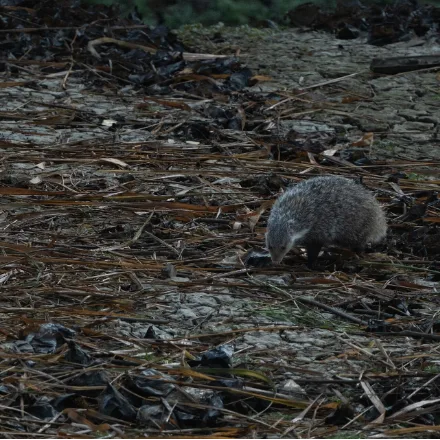
Crab-eating Mongoose Occasional
Herpestes urva
A large grizzled mongoose with a bold white neck stripe, usually found busily working a forest stream.
Where: Streambanks along the Mae Klang and Siriphum waterfall trails. Best: Year round, day. Often working a wet streambank in broad daylight, which is unusual for a small carnivore here.
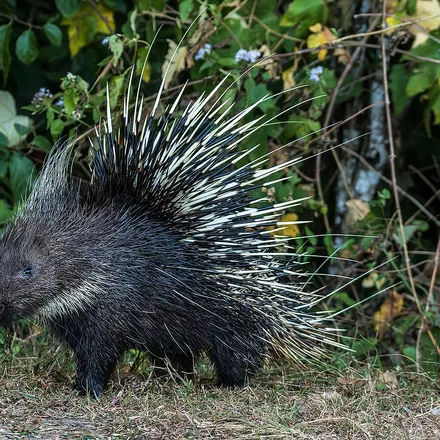
Malayan Porcupine Occasional
Hystrix brachyura
A large, ground-dwelling porcupine that rattles a crown of black-and-white quills when threatened.
Where: Forest tracks on Doi Suthep-Pui and at Mae Ping. Best: Year round, after dark.
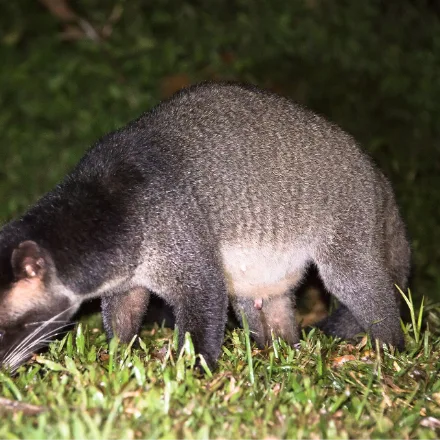
Masked Palm Civet Occasional
Paguma larvata
A plain-bodied civet with a bold white blaze running down its masked face, a nimble night climber after fruit.
Where: Fruiting trees on the Doi Suthep summit road and the Doi Inthanon jeep track. Best: Year round, after dark. The commonest civet on a northern night drive; look for the white blaze down the face.
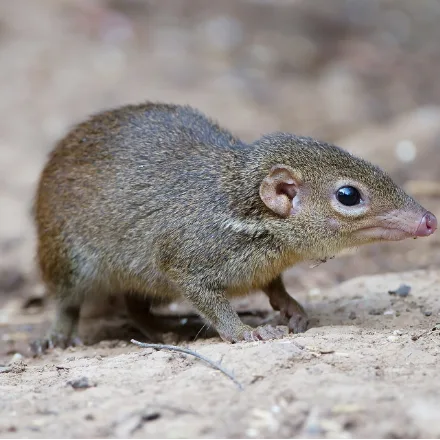
Northern Treeshrew Occasional
Tupaia belangeri
A squirrel-lookalike that is not a rodent at all, but a close relative of primates with a famously fast metabolism.
Where: Forest floor and low trunks on Doi Suthep-Pui. Best: Year round, day. Squirrel-shaped but pointed-snouted and jerky; not a squirrel at all.
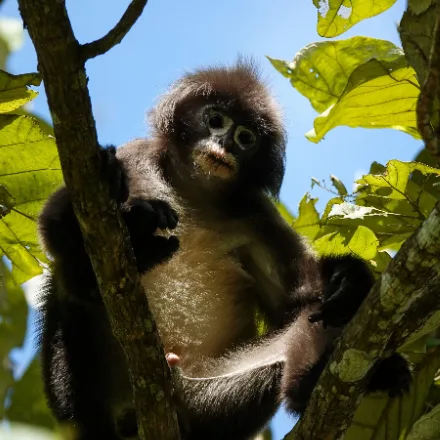
Phayre's Leaf Monkey Occasional Endangered
Trachypithecus phayrei
A grey langur with bold white spectacles around its eyes, a leaf specialist of the northern and western forests.
Where: Hill evergreen forest on Doi Chiang Dao and the upper Doi Inthanon slopes. Best: Year round, early morning. The northern langur. Look for the pale rings around the eyes and mouth in the canopy.
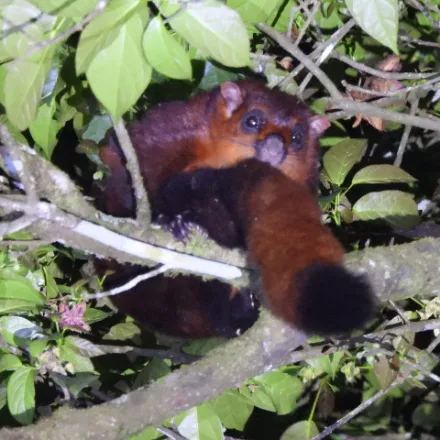
Red Giant Flying Squirrel Occasional
Petaurista petaurista
A cat-sized, deep-red squirrel that glides between trees on a membrane, sailing over a hundred metres in a single launch.
Where: Tall trees on the Doi Suthep summit road and around Doi Inthanon headquarters. Best: Year round, the first hour after dusk. Wait by a known emergence tree at dusk. The glide is the sight, not the animal.
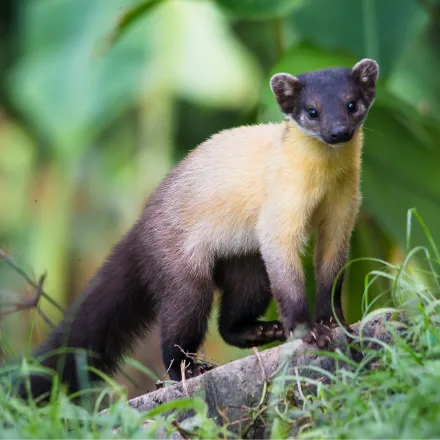
Yellow-throated Marten Occasional
Martes flavigula
A big, bounding, golden-throated marten that hunts boldly by day and fears almost nothing its own size.
Where: Canopy and trails on Doi Inthanon and Doi Chiang Dao. Best: Year round, day. Bold and diurnal, usually a pair bounding across the road ahead of you.
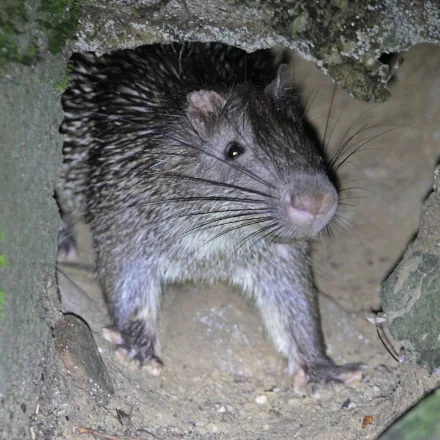
Asiatic Brush-tailed Porcupine Rare
Atherurus macrourus
A smaller, rat-like porcupine that trails a long tail tipped with a rattling brush of hollow bristles.
Where: Rocky ground near streams on Doi Inthanon. Best: Year round, after dark.
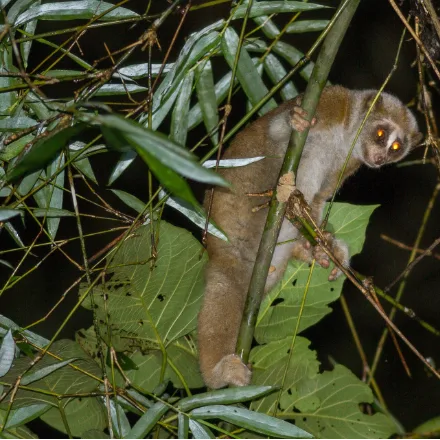
Bengal Slow Loris Rare Endangered
Nycticebus bengalensis
The only venomous primate on Earth, huge eyed and slow motion, with a toxic bite armed from glands on its arms.
Where: Canopy and forest edge on Doi Suthep-Pui and in the Mae Sa valley. Best: Year round, after dark. A spotlight find. Look for a pair of orange eyeshine points moving very slowly.
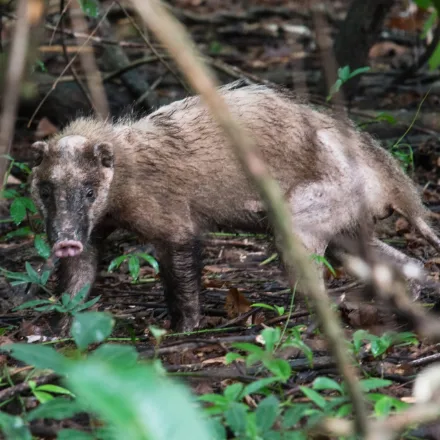
Hog Badger Rare Vulnerable
Arctonyx collaris
A stocky, pig-snouted badger that roots through the forest floor with a mobile, rubbery nose.
Where: Damp forest floor on Doi Inthanon and Doi Chiang Dao. Best: Year round, night.
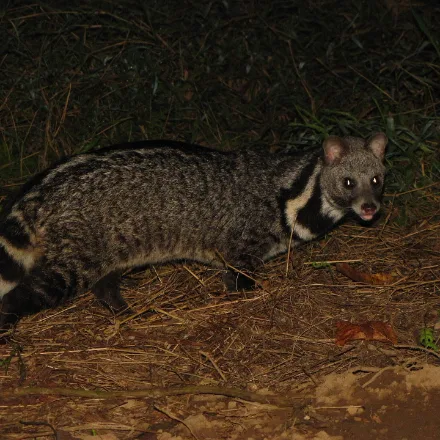
Large Indian Civet Rare
Viverra zibetha
A big, ground-dwelling civet with a dramatic black-and-white banded tail and a crest along its spine.
Where: Forest tracks at Doi Chiang Dao and Mae Ping. Best: Year round, after dark.
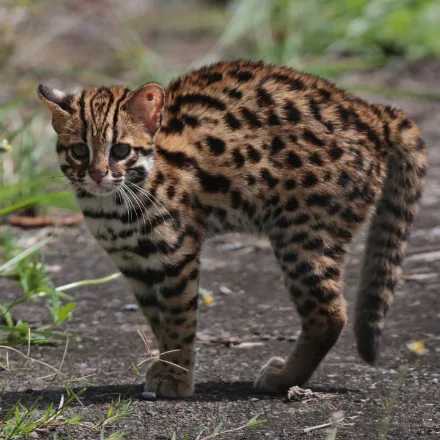
Leopard Cat Rare
Prionailurus bengalensis
A house-cat-sized hunter dressed like a miniature leopard, the most widespread small cat in Asia.
Where: Forest edge and farmland margins at Mae Ping and Sri Lanna. Best: Year round, night.
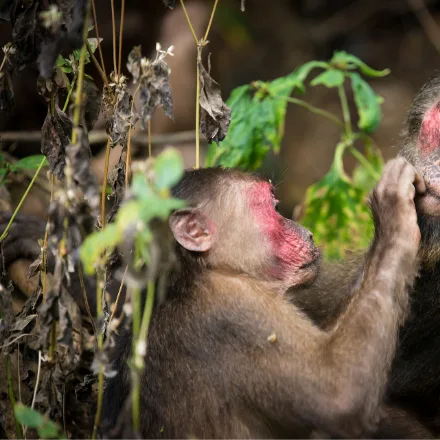
Stump-tailed Macaque Rare Vulnerable
Macaca arctoides
A shaggy, red-faced forest macaque with a stub of a tail and a habit of staying deep in the hills.
Where: Evergreen forest on the upper Doi Inthanon and Doi Chiang Dao slopes. Best: Year round, day. Red-faced and short-tailed; usually detected as movement on the forest floor.
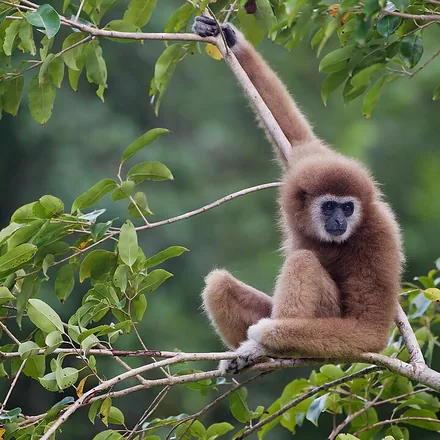
White-handed (Lar) Gibbon Rare Endangered
Hylobates lar
You hear them before dawn even breaks, the whooping duet of gibbons that is the definitive soundtrack of Asian rainforest.
Where: Tall evergreen forest above Km 34 on Doi Inthanon. Best: Year round, the first two hours after dawn. Heard far more than seen. The duet carries for a kilometre through the mist.
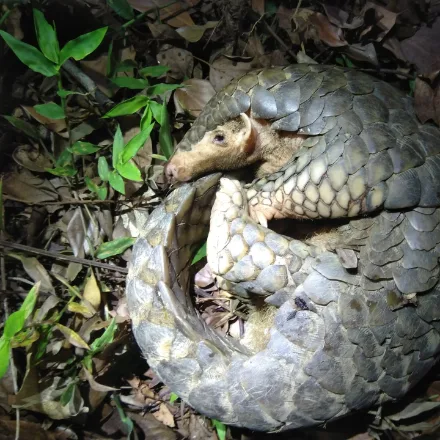
Chinese Pangolin Very rare Critically Endangered
Manis pentadactyla
The northern cousin of the Sunda pangolin, more of a burrower, and just as devastated by the illegal trade.
Where: Hill forest and forest edge across the northern parks. Best: Year round, night. Critically Endangered and heavily poached. A sighting would be extraordinary.
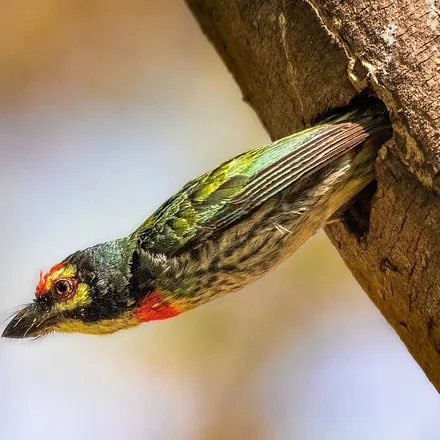
Coppersmith Barbet Common
Psilopogon haemacephalus
A tiny green barbet with a red-and-yellow face whose metronomic tuk tuk tuk call rings like a coppersmith at work.
Where: Bare treetops in the old city, the university campus and Huay Tueng Tao. Best: Year round, day. The metronomic tuk call is the background noise of a Chiang Mai afternoon.
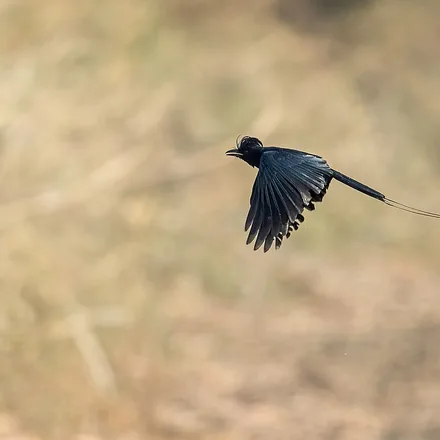
Greater Racket-tailed Drongo Common
Dicrurus paradiseus
A glossy black forest bird trailing two long wire tails tipped with twirling rackets, and a gifted mimic.
Where: Forest and edges throughout the northern parks. Best: Year round, day. Usually the loud core of a mixed feeding flock. Follow it and other birds follow too.
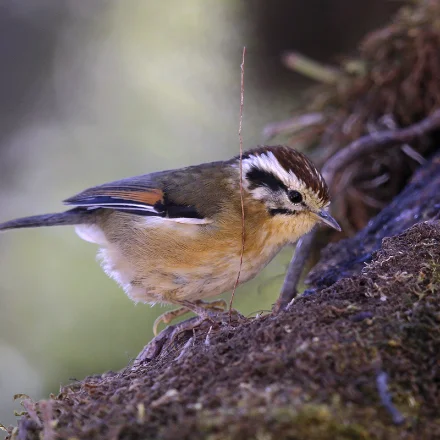
Rufous-winged Fulvetta Common
Schoeniparus castaneceps
A tiny chestnut-capped bird that swarms through mossy branches in restless parties, and one of the commonest voices of the summit.
Where: Mossy branches along the summit boardwalk and the upper jeep track. Best: Year round, morning. Often the most numerous bird in a mixed flock, and a good first target on the mountain.
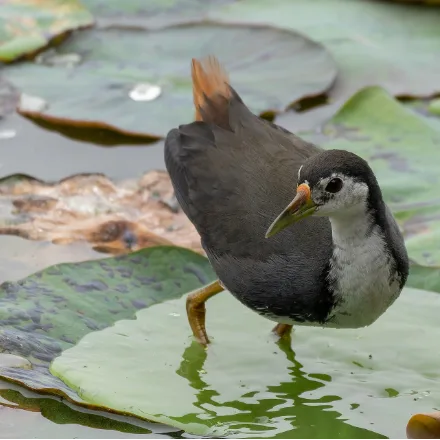
White-breasted Waterhen Common
Amaurornis phoenicurus
A bold, clean-cut marsh bird in slate and white that trots along ditch edges flicking a rusty-bottomed tail.
Where: Ditches, paddies and park ponds across the valley. Best: Year round, day.
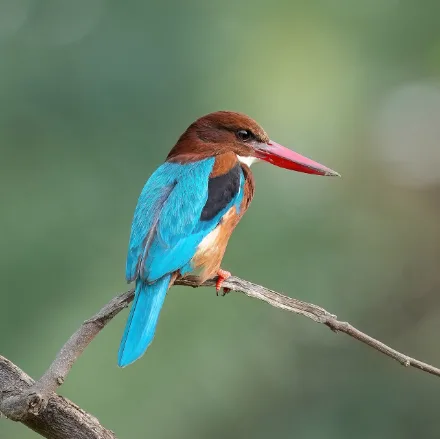
White-throated Kingfisher Common
Halcyon smyrnensis
A big turquoise-and-chocolate kingfisher that hunts far from water, taking lizards and insects across open country.
Where: Paddies, ditches and roadside wires throughout the valley. Best: Year round, day.
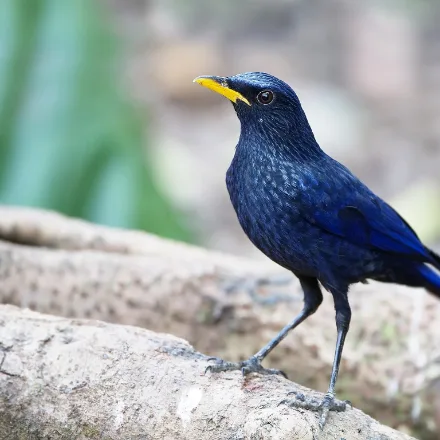
Blue Whistling Thrush Regular
Myophonus caeruleus
A big, spangled blue-black thrush of shady streams whose loud human-like whistle rings through the ravines at dawn.
Where: Rocks and pools at Mae Klang, Siriphum and Wachirathan waterfalls. Best: Year round, first light. Its human-like whistle is the first sound at a northern waterfall.
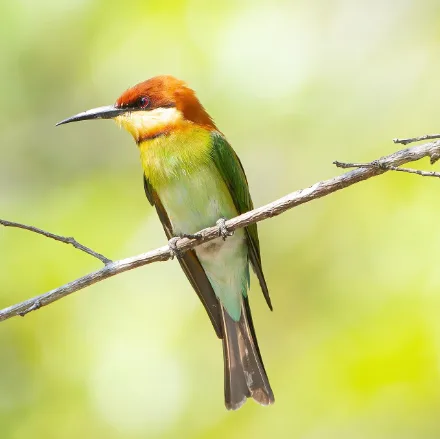
Chestnut-headed Bee-eater Regular
Merops leschenaulti
A compact green bee-eater crowned in warm chestnut, sallying for bees along forest edges and clearings.
Where: Forest edges and riverbanks along the Ping and at Ob Luang. Best: Year round, day.
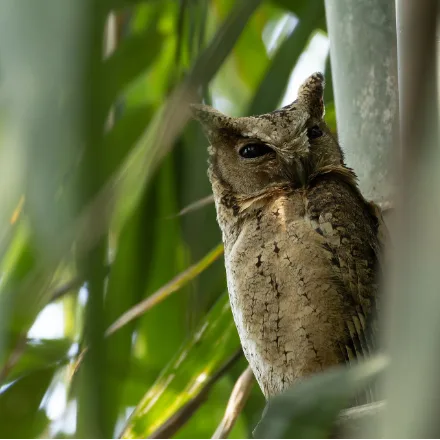
Collared Scops Owl Regular
Otus lettia
A small, ear-tufted owl whose soft, questioning hoot is one of the commonest voices of the Thai night.
Where: Temple grounds, gardens and forest edge, including Wat Phra That Doi Suthep. Best: Year round, after dark. A soft single questioning note, repeated. The commonest owl voice of a northern night.
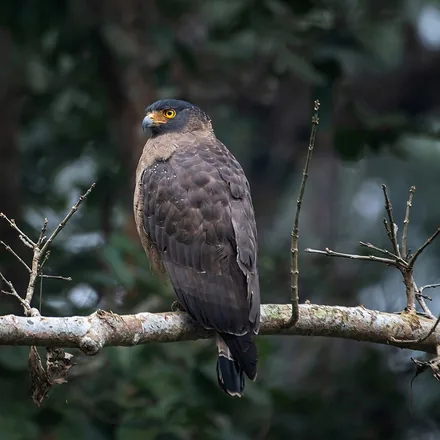
Crested Serpent Eagle Regular
Spilornis cheela
A snake-hunting eagle that circles the forest on broad wings, calling with a far-carrying, wailing whistle.
Where: Soaring over the ridges at Doi Inthanon and Doi Suthep. Best: Year round, late morning. The wailing whistle overhead is usually the first sign.
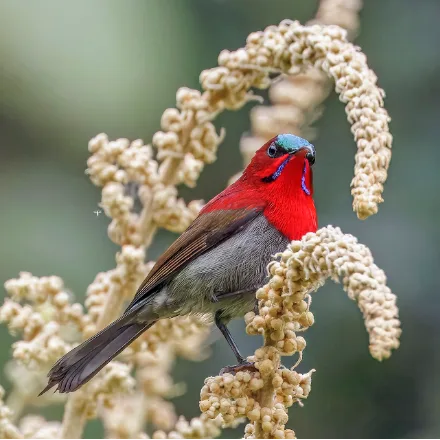
Crimson Sunbird Regular
Aethopyga siparaja
A living ember of a bird, the male ablaze in scarlet and metallic green as it hovers at forest blossoms.
Where: Flowering trees and forest edge on Doi Suthep and around Doi Inthanon headquarters. Best: Year round, morning.
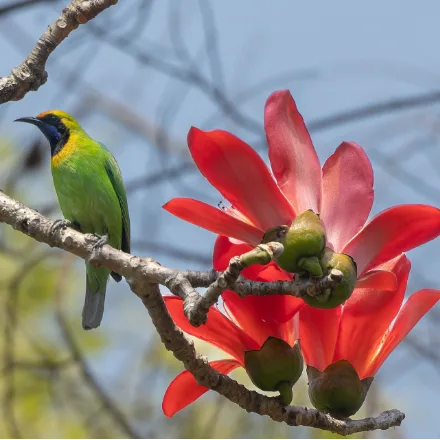
Golden-fronted Leafbird Regular
Chloropsis aurifrons
A leaf-green bird that all but vanishes in the canopy until it turns to reveal a golden forehead and blue-black mask.
Where: Flowering and fruiting canopy on Doi Suthep-Pui. Best: Year round, morning.
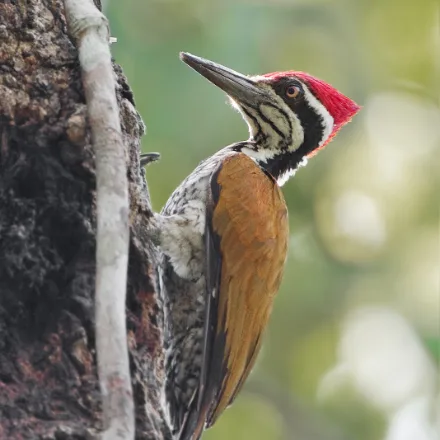
Greater Flameback Regular
Chrysocolaptes guttacristatus
A big, golden-backed woodpecker that blazes across the trunk, the males topped with a flaming scarlet crest.
Where: Large trunks in open forest at Mae Ping and Doi Suthep. Best: Year round, morning.
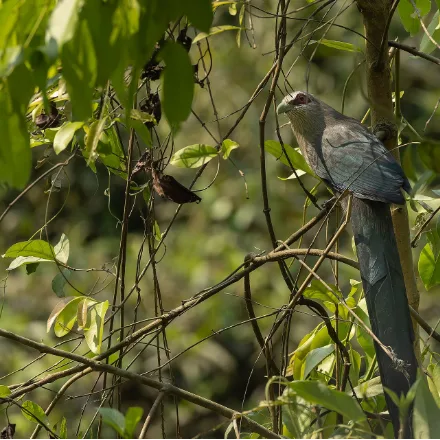
Green-billed Malkoha Regular
Phaenicophaeus tristis
A long, slinking grey cuckoo with a bright green bill and a crimson eye-patch, creeping through thickets like a feathered lizard.
Where: Thickets and forest edge at Mae Ping and Sri Lanna. Best: Year round, day.
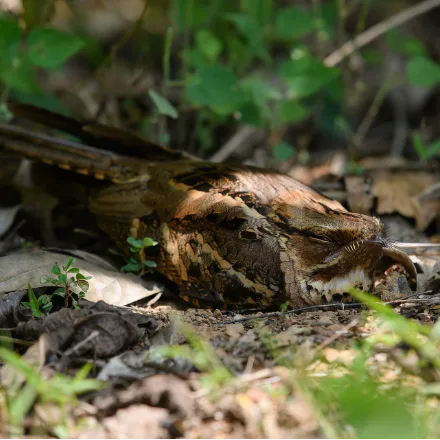
Large-tailed Nightjar Regular
Caprimulgus macrurus
A cryptic dusk-hunter whose loud, repeated chonk chonk call sounds like an axe striking wood across the clearing.
Where: Forest tracks and clearings at Mae Ping and Sri Lanna. Best: Year round, dusk. Listen for the wooden chonk chonk, then look for red eyeshine on the track.
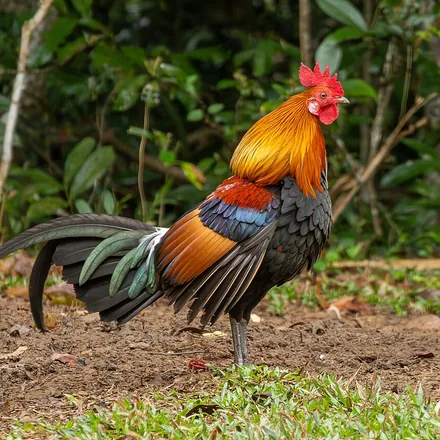
Red Junglefowl Regular
Gallus gallus
The wild ancestor of every chicken on Earth, a wary, glossy rooster of the forest edge.
Where: Forest edges and tracks at Mae Ping and Doi Chiang Dao. Best: Year round, dawn.
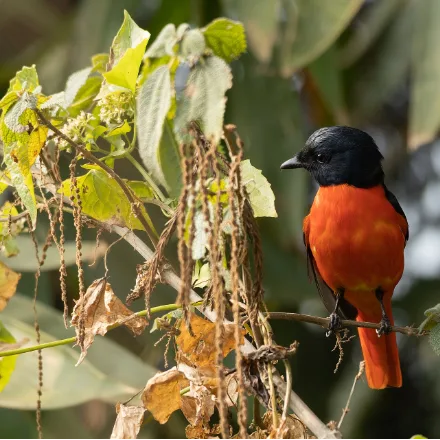
Scarlet Minivet Regular
Pericrocotus speciosus
A drift of flame through the treetops, the males scarlet and black, the females gold and grey, moving in restless flocks.
Where: Canopy flocks along the Doi Inthanon and Doi Suthep roads. Best: Year round, morning. Flame-red males and golden females drifting through the treetops together.
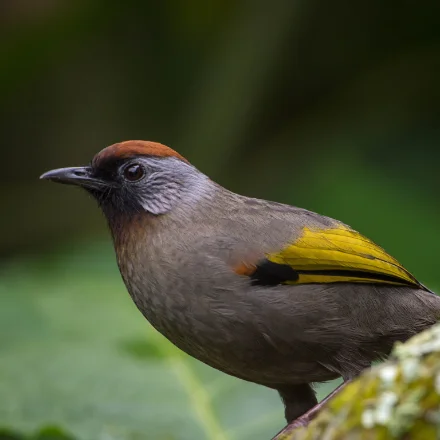
Silver-eared Laughingthrush Regular
Trochalopteron melanostigma
A gaudy orange and silver bird of the summit undergrowth, heard as a shrieking chorus long before anything is seen.
Where: Undergrowth beside the Ang Ka boardwalk and around the summit checkpoint. Best: Year round, morning. Heard as a shrieking chorus long before anything steps into the open.
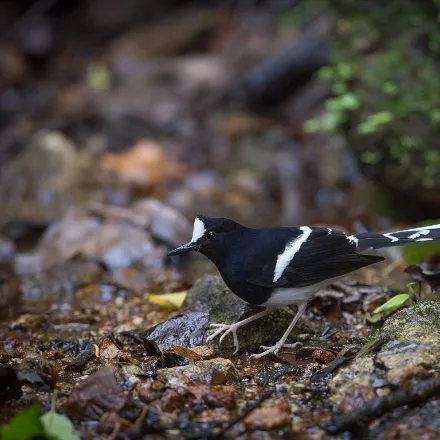
White-crowned Forktail Regular
Enicurus leschenaulti
A dapper black-and-white bird of rushing forest streams, forever flicking a long, deeply forked tail.
Where: Shaded rocky streams on Doi Inthanon and Doi Suthep. Best: Year round, dawn. Works the same stretch of stream daily, flicking the long forked tail.
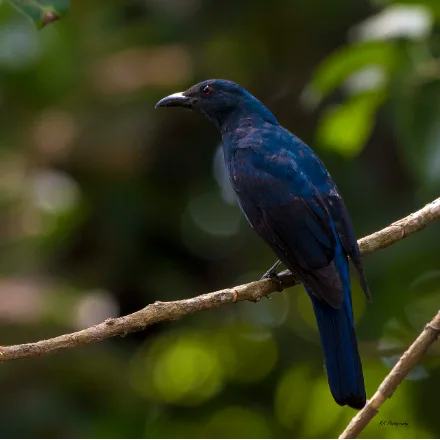
Asian Fairy-bluebird Occasional
Irena puella
A fig-loving forest bird where the male glows brilliant ultramarine and jet black in the canopy shade.
Where: Fruiting figs on Doi Inthanon and Doi Suthep. Best: Year round, morning.
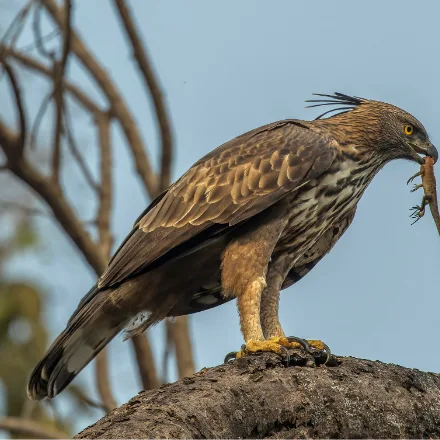
Changeable Hawk-eagle Occasional
Nisaetus cirrhatus
A powerful forest eagle that comes in pale and dark forms, ambushing prey with a fast strike from the canopy.
Where: Forest edges and clearings at Mae Ping and Sri Lanna. Best: Year round, day.
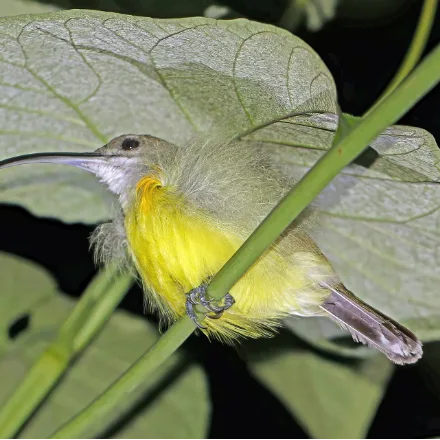
Little Spiderhunter Occasional
Arachnothera longirostra
A drab bird with an outrageously long, curved bill, built for plundering nectar deep inside wild banana flowers.
Where: Wild banana stands in the understorey on Doi Inthanon. Best: Year round, morning.
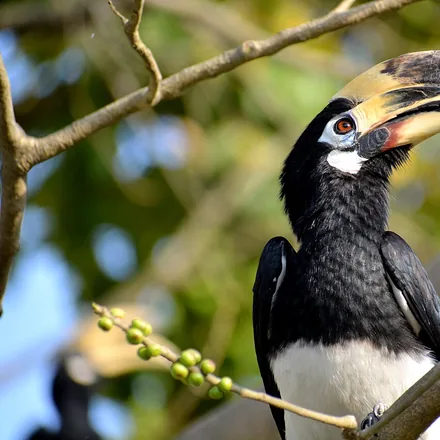
Oriental Pied Hornbill Occasional
Anthracoceros albirostris
The most approachable hornbill in Asia, a black and white charmer that even visits gardens and forest edges.
Where: Forest edge and orchards in the Mae Sa valley and at Sri Lanna. Best: Year round, morning.
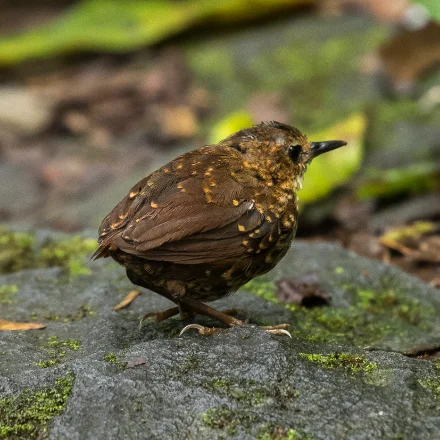
Pygmy Cupwing Occasional
Pnoepyga pusilla
A tail-less ball of scaled feathers the size of a walnut, with a piercing three-note whistle that is the sound of wet montane forest.
Where: Wet mossy debris beside the Ang Ka boardwalk. Best: Year round, morning. The whistle is loud and carrying, so the bird sounds far closer than it is.
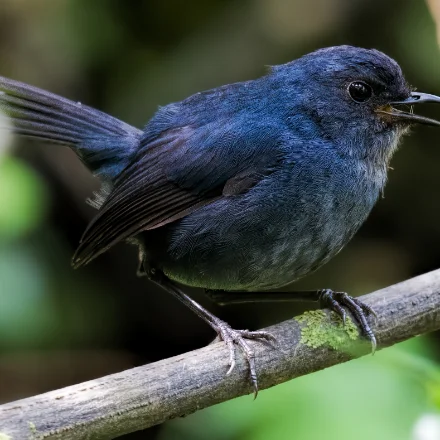
White-browed Shortwing Occasional
Brachypteryx montana
A deep blue robin of the summit undergrowth with a song far larger than the bird, and almost no tail to speak of.
Where: Mossy tangles beside the Ang Ka boardwalk. Best: Year round, from before dawn. Common by voice and difficult by sight. The song carries through the mist.
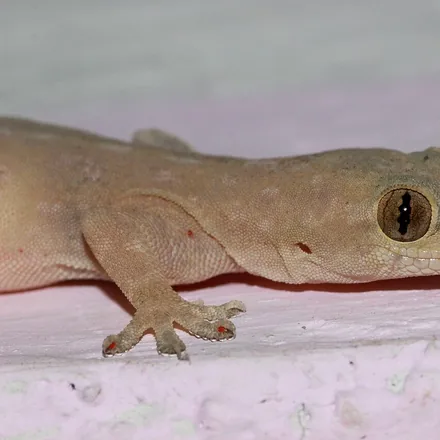
Common House Gecko Common
Hemidactylus frenatus
Sticks to glass using van der Waals forces across billions of microscopic hairs, not glue and not suction.
Where: Every lit wall in the old city. Best: Year round, after dark.
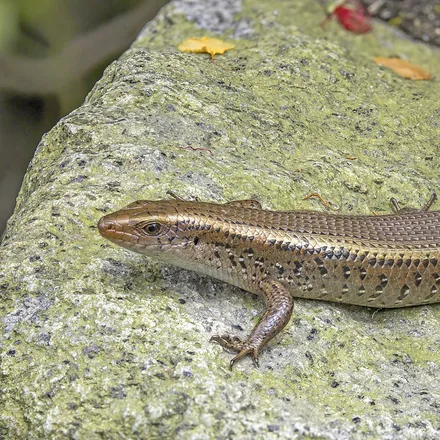
Common Sun Skink Common
Eutropis multifasciata
A glossy bronze skink that basks on logs and forest paths and gives birth to live young.
Where: Leaf litter and sunny trail edges in all the northern parks. Best: Year round, day.
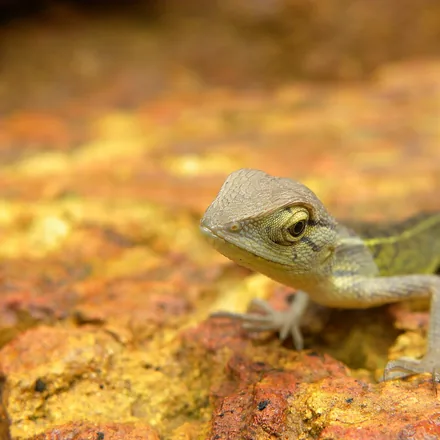
Oriental Garden Lizard Common
Calotes versicolor
The everyday garden lizard whose breeding males flush blood red about the head, earning the name bloodsucker.
Where: Gardens, scrub and temple grounds throughout. Best: Year round, day. Breeding males flush bright red about the head.
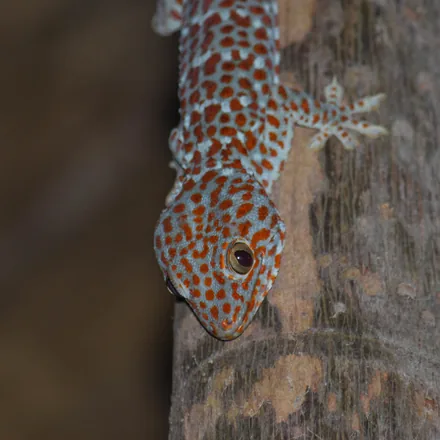
Tokay Gecko Common
Gekko gecko
A big, boldly spotted gecko whose loud TOH-kay call echoes through Thai nights and, by legend, brings luck if it calls seven times.
Where: Temple walls, guesthouses and forest edge across the province. Best: Year round, after dark. Heard before seen. The call is unmistakable once you know it.
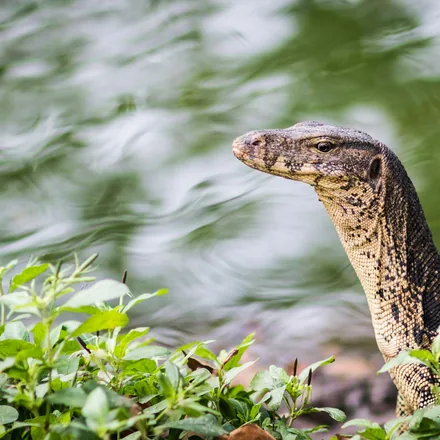
Asian Water Monitor Regular
Varanus salvator
A dragon sized lizard that swims canals and city parks, second only to the Komodo dragon in length.
Where: The Ping river, the city moat and the Mae Ngat shoreline. Best: Year round, day.
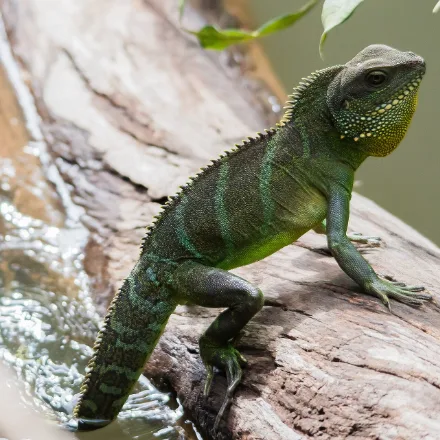
Asian Water Dragon Occasional Vulnerable
Physignathus cocincinus
A handsome green dragon of forest streams that dives into the water and can run briefly on its hind legs.
Where: Branches over clear streams at Ob Luang and on Doi Suthep. Best: Year round, day. Approach from downstream; it drops into the water the moment it sees you.
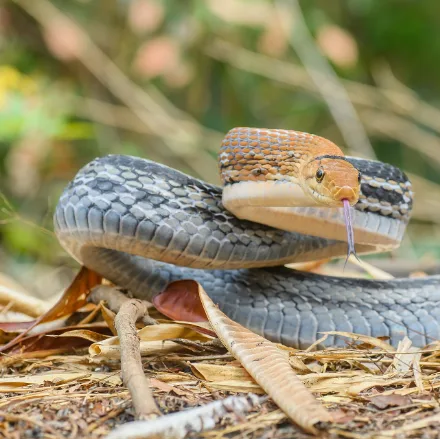
Copperhead Racer Occasional
Coelognathus radiatus
Rears into a vertical S and inflates its neck into a striped shield when cornered, all bluff and no venom.
Where: Farmland and forest edge around Mae Ping and San Kamphaeng. Best: Year round, day.
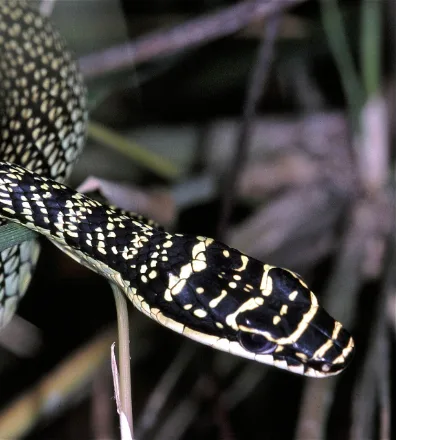
Golden Tree Snake Occasional
Chrysopelea ornata
A fast, elegant climber that can also glide, and one of the most common snakes seen in Thai gardens and temples.
Where: Walls, roofs and garden trees in the Mae Sa valley and the city fringe. Best: Year round, day. Often the first snake a visitor sees, racing up a wall in full sun.
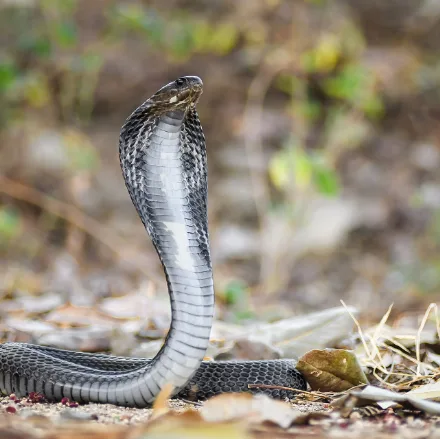
Indochinese Spitting Cobra Occasional Vulnerable
Naja siamensis
Sprays venom at the eyes from up to three metres, aiming with enough accuracy to hit a moving face.
Where: Farmland, plantations and village edges throughout the valley. Best: Year round, dusk. If sprayed, flush the eyes with clean fluid for fifteen minutes and get to hospital.
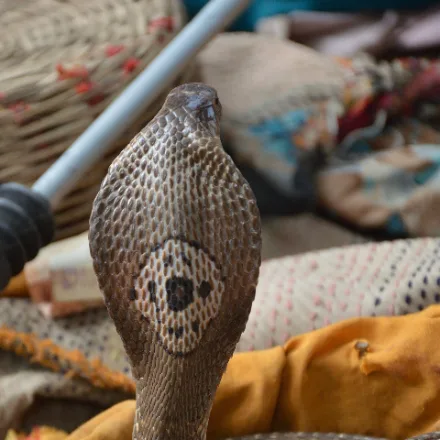
Monocled Cobra Occasional
Naja kaouthia
The classic hooded cobra of the rice fields, marked with a single O shaped eyespot on its spread hood.
Where: Paddies, canals and village edges around Sri Lanna and San Kamphaeng. Best: Year round, day and dusk.
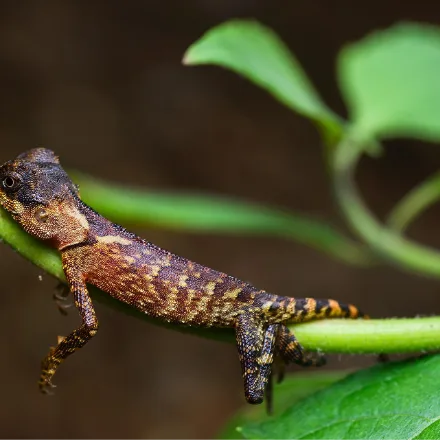
Mountain Horned Dragon Occasional
Acanthosaura crucigera
Sits so still on a mossy trunk that people walk within a foot of it, spines, crest and all.
Where: Trunks and saplings beside the summit boardwalk and jeep track on Doi Inthanon. Best: Year round, day. A montane speciality. Sits motionless head-up on a mossy trunk at chest height.
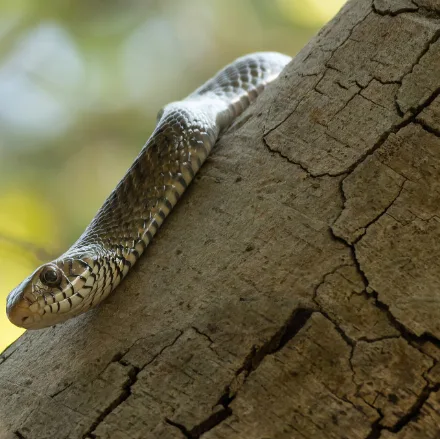
Oriental Rat Snake Occasional
Ptyas mucosa
A long, fast, wide eyed snake that races across open ground and is one of the region's great rodent controllers.
Where: Paddies and field margins throughout the valley. Best: Year round, day. Fast, harmless and usually seen crossing open ground.
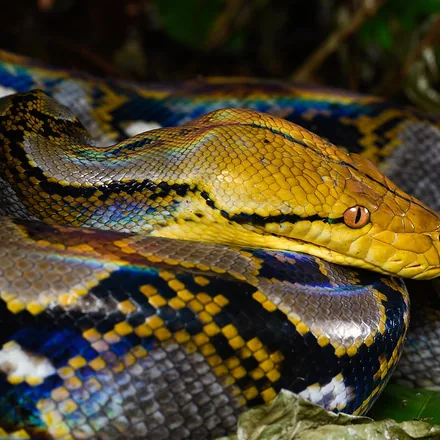
Reticulated Python Occasional
Malayopython reticulatus
The longest snake in the world, a jewelled, net patterned constrictor that turns up from rainforest to city canals.
Where: Streams, canals and forest edge, including the city outskirts. Best: Year round, night.
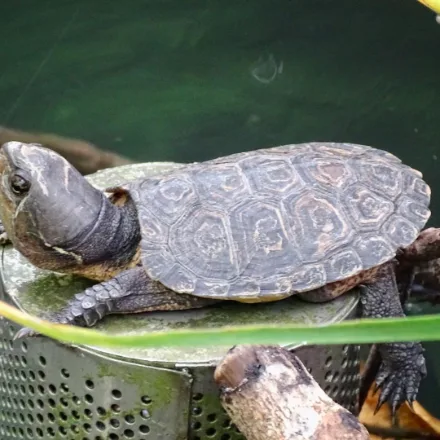
Big-headed Turtle Very rare Endangered
Platysternon megacephalum
A bizarre stream turtle with a head too big to pull in and a tail nearly as long as its shell, which climbs trees.
Where: Cool fast headwater streams on Doi Inthanon. Best: Year round, night. A stream specialist with a head too big to withdraw. Exceptionally rarely seen.
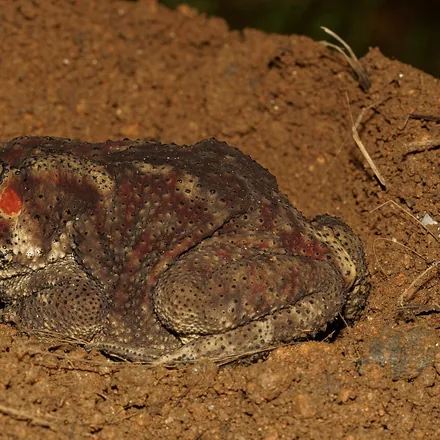
Asian Common Toad Common
Duttaphrynus melanostictus
The ubiquitous warty toad of doorsteps and gardens, hoovering up insects under every night light.
Where: Under every light in the old city and at every park headquarters. Best: Year round, night.
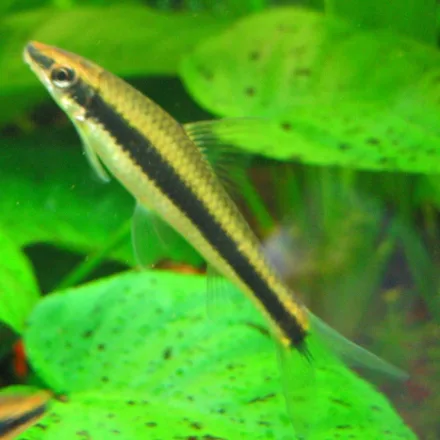
Siamese Algae Eater Regular
Crossocheilus oblongus
The one fish that reliably eats the black brush algae nothing else will touch.
Where: Riffles and pools in the forest streams of Doi Inthanon and Ob Luang. Best: Year round, day. Easy to watch with a mask in any shallow northern stream.
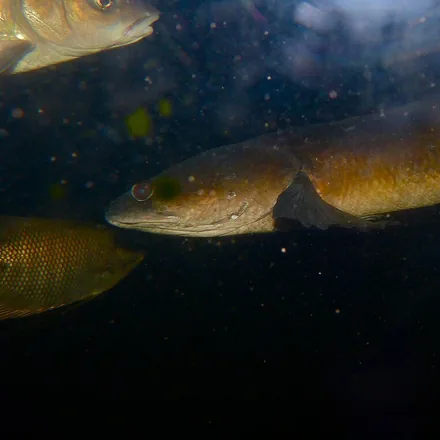
Striped Snakehead Regular
Channa striata
The fish that walks: it breathes air, crosses wet ground on its fins, and turns up in puddles miles from any river.
Where: Paddies, canals and marshes across the valley. Best: Year round, dusk. Surface gulps in a still paddy at dusk are almost always this fish.
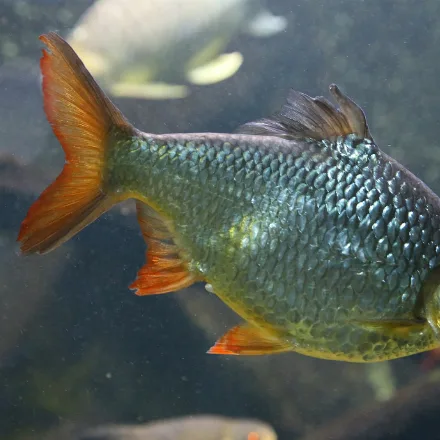
Tinfoil Barb Regular
Barbonymus schwanenfeldii
A shoal of these turning together is a sheet of mirror, which is exactly how they got the name.
Where: Temple ponds and the Ping river. Best: Year round, day.
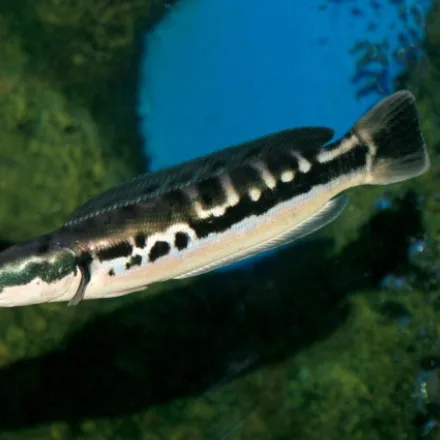
Giant Snakehead Occasional
Channa micropeltes
A metre-long ambush predator that guards its young in a red cloud of fry, and will charge anything that comes near them.
Where: Mae Ngat and Mae Kuang reservoirs. Best: Year round, morning. Watch for a dense orange cloud of fry at the surface with two adults beneath.
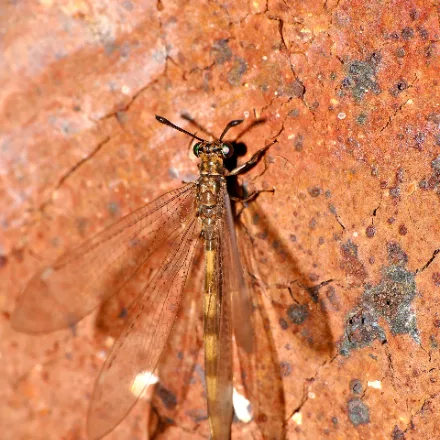
Antlion Common
Myrmeleon sp.
The larva digs a conical pit in dry sand and flicks grains at anything trying to climb out, collapsing the walls under it.
Where: Dry sand under temple eaves and cave mouths, including Chiang Dao. Best: Year round, day. Drop a grain of sand into a pit and watch what happens.
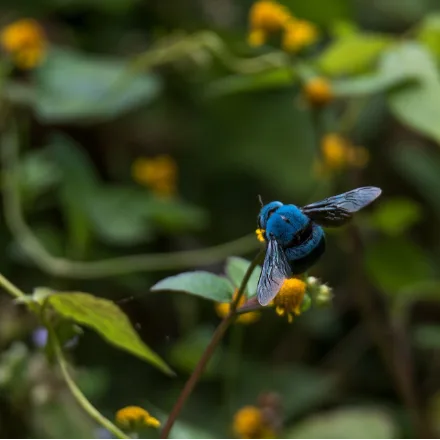
Blue Carpenter Bee Common
Xylocopa caerulea
A big, fuzzy, powder-blue bee that drones loudly between flowers like a flying pom-pom.
Where: Large flowers in gardens and forest edge throughout. Best: Year round, day. A loud, powder-blue bee, and entirely harmless.
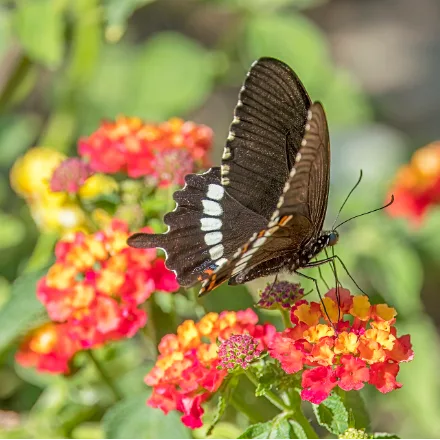
Common Mormon Common
Papilio polytes
Females come in three different forms, two of which impersonate butterflies that are poisonous to eat.
Where: Gardens and scrub across the city and valley. Best: Year round, day. Compare the female forms with the rose swallowtails they mimic.
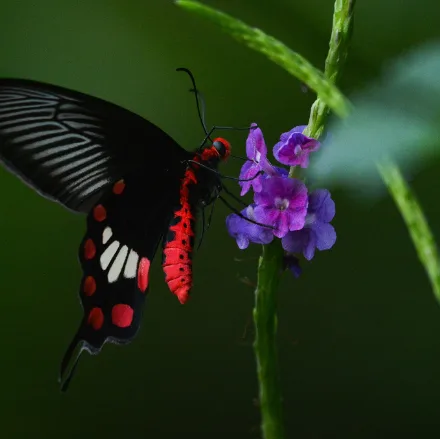
Common Rose Swallowtail Common
Pachliopta aristolochiae
A velvety black swallowtail with a crimson body and rose-pink spots, floating slowly to show it is poisonous.
Where: Gardens and forest edges throughout. Best: Year round, day. Flies slowly and openly, advertising that it is toxic.
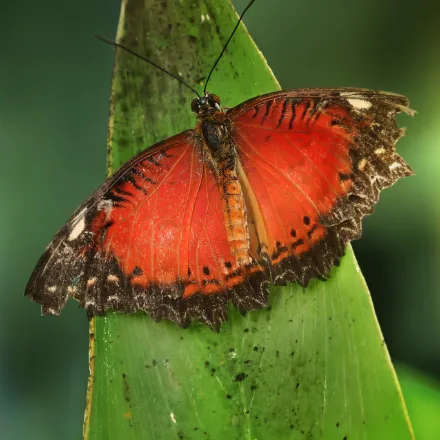
Leopard Lacewing Common
Cethosia cyane
A fiery orange butterfly edged in intricate black and white lace, common along sunlit trails.
Where: Gardens, scrub and forest edge throughout. Best: Year round, day.
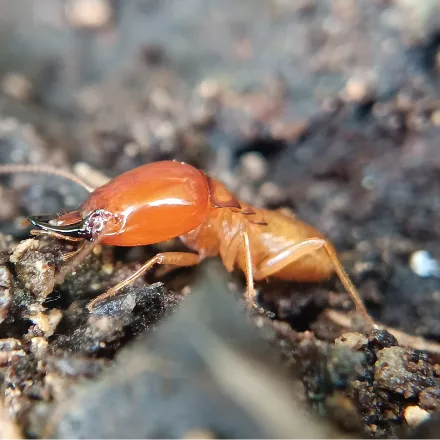
Mound-building Termite Common
Macrotermes gilvus
Farms fungus in underground gardens and air-conditions the whole mound passively, holding it within a degree of target year round.
Where: Dry dipterocarp forest floor at Mae Ping. Best: Year round, mounds visible always. Time a visit to the first big rain of the year for the nuptial flight.
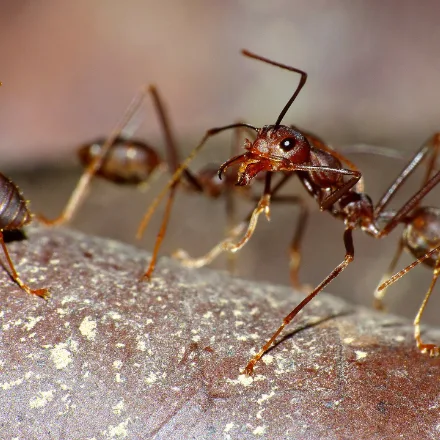
Weaver Ant Common
Oecophylla smaragdina
A rust-red ant that sews living leaves into nests using its own larvae as glue guns.
Where: Mango and lychee trees in orchards throughout the valley. Best: Year round, day. Look for leaf nests bound with white silk. The larvae are a northern delicacy.
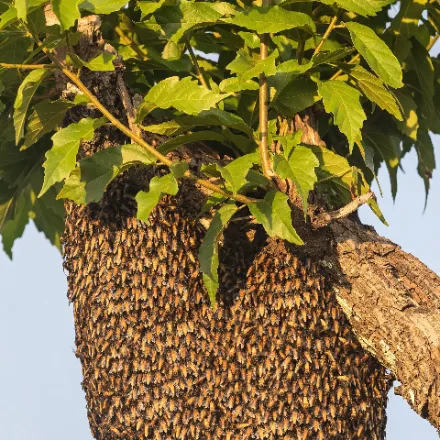
Giant Honey Bee Regular
Apis dorsata
A big, fierce wild bee that hangs single-comb nests the size of a door from high branches and cliffs.
Where: Cliff faces at Doi Chiang Dao and tall emergent trees on Doi Inthanon. Best: Year round, day. Single huge open combs hang high on cliffs and emergents. Keep well clear.
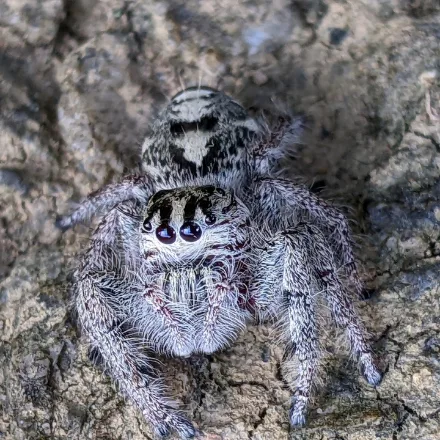
Heavy Jumping Spider Common
Hyllus diardi
Judges distance with a telephoto lens in each main eye, then jumps up to six times its own body length onto prey.
Where: Sunlit leaves and walls in gardens and forest edge. Best: Year round, day. Diurnal and curious. It will turn and look at your camera.
Out of season in January
40 species
What January costs you. The amphibians are the main loss, because the northern frogs and toads belong to the rains and the streams are low and quiet now. Several insects are the same story, and the forest is at its least green. Anyone whose priority is herps or invertebrates should come between June and September instead and accept the rain.
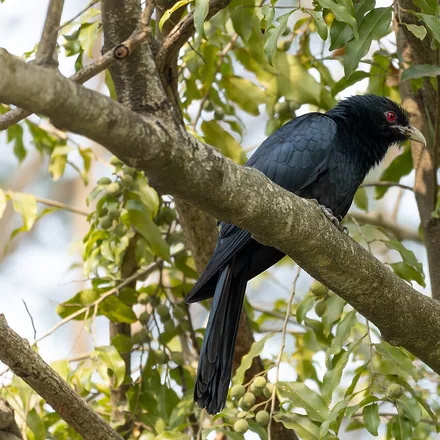
Asian Koel Common
Eudynamys scolopaceus
A glossy black cuckoo with blood-red eyes whose rising ko-el call is one of the defining sounds of tropical mornings.
Where: Gardens and open woodland across the city and the Mae Sa valley. Best: Mar-Jul, morning.
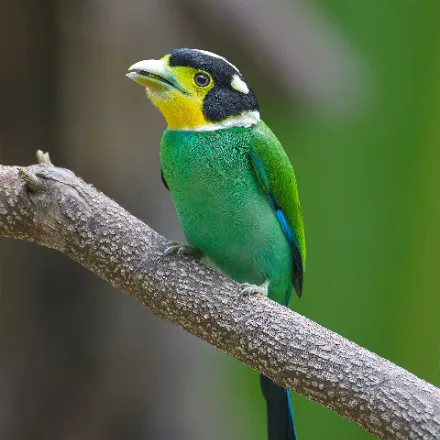
Long-tailed Broadbill Occasional
Psarisomus dalhousiae
A cartoonish beauty in parrot green with a black cap, blue crown patch and a long blue tail.
Where: Mid-level evergreen forest on Doi Inthanon around Km 34 to 37. Best: Feb-Jun, morning. Noisy family parties, which makes it one of the easier broadbills to find.
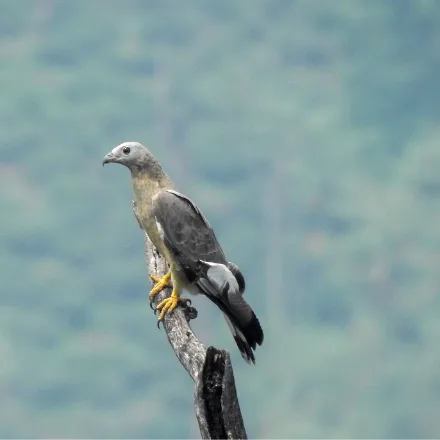
Oriental Honey-buzzard Occasional
Pernis ptilorhynchus
A raptor with a taste for wasps, raiding bee and hornet nests for their grubs with a specially armoured face.
Where: Over the ridges of Doi Inthanon and Doi Suthep on passage. Best: Oct-Nov and Mar-Apr, midday. Autumn passage over the northern hills can be a genuine spectacle.
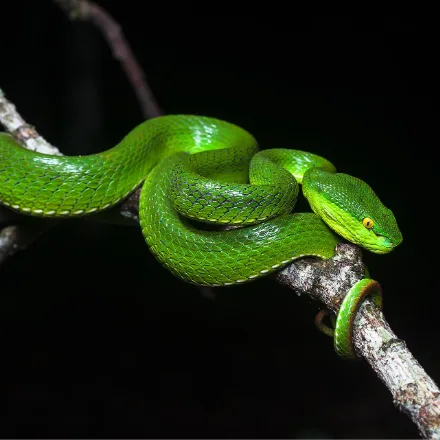
White-lipped Pit Viper Regular
Trimeresurus albolabris
A vivid green viper that drapes over branches at night, one of the most encountered venomous snakes in the tropics.
Where: Low vegetation beside streams on Doi Suthep and Doi Inthanon. Best: May-Oct, night. One of the commonest finds on a northern night walk. Green, with a white lip line.
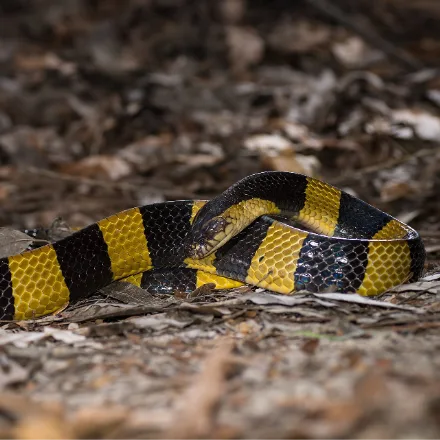
Banded Krait Occasional
Bungarus fasciatus
Unmistakable in bold black and yellow bands, a powerfully venomous snake that is oddly timid after dark.
Where: Forest tracks and farmland at Mae Ping and Sri Lanna. Best: May-Oct, night. Nocturnal and placid, but seriously venomous. Never handle one.
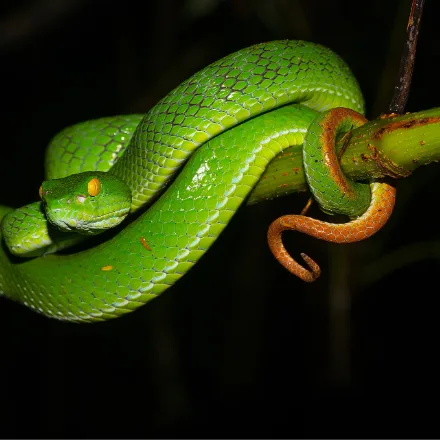
Large-eyed Pit Viper Occasional
Trimeresurus macrops
Vivid green with enormous copper eyes, and it hunts entirely by heat, so darkness makes no difference to it.
Where: Streamside vegetation on Doi Inthanon and at Ob Luang. Best: May-Oct, night.
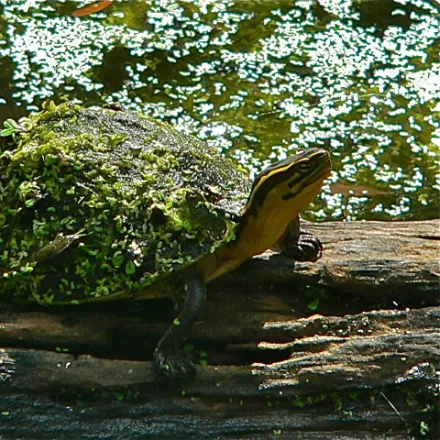
Malayan Box Turtle Occasional Endangered
Cuora amboinensis
A domed marsh turtle that seals itself completely inside a hinged shell like a living box.
Where: Paddies, ditches and marsh edges around Sri Lanna. Best: May-Oct, after rain.
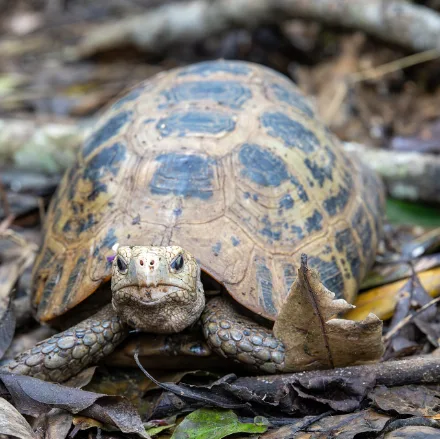
Elongated Tortoise Rare Critically Endangered
Indotestudo elongata
A forest tortoise whose pale head flushes pink around the eyes and nose in the breeding season.
Where: Deciduous forest floor at Mae Ping. Best: May-Oct, after rain.
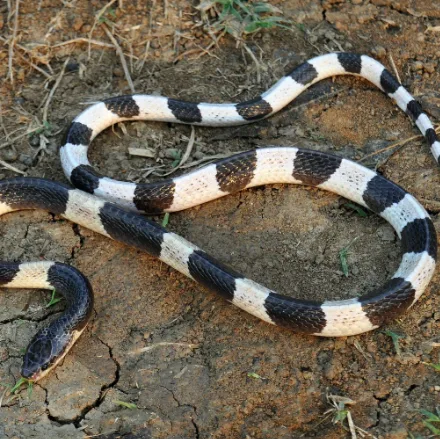
Malayan Krait (Blue Krait) Rare
Bungarus candidus
A quiet killer in crisp black and white bands, with venom many times stronger than a cobra's.
Where: Lowland forest edge and farmland across the valley. Best: May-Oct, night. Easily overlooked and dangerously venomous. Take real care on night walks.
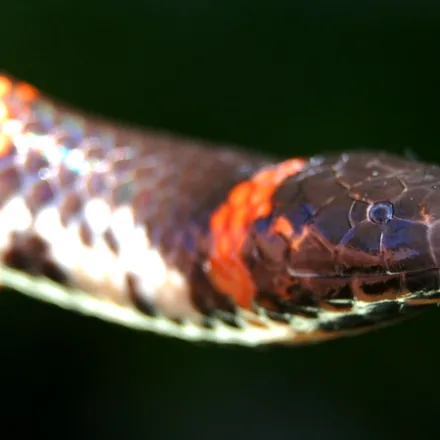
Red-tailed Pipe Snake Rare
Cylindrophis ruffus
When threatened it hides its head and raises its blunt tail instead, flashing bright red underneath as a decoy.
Where: Damp lowland ground and paddy bunds around Sri Lanna. Best: May-Oct, night.
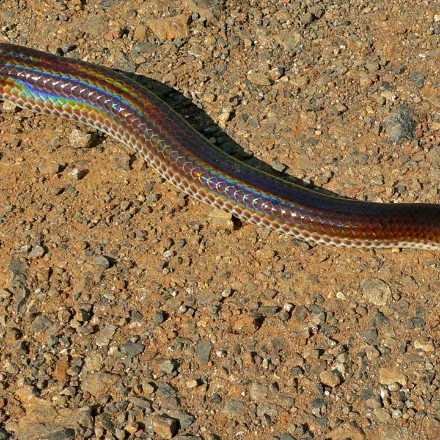
Sunbeam Snake Rare
Xenopeltis unicolor
Looks plain brown until light hits it, when the scales split the light into a full oil-slick rainbow.
Where: Damp soil in gardens and paddies after rain. Best: May-Oct, night. Hold a torch to it from the side to see the iridescence properly.
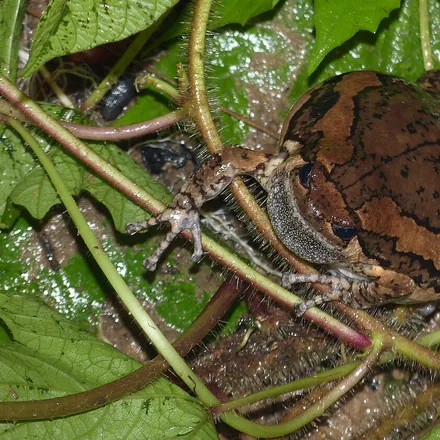
Banded Bullfrog (Chubby Frog) Common
Kaloula pulchra
A round, rubbery frog that inflates like a balloon when threatened and bellows like a cow after rain.
Where: Gardens and forest edge after downpours. Best: May-Oct, night. Its lowing call fills the first wet nights of the season.
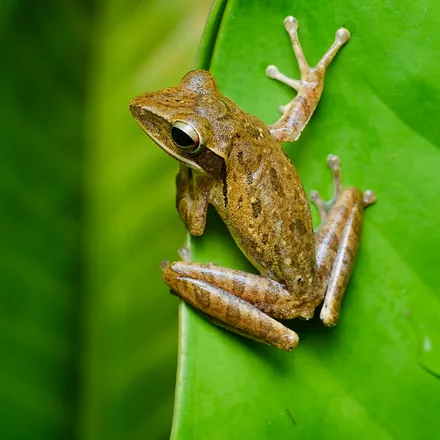
Common Tree Frog (Four-lined Tree Frog) Common
Polypedates leucomystax
The tan tree frog of porch lights and bathrooms, which whips up foam nests that hang above the water.
Where: Buildings, gardens and forest edge across the province. Best: May-Oct, night. Look for foam nests on leaves above standing water.
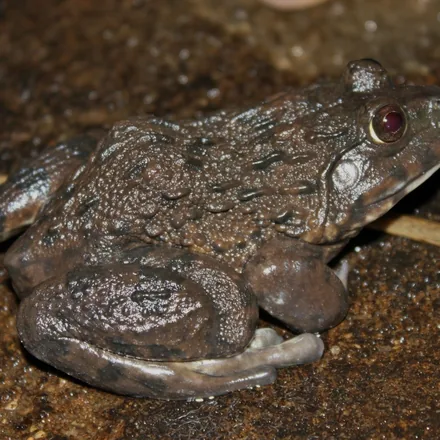
East Asian Bullfrog Common
Hoplobatrachus rugulosus
The big ridge backed frog of the rice paddies, whose deep quacking chorus is the sound of a Thai wet season.
Where: Paddies and ponds across the valley. Best: May-Oct, night. The deep quacking chorus is the signature sound of a wet northern night.
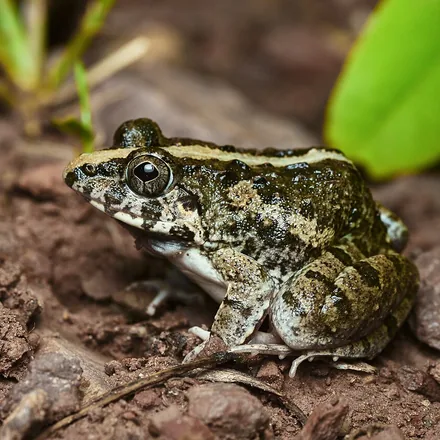
Rice Paddy Frog Common
Fejervarya limnocharis
The single most abundant frog in Thailand, and its numbers are now used as a live monitor for pesticide contamination.
Where: Paddies, ditches and puddles throughout. Best: May-Oct, night.
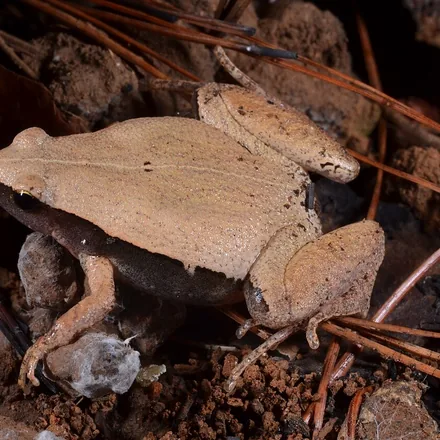
Dark-sided Chorus Frog Regular
Microhyla heymonsi
A pale hairline stripe runs the full length of its back, and a pair of dark spots on it mimic eyes at the wrong end.
Where: Shallow standing water in paddies and forest puddles. Best: May-Oct, night.
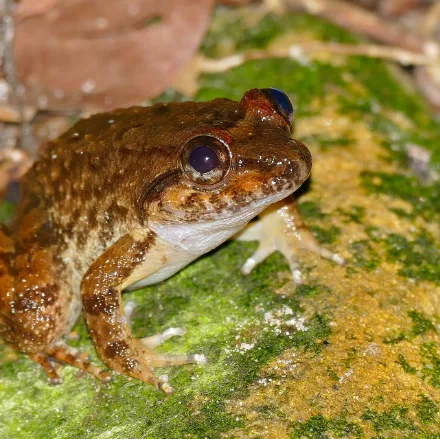
Kuhl's Creek Frog Regular
Limnonectes kuhlii
Males grow tusk-like projections from the lower jaw and use them to wrestle rivals in the stream.
Where: Gravel edges of shaded streams on Doi Inthanon and Doi Suthep. Best: May-Oct, night. Half-submerged against gravel. Breeding males carry tusks in the lower jaw.
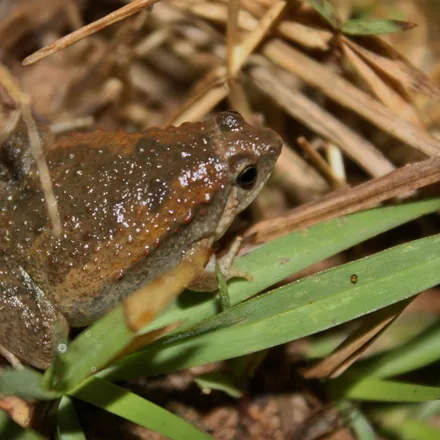
Ornate Narrow-mouthed Frog Regular
Microhyla fissipes
Smaller than a thumbnail, and after rain a paddy full of them produces a rasping chorus you can hear a kilometre away.
Where: Ditches and gardens after rain. Best: May-Oct, night.
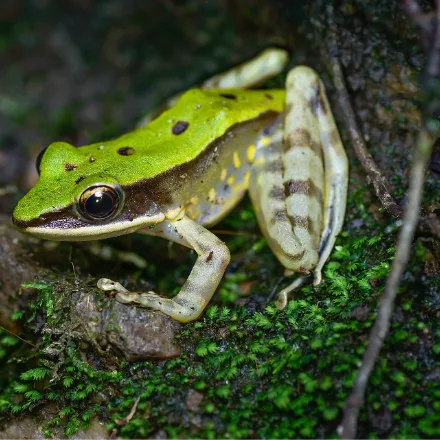
Green Cascade Frog Occasional
Odorrana chloronota
Lives in the spray of waterfalls and calls in ultrasound, above the range of human hearing, to beat the noise of the water.
Where: Wet rock in the splash zone at Siriphum, Wachirathan and Mae Klang waterfalls. Best: May-Oct, night. On the rock in the spray, not on the bank. Its call is ultrasonic and inaudible to us.
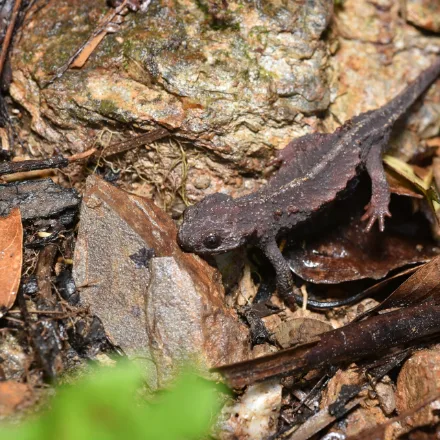
Thai Crocodile Newt Rare
Tylototriton uyenoi
Thailand's only newt, restricted to a handful of cool mountain pools in the north, and it looks like a small armoured dragon.
Where: Cool montane pools, ditches and seepages near the Doi Inthanon summit. Best: Jun-Oct, after rain. Thailand's only newt and a national endemic. Doi Inthanon is its best known site. CITES listed; never collect.
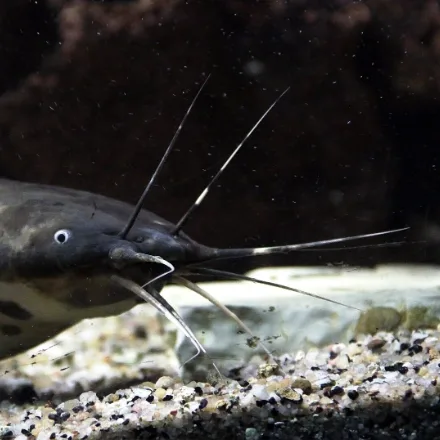
Walking Catfish Regular
Clarias batrachus
On wet nights whole fields of these wriggle overland between pools, snaking along on their pectoral spines.
Where: Canals, paddies and swamps throughout. Best: May-Oct, wet nights.
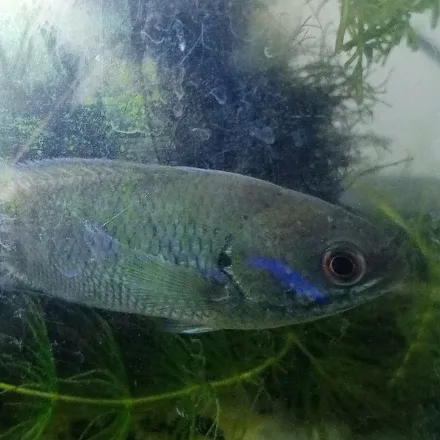
Climbing Perch Occasional
Anabas testudineus
A fish that walks out of the water and hauls itself overland on its gill covers, sometimes for hours.
Where: Paddies, ditches and marshes around Sri Lanna. Best: May-Oct, after rain. The overland walk happens after dark following heavy rain.
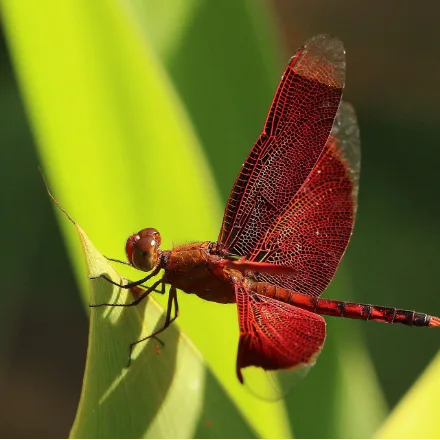
Common Parasol Dragonfly Common
Neurothemis fluctuans
A little red dragonfly with tinted wings, perched like a weather vane on every pond-side twig.
Where: Ponds, ditches and paddies at Huay Tueng Tao and Sri Lanna. Best: May-Oct, day.
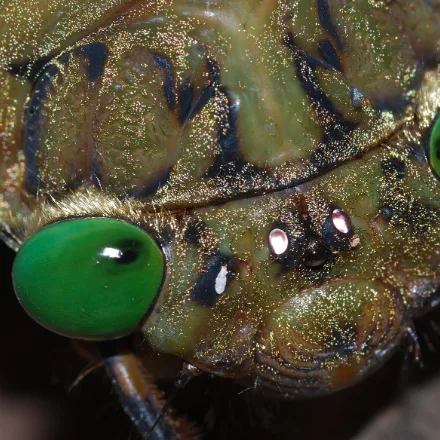
Giant Cicada Common
Pomponia imperatoria
A huge cicada whose piercing, ringing call is the loudest sound in the midday forest.
Where: Forest canopy on Doi Suthep and Doi Inthanon. Best: May-Oct, midday. Heard far more than seen, and the loudest voice of the midday forest.
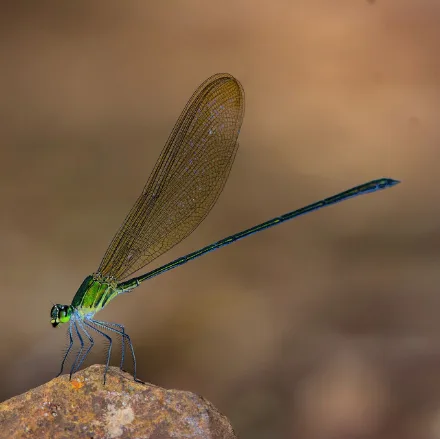
Clear-winged Forest Glory Regular
Vestalis gracilis
A damselfly of shaded forest streams whose body shifts from emerald to copper depending on where the light hits it.
Where: Shaded stream pools on Doi Inthanon and at Ob Luang. Best: May-Oct, day. Perches on twigs over the pool. A good clean-water indicator.
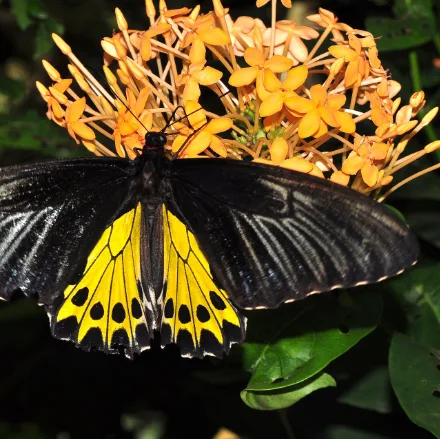
Common Birdwing Regular
Troides helena
A hand-sized black and gold butterfly that cruises the canopy like a small bird.
Where: Gardens and forest edge in the Mae Sa valley. Best: May-Oct, midday.
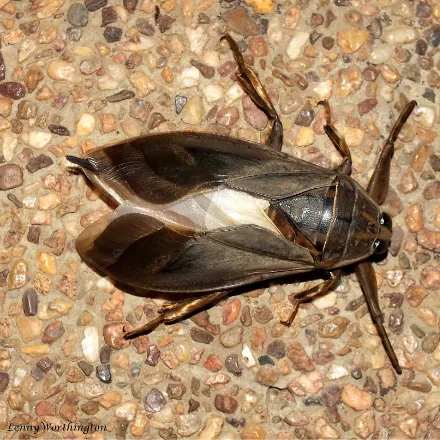
Giant Water Bug Regular
Lethocerus indicus
Big enough to kill a frog or a small snake, and its bite is rated among the most painful an insect can inflict.
Where: Paddies and ponds across the valley, and at lights near water. Best: May-Oct, night. Sold live in every northern market. A painful bite if handled.
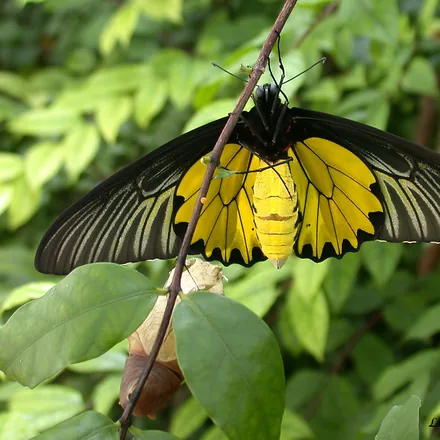
Golden Birdwing Regular
Troides aeacus
A huge butterfly with black forewings and blazing golden hindwings, sailing high along the forest edge.
Where: Flowering trees and forest clearings on Doi Suthep and around Mae Sa. Best: May-Oct, midday. A high, sailing flight gives it away long before the colour does.
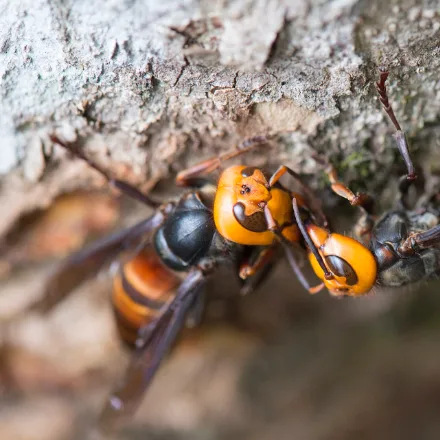
Asian Giant Hornet Occasional
Vespa mandarinia
The world's largest hornet, a thumb-length predator that can raid a whole bee colony single-handed.
Where: Forest and forest edge on Doi Suthep-Pui and Doi Inthanon. Best: May-Oct, day. Foraging hornets are calm. Give any nest a very wide berth.
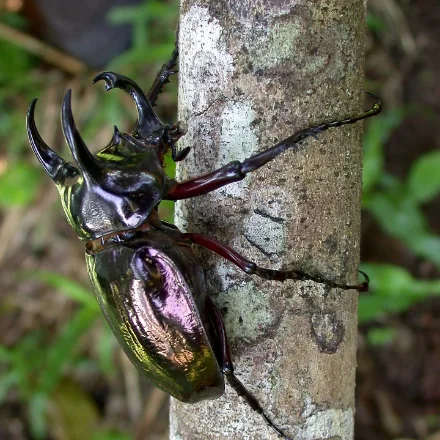
Atlas Beetle Occasional
Chalcosoma atlas
A giant three-horned beetle built like a piece of living armour.
Where: Forest edge and lodge lights on Doi Suthep-Pui. Best: May-Oct, after dark.
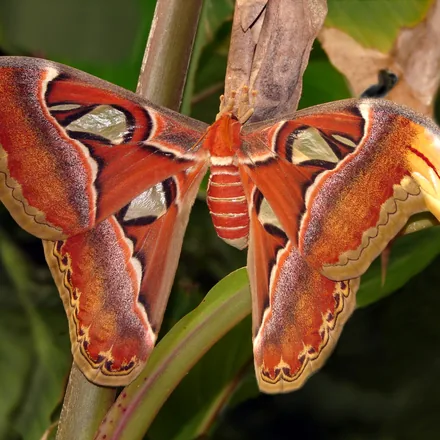
Atlas Moth Occasional
Attacus atlas
One of the largest moths on Earth, its wingtips shaped and coloured like a cobra's head.
Where: Lit walls and toilet blocks at park headquarters on Doi Inthanon and Doi Suthep. Best: May-Oct, after warm wet nights. Adults live only days and never feed.
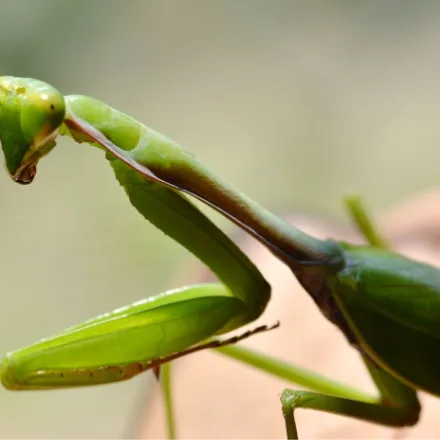
Giant Asian Mantis Occasional
Hierodula membranacea
A big green ambush hunter that turns its head to watch you, forelegs folded as if in prayer.
Where: Gardens, scrub and forest edge across the province. Best: May-Oct, night at lights. Turns its head to watch you, which almost nothing else does.
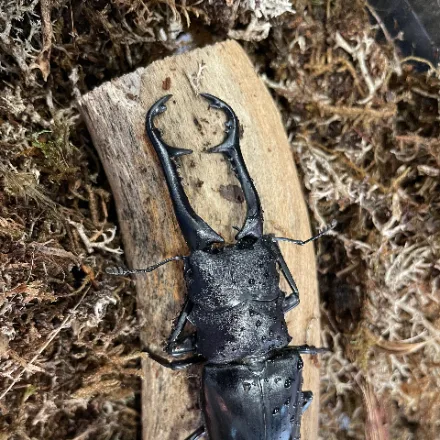
Giraffe Stag Beetle Occasional
Prosopocoilus giraffa
The longest stag beetle in the world, with jaws nearly as long as the rest of it, used to lever rivals off a tree.
Where: Sap runs and lit buildings at forest edge on Doi Inthanon and Doi Suthep. Best: May-Oct, after dark. Comes to lights. Also check fermenting fruit and sap-oozing trunks.
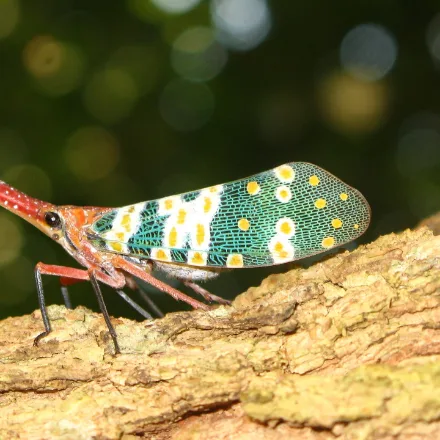
Lantern Bug Occasional
Pyrops candelaria
A gaudy planthopper with an upturned red snout once believed, wrongly, to glow in the dark.
Where: Favoured trunks in the hill forest of Doi Suthep-Pui. Best: May-Oct, day. Gathers in small groups on the same tree year after year. Look for the long red snout.
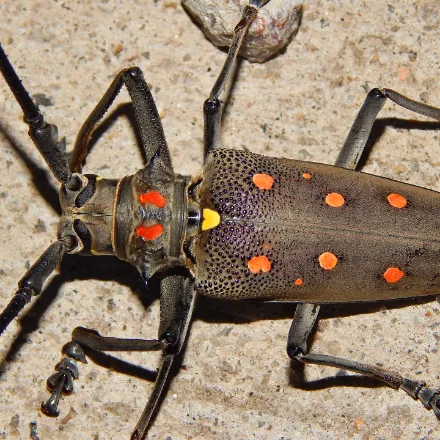
Mango Longhorn Beetle Occasional
Batocera rufomaculata
Antennae twice the length of its body, and it squeaks audibly when picked up by grinding its thorax.
Where: Orchards and lodge lights around Mae Rim and San Kamphaeng. Best: May-Oct, after dark. Squeaks loudly if picked up.
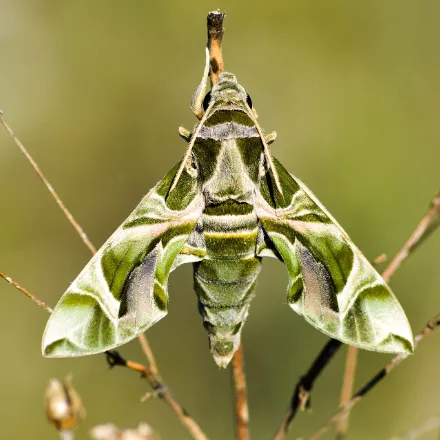
Oleander Hawkmoth Occasional
Daphnis nerii
Camouflaged like military fatigues and fast enough to cross the Mediterranean, it hovers at flowers like a hummingbird.
Where: Lit walls and night-scented flowers in the Mae Sa valley. Best: May-Oct, dusk and after dark.
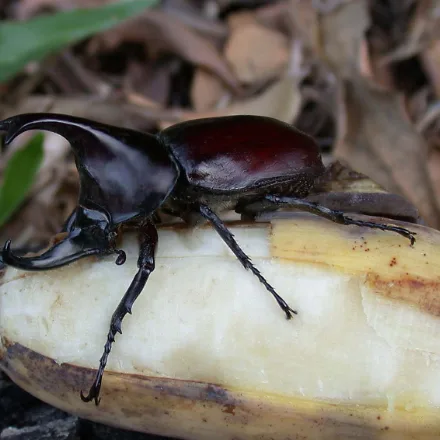
Rhinoceros Beetle Occasional
Xylotrupes gideon
A glossy tank of a beetle, the male armed with a forked horn for wrestling rivals.
Where: Sap runs and lit buildings at forest edge in the Mae Sa valley. Best: May-Oct, after dark.
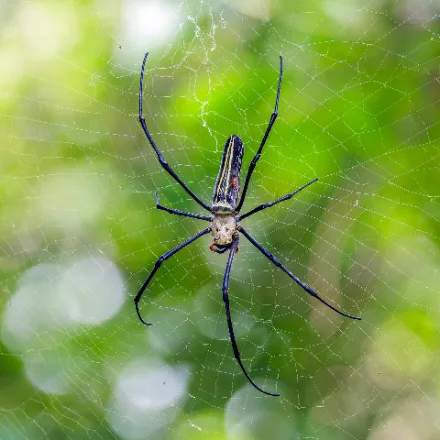
Golden Orb-weaver Common
Nephila pilipes
A giant black-and-yellow spider spinning webs of golden silk strong enough to snare small birds.
Where: Forest-edge paths on Doi Suthep and Doi Inthanon. Best: May-Oct, day. Large females hang in shimmering golden webs across trails. Harmless.
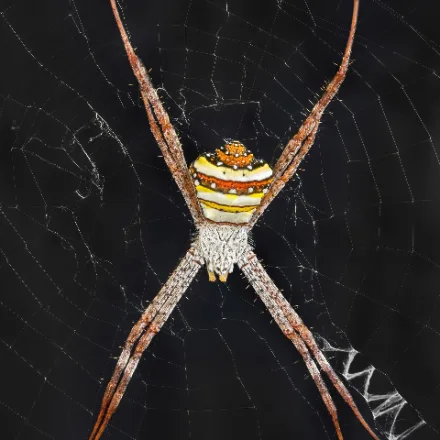
St Andrew's Cross Spider Common
Argiope versicolor
Weaves a bold white X into the middle of its web, and nobody has settled whether it attracts prey, warns birds or does both.
Where: Scrub and forest edge throughout. Best: May-Oct, day. The white silk cross in the web is the giveaway.
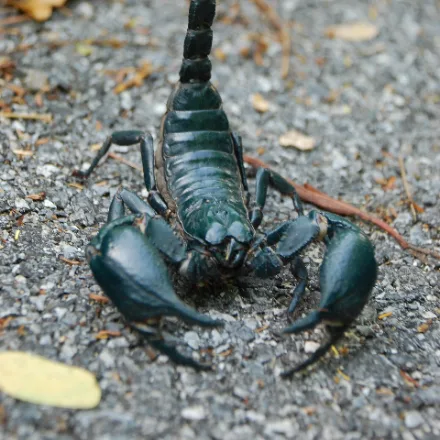
Asian Forest Scorpion Occasional
Heterometrus laoticus
A big, glossy black scorpion that glows an eerie blue-green under ultraviolet light.
Where: Forest floor and under logs on Doi Suthep-Pui. Best: May-Oct, night. Glows blue-green under a UV torch. The sting is mild.
Practical notes for January
Dress for the mountain, not for Thailand. The Doi Inthanon summit is routinely 5 to 10 degrees at dawn in January and can be colder, with wind, while Chiang Mai city sits in the mid twenties by afternoon. Visitors underestimate this every single year.
Be on the summit boardwalk at first light. The Ang Ka nature trail and the Kew Mae Pan ridge are both at their best in the first two hours, when the mixed flocks are moving and before the coach parties arrive at the twin pagodas.
The checkpoint at Doi Inthanon opens early and the road to the summit takes about ninety minutes from the city, so a serious birding morning means leaving Chiang Mai around 04:30. It is worth it once.
Doi Chiang Dao is the goral site and it is a separate trip, roughly two hours north. The limestone massif is the only reliable place in Thailand for that animal, and early morning on the lower cliffs is the way to look for it.
January is high season and the good guides book out. If you want the montane specialities rather than a scenic drive, book a birding guide well ahead, because knowing which stretch of the Kew Mae Pan trail the pheasants have been using this week is the whole game.
Come this month rather than next if you can. The burning season starts in February and Chiang Mai’s air quality through March and April is among the worst in the country, which affects both the views and the walking.
Find Doi Inthanon birding trips and northern Thailand wildlife guides
Some links on this page are affiliate links. If you book through them, Wildseer may earn a small commission at no extra cost to you.
Frequently asked questions
What wildlife can you see in Chiang Mai in January?
The Doi Inthanon montane birds at their best: green-tailed sunbird, ashy-throated warbler, silver-eared laughingthrush and Mrs Hume’s pheasant on the summit trails, plus wintering thrushes and flycatchers. Chinese goral on the Doi Chiang Dao limestone, white-handed gibbon in the hill forest, and northern mammals active late on cold mornings.
Is January a good time to visit Chiang Mai?
It is the best month of the year for wildlife in the north. Dry, cool, clear air, peak montane birding, and it comes before the agricultural burning that closes the valleys in haze from February through April.
How cold does Doi Inthanon get in January?
The summit routinely sits between 5 and 10 degrees at dawn and can be colder with wind chill, while the city is in the mid twenties by afternoon. Bring a proper fleece and a windproof layer; visitors underestimate this every year.
What do you miss by visiting Chiang Mai in January?
The amphibians, almost entirely, because the northern frogs and toads belong to the rains. Many insects too. The forest is at its driest and least green. June to September is the trade, wetter and greener with far more herp activity.
When should I be at the Doi Inthanon summit?
First light. The Ang Ka boardwalk and the Kew Mae Pan ridge are best in the first two hours while the mixed feeding flocks are moving. That means leaving Chiang Mai around 04:30, allowing about ninety minutes for the road.
More on Thailand wildlife
- Chiang Mai wildlife
- Mammals of Thailand
- Birds of Thailand
- Reptiles and Amphibians of Thailand
- Fish of Thailand
Part of the Wildlife in Thailand guide.
Image credits
image credits
- Mountain ridges of Doi Inthanon National Park in the cool season: Vyacheslav Argenberg | CC BY 4.0
- Mrs Hume’s Pheasant: Christoph Moning | CC BY 4.0
- Green-tailed Sunbird: Charles J. Sharp | CC BY-SA 4.0
- Chinese Goral: Thomas | CC BY 2.0
- white-handed-gibbon: JJ Harrison ( jjharrison89@facebook.com ) | CC BY 3.0
- Silver-eared Laughingthrush: Rushen | CC BY-SA 2.0
- Indochinese Ground Squirrel: scaup | CC BY 4.0
- Sambar Deer: Rushen | CC BY-SA 2.0
- Chinese Goral: Jane Charlen | CC BY 4.0
- Asiatic Black Bear: Dr. Raju Kasambe | CC BY-SA 4.0
- Mainland Serow: No machine-readable author provided. LigerCommon assumed (based on copyright claims). | Public domain
- Chestnut-tailed Minla: JJ Harrison (https://www.jjharrison.com.au/) | CC BY-SA 3.0
- Green-tailed Sunbird: Dibyendu Ash | CC BY-SA 3.0
- Ashy-throated Warbler: Tisha Mukherjee | CC BY-SA 4.0
- Common Kingfisher: Andreas Trepte | CC BY-SA 2.5
- Indian Roller: Charles J. Sharp | CC BY-SA 4.0
- Lesser Whistling Duck: Charles J. Sharp | CC BY-SA 4.0
- Snowy-browed Flycatcher: Lip Kee Yap from Singapore, Republic of Singapore | CC BY-SA 2.0
- Yellow-cheeked Tit: Ron Knight | CC BY 2.0
- Black-thighed Falconet: anukma | CC BY 4.0
- Blue-bearded Bee-eater: JJ Harrison ( ) | CC BY-SA 3.0
- Mrs Gould’s Sunbird: Mildeep | CC BY-SA 4.0
- Purple Heron: Charles J. Sharp | CC BY-SA 4.0
- Red-headed Trogon: JJ Harrison ( jjharrison89@facebook.com ) | CC BY-SA 3.0
- Silver-breasted Broadbill: JJ Harrison | CC BY-SA 4.0
- Great Hornbill: Lip Kee | CC BY-SA 2.0
- Green Peafowl: JJ Harrison | CC BY-SA 3.0
- Grey Peacock-Pheasant: วิศักดิ์ | CC BY-SA 4.0
- Dark-sided Thrush: JJ Harrison (https://www.jjharrison.com.au/) | CC BY-SA 3.0
- Mrs Hume’s Pheasant: Christoph Moning | CC BY 4.0
- Bengal Monitor: Dr. Raju Kasambe | CC BY-SA 4.0
- Eastern Russell’s Viper: Tontanthailand | CC BY-SA 4.0
- Thai Mahseer: Bernard DUPONT from FRANCE | CC BY-SA 2.0
- Blue Tiger: Charles J. Sharp | CC BY-SA 4.0
- Blue-spotted Tiger Beetle: Noah Kirkland | CC BY 4.0
- Jewel Beetle: Len Worthington | CC BY-SA 2.0
- Orange Oakleaf: Charles J. Sharp | CC BY-SA 4.0
- Thailand Black Tarantula: Sarka Masova | CC BY 4.0
- Greater Short-nosed Fruit Bat: Shantanu Kuveskar | CC BY-SA 3.0
- Himalayan Striped Squirrel: JJ Harrison | CC BY-SA 3.0
- Variable Squirrel: Rushenb | CC BY-SA 3.0
- Wrinkle-lipped Free-tailed Bat: Bernard DUPONT from FRANCE | CC BY-SA 2.0
- Black Giant Squirrel: JJ Harrison | CC BY-SA 3.0
- Northern Red Muntjac: Dr. Raju Kasambe | CC BY-SA 4.0
- Wild Boar: Charles J. Sharp | CC BY-SA 4.0
- Assamese Macaque: Tisha Mukherjee | CC BY-SA 4.0
- Common Palm Civet: Tisha Mukherjee | CC BY-SA 4.0
- Crab-eating Mongoose: Zitu.madcap0901125 | CC BY-SA 4.0
- Malayan Porcupine: Wich'yanan L | CC BY 4.0
- Masked Palm Civet: Rushenb | CC BY-SA 4.0
- Northern Treeshrew: JJ Harrison ( ) | CC BY-SA 3.0
- Phayre’s Leaf Monkey: Rejoice Gassah | CC BY 4.0
- Red Giant Flying Squirrel: Muhammad Al Fatih | CC BY 4.0
- Yellow-throated Marten: Rushenb | CC BY 3.0
- Asiatic Brush-tailed Porcupine: Ian Dugdale | CC BY 4.0
- Bengal Slow Loris: Wich'yanan L | CC BY 4.0
- Hog Badger: Rushenb | CC BY-SA 4.0
- Large Indian Civet: Rohit Naniwadekar | CC BY-SA 4.0
- Leopard Cat: Ian Dugdale | CC BY 4.0
- Stump-tailed Macaque: Rushen | CC BY-SA 2.0
- White-handed Gibbon: JJ Harrison | CC BY 3.0
- Chinese Pangolin: Licheng Shih | CC BY 4.0
- Coppersmith Barbet: Parth Kansara | CC BY 4.0
- Greater Racket-tailed Drongo: Mildeep | CC BY-SA 4.0
- Rufous-winged Fulvetta: lonelyshrimp | CC0
- White-breasted Waterhen: Tisha Mukherjee | CC BY-SA 4.0
- White-throated Kingfisher: Giles Laurent | CC BY-SA 4.0
- Blue Whistling Thrush: JJ Harrison ( jjharrison89@facebook.com ) | CC BY-SA 3.0
- Chestnut-headed Bee-eater: JJ Harrison ( ) | CC BY-SA 3.0
- Collared Scops Owl: Tisha Mukherjee | CC BY-SA 4.0
- Crested Serpent Eagle: Mildeep | CC BY-SA 4.0
- Crimson Sunbird: Charles J. Sharp | CC BY-SA 4.0
- Golden-fronted Leafbird: Tisha Mukherjee | CC BY-SA 4.0
- Greater Flameback: JJ Harrison ( ) | CC BY-SA 3.0
- Green-billed Malkoha: Tisha Mukherjee | CC BY-SA 4.0
- Large-tailed Nightjar: Rushen | CC BY-SA 2.0
- Red Junglefowl: dhfischer | CC BY 4.0
- Scarlet Minivet: Tisha Mukherjee | CC BY-SA 4.0
- Silver-eared Laughingthrush: Jason Thompson | CC BY 2.0
- White-crowned Forktail: Wikimedia Commons contributor, see file page | CC BY 2.0
- Asian Fairy-bluebird: Manoj Kunnambath | CC BY-SA 4.0
- Changeable Hawk-eagle: Charles J. Sharp | CC BY-SA 4.0
- Little Spiderhunter: Charles J. Sharp | CC BY-SA 4.0
- Oriental Pied Hornbill: Sipuwildlife | CC BY-SA 4.0
- Pygmy Cupwing: Francesco Veronesi from Italy | CC BY-SA 2.0
- White-browed Shortwing: 严崴 | CC BY 4.0
- Common House Gecko: Firos AK | CC BY-SA 4.0
- Common Sun Skink: Charles J. Sharp | CC BY-SA 4.0
- Oriental Garden Lizard: Ajay Kuyiloor | CC BY-SA 3.0
- Tokay Gecko: Gerard Chartier | CC BY 4.0
- Asian Water Monitor: John Thomas | Unsplash License
- Asian Water Dragon: Rushenb | CC BY-SA 3.0
- Copperhead Racer: Rushen | CC BY-SA 2.0
- Golden Tree Snake: Bernard DUPONT from FRANCE | CC BY-SA 2.0
- Indochinese Spitting Cobra: Rushen | CC BY-SA 2.0
- Monocled Cobra: Biswarup Ganguly | CC BY 3.0
- Mountain Horned Dragon: Rushenb | CC BY-SA 4.0
- Oriental Rat Snake: Tisha Mukherjee | CC BY-SA 4.0
- Reticulated Python: Rushenb | CC BY-SA 2.0
- Big-headed Turtle: Toby Y | CC BY 4.0
- Asian Common Toad: Jeevan Jose | CC BY-SA 4.0
- Siamese Algae Eater: Levi76 | CC BY-SA 3.0
- Striped Snakehead: Bernard DUPONT | CC BY-SA 2.0
- Tinfoil Barb: Rufus46 | CC BY-SA 3.0
- Giant Snakehead: BEDO (Thailand) | CC BY-SA 4.0
- Antlion: Bernard DUPONT from FRANCE | CC BY-SA 2.0
- Blue Carpenter Bee: Wich'yanan L | CC BY 4.0
- Common Mormon: Charles J. Sharp | CC BY-SA 4.0
- Common Rose Swallowtail: Vedant Raju Kasambe | CC BY-SA 4.0
- Leopard Lacewing: Richard Bartz , Munich aka Makro Freak | CC BY-SA 2.5
- Mound-building Termite: Mark Bulahao | CC BY 4.0
- Weaver Ant: Bernard DUPONT from FRANCE | CC BY-SA 2.0
- Giant Honey Bee: Basile Morin | CC BY-SA 4.0
- Heavy Jumping Spider: Doreen | CC BY 4.0
- Asian Koel: Tisha Mukherjee | CC BY-SA 4.0
- Long-tailed Broadbill: JJ Harrison ( ) | CC BY-SA 3.0
- Oriental Honey-buzzard: Tisha Mukherjee | CC BY-SA 4.0
- White-lipped Pit Viper: Rushen | CC BY-SA 2.0
- Banded Krait: Rushen | CC BY-SA 2.0
- Large-eyed Pit Viper: Rushenb | CC BY-SA 4.0
- Malayan Box Turtle: Bernard DUPONT from FRANCE | CC BY-SA 2.0
- Elongated Tortoise: Superbass | CC BY-SA 4.0
- Malayan Krait (Blue Krait): Wibowo Djatmiko ( Wie146 ) | CC BY-SA 3.0
- Red-tailed Pipe Snake: Wibowo Djatmiko ( Wie146 ) | CC BY-SA 3.0
- Sunbeam Snake: Bernard DUPONT from FRANCE | CC BY-SA 2.0
- Banded Bullfrog: Bernard DUPONT | CC BY-SA 2.0
- Common Tree Frog: Rushen | CC BY-SA 2.0
- East Asian Bullfrog: Thomas Brown | CC BY 2.0
- Rice Paddy Frog: Rushen | CC BY-SA 2.0
- Dark-sided Chorus Frog: Eugene Popov | CC BY 4.0
- Kuhl’s Creek Frog: Bernard DUPONT from FRANCE | CC BY-SA 2.0
- Ornate Narrow-mouthed Frog: Thomas Brown | CC BY 2.0
- Green Cascade Frog: Rushen | CC BY-SA 2.0
- Thai Crocodile Newt: Yung-Lun Lin (yunglunlin) | CC BY 4.0
- Walking Catfish: Vassil | CC0
- Climbing Perch: Renno Sumarsono | CC0
- Common Parasol Dragonfly: Charles J. Sharp | CC BY-SA 4.0
- Giant Cicada: Bernard DUPONT from FRANCE | CC BY-SA 2.0
- Clear-winged Forest Glory: Vedant Raju Kasambe | CC BY 4.0
- Common Birdwing: Pavel Kirillov from St.Petersburg, Russia | CC BY-SA 2.0
- Giant Water Bug: Len Worthington | CC BY-SA 2.0
- Golden Birdwing: Len Worthington | CC BY-SA 2.0
- Asian Giant Hornet: LiCheng Shih | CC BY 2.0
- Atlas Beetle: Len Worthington | CC BY-SA 2.0
- Atlas Moth: Nevit Dilmen | CC BY-SA 3.0
- Giant Asian Mantis: Sophy Chen | Pexels Licence
- Giraffe Stag Beetle: Fungus Guy | CC BY-SA 4.0
- Lantern Bug: Richard Ling <wikipedia@rling.com> | CC BY-SA 3.0
- Mango Longhorn Beetle: Gouthamching | CC BY-SA 4.0
- Oleander Hawkmoth: Chriskazil | CC BY-SA 4.0
- Rhinoceros Beetle: Len Worthington | CC BY-SA 2.0
- Golden Orb-weaver: Charles J. Sharp | CC BY-SA 4.0
- St Andrew’s Cross Spider: Basile Morin | CC BY-SA 4.0
- Asian Forest Scorpion: Chris huh | CC BY-SA 3.0