
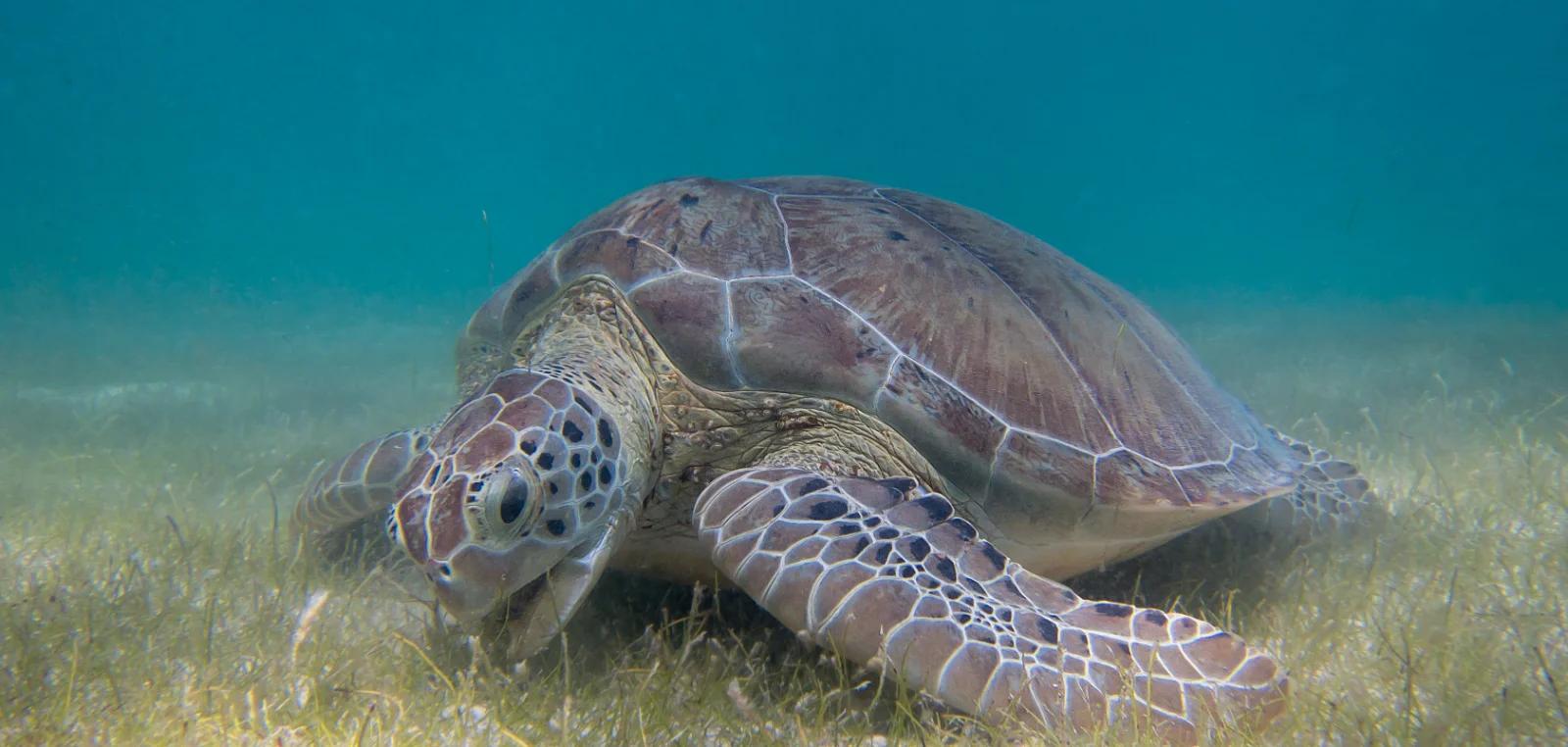
Turtle watching in Sri Lanka is two completely different activities that share an animal. One happens at night, on foot, on a dark beach, and is about a female hauling out to nest: slow, quiet, and among the more affecting things in wildlife watching. The other happens at midday in a metre of clear water with a mask on, and is about turtles feeding on reef and seagrass. This page covers both, because most people who search for one end up wanting the other as well.
The nesting side is the reason Sri Lanka matters. Five species come ashore on this coastline and all five have been recorded on a single beach at Rekawa, which very few places anywhere can say. The season is not one window but a rolling series of them, so there is nesting somewhere on the island in most months of the year. Every beach and every month below is a record in the Wildseer database.
Highlights
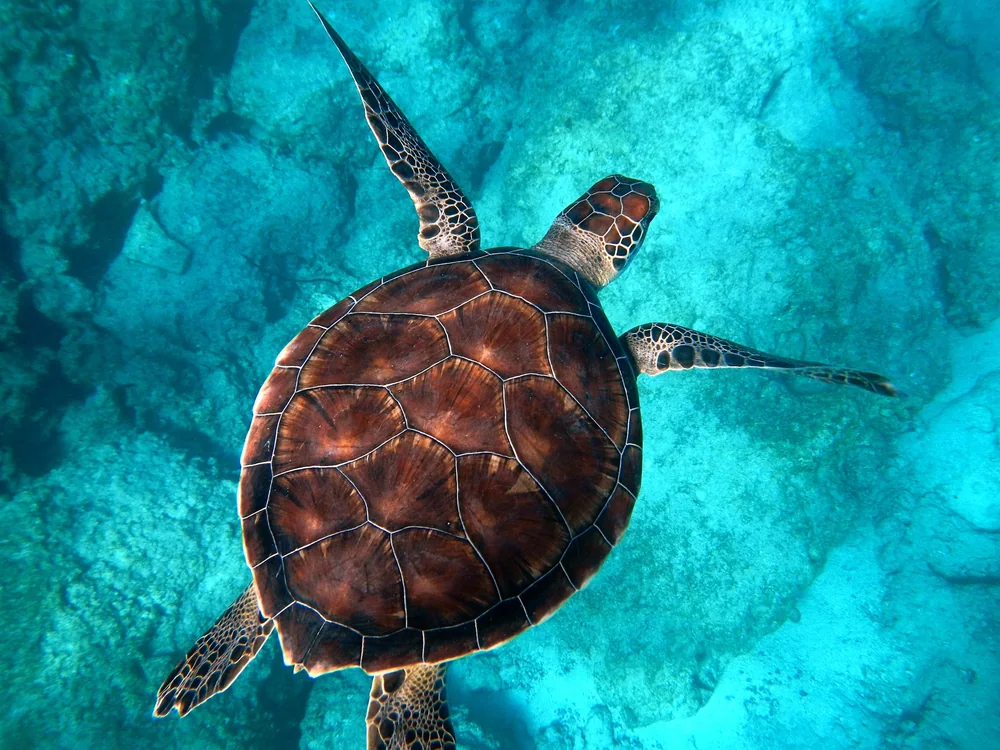
Green Sea Turtle
The great grazing turtle of the tropics, the only sea turtle that turns vegetarian as an adult. Where: The nesting beach, on the guided night watch from the visitor centre. Best: February to July, from 20:00.
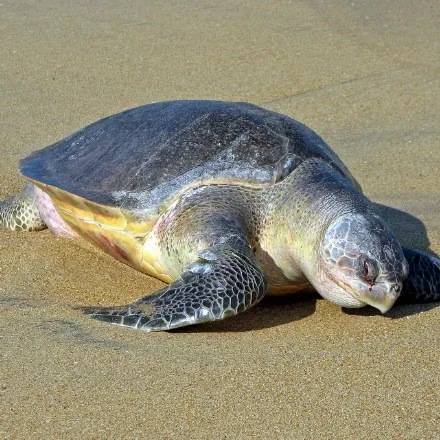
Olive Ridley Turtle
The smallest and most numerous sea turtle, famous elsewhere for mass nestings of thousands at once. Where: The nesting beach on the night watch. Best: December to January.
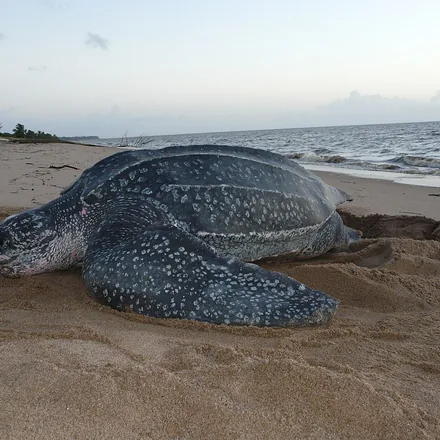
Leatherback Turtle
The largest turtle on Earth, a jellyfish hunter that dives deeper than most whales and crosses whole oceans. Where: The nesting beach on the night watch. Best: January to June.
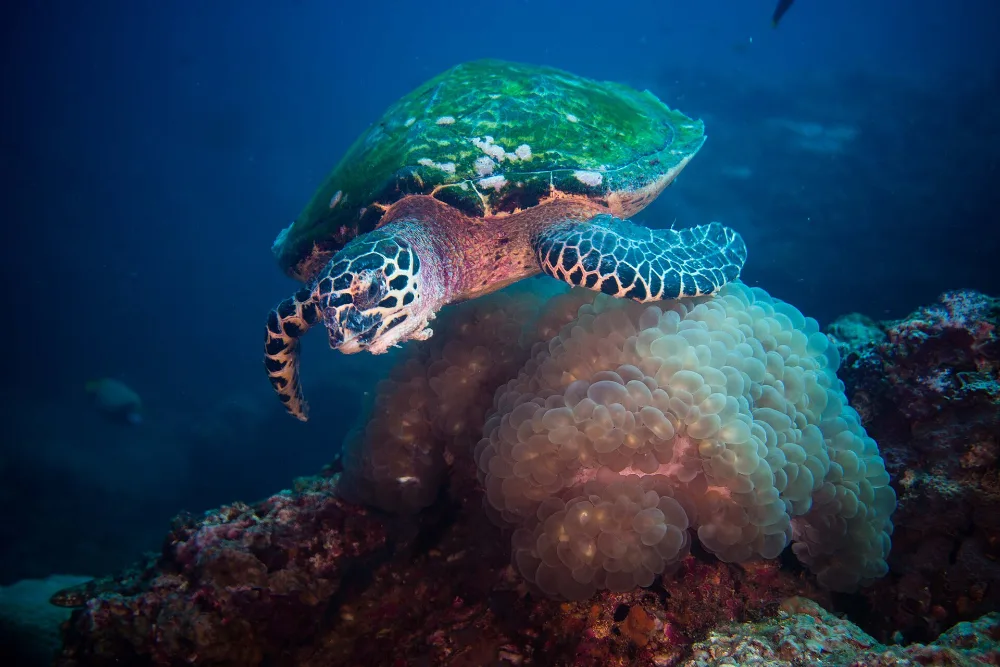
Hawksbill Turtle
The reef's sponge specialist, its beautiful shell also the reason it was hunted to the edge. Where: The nesting beach, on the night watch. Best: February to July.
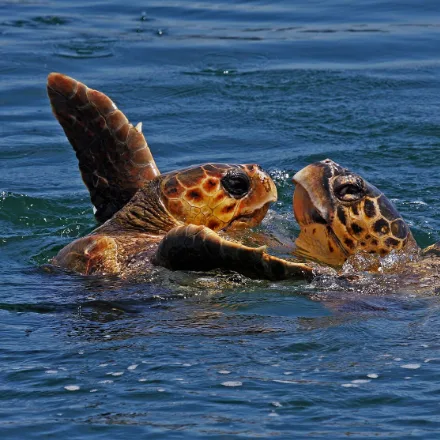
Loggerhead Turtle
Jaws powerful enough to crush a queen conch, and it navigates ocean basins by reading the earth's magnetic field. Where: The nesting beach on the night watch. Best: November to April.
Rekawa
The one that matters. Two kilometres of dark sand between Tangalle and the Kirinda road, with records of all five species coming ashore. Green turtles are Regular from February to July and are what most visitors see; olive ridleys peak in December and January. The watching is done at night and on foot, and the people who run it are the same community that used to harvest the eggs from this beach.
8 of 8 recorded species
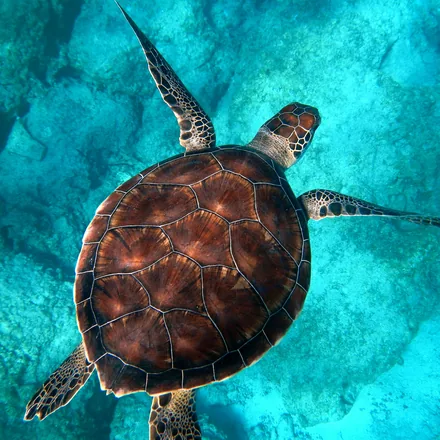
Green Sea Turtle Regular
Chelonia mydas
The great grazing turtle of the tropics, the only sea turtle that turns vegetarian as an adult.
Where: The nesting beach, on the guided night watch from the visitor centre. Best: February to July, from 20:00. A genuine wild nesting beach with in situ nest protection, not a hatchery. Expect to wait, and expect no torches.
Leatherback Turtle Rare Vulnerable
Dermochelys coriacea
The largest turtle on Earth, a jellyfish hunter that dives deeper than most whales and crosses whole oceans.
Where: The nesting beach on the night watch. Best: January to June. The second commonest nester here, ahead of the olive ridley, and anyone who sees one has had an exceptional night.
Olive Ridley Turtle Occasional Vulnerable
Lepidochelys olivacea
The smallest and most numerous sea turtle, famous elsewhere for mass nestings of thousands at once.
Where: The nesting beach on the night watch. Best: December to January.
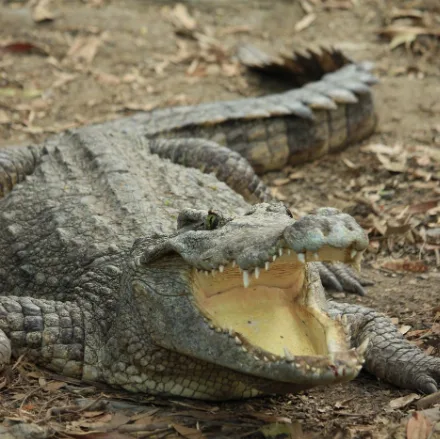
Saltwater Crocodile Rare
Crocodylus porosus
The largest living reptile and the ocean going giant of crocodiles, now virtually gone from Thai waters.
Where: The lagoon and the river mouth. Best: Year round.
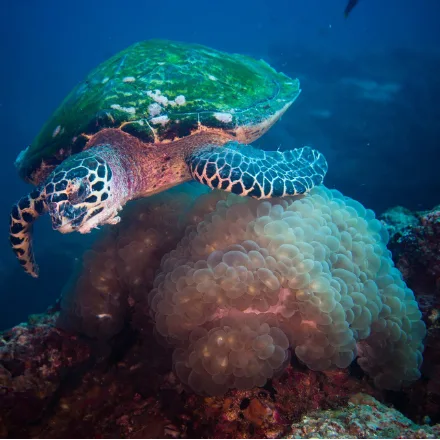
Hawksbill Turtle Very rare Critically Endangered
Eretmochelys imbricata
The reef's sponge specialist, its beautiful shell also the reason it was hunted to the edge.
Where: The nesting beach, on the night watch. Best: February to July. Historically nested heavily on the south coast and was hunted out for tortoiseshell.
Loggerhead Turtle Ultra rare Vulnerable
Caretta caretta
Jaws powerful enough to crush a queen conch, and it navigates ocean basins by reading the earth's magnetic field.
Where: The nesting beach on the night watch. Best: November to April. If an operator claims routine loggerhead nesting, treat everything else they tell you sceptically.
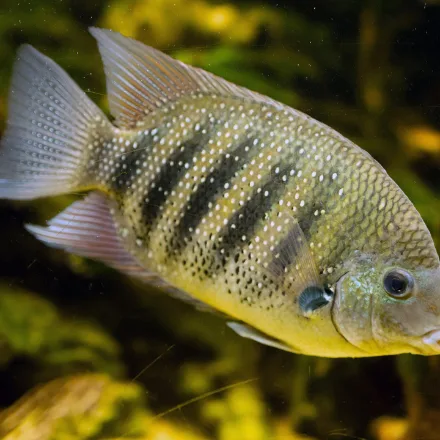
Green Chromide Regular
Etroplus suratensis
One of only three cichlids in all of Asia, and the other two are its close relatives.
Where: Brackish lagoon shallows. Best: Year round.
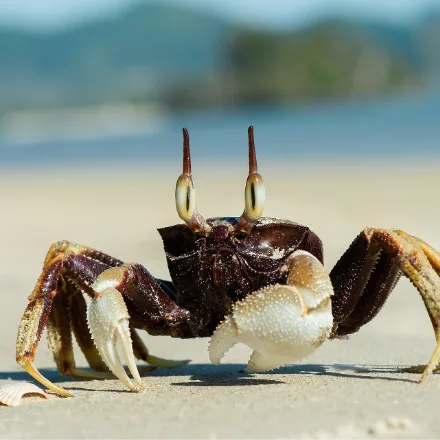
Horn-eyed Ghost Crab Common
Ocypode ceratophthalmus
The fastest crab on earth, clocked at over two metres a second, and it growls at intruders from inside its burrow.
Where: The nesting beach itself after dark, and the reason many nests fail. Best: Year round. Ghost crabs take eggs and hatchlings, and the burrows scattered over the nesting beach are theirs. They are part of why the hatchery exists rather than a nuisance to be removed.
See all 8 species recorded at Rekawa
Tangalle
The same stretch of coast a few kilometres west, quieter and less organised, with green turtles from February to July and leatherbacks from April to July. The lagoon system behind the town holds a serious waterbird list, which makes this the easiest place on the south coast to put a night beach and a dawn boat into the same twenty four hours.
8 of 8 recorded species
Green Sea Turtle Regular
Chelonia mydas
The great grazing turtle of the tropics, the only sea turtle that turns vegetarian as an adult.
Where: The beaches between Tangalle and Rekawa at night. Best: February to July. The same nesting coast as Rekawa, with less structure around it. Do not use white light on a nesting beach.
Leatherback Turtle Rare Vulnerable
Dermochelys coriacea
The largest turtle on Earth, a jellyfish hunter that dives deeper than most whales and crosses whole oceans.
Where: The beaches between Tangalle and Rekawa, coming ashore at night. Best: April to July. The largest turtle in the world and the least often seen. A nesting leatherback is a genuinely rare thing to witness.
Hawksbill Turtle Rare Critically Endangered
Eretmochelys imbricata
The reef's sponge specialist, its beautiful shell also the reason it was hunted to the edge.
Where: Offshore reef and rubble rather than the nesting beaches. Best: Year round.
Saltwater Crocodile Occasional
Crocodylus porosus
The largest living reptile and the ocean going giant of crocodiles, now virtually gone from Thai waters.
Where: The lagoon channels and the river mouths, more often than people expect. Best: Year round. A different and more dangerous animal than the mugger, and it is in the lagoons and the river mouths here.
Olive Ridley Turtle Occasional Vulnerable
Lepidochelys olivacea
The smallest and most numerous sea turtle, famous elsewhere for mass nestings of thousands at once.
Where: The nesting beaches. Best: December to January.
Green Chromide Regular
Etroplus suratensis
One of only three cichlids in all of Asia, and the other two are its close relatives.
Where: The Kalametiya and Rekawa lagoon systems. Best: Year round.
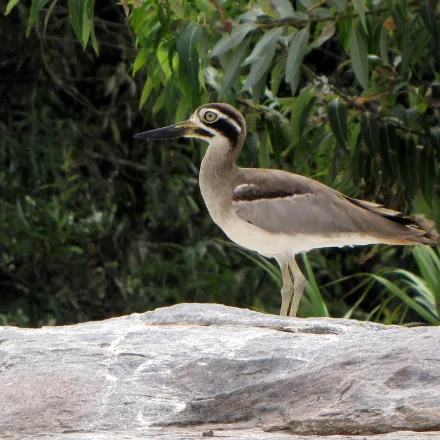
Great Thick-knee Occasional Near Threatened
Esacus recurvirostris
A heavy, huge-eyed shorebird that stands motionless on open shingle all day and only comes alive at dusk.
Where: Dry lagoon margins and the sand spits. Best: November to March.
Horn-eyed Ghost Crab Common
Ocypode ceratophthalmus
The fastest crab on earth, clocked at over two metres a second, and it growls at intruders from inside its burrow.
Where: The open sand at night, sprinting between burrows. Best: Year round, night. The crab that sprints past while you are waiting for a turtle.
See all 8 species recorded at Tangalle
Hikkaduwa
The daytime half of turtle watching, and the easiest turtle encounter in the country. Green turtles are Common on the shallow reef from November to April, in water you can stand up in, a few strokes from the sand. No boat, no night, no season beyond the monsoon. It is where a great many people meet a wild sea turtle for the first time.
8 of 27 recorded species
Green Sea Turtle Common
Chelonia mydas
The great grazing turtle of the tropics, the only sea turtle that turns vegetarian as an adult.
Where: The shallow reef and the beach shallows, where turtles come in to be fed by hotels. Best: November to April. Turtles here are habituated and hand fed, which is why they are so easy to see. That is a fed animal, not a wild encounter, and it is worth knowing the difference.
Hawksbill Turtle Occasional Critically Endangered
Eretmochelys imbricata
The reef's sponge specialist, its beautiful shell also the reason it was hunted to the edge.
Where: Coral on the fringing reef. Best: November to April.
Olive Ridley Turtle Occasional Vulnerable
Lepidochelys olivacea
The smallest and most numerous sea turtle, famous elsewhere for mass nestings of thousands at once.
Where: Offshore water and occasionally over the reef. Best: Year round.
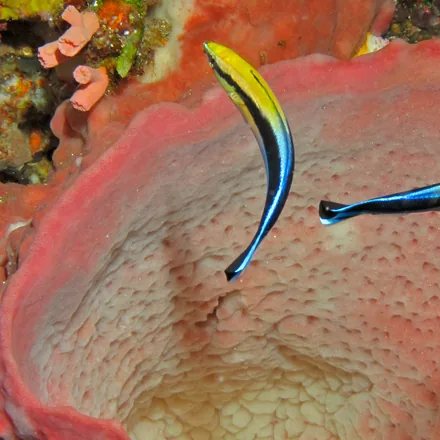
Bluestreak Cleaner Wrasse Regular
Labroides dimidiatus
A tiny striped wrasse that runs the reef's health clinic, picking parasites from fish that queue up and even open their mouths for it.
Where: Cleaning stations on the larger coral heads. Best: November to April.
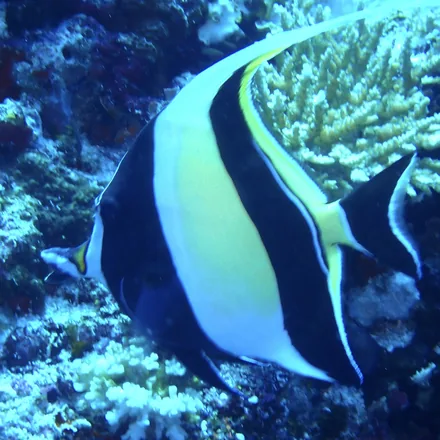
Moorish Idol Regular
Zanclus cornutus
An unmistakable disc of black, white and gold trailing a long ribbon fin, one of the most elegant fish on any reef.
Where: Fringing reef and rocky patches. Best: November to April.
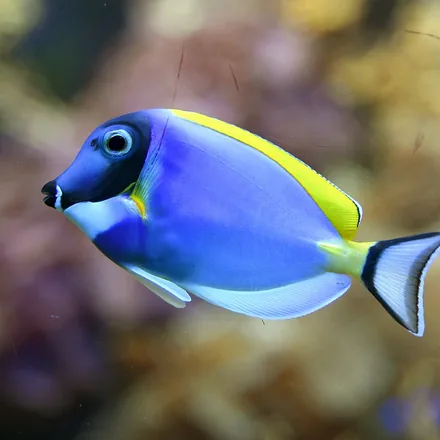
Powder Blue Surgeonfish Regular
Acanthurus leucosternon
A stunning Andaman signature fish, powder blue with a yellow sail and a scalpel-sharp blade at the base of its tail.
Where: Grazing the shallow reef. Best: November to April.
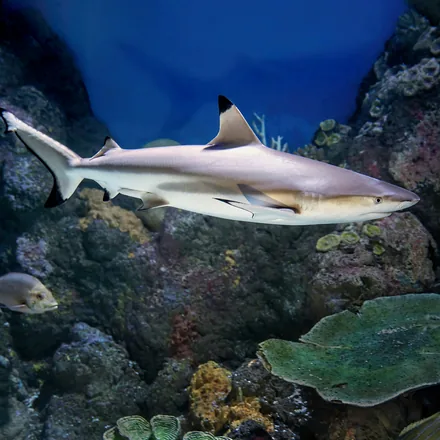
Blacktip Reef Shark Rare Vulnerable
Carcharhinus melanopterus
The neat little reef shark of the shallows, its black-tipped fins often cutting the surface over sun-lit sand flats.
Where: The outer reef edge rather than the shallow flat. Best: November to April.
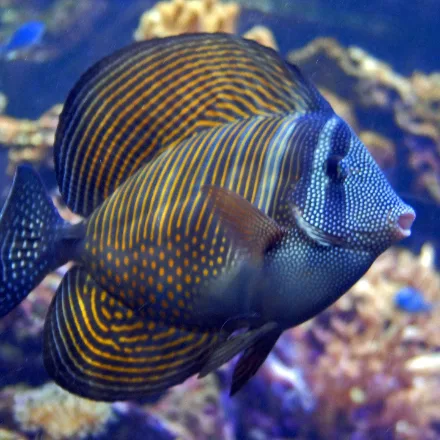
Indian Sailfin Tang Regular
Zebrasoma desjardinii
It raises a dorsal fin nearly as tall as its own body, and a startled one seems to double in size in front of you.
Where: Reef top and the boulder slopes. Best: November to April.
See all 27 species recorded at Hikkaduwa
Trincomalee and Pigeon Island
The east coast equivalent, working from May to September when the south is shut. Green and hawksbill turtles both feed on the reef at Pigeon Island and off Nilaveli, and juvenile loggerheads turn up in the coastal water, which is unusual anywhere. This is reef and seagrass feeding rather than nesting.
8 of 22 recorded species
Hawksbill Turtle Regular Critically Endangered
Eretmochelys imbricata
The reef's sponge specialist, its beautiful shell also the reason it was hunted to the edge.
Where: Reef at Pigeon Island and off Nilaveli. Best: May to September. The single best place in Sri Lanka to see one.
Green Sea Turtle Regular
Chelonia mydas
The great grazing turtle of the tropics, the only sea turtle that turns vegetarian as an adult.
Where: Shallow reef and seagrass at Pigeon Island and Nilaveli. Best: May to September.
Loggerhead Turtle Rare Vulnerable
Caretta caretta
Jaws powerful enough to crush a queen conch, and it navigates ocean basins by reading the earth's magnetic field.
Where: Coastal water and reef edges, usually juveniles. Best: May to September.
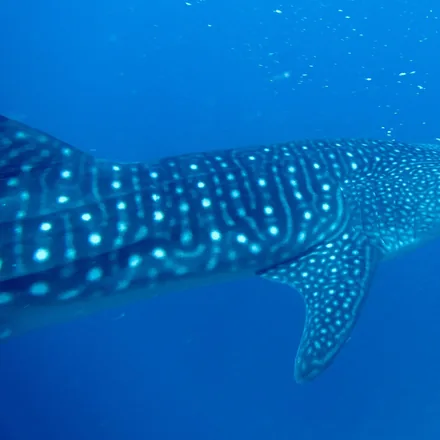
Whale Shark Rare Endangered
Rhincodon typus
The biggest fish in the ocean, a spotted, bus sized filter feeder and the undisputed holy grail of tropical diving.
Where: Blue water beyond the reef. Best: May to September.
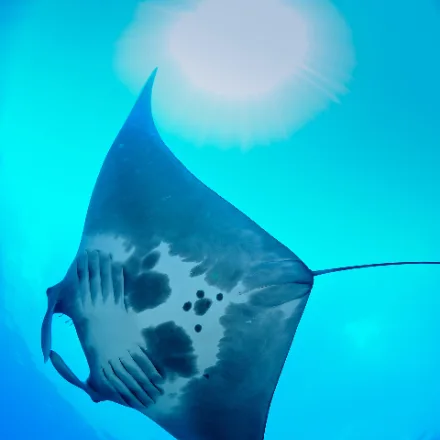
Reef Manta Ray Rare Vulnerable
Mobula alfredi
A four metre wingspan gliding overhead in slow, hypnotic loops that leave divers grinning for days.
Where: Deeper reef edges and cleaning stations. Best: May to September.
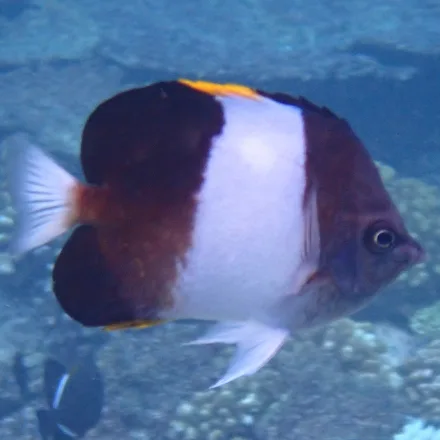
Black Pyramid Butterflyfish Regular
Hemitaurichthys zoster
They gather in the current in hundreds, and the white wedge on each flank turns the whole shoal into a drifting cloud of triangles.
Where: The drop-off edges off Pigeon Island and the Trincomalee canyon rim. Best: May to September.
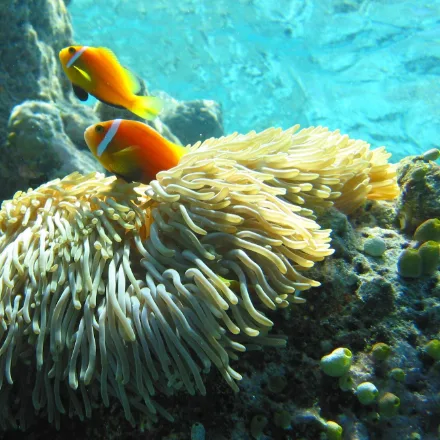
Maldives Anemonefish Regular
Amphiprion nigripes
A clownfish found only in Sri Lanka, the Maldives and the Lakshadweep, and nowhere else on earth.
Where: Anemones on the inner reef at Pigeon Island and off Nilaveli. Best: May to September.
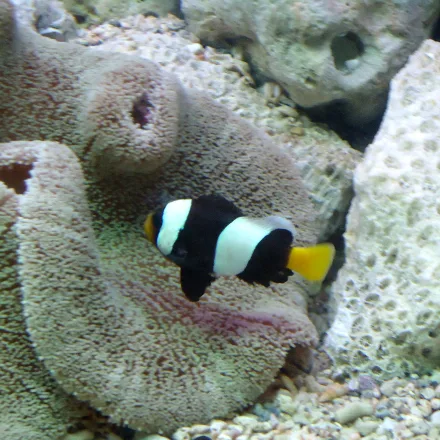
Sebae Anemonefish Regular
Amphiprion sebae
The big dark anemonefish of the northern Indian Ocean, with a yellow tail that gives it away from a distance.
Where: Sand and rubble margins off Nilaveli and Pigeon Island. Best: May to September.
See all 22 species recorded at Trincomalee and Pigeon Island
Kalpitiya
The northwest, and the least visited turtle coast on the island. Olive ridleys nest around Kandakuliya from November to March and green turtles feed on the Bar Reef shallows in the same window. Thin on infrastructure and correspondingly quiet.
8 of 15 recorded species
Green Sea Turtle Regular
Chelonia mydas
The great grazing turtle of the tropics, the only sea turtle that turns vegetarian as an adult.
Where: Bar Reef and the surrounding shallows. Best: November to April.
Hawksbill Turtle Occasional Critically Endangered
Eretmochelys imbricata
The reef's sponge specialist, its beautiful shell also the reason it was hunted to the edge.
Where: Bar Reef Marine Sanctuary. Best: November to April.
Blacktip Reef Shark Occasional Vulnerable
Carcharhinus melanopterus
The neat little reef shark of the shallows, its black-tipped fins often cutting the surface over sun-lit sand flats.
Where: Shallow reef and sand flats around Bar Reef. Best: November to April.
Olive Ridley Turtle Occasional Vulnerable
Lepidochelys olivacea
The smallest and most numerous sea turtle, famous elsewhere for mass nestings of thousands at once.
Where: Nesting beaches around Kandakuliya, and offshore. Best: November to March. Sri Lankan waters feed animals that nest at the Odisha arribadas in India.
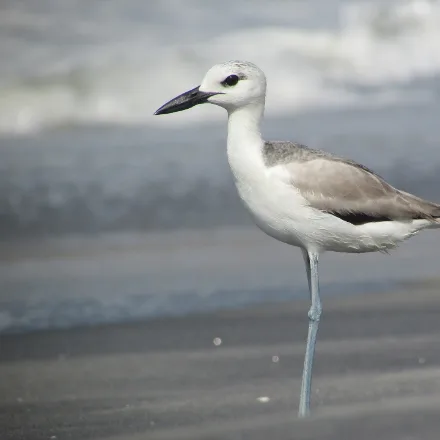
Crab-plover Occasional
Dromas ardeola
The only bird in its family anywhere on earth, and the only wader that nests underground.
Where: Puttalam lagoon mudflats and the sand spits at low tide. Best: Nov-Mar. The most accessible site in the country. Flocks stand together on open sand at the tide edge.
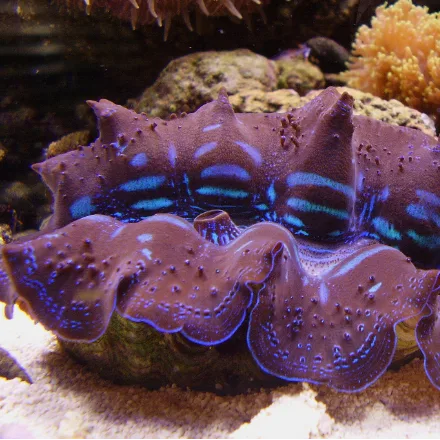
Small Giant Clam Regular
Tridacna maxima
The electric blue and green lips are not pigment for show. They are farming light, and the clam gets most of its food from algae living in its own flesh.
Where: Shallow coral of Bar Reef. Best: November to April.
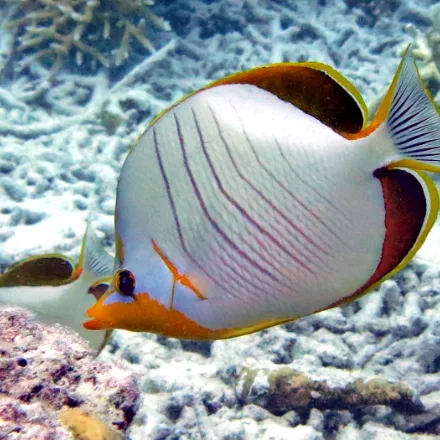
Yellowhead Butterflyfish Occasional
Chaetodon xanthocephalus
An Indian Ocean butterflyfish that pairs for life, and you almost never see one without the other close by.
Where: Bar Reef coral and rubble. Best: November to April.
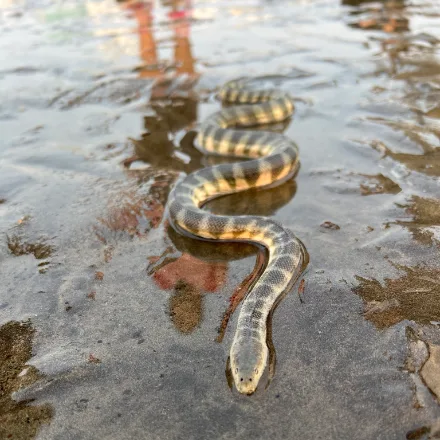
Beaked Sea Snake Rare
Hydrophis schistosus
Drop for drop, one of the most venomous snakes in the sea, and it is responsible for most sea snake bites in Asia.
Where: Shallow water and the Puttalam lagoon approaches. Best: November to April.
See all 15 species recorded at Kalpitiya
Kumana and the east coast beaches
The beaches between Okanda and Kumana take nesting olive ridleys from October to March, watched by almost nobody at all. There is no organised watching here and no facilities, and the turtles are a component of a park visit rather than the reason for one, which is exactly why the stretch is worth knowing about.
2 of 2 recorded species
Olive Ridley Turtle Occasional Vulnerable
Lepidochelys olivacea
The smallest and most numerous sea turtle, famous elsewhere for mass nestings of thousands at once.
Where: The park beaches between Okanda and Kumana, coming ashore at night. Best: October to March. The east coast nesting beaches are quieter and far less watched than the south coast ones.
Great Thick-knee Rare Near Threatened
Esacus recurvirostris
A heavy, huge-eyed shorebird that stands motionless on open shingle all day and only comes alive at dusk.
Where: Dry lagoon margins and open sand. Best: Year round.
See all 2 species recorded at Kumana and the east coast beaches
Planning
Four things decide a turtle night. Season by beach: green turtles at Rekawa and Tangalle from February to July, olive ridleys peaking in December and January, leatherbacks from January to June, and the east coast beaches running October to March, so almost any month works somewhere but no month works everywhere. Time: nesting is a night activity and the useful hours are from about eight in the evening onwards, which means committing an evening rather than an hour. Patience: a female hauls out, digs a body pit, cuts an egg chamber with her back flippers, lays, covers, disguises the site and returns to the sea, and the whole sequence takes around two hours, most of which is digging. And light: hatchlings orient by heading for the brightest, lowest horizon, which for the entire history of the species has been the sky over open water, so a lit beach draws them inland instead of out to sea.
Find coastal stays and marine trips in Sri Lanka
Some links on this page are affiliate links. If you book through them, Wildseer may earn a small commission at no extra cost to you.
Frequently asked questions
Where is the best place for turtle watching in Sri Lanka?
Rekawa on the south coast for nesting, at night and on foot, where all five species are recorded and green turtles are Regular from February to July. Hikkaduwa for turtles in the water, where green turtles are Common in the shallows from November to April and no boat is needed. They are different experiences and most people want both.
When can you see turtles nesting in Sri Lanka?
Somewhere on the coast, in most months. Green turtles nest at Rekawa and Tangalle from February to July, olive ridleys peak in December and January on the south and west, leatherbacks come ashore from January to June, and the east coast beaches near Kumana run from October to March.
How long does a turtle nesting watch take?
Expect a few hours. The nesting sequence itself is around two hours from haul-out to return, and most of that is the animal digging, first a body pit and then a narrow egg chamber cut with the back flippers alone. Add the waiting before a female comes ashore at all, which is unpredictable.
Can you see turtles in Sri Lanka without a night trip?
Yes, and it is easier. Hikkaduwa from November to April has green turtles feeding on a reef a few strokes from the sand in water shallow enough to stand in. Pigeon Island off Trincomalee does the same from May to September, with hawksbills on the coral as well.
Which turtle will I see in Sri Lanka?
Most probably a green turtle. It is the species recorded on nine of the island’s coasts, it is the Common one at Hikkaduwa, and it is the Regular nester at Rekawa. Olive ridleys are the next most likely. Hawksbills, leatherbacks and loggerheads are all genuinely scarce here, and a loggerhead is close to a once-in-a-career sighting.
Part of the Wildlife in Sri Lanka guide.
Image credits
Square thumbnails are cropped from the original. Wide banner images are cropped to a band. Other images are resized only. No other changes have been made.
- turtle-watching-sri-lanka: P.Lindgren | CC BY-SA 3.0, cropped
- Green sea turtle: Unsplash | Unsplash License, cropped
- Olive Ridley Turtle (cropped to square): Bernard Gagnon | CC BY-SA 3.0, cropped
- Leatherback Turtle (cropped to square): Julien Renoult | CC BY 4.0, cropped
- hawksbill-turtle (resized): Daniel Sasse | CC BY-SA 4.0, cropped
- Loggerhead Turtle (cropped to square): Eco cruising | CC BY-SA 4.0, cropped
- Green Sea Turtle: Randall Ruiz | Unsplash License, cropped
- Saltwater Crocodile: Rutpratheep Nilpechr | Pexels Licence, cropped
- Hawksbill Turtle (cropped to square): Daniel Sasse | CC BY-SA 4.0, cropped
- Green Chromide: Peter Corbett | CC BY 2.0, cropped
- Horn-eyed Ghost Crab (cropped to square): Rushenb | CC BY-SA 3.0, cropped
- Great Thick-knee: Cyndy Sims Parr | CC BY-SA 2.0, cropped
- Bluestreak Cleaner Wrasse (cropped to square): Bernard DUPONT | CC BY-SA 2.0, cropped
- Moorish Idol (cropped to square): Jean-Paul Boerekamps | CC0, cropped
- Powder Blue Surgeonfish (cropped to square): Amada44 | CC BY-SA 3.0, cropped
- Blacktip Reef Shark: David Clode | Unsplash License, cropped
- Indian Sailfin Tang: Hectonichus | CC BY-SA 3.0, cropped
- Whale Shark (cropped to square): Jerome Paillet (IFREMER) | CC BY 4.0, cropped
- Reef Manta Ray (cropped to square): National Marine Sanctuaries | Public domain, cropped
- Black Pyramid Butterflyfish: Jean-Paul Boerekamps | CC0, cropped
- Maldives Anemonefish: Jan Derk | Public domain, cropped
- Sebae Anemonefish: Ranjithsiji | CC BY-SA 3.0, cropped
- Crab-plover: AL BADUSH | CC BY-SA 4.0, cropped
- Small Giant Clam: RevolverOcelot | CC BY-SA 3.0, cropped
- Yellowhead Butterflyfish: Ahmed Abdul Rahman for MDC Seamarc Maldives | CC BY-SA 4.0, cropped
- Beaked Sea Snake (cropped to square): Shaunak Modi | CC BY 4.0, cropped
Square thumbnails are cropped from the original. Wide banner images are cropped to a band. Other images are resized only. No other changes have been made.
- turtle-watching-sri-lanka: P.Lindgren | CC BY-SA 3.0, cropped
- Green sea turtle: Unsplash | Unsplash License, cropped
- Olive Ridley Turtle (cropped to square): Bernard Gagnon | CC BY-SA 3.0, cropped
- Leatherback Turtle (cropped to square): Julien Renoult | CC BY 4.0, cropped
- hawksbill-turtle (resized): Daniel Sasse | CC BY-SA 4.0, cropped
- Loggerhead Turtle (cropped to square): Eco cruising | CC BY-SA 4.0, cropped
- Green Sea Turtle: Randall Ruiz | Unsplash License, cropped
- Saltwater Crocodile: Rutpratheep Nilpechr | Pexels Licence, cropped
- Hawksbill Turtle (cropped to square): Daniel Sasse | CC BY-SA 4.0, cropped
- Green Chromide: Peter Corbett | CC BY 2.0, cropped
- Horn-eyed Ghost Crab (cropped to square): Rushenb | CC BY-SA 3.0, cropped
- Great Thick-knee: Cyndy Sims Parr | CC BY-SA 2.0, cropped
- Bluestreak Cleaner Wrasse (cropped to square): Bernard DUPONT | CC BY-SA 2.0, cropped
- Moorish Idol (cropped to square): Jean-Paul Boerekamps | CC0, cropped
- Powder Blue Surgeonfish (cropped to square): Amada44 | CC BY-SA 3.0, cropped
- Blacktip Reef Shark: David Clode | Unsplash License, cropped
- Indian Sailfin Tang: Hectonichus | CC BY-SA 3.0, cropped
- Whale Shark (cropped to square): Jerome Paillet (IFREMER) | CC BY 4.0, cropped
- Reef Manta Ray (cropped to square): National Marine Sanctuaries | Public domain, cropped
- Black Pyramid Butterflyfish: Jean-Paul Boerekamps | CC0, cropped
- Maldives Anemonefish: Jan Derk | Public domain, cropped
- Sebae Anemonefish: Ranjithsiji | CC BY-SA 3.0, cropped
- Crab-plover: AL BADUSH | CC BY-SA 4.0, cropped
- Small Giant Clam: RevolverOcelot | CC BY-SA 3.0, cropped
- Yellowhead Butterflyfish: Ahmed Abdul Rahman for MDC Seamarc Maldives | CC BY-SA 4.0, cropped
- Beaked Sea Snake (cropped to square): Shaunak Modi | CC BY 4.0, cropped