
Rekawa is a nesting beach, and five species of sea turtle come ashore on it: green, olive ridley, hawksbill, loggerhead and leatherback. Very few beaches anywhere in the world take all five. The green turtle is the one you are most likely to meet; the loggerhead is close to a once-in-a-career sighting.
The watching here is done at night, on foot, run by the community that used to take the eggs. That change is the whole story of the place, and it is why a nesting beach that was being emptied every season now produces hatchlings. White light on the approach is what turns a female back to the sea before she lays.
What most turtle pages leave out is what happens to the nests. Ghost crabs work the sand in numbers and take eggs and hatchlings. Water monitors dig nests out at dawn. Jackals come down off the scrub behind the beach. None of that is a failure of the beach, it is the ecology of it, and watching a monitor open a nest explains the conservation problem faster than any sign does.
Highlights
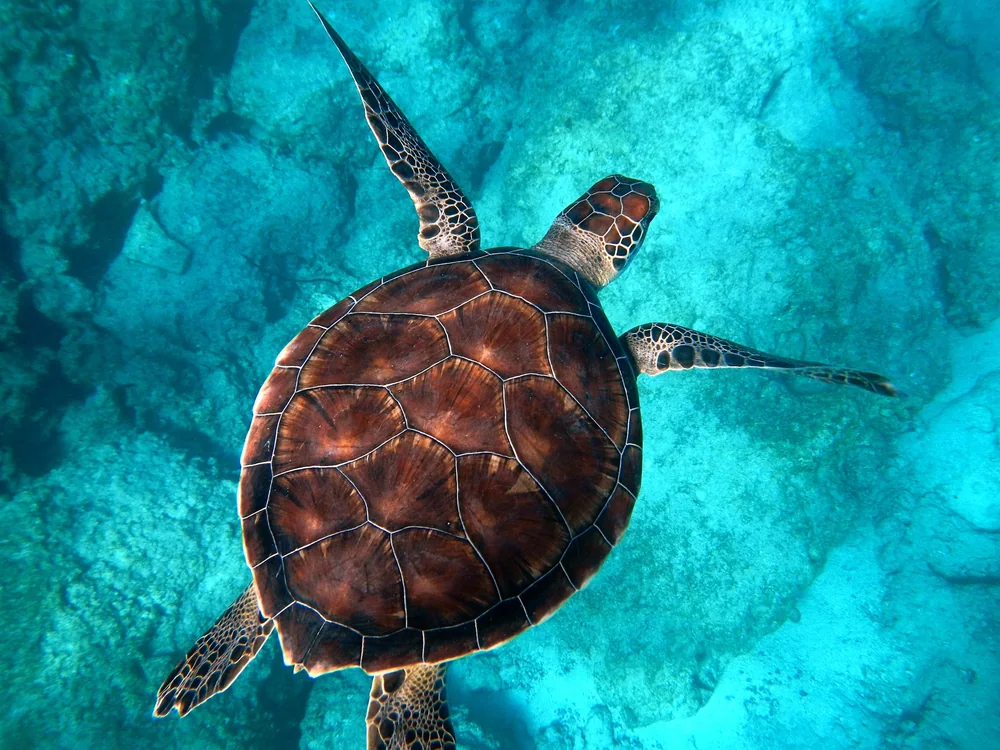
Green Sea Turtle
The great grazing turtle of the tropics, the only sea turtle that turns vegetarian as an adult. Where: The nesting beach, on the guided night watch from the visitor centre. Best: February to July, from 20:00.
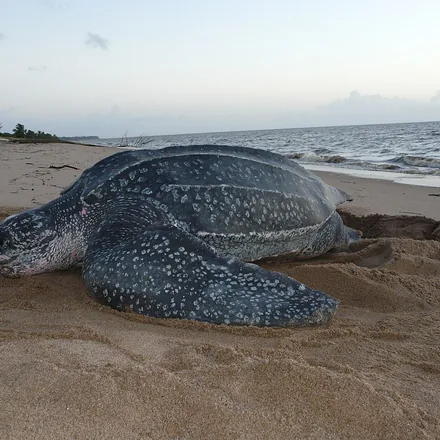
Leatherback Turtle
The largest turtle on Earth, a jellyfish hunter that dives deeper than most whales and crosses whole oceans. Where: The nesting beach on the night watch. Best: January to June.
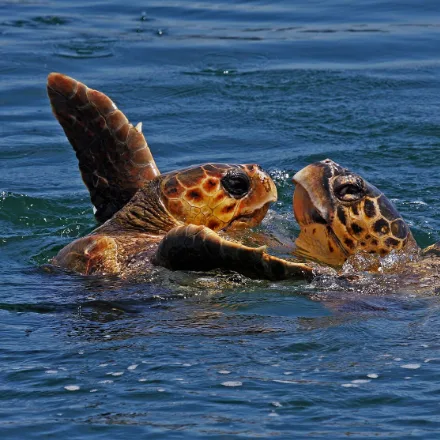
Loggerhead Turtle
Jaws powerful enough to crush a queen conch, and it navigates ocean basins by reading the earth's magnetic field. Where: The nesting beach on the night watch. Best: November to April.
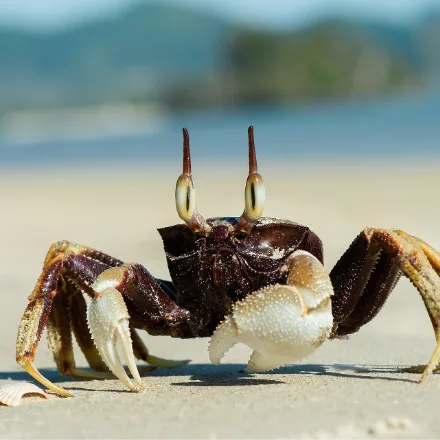
Horn-eyed Ghost Crab
The fastest crab on earth, clocked at over two metres a second, and it growls at intruders from inside its burrow. Where: The nesting beach itself after dark, and the reason many nests fail. Best: Year round.
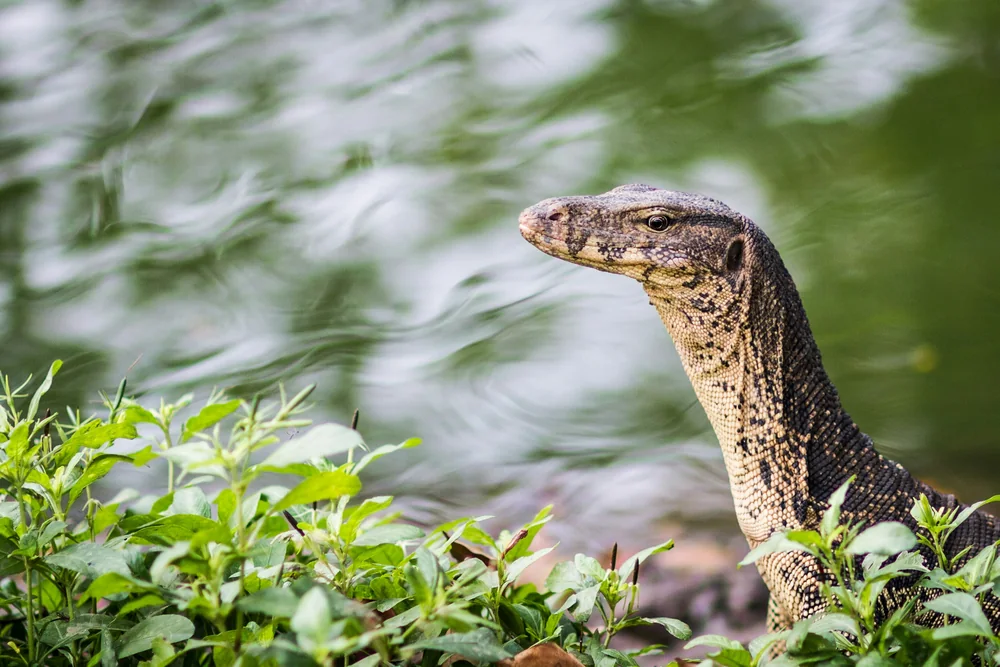
Asian Water Monitor
A dragon sized lizard that swims canals and city parks, second only to the Komodo dragon in length. Where: The beach above the tideline and the lagoon margins behind it. Best: Year round.
Mammals
2 species
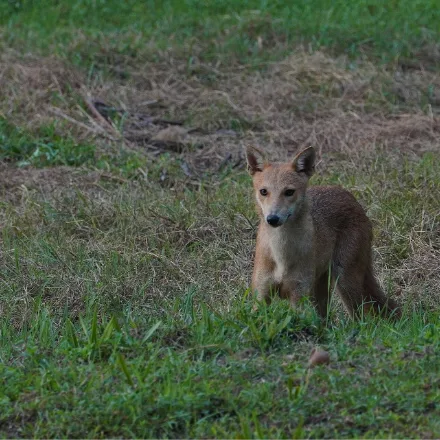
Golden Jackal Occasional
Canis aureus
The dry zone's opportunist, trotting along a track at dawn and howling in chorus at dusk so the whole park knows where it is.
Where: Scrub behind the nesting beach, and on the sand after dark. Best: Year round.
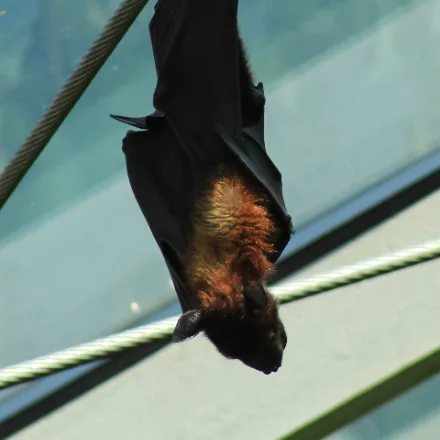
Indian Flying Fox Occasional
Pteropus giganteus
A fruit bat with a metre and a half of wingspan, hanging in noisy thousands from a tree in the middle of town.
Where: Roost trees behind the beach, streaming out at dusk over the nesting sand. Best: Year round.
Birds
6 species
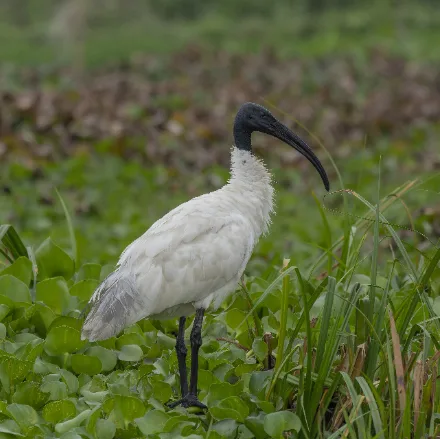
Black-headed Ibis Regular Near Threatened
Threskiornis melanocephalus
White body, bare black head and neck, and a bill built for finding what it cannot see.
Where: Lagoon shallows and the wet margins. Best: Year round.
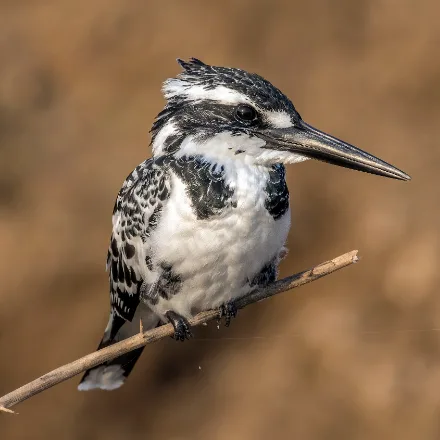
Pied Kingfisher Regular
Ceryle rudis
The largest bird in the world that can hover in still air with no wind to help it, which is how it fishes open water no perch reaches.
Where: Hovering over the lagoon and the channels. Best: Year round.
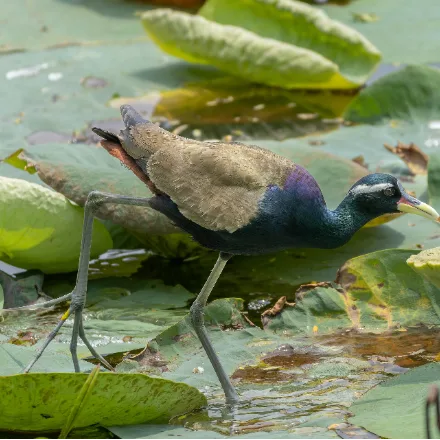
Bronze-winged Jacana Occasional
Metopidius indicus
Toes so long it walks across floating leaves, and a breeding system in which the female holds the territory and the males do all the work.
Where: Walking on the floating vegetation in the lagoon. Best: Year round.
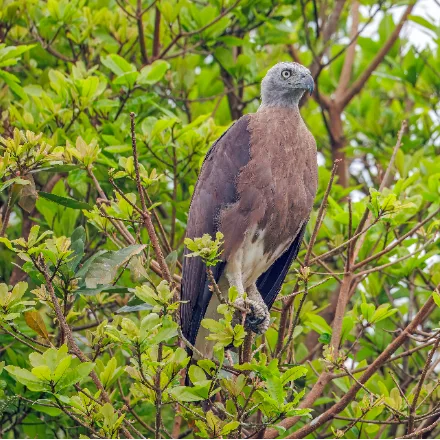
Grey-headed Fish Eagle Occasional Near Threatened
Icthyophaga ichthyaetus
Sits low over the water on a dead branch for hours, then drops feet first and comes up with a fish half its own weight.
Where: Dead branches over the lagoon. Best: Year round.
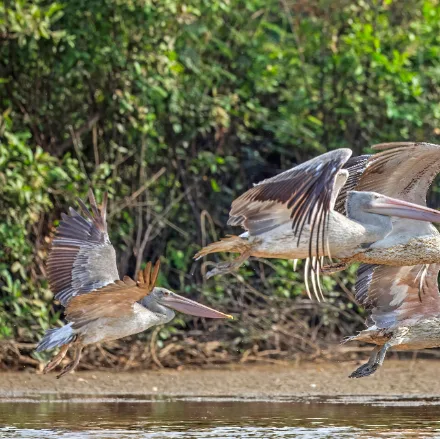
Spot-billed Pelican Occasional Near Threatened
Pelecanus philippensis
A pelican that fishes the ancient irrigation tanks, and one of the few large waterbirds doing better now than it was.
Where: The lagoon, fishing and loafing on the shallows. Best: Year round.
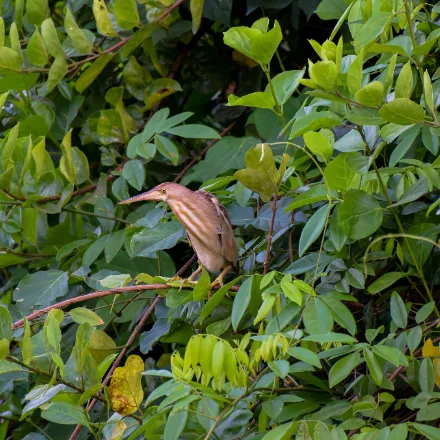
Yellow Bittern Occasional
Ixobrychus sinensis
Freezes with its bill pointed straight up and vanishes into the reeds, which is why almost nobody sees it despite it being everywhere.
Where: Reed and sedge margins of the lagoon. Best: Year round.
Reptiles
12 species
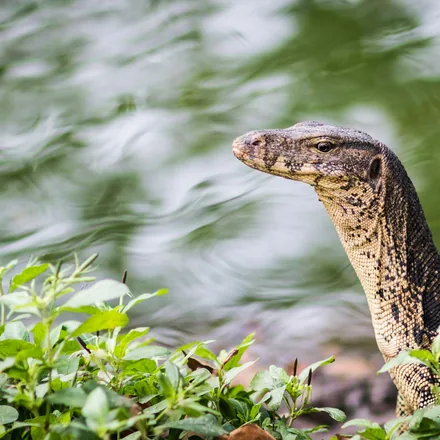
Asian Water Monitor Common
Varanus salvator
A dragon sized lizard that swims canals and city parks, second only to the Komodo dragon in length.
Where: The beach above the tideline and the lagoon margins behind it. Best: Year round. Monitors dig out turtle nests. Watching one work a beach at dawn explains the whole conservation problem in about a minute.
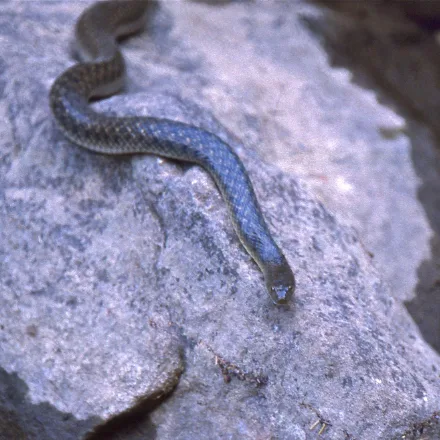
Checkered Keelback Common
Fowlea piscator
The snake you will actually see in Sri Lanka, hunting fish in a paddy channel in broad daylight.
Where: Lagoon shallows and the drainage channels. Best: Year round.
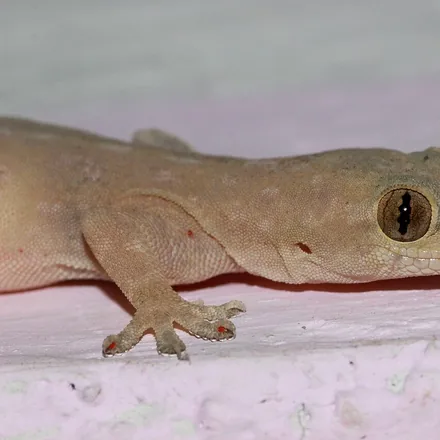
Common House Gecko Common
Hemidactylus frenatus
Sticks to glass using van der Waals forces across billions of microscopic hairs, not glue and not suction.
Where: Building walls at the beach and in the village. Best: Year round.
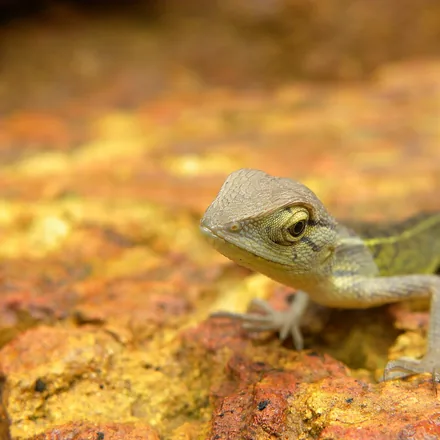
Oriental Garden Lizard Common
Calotes versicolor
The everyday garden lizard whose breeding males flush blood red about the head, earning the name bloodsucker.
Where: Scrub and gardens behind the beach. Best: Year round.
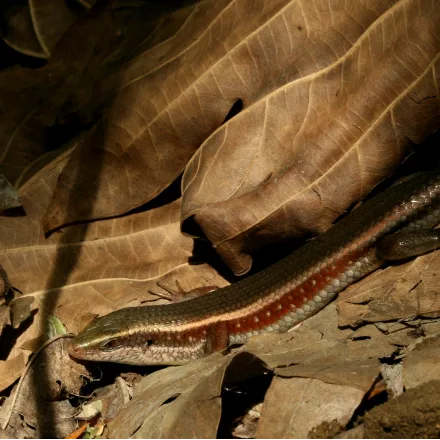
Sri Lankan Common Skink Common
Eutropis lankae
The bronze skink basking on every wall, ruin and hotel lawn in the country turned out in 2020 to be an endemic species, not the Indian one everybody had been calling it.
Where: Sand, track verges and walls. Best: Year round.
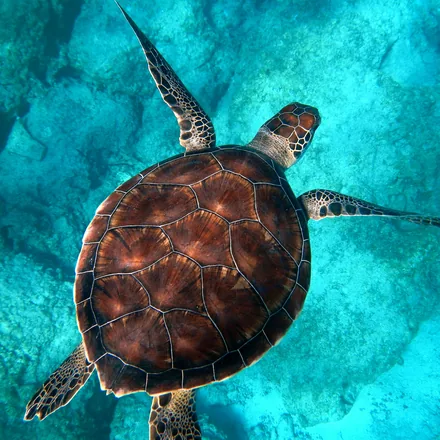
Green Sea Turtle Regular
Chelonia mydas
The great grazing turtle of the tropics, the only sea turtle that turns vegetarian as an adult.
Where: The nesting beach, on the guided night watch from the visitor centre. Best: February to July, from 20:00. A genuine wild nesting beach with in situ nest protection, not a hatchery. Expect to wait, and expect no torches.
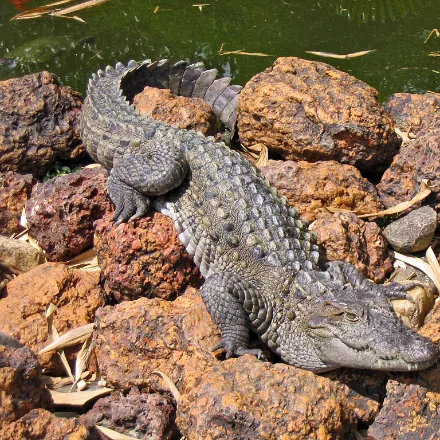
Mugger Crocodile Occasional Vulnerable
Crocodylus palustris
The broadest snout of any living crocodile, and in one Sri Lankan park block there are more of them per square kilometre than anywhere else on earth.
Where: The Rekawa lagoon and the channels behind the beach. Best: Year round.
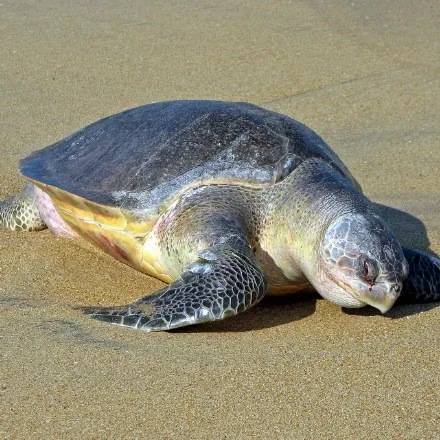
Olive Ridley Turtle Occasional Vulnerable
Lepidochelys olivacea
The smallest and most numerous sea turtle, famous elsewhere for mass nestings of thousands at once.
Where: The nesting beach on the night watch. Best: December to January.
Leatherback Turtle Rare Vulnerable
Dermochelys coriacea
The largest turtle on Earth, a jellyfish hunter that dives deeper than most whales and crosses whole oceans.
Where: The nesting beach on the night watch. Best: January to June. The second commonest nester here, ahead of the olive ridley, and anyone who sees one has had an exceptional night.
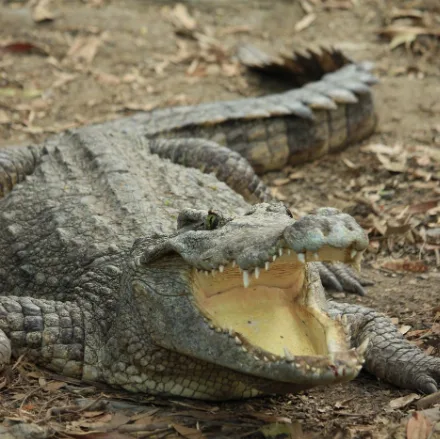
Saltwater Crocodile Rare
Crocodylus porosus
The largest living reptile and the ocean going giant of crocodiles, now virtually gone from Thai waters.
Where: The lagoon and the river mouth. Best: Year round.
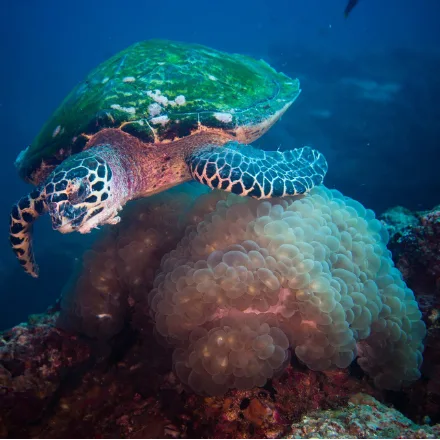
Hawksbill Turtle Very rare Critically Endangered
Eretmochelys imbricata
The reef's sponge specialist, its beautiful shell also the reason it was hunted to the edge.
Where: The nesting beach, on the night watch. Best: February to July. Historically nested heavily on the south coast and was hunted out for tortoiseshell.
Loggerhead Turtle Ultra rare Vulnerable
Caretta caretta
Jaws powerful enough to crush a queen conch, and it navigates ocean basins by reading the earth's magnetic field.
Where: The nesting beach on the night watch. Best: November to April. If an operator claims routine loggerhead nesting, treat everything else they tell you sceptically.
Amphibians
2 species
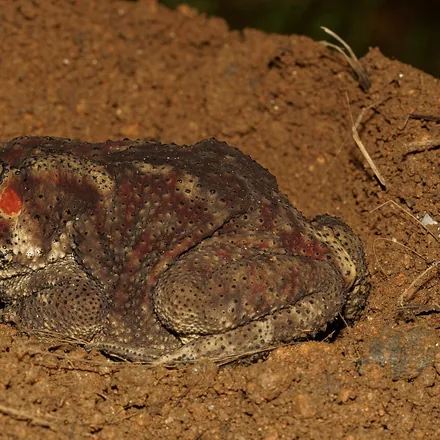
Asian Common Toad Common
Duttaphrynus melanostictus
The ubiquitous warty toad of doorsteps and gardens, hoovering up insects under every night light.
Where: Village and beach building surrounds after dark. Best: Year round.
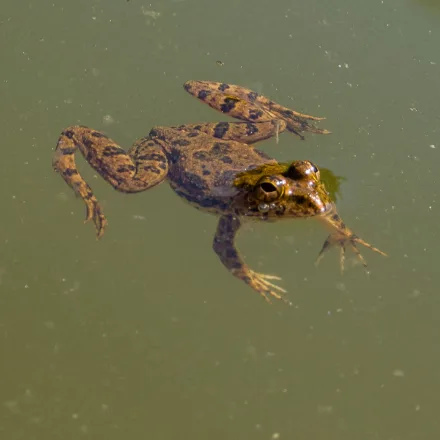
Skittering Frog Common
Euphlyctis cyanophlyctis
Disturbed, it does not dive. It skips across the surface like a flat stone, and it can launch from open water with nothing to push against.
Where: Lagoon margins and the drainage channels. Best: Year round.
Fish
1 species
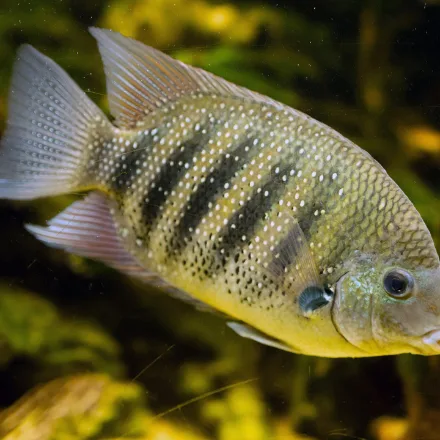
Green Chromide Regular
Etroplus suratensis
One of only three cichlids in all of Asia, and the other two are its close relatives.
Where: Brackish lagoon shallows. Best: Year round.
Insects
2 species
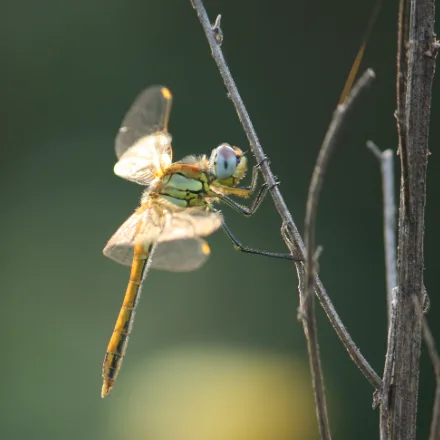
Wandering Glider Common
Pantala flavescens
Makes the longest migration of any insect on earth, crossing open ocean between India and Africa.
Where: Over the lagoon and the seasonal pools behind the beach. Best: Year round.
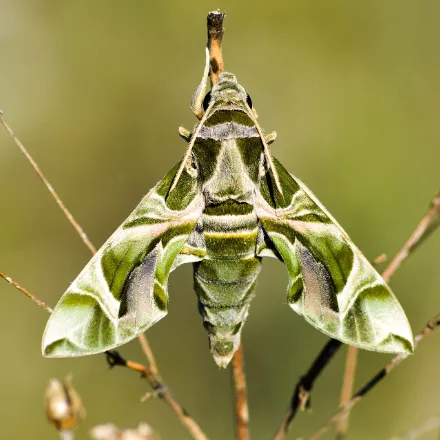
Oleander Hawkmoth Occasional
Daphnis nerii
Camouflaged like military fatigues and fast enough to cross the Mediterranean, it hovers at flowers like a hummingbird.
Where: At lit walls in the village after dark. Best: Year round.
Spiders and scorpions
1 species
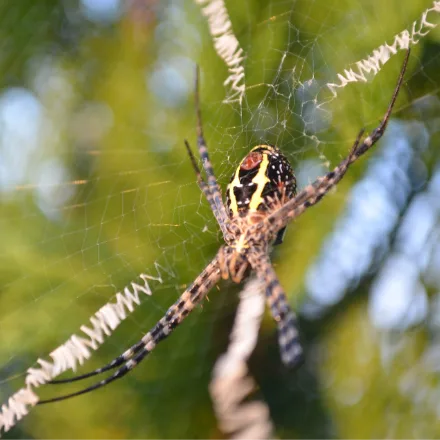
Signature Spider Common
Argiope anasuja
Writes a bold zigzag across the middle of its own web, and nobody is entirely sure why.
Where: Scrub and lagoon-edge vegetation. Best: Year round.
Crustaceans
1 species
Horn-eyed Ghost Crab Common
Ocypode ceratophthalmus
The fastest crab on earth, clocked at over two metres a second, and it growls at intruders from inside its burrow.
Where: The nesting beach itself after dark, and the reason many nests fail. Best: Year round. Ghost crabs take eggs and hatchlings, and the burrows scattered over the nesting beach are theirs. They are part of why the hatchery exists rather than a nuisance to be removed.
Planning
Nesting runs year round with the peak from April to July. Turtles come ashore after dark, usually well after it, so expect a late night and a wait rather than a scheduled event. Nesting is a slow business: a female hauls out, digs, lays and covers over a couple of hours, and light on the approach is what turns her back to the sea. Behind the beach the Rekawa lagoon is worth a morning in its own right for the waterbirds and the crocodiles.
Compare community turtle watching nights and lagoon trips near Rekawa
Some links on this page are affiliate links. If you book through them, Wildseer may earn a small commission at no extra cost to you.
Frequently asked questions
Which turtles nest at Rekawa?
All five species recorded in Sri Lanka: green, olive ridley, hawksbill, loggerhead and leatherback. Green turtles are much the most frequent, and loggerhead is exceptionally rare.
When is the best time to see turtles at Rekawa?
Nesting happens year round with a peak from April to July. Sightings are at night, often late, and involve waiting rather than arriving at a set time.
What else is there at Rekawa besides turtles?
The lagoon behind the beach holds pelicans, ibis, jacanas, kingfishers and crocodiles, and the beach itself has ghost crabs, water monitors and jackals, which are the nest predators and part of why the hatchery exists.
Explore Sri Lanka wildlife by group
 Mammals of Sri Lanka
 Birds of Sri Lanka
 Reptiles and amphibians of Sri Lanka
 Fish of Sri Lanka
 Sharks and rays of Sri Lanka
 Reef invertebrates of Sri Lanka
 Insects and spiders of Sri Lanka
Part of the Wildlife in Sri Lanka guide.
Explore Sri Lanka wildlife by place
- Adams Peak wildlife
- Arugam Bay marine life
- Bundala wildlife
- Colombo wildlife
- Ella wildlife
- Gal Oya wildlife
- Great Basses marine life
- Hikkaduwa marine life
- Horton Plains wildlife
- Jaffna wildlife
- Kalpitiya marine life
- Kandy wildlife
- Kanneliya wildlife
- Kitulgala wildlife
- Knuckles wildlife
- Kumana wildlife
- Mannar marine life
- Minneriya wildlife
- Mirissa marine life
- Sigiriya wildlife
- Sinharaja wildlife
- Tangalle marine life
- Trincomalee marine life
- Udawalawe wildlife
- Wasgamuwa wildlife
- Wilpattu wildlife
- Yala wildlife
Image credits
Square thumbnails are cropped from the original. Wide banner images are cropped to a band. Other images are resized only. No other changes have been made.
- Green sea turtle: Unsplash | Unsplash License, cropped
- Leatherback Turtle (cropped to square): Julien Renoult | CC BY 4.0, cropped
- Loggerhead Turtle (cropped to square): Eco cruising | CC BY-SA 4.0, cropped
- Horn-eyed Ghost Crab (cropped to square): Rushenb | CC BY-SA 3.0, cropped
- Asian water monitor: John Thomas | Unsplash License, cropped
- Golden Jackal: Vengolis | CC BY-SA 4.0, cropped
- Indian Flying Fox: Alois Staudacher | CC BY 2.0, cropped
- Black-headed Ibis: Tisha Mukherjee | CC BY-SA 4.0, cropped
- Pied Kingfisher: Charles J. Sharp | CC BY-SA 4.0, cropped
- Bronze-winged Jacana: Tisha Mukherjee | CC BY-SA 4.0, cropped
- Grey-headed Fish Eagle: Charles J. Sharp | CC BY-SA 4.0, cropped
- Spot-billed Pelican: Charles J. Sharp | CC BY-SA 4.0, cropped
- Yellow Bittern: Vinay bhat | CC BY-SA 4.0, cropped
- Asian Water Monitor: John Thomas | Unsplash License, cropped
- Checkered Keelback: Bernard DUPONT from FRANCE | CC BY-SA 2.0, cropped
- Common House Gecko (cropped to square): Firos AK | CC BY-SA 4.0, cropped
- Oriental Garden Lizard (cropped to square): Ajay Kuyiloor | CC BY-SA 3.0, cropped
- Sri Lankan Common Skink: Gihan Jayaweera | CC BY-SA 4.0, cropped
- Green Sea Turtle: Randall Ruiz | Unsplash License, cropped
- Mugger Crocodile: Karunakar Rayker from India | CC BY-SA 2.0, cropped
- Olive Ridley Turtle (cropped to square): Bernard Gagnon | CC BY-SA 3.0, cropped
- Saltwater Crocodile: Rutpratheep Nilpechr | Pexels Licence, cropped
- Hawksbill Turtle (cropped to square): Daniel Sasse | CC BY-SA 4.0, cropped
- Asian Common Toad (cropped to square): © 2016 Jee & Rani Nature Photography (License: CC BY-SA 4.0) | CC BY-SA 4.0, cropped
- Skittering Frog: Mike Prince from Bangalore, India | CC BY 2.0, cropped
- Green Chromide: Peter Corbett | CC BY 2.0, cropped
- Wandering Glider: Vivekpuliyeri | CC BY-SA 3.0, cropped
- Oleander Hawkmoth (cropped to square): Chriskazil | CC BY-SA 4.0, cropped
- Signature Spider: Abkhanal | CC BY-SA 3.0, cropped
- Purple-faced langur in the canopy: kanchana Amilani | Unsplash License, cropped
- White-throated kingfisher on a branch: kanchana Amilani | Unsplash License, cropped
- Green forest lizard in breeding colour: Anas Mohamed Nuski | Pexels Licence, cropped
- Bluestripe snapper over a reef: Jeffry Surianto | Pexels Licence, cropped
- Reef manta rays near the surface: Emma Li | Pexels Licence, cropped
- Nudibranch crossing the sea floor: Chris Spain | Pexels Licence, cropped
- Clipper butterfly on a leaf: Pixabay | Pexels Licence, cropped
Square thumbnails are cropped from the original. Wide banner images are cropped to a band. Other images are resized only. No other changes have been made.
- Green sea turtle: Unsplash | Unsplash License, cropped
- Leatherback Turtle (cropped to square): Julien Renoult | CC BY 4.0, cropped
- Loggerhead Turtle (cropped to square): Eco cruising | CC BY-SA 4.0, cropped
- Horn-eyed Ghost Crab (cropped to square): Rushenb | CC BY-SA 3.0, cropped
- Asian water monitor: John Thomas | Unsplash License, cropped
- Golden Jackal: Vengolis | CC BY-SA 4.0, cropped
- Indian Flying Fox: Alois Staudacher | CC BY 2.0, cropped
- Black-headed Ibis: Tisha Mukherjee | CC BY-SA 4.0, cropped
- Pied Kingfisher: Charles J. Sharp | CC BY-SA 4.0, cropped
- Bronze-winged Jacana: Tisha Mukherjee | CC BY-SA 4.0, cropped
- Grey-headed Fish Eagle: Charles J. Sharp | CC BY-SA 4.0, cropped
- Spot-billed Pelican: Charles J. Sharp | CC BY-SA 4.0, cropped
- Yellow Bittern: Vinay bhat | CC BY-SA 4.0, cropped
- Asian Water Monitor: John Thomas | Unsplash License, cropped
- Checkered Keelback: Bernard DUPONT from FRANCE | CC BY-SA 2.0, cropped
- Common House Gecko (cropped to square): Firos AK | CC BY-SA 4.0, cropped
- Oriental Garden Lizard (cropped to square): Ajay Kuyiloor | CC BY-SA 3.0, cropped
- Sri Lankan Common Skink: Gihan Jayaweera | CC BY-SA 4.0, cropped
- Green Sea Turtle: Randall Ruiz | Unsplash License, cropped
- Mugger Crocodile: Karunakar Rayker from India | CC BY-SA 2.0, cropped
- Olive Ridley Turtle (cropped to square): Bernard Gagnon | CC BY-SA 3.0, cropped
- Saltwater Crocodile: Rutpratheep Nilpechr | Pexels Licence, cropped
- Hawksbill Turtle (cropped to square): Daniel Sasse | CC BY-SA 4.0, cropped
- Asian Common Toad (cropped to square): © 2016 Jee & Rani Nature Photography (License: CC BY-SA 4.0) | CC BY-SA 4.0, cropped
- Skittering Frog: Mike Prince from Bangalore, India | CC BY 2.0, cropped
- Green Chromide: Peter Corbett | CC BY 2.0, cropped
- Wandering Glider: Vivekpuliyeri | CC BY-SA 3.0, cropped
- Oleander Hawkmoth (cropped to square): Chriskazil | CC BY-SA 4.0, cropped
- Signature Spider: Abkhanal | CC BY-SA 3.0, cropped
- Purple-faced langur in the canopy: kanchana Amilani | Unsplash License, cropped
- White-throated kingfisher on a branch: kanchana Amilani | Unsplash License, cropped
- Green forest lizard in breeding colour: Anas Mohamed Nuski | Pexels Licence, cropped
- Bluestripe snapper over a reef: Jeffry Surianto | Pexels Licence, cropped
- Reef manta rays near the surface: Emma Li | Pexels Licence, cropped
- Nudibranch crossing the sea floor: Chris Spain | Pexels Licence, cropped
- Clipper butterfly on a leaf: Pixabay | Pexels Licence, cropped