
Gal Oya does one thing no other park in Asia does. Elephants here swim between the islands of the Senanayake Samudraya reservoir, and you watch them from a boat, at water level, with their trunks up like snorkels. It is a completely different sightline from a jeep on a track and it changes how the animal reads.
The boat is also the best hide in the country. Spot-billed pelicans fish alongside it, grey-headed fish eagles sit on the drowned timber, mugger crocodiles slide off the island margins, and water buffalo stand in the shallows. Because the engine is cut and the approach is slow, nothing runs.
On land the park is dry evergreen forest with the standard cast: chital, langurs, jackal, peafowl and junglefowl, with sloth bear and leopard both present and both rare. Gal Oya also borders the country’s only Veddha communities, and the forest here has been used and known for a very long time, which is part of what the place is.
Highlights
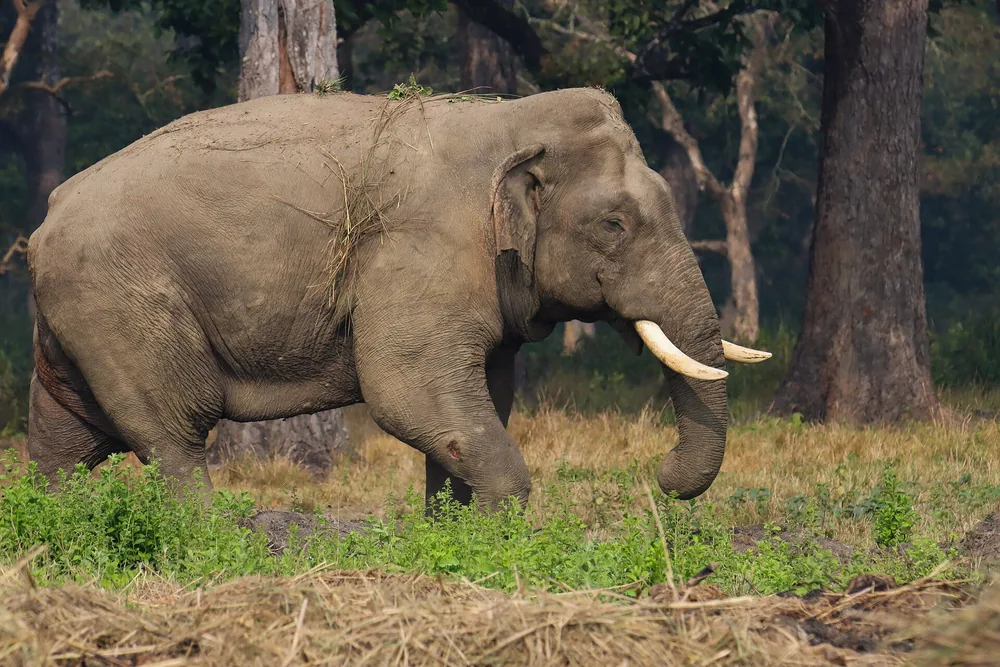
Asian Elephant
The largest land animal in Asia, and a genuinely wild one is worth seeking out over the camp elephants most tourists meet. Where: Swimming between islands on the Senanayake Samudraya reservoir, seen from a boat. Best: March to July.
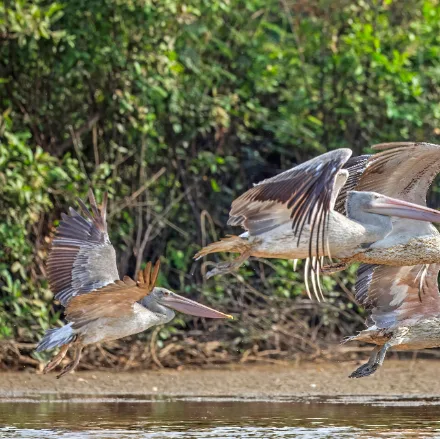
Spot-billed Pelican
A pelican that fishes the ancient irrigation tanks, and one of the few large waterbirds doing better now than it was. Where: The reservoir and its islands. Best: Year round.
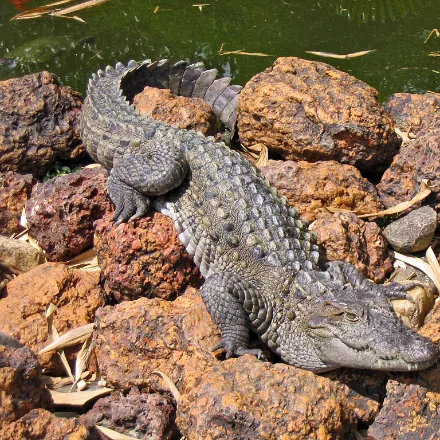
Mugger Crocodile
The broadest snout of any living crocodile, and in one Sri Lankan park block there are more of them per square kilometre than anywhere else on earth. Where: The reservoir margins and inflow channels. Best: Year round.
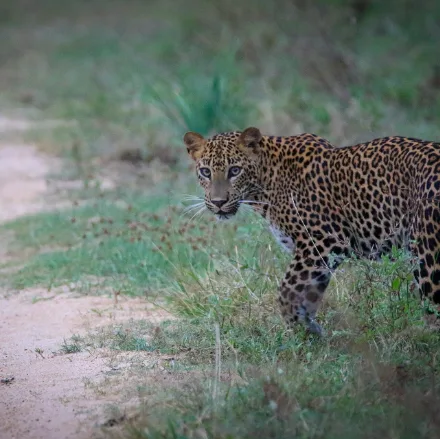
Sri Lankan Leopard
The largest leopard subspecies in the world, and on this island it is the top predator, which changes how it behaves. Where: Rock outcrops and forest above the reservoir. Best: March to July.
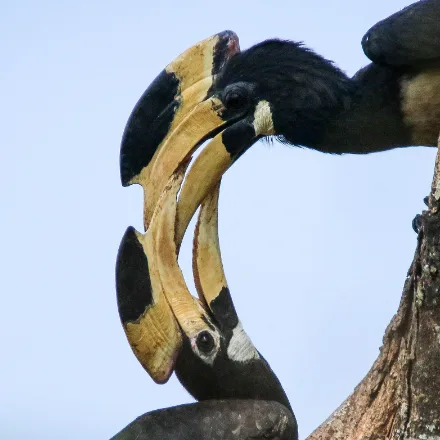
Malabar Pied Hornbill
The island's big hornbill, sealing the female into a tree hollow behind a wall of mud for the whole nesting period. Where: Large fruiting trees in the forest around the reservoir. Best: Year round.
Mammals
10 species
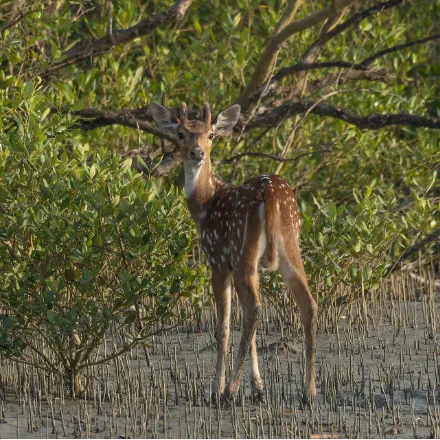
Chital (Spotted Deer) Common
Axis axis
The prey base the whole leopard story rests on, and the animal whose alarm call tells you where the cat is.
Where: Grassland and shoreline. Best: Year round.
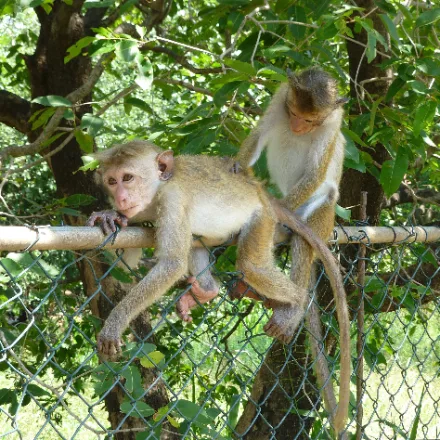
Toque Macaque Common Endangered
Macaca sinica
A small endemic monkey with a swirl of hair on the crown arranged like a cap, and the most studied primate on the island.
Where: Forest edge along the reservoir shore and around the entrance. Best: Year round.
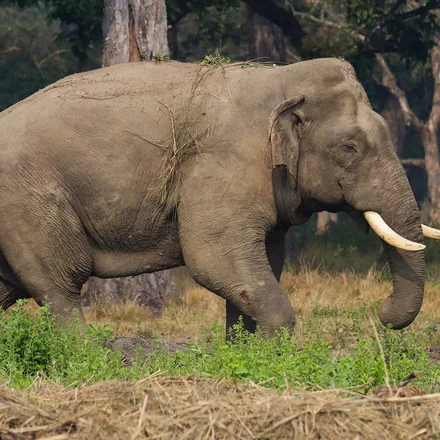
Asian Elephant Regular Endangered
Elephas maximus
The largest land animal in Asia, and a genuinely wild one is worth seeking out over the camp elephants most tourists meet.
Where: Swimming between islands on the Senanayake Samudraya reservoir, seen from a boat. Best: March to July. The only place in Asia where elephants are regularly watched swimming, trunks up like snorkels. A boat changes the sightline completely.
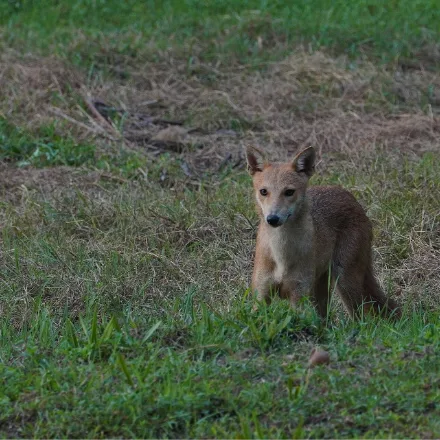
Golden Jackal Regular
Canis aureus
The dry zone's opportunist, trotting along a track at dawn and howling in chorus at dusk so the whole park knows where it is.
Where: Shoreline and track margins at either end of the day. Best: Year round.
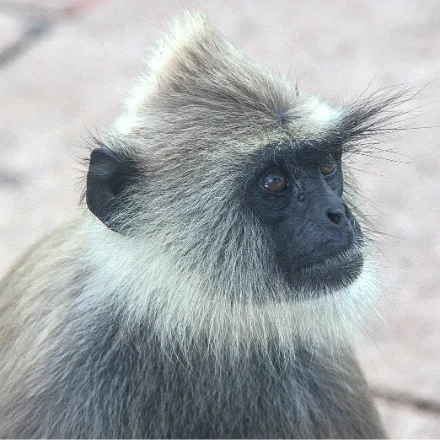
Tufted Grey Langur Regular Near Threatened
Semnopithecus priam
Long-limbed, silver-grey and black-faced, sitting in the open on a ruin or a track edge in every dry zone park.
Where: Riverine and shoreline forest. Best: Year round.
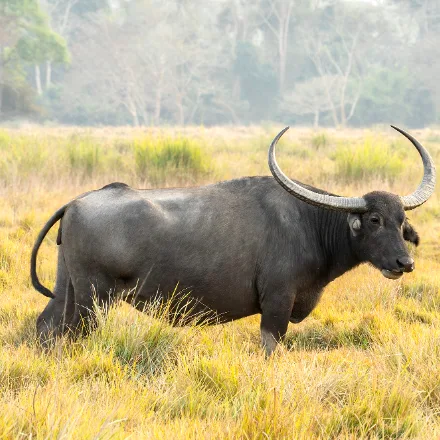
Wild Water Buffalo Regular Endangered
Bubalus arnee
Wide-swept horns spanning further than any other bovid, on an animal that is genuinely dangerous and genuinely rare in its true wild form.
Where: Marsh and reservoir margins, seen from the boat. Best: March to July.
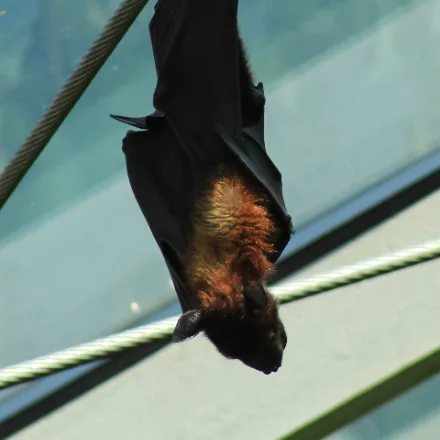
Indian Flying Fox Occasional
Pteropus giganteus
A fruit bat with a metre and a half of wingspan, hanging in noisy thousands from a tree in the middle of town.
Where: Roost trees near the reservoir, streaming out at dusk. Best: Year round.
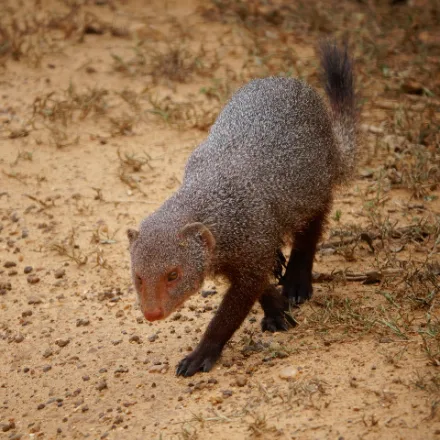
Ruddy Mongoose Occasional
Urva smithii
A big reddish mongoose that carries its black-tipped tail curled up over its back as it crosses a track.
Where: Crossing tracks and working the scrub edge. Best: Year round.
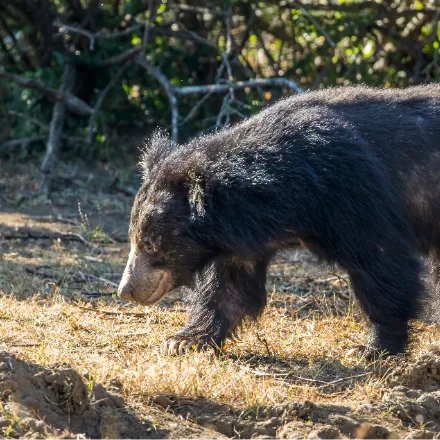
Sloth Bear Rare Vulnerable
Melursus ursinus
A shaggy, long-clawed insect specialist that vacuums termites out of a mound loudly enough to hear from fifty metres.
Where: Forest and rock outcrops around the reservoir. Best: June and July, when the palu fruit ripens.
Sri Lankan Leopard Very rare Endangered
Panthera pardus kotiya
The largest leopard subspecies in the world, and on this island it is the top predator, which changes how it behaves.
Where: Rock outcrops and forest above the reservoir. Best: March to July. Gal Oya's leopards are far less habituated to vehicles than Yala's, which cuts both ways.
Birds
10 species
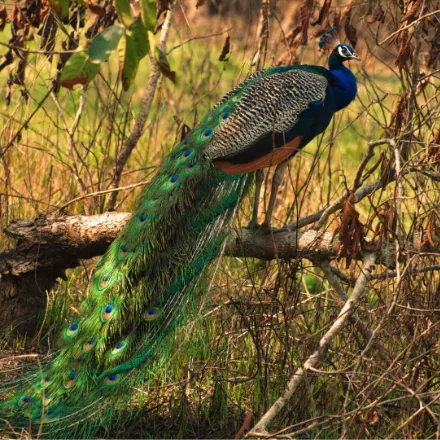
Indian Peafowl Common
Pavo cristatus
Wild, and behaving like a wild bird: displaying on a termite mound at dawn with leopards in the same scrub.
Where: Open woodland along the shoreline. Best: Year round.
Spot-billed Pelican Common Near Threatened
Pelecanus philippensis
A pelican that fishes the ancient irrigation tanks, and one of the few large waterbirds doing better now than it was.
Where: The reservoir and its islands. Best: Year round.
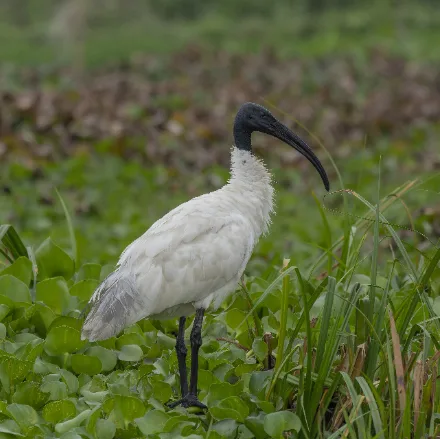
Black-headed Ibis Regular Near Threatened
Threskiornis melanocephalus
White body, bare black head and neck, and a bill built for finding what it cannot see.
Where: Shallow margins and the flooded grass at the reservoir edge. Best: Year round.
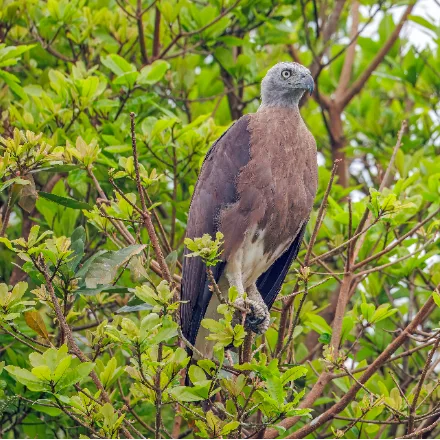
Grey-headed Fish Eagle Regular Near Threatened
Icthyophaga ichthyaetus
Sits low over the water on a dead branch for hours, then drops feet first and comes up with a fish half its own weight.
Where: Dead trees standing in the reservoir. Best: Year round. The drowned forest gives it more perches than anywhere else in the country.
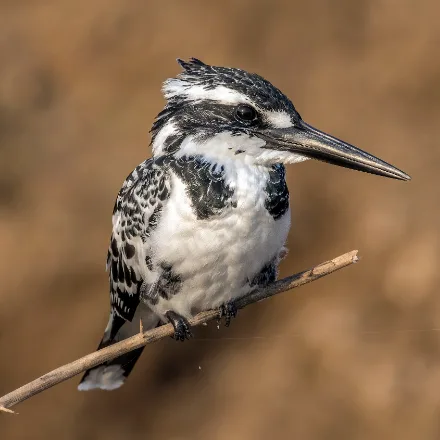
Pied Kingfisher Regular
Ceryle rudis
The largest bird in the world that can hover in still air with no wind to help it, which is how it fishes open water no perch reaches.
Where: Hovering over the reservoir shallows, easily watched from the boat. Best: Year round.
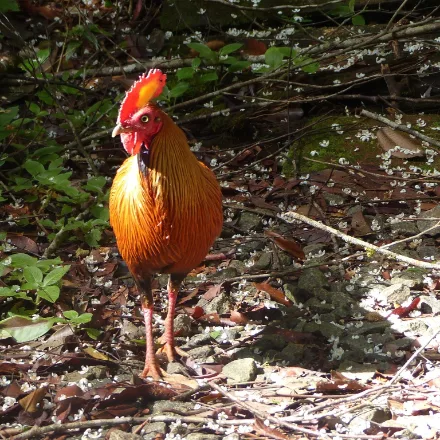
Sri Lanka Junglefowl Regular
Gallus lafayettii
The national bird, and the wild ancestor's cousin: a jungle cockerel with a yellow-centred red comb found nowhere else on earth.
Where: Forest edge and track sides at first light. Best: Year round.
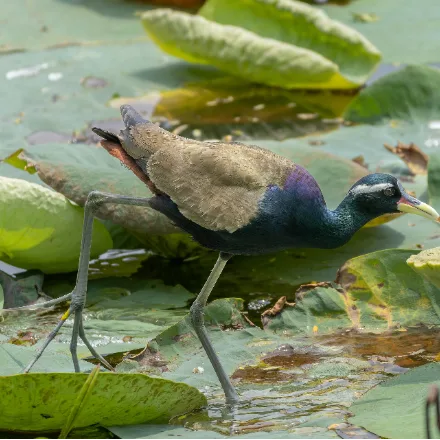
Bronze-winged Jacana Occasional
Metopidius indicus
Toes so long it walks across floating leaves, and a breeding system in which the female holds the territory and the males do all the work.
Where: Walking on floating vegetation in the quiet bays. Best: Year round.
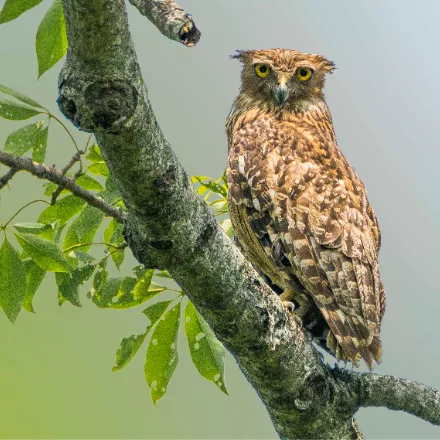
Brown Fish Owl Occasional
Ketupa zeylonensis
A big owl with bare unfeathered legs, because feathers are a liability when you fish with your feet.
Where: Tall trees on the shoreline and the islands, at dusk. Best: Year round.
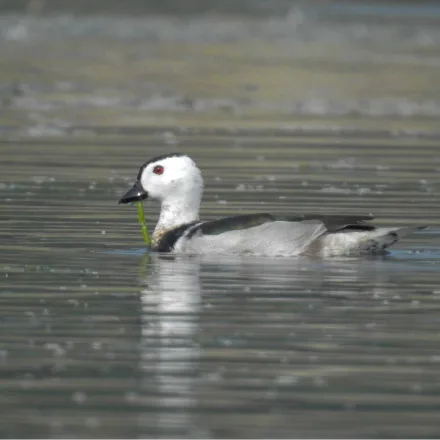
Cotton Pygmy Goose Occasional
Nettapus coromandelianus
One of the smallest waterfowl on earth, nesting in tree holes and sitting out on lily pads.
Where: Lotus and floating weed in the sheltered arms of the reservoir. Best: Year round.
Malabar Pied Hornbill Occasional Near Threatened
Anthracoceros coronatus
The island's big hornbill, sealing the female into a tree hollow behind a wall of mud for the whole nesting period.
Where: Large fruiting trees in the forest around the reservoir. Best: Year round.
Reptiles
9 species
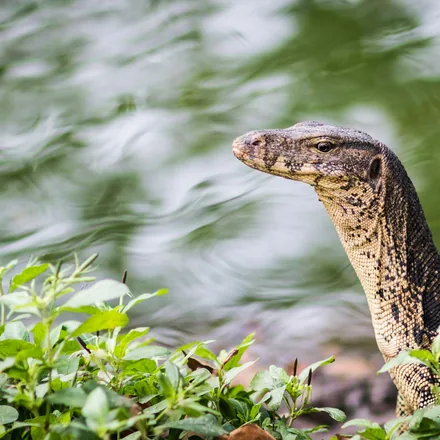
Asian Water Monitor Common
Varanus salvator
A dragon sized lizard that swims canals and city parks, second only to the Komodo dragon in length.
Where: The reservoir shoreline and the island margins, seen from the boat. Best: Year round.
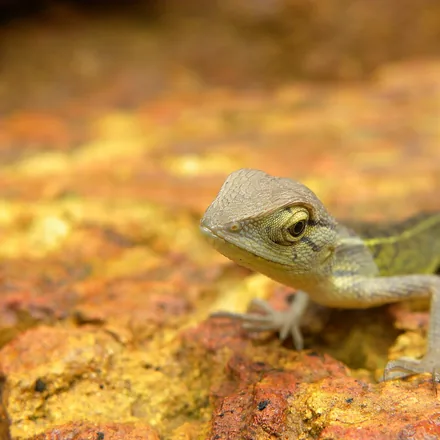
Oriental Garden Lizard Common
Calotes versicolor
The everyday garden lizard whose breeding males flush blood red about the head, earning the name bloodsucker.
Where: Scrub and woodland edge. Best: Year round.
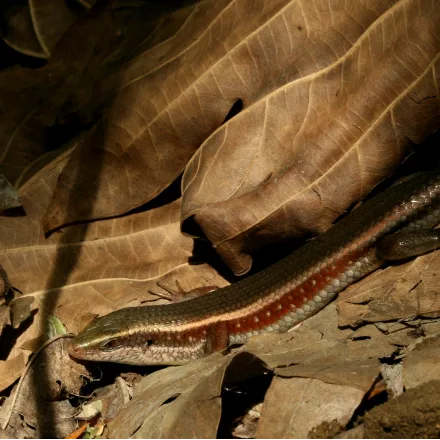
Sri Lankan Common Skink Common
Eutropis lankae
The bronze skink basking on every wall, ruin and hotel lawn in the country turned out in 2020 to be an endemic species, not the Indian one everybody had been calling it.
Where: Rock, track verges and open ground. Best: Year round.
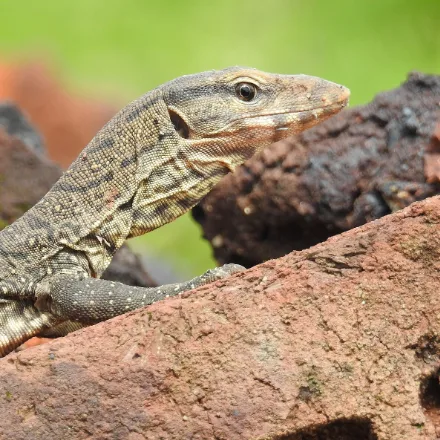
Bengal Monitor Regular
Varanus bengalensis
A dry-country monitor that climbs well, digs constantly and eats essentially anything smaller than itself.
Where: Dry forest and open scrub away from the water. Best: Year round.
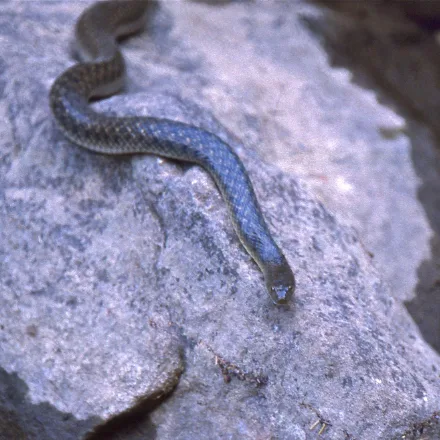
Checkered Keelback Regular
Fowlea piscator
The snake you will actually see in Sri Lanka, hunting fish in a paddy channel in broad daylight.
Where: Reservoir shallows and the feeder channels. Best: Year round.
Mugger Crocodile Regular Vulnerable
Crocodylus palustris
The broadest snout of any living crocodile, and in one Sri Lankan park block there are more of them per square kilometre than anywhere else on earth.
Where: The reservoir margins and inflow channels. Best: Year round.
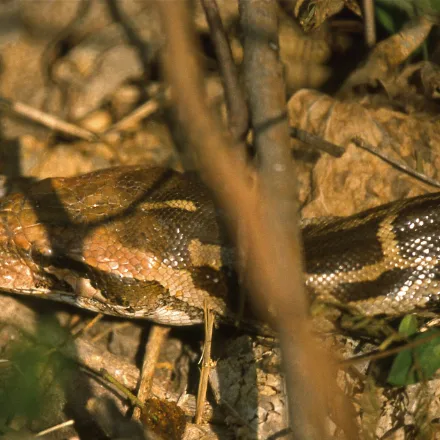
Indian Rock Python Occasional Near Threatened
Python molurus
Sri Lanka's largest snake, and in the dry season it lies out at the edge of a shrinking waterhole where every animal in the park has to come.
Where: Reservoir margins and the wooded island edges. Best: Year round.
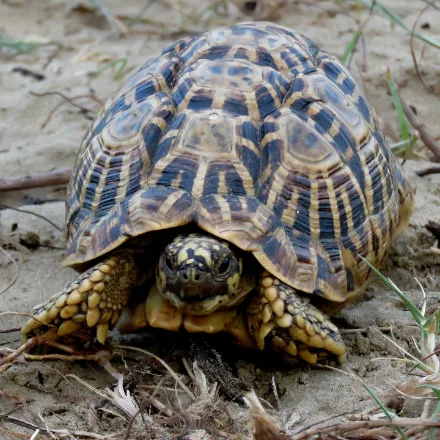
Indian Star Tortoise Occasional Vulnerable
Geochelone elegans
The most trafficked tortoise on earth, and the Sri Lankan animals are the biggest and the most boldly starred of the lot.
Where: Open scrub and grassy ground. Best: Year round, most active after rain.
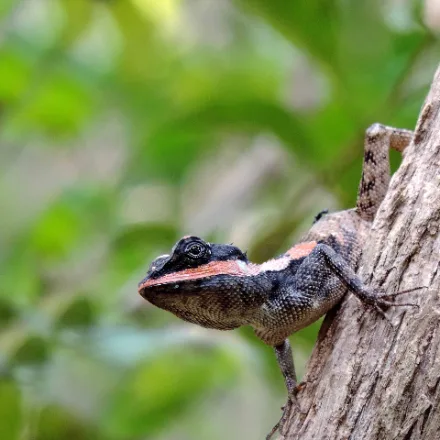
Painted-lip Lizard Occasional
Calotes ceylonensis
A dry zone endemic with a red stripe painted along its upper lip, and when it is alarmed the stripe flashes white.
Where: Shaded wooded ground near the shore. Best: Year round.
Amphibians
2 species
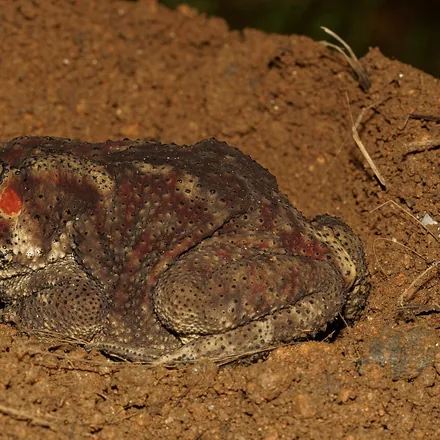
Asian Common Toad Common
Duttaphrynus melanostictus
The ubiquitous warty toad of doorsteps and gardens, hoovering up insects under every night light.
Where: Building surrounds and shoreline scrub after dark. Best: Year round.
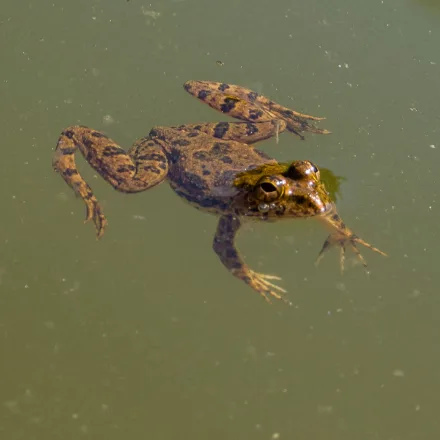
Skittering Frog Common
Euphlyctis cyanophlyctis
Disturbed, it does not dive. It skips across the surface like a flat stone, and it can launch from open water with nothing to push against.
Where: Reservoir shallows and the feeder channels. Best: Year round.
Fish
1 species
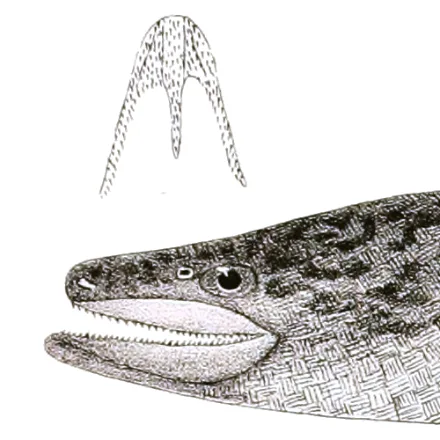
Indian Mottled Eel Rare Near Threatened
Anguilla bengalensis
Spends fifteen years in a Sri Lankan river, then swims to the open Indian Ocean to spawn once and die.
Where: Margins of the Senanayake Samudraya and its feeder rivers. Best: Year round, after dark.
No free photograph of a living Indian mottled eel exists. The image is a nineteenth century scientific plate from Francis Day's The Fishes of India, cropped to the head.
Insects
3 species
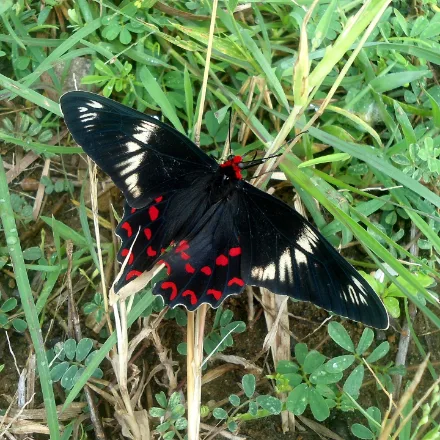
Crimson Rose Common Near Threatened
Pachliopta hector
Flies slowly and in the open because it is poisonous and every predator on the island knows it.
Where: Flowering scrub along the shore and the approach tracks. Best: Year round.
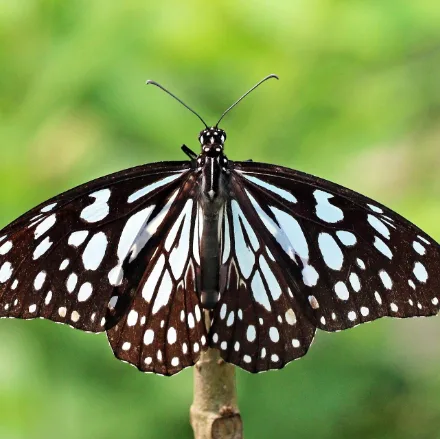
Blue Tiger Regular
Tirumala limniace
Migrates in drifting rivers of thousands, and roosts at night in trees hung solid with butterflies.
Where: Woodland edge and the reservoir margins. Best: February to April.
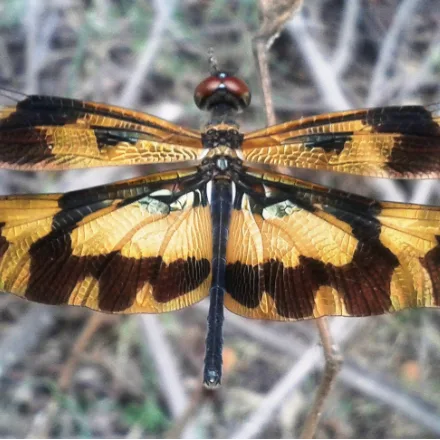
Common Picture Wing Regular
Rhyothemis variegata
Flies like a butterfly, not a dragonfly, on wings washed gold and black.
Where: Margins of the Senanayake Samudraya and its inlets. Best: Year round.
Spiders and scorpions
3 species
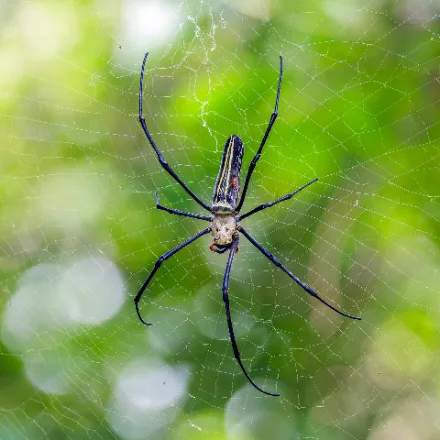
Golden Orb-weaver Common
Nephila pilipes
A giant black-and-yellow spider spinning webs of golden silk strong enough to snare small birds.
Where: Webs slung between trees along the forest edge. Best: Year round.
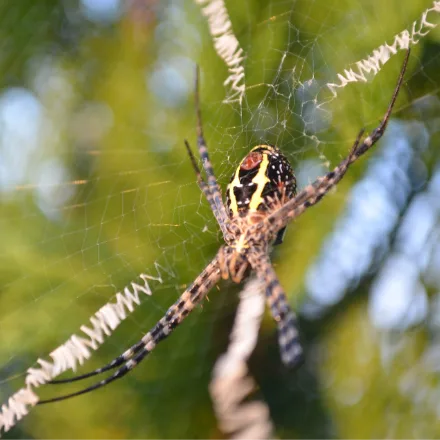
Signature Spider Common
Argiope anasuja
Writes a bold zigzag across the middle of its own web, and nobody is entirely sure why.
Where: Scrub and shoreline vegetation. Best: Year round.
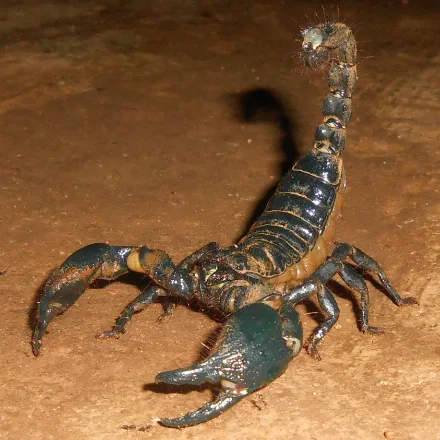
Giant Forest Scorpion Occasional
Heterometrus swammerdami
Among the largest scorpions on earth, and its sting is milder than a bee's.
Where: Under logs and stones on the forest floor at night. Best: Year round.
Crustaceans
1 species
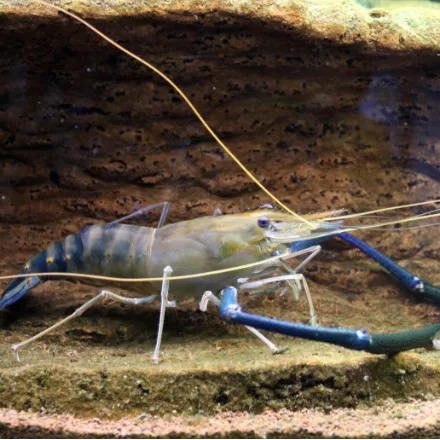
Giant Freshwater Prawn Occasional
Macrobrachium rosenbergii
Claws longer than its body, and it has to reach the sea to breed.
Where: Shallow margins of the Senanayake Samudraya and its feeder rivers. Best: Year round, after dark.
Planning
March to July, when the water is lower and the elephants move between islands most often. Take the boat rather than the jeep: it is the reason to come, and the jeep tracks here are ordinary. Early morning and late afternoon, as everywhere. The park is a long way from anywhere and that is precisely why it stays quiet.
Compare boat safaris, guided walks and transfers for Gal Oya
Some links on this page are affiliate links. If you book through them, Wildseer may earn a small commission at no extra cost to you.
Frequently asked questions
Can you really see elephants swimming at Gal Oya?
Yes. Elephants cross between the reservoir islands regularly and are watched from boats, which is unique in Asia as a reliable rather than a chance event. March to July is the window.
Is Gal Oya better by boat or jeep?
By boat. The boat safari is the reason the park is worth the drive, and it gives close, quiet, water-level views of elephants, pelicans, eagles and crocodiles. The land tracks are ordinary by Sri Lankan standards.
When is the best time to visit Gal Oya?
March to July, when the reservoir drops and the herds move between islands. Early morning and late afternoon on the water.
What else lives at Gal Oya?
Spot-billed pelican, grey-headed fish eagle and Malabar pied hornbill among the birds, mugger crocodile and water monitor on the shoreline, chital, langurs, jackal and mongoose in the forest, and sloth bear and leopard, both rare.
Explore Sri Lanka wildlife by group
 Mammals of Sri Lanka
 Birds of Sri Lanka
 Reptiles and amphibians of Sri Lanka
 Fish of Sri Lanka
 Sharks and rays of Sri Lanka
 Reef invertebrates of Sri Lanka
 Insects and spiders of Sri Lanka
Part of the Wildlife in Sri Lanka guide.
Explore Sri Lanka wildlife by place
- Adams Peak wildlife
- Arugam Bay marine life
- Bundala wildlife
- Colombo wildlife
- Ella wildlife
- Great Basses marine life
- Hikkaduwa marine life
- Horton Plains wildlife
- Jaffna wildlife
- Kalpitiya marine life
- Kandy wildlife
- Kanneliya wildlife
- Kitulgala wildlife
- Knuckles wildlife
- Kumana wildlife
- Mannar marine life
- Minneriya wildlife
- Mirissa marine life
- Rekawa marine life
- Sigiriya wildlife
- Sinharaja wildlife
- Tangalle marine life
- Trincomalee marine life
- Udawalawe wildlife
- Wasgamuwa wildlife
- Wilpattu wildlife
- Yala wildlife
Image credits
Square thumbnails are cropped from the original. Wide banner images are cropped to a band. Other images are resized only. No other changes have been made.
- Asian elephant (resized): Shadow Ayush | CC BY-SA 4.0, cropped
- Spot-billed Pelican: Charles J. Sharp | CC BY-SA 4.0, cropped
- Mugger Crocodile: Karunakar Rayker from India | CC BY-SA 2.0, cropped
- Sri Lankan Leopard: Vasuki Jayaweera | CC BY-SA 4.0, cropped
- Malabar Pied Hornbill: @Vikas patil photography | CC BY-SA 4.0, cropped
- Chital: Tisha Mukherjee | CC BY-SA 4.0, cropped
- Toque Macaque: Ji-Elle | CC BY-SA 3.0, cropped
- Asian Elephant (cropped to square): Shadow Ayush | CC BY-SA 4.0, cropped
- Golden Jackal: Vengolis | CC BY-SA 4.0, cropped
- Tufted Grey Langur: Peter van der Sluijs | CC BY-SA 3.0, cropped
- Wild Water Buffalo: Joydeep Chakraborty | CC BY-SA 4.0, cropped
- Indian Flying Fox: Alois Staudacher | CC BY 2.0, cropped
- Ruddy Mongoose: desertnaturalist | CC BY 4.0, cropped
- Sloth Bear: Charles J. Sharp | CC BY-SA 4.0, cropped
- Indian Peafowl: Joshianuj | CC BY-SA 4.0, cropped
- Black-headed Ibis: Tisha Mukherjee | CC BY-SA 4.0, cropped
- Grey-headed Fish Eagle: Charles J. Sharp | CC BY-SA 4.0, cropped
- Pied Kingfisher: Charles J. Sharp | CC BY-SA 4.0, cropped
- Sri Lanka Junglefowl: eamonccorbett | CC BY 4.0, cropped
- Bronze-winged Jacana: Tisha Mukherjee | CC BY-SA 4.0, cropped
- Brown Fish Owl: Hedayeat Ullah | CC BY-SA 4.0, cropped
- Cotton Pygmy Goose: Tisha Mukherjee | CC BY-SA 4.0, cropped
- Asian Water Monitor: John Thomas | Unsplash License, cropped
- Oriental Garden Lizard (cropped to square): Ajay Kuyiloor | CC BY-SA 3.0, cropped
- Sri Lankan Common Skink: Gihan Jayaweera | CC BY-SA 4.0, cropped
- Bengal Monitor (cropped to square): Dr. Raju Kasambe | CC BY-SA 4.0, cropped
- Checkered Keelback: Bernard DUPONT from FRANCE | CC BY-SA 2.0, cropped
- Indian Rock Python: Bernard DUPONT from FRANCE | CC BY-SA 2.0, cropped
- Indian Star Tortoise: Selvaganesh17 | CC BY-SA 4.0, cropped
- Painted-lip Lizard: Sumudusoyza007 | CC BY-SA 4.0, cropped
- Asian Common Toad (cropped to square): © 2016 Jee & Rani Nature Photography (License: CC BY-SA 4.0) | CC BY-SA 4.0, cropped
- Skittering Frog: Mike Prince from Bangalore, India | CC BY 2.0, cropped
- Indian Mottled Eel: Francis Day | Public domain, cropped
- Crimson Rose: Adityamadhav83 | CC BY-SA 3.0, cropped
- Blue Tiger (cropped to square): Charles J. Sharp | CC BY-SA 4.0, cropped
- Common Picture Wing: 42sneha | CC BY-SA 3.0, cropped
- Golden Orb-weaver (resized): Charles J. Sharp | CC BY-SA 4.0, cropped
- Signature Spider: Abkhanal | CC BY-SA 3.0, cropped
- Giant Forest Scorpion: Nireekshit | CC BY-SA 3.0, cropped
- Giant Freshwater Prawn: This illustration was made by Citron You must credit this : Citron / CC-BY-SA-3.0 | CC BY-SA 3.0, cropped
- Purple-faced langur in the canopy: kanchana Amilani | Unsplash License, cropped
- White-throated kingfisher on a branch: kanchana Amilani | Unsplash License, cropped
- Green forest lizard in breeding colour: Anas Mohamed Nuski | Pexels Licence, cropped
- Bluestripe snapper over a reef: Jeffry Surianto | Pexels Licence, cropped
- Reef manta rays near the surface: Emma Li | Pexels Licence, cropped
- Nudibranch crossing the sea floor: Chris Spain | Pexels Licence, cropped
- Clipper butterfly on a leaf: Pixabay | Pexels Licence, cropped
Square thumbnails are cropped from the original. Wide banner images are cropped to a band. Other images are resized only. No other changes have been made.
- Asian elephant (resized): Shadow Ayush | CC BY-SA 4.0, cropped
- Spot-billed Pelican: Charles J. Sharp | CC BY-SA 4.0, cropped
- Mugger Crocodile: Karunakar Rayker from India | CC BY-SA 2.0, cropped
- Sri Lankan Leopard: Vasuki Jayaweera | CC BY-SA 4.0, cropped
- Malabar Pied Hornbill: @Vikas patil photography | CC BY-SA 4.0, cropped
- Chital: Tisha Mukherjee | CC BY-SA 4.0, cropped
- Toque Macaque: Ji-Elle | CC BY-SA 3.0, cropped
- Asian Elephant (cropped to square): Shadow Ayush | CC BY-SA 4.0, cropped
- Golden Jackal: Vengolis | CC BY-SA 4.0, cropped
- Tufted Grey Langur: Peter van der Sluijs | CC BY-SA 3.0, cropped
- Wild Water Buffalo: Joydeep Chakraborty | CC BY-SA 4.0, cropped
- Indian Flying Fox: Alois Staudacher | CC BY 2.0, cropped
- Ruddy Mongoose: desertnaturalist | CC BY 4.0, cropped
- Sloth Bear: Charles J. Sharp | CC BY-SA 4.0, cropped
- Indian Peafowl: Joshianuj | CC BY-SA 4.0, cropped
- Black-headed Ibis: Tisha Mukherjee | CC BY-SA 4.0, cropped
- Grey-headed Fish Eagle: Charles J. Sharp | CC BY-SA 4.0, cropped
- Pied Kingfisher: Charles J. Sharp | CC BY-SA 4.0, cropped
- Sri Lanka Junglefowl: eamonccorbett | CC BY 4.0, cropped
- Bronze-winged Jacana: Tisha Mukherjee | CC BY-SA 4.0, cropped
- Brown Fish Owl: Hedayeat Ullah | CC BY-SA 4.0, cropped
- Cotton Pygmy Goose: Tisha Mukherjee | CC BY-SA 4.0, cropped
- Asian Water Monitor: John Thomas | Unsplash License, cropped
- Oriental Garden Lizard (cropped to square): Ajay Kuyiloor | CC BY-SA 3.0, cropped
- Sri Lankan Common Skink: Gihan Jayaweera | CC BY-SA 4.0, cropped
- Bengal Monitor (cropped to square): Dr. Raju Kasambe | CC BY-SA 4.0, cropped
- Checkered Keelback: Bernard DUPONT from FRANCE | CC BY-SA 2.0, cropped
- Indian Rock Python: Bernard DUPONT from FRANCE | CC BY-SA 2.0, cropped
- Indian Star Tortoise: Selvaganesh17 | CC BY-SA 4.0, cropped
- Painted-lip Lizard: Sumudusoyza007 | CC BY-SA 4.0, cropped
- Asian Common Toad (cropped to square): © 2016 Jee & Rani Nature Photography (License: CC BY-SA 4.0) | CC BY-SA 4.0, cropped
- Skittering Frog: Mike Prince from Bangalore, India | CC BY 2.0, cropped
- Indian Mottled Eel: Francis Day | Public domain, cropped
- Crimson Rose: Adityamadhav83 | CC BY-SA 3.0, cropped
- Blue Tiger (cropped to square): Charles J. Sharp | CC BY-SA 4.0, cropped
- Common Picture Wing: 42sneha | CC BY-SA 3.0, cropped
- Golden Orb-weaver (resized): Charles J. Sharp | CC BY-SA 4.0, cropped
- Signature Spider: Abkhanal | CC BY-SA 3.0, cropped
- Giant Forest Scorpion: Nireekshit | CC BY-SA 3.0, cropped
- Giant Freshwater Prawn: This illustration was made by Citron You must credit this : Citron / CC-BY-SA-3.0 | CC BY-SA 3.0, cropped
- Purple-faced langur in the canopy: kanchana Amilani | Unsplash License, cropped
- White-throated kingfisher on a branch: kanchana Amilani | Unsplash License, cropped
- Green forest lizard in breeding colour: Anas Mohamed Nuski | Pexels Licence, cropped
- Bluestripe snapper over a reef: Jeffry Surianto | Pexels Licence, cropped
- Reef manta rays near the surface: Emma Li | Pexels Licence, cropped
- Nudibranch crossing the sea floor: Chris Spain | Pexels Licence, cropped
- Clipper butterfly on a leaf: Pixabay | Pexels Licence, cropped