
Colombo is an accredited Wetland City, and that is not a slogan. Marshes run right through the capital, and Talangama, Diyasaru and the Bellanwila wetlands hold waterbird numbers that would make a respectable reserve anywhere else. You can be in serious habitat twenty minutes from the airport road.
Waterbirds carry it. Black-headed ibis and spot-billed pelican work the open shallows, cotton pygmy geese sit in the lotus, bronze-winged jacanas walk on the floating leaves, and pied kingfishers hover over the channels. The Indian flying fox roosts in the tall trees and streams out over the traffic at dusk.
Two animals here surprise people. The saltwater crocodile lives in the canals and the lower river, which is the reason nobody should swim in either, and it is a genuine urban predator rather than a curiosity. And the little file snake, a strange loose-skinned marine snake, turns up in brackish water in the city. The frogs and the wetland fish, including the green chromide and the endemic Ceylon killifish, fill out a list that has no business existing inside a capital.
Highlights
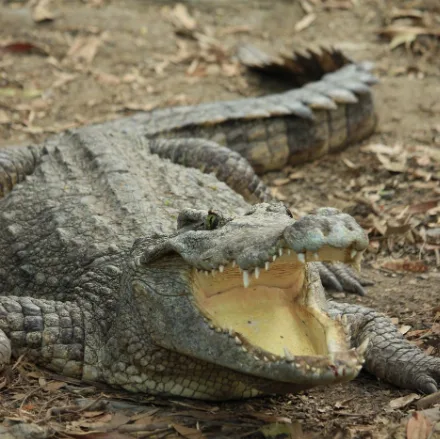
Saltwater Crocodile
The largest living reptile and the ocean going giant of crocodiles, now virtually gone from Thai waters. Where: The city canal system, Lake Bolgoda and Muthurajawela marsh. Best: Year round.
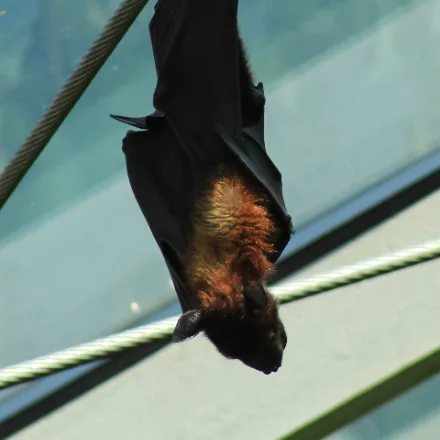
Indian Flying Fox
A fruit bat with a metre and a half of wingspan, hanging in noisy thousands from a tree in the middle of town. Where: Roost trees in parks and around the wetlands. Best: Year round, dusk.
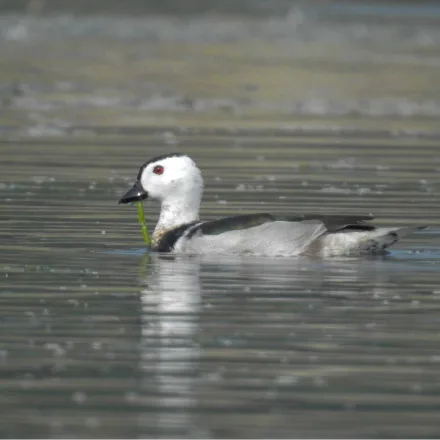
Cotton Pygmy Goose
One of the smallest waterfowl on earth, nesting in tree holes and sitting out on lily pads. Where: Talangama and Bellanwila, among the lotus. Best: Year round.
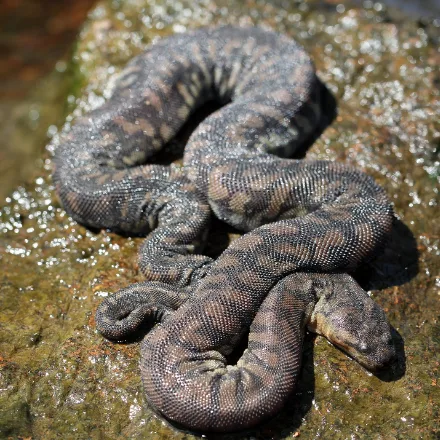
Little File Snake
Loose baggy skin covered in rasping granular scales, used to grip slippery fish that no smooth snake could hold. Where: Muthurajawela and the brackish canal margins. Best: Year round, night.
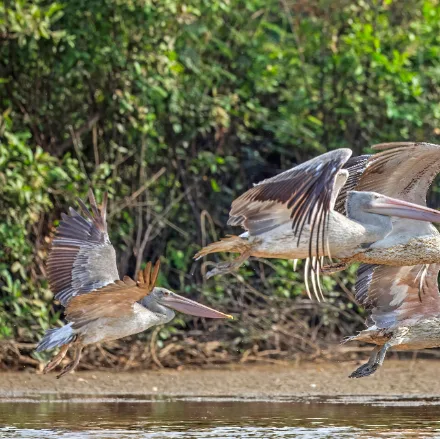
Spot-billed Pelican
A pelican that fishes the ancient irrigation tanks, and one of the few large waterbirds doing better now than it was. Where: Talangama and the larger city wetlands. Best: Year round.
Mammals
1 species
Indian Flying Fox Regular
Pteropus giganteus
A fruit bat with a metre and a half of wingspan, hanging in noisy thousands from a tree in the middle of town.
Where: Roost trees in parks and around the wetlands. Best: Year round, dusk.
Birds
8 species
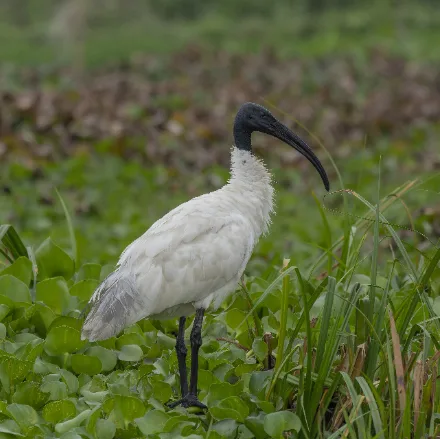
Black-headed Ibis Common Near Threatened
Threskiornis melanocephalus
White body, bare black head and neck, and a bill built for finding what it cannot see.
Where: Talangama and Bellanwila marshes and the surrounding paddy. Best: Year round. One of the large waterbirds that makes a city wetland worth an early morning.
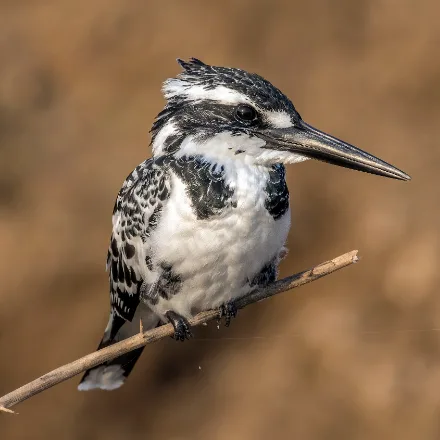
Pied Kingfisher Common
Ceryle rudis
The largest bird in the world that can hover in still air with no wind to help it, which is how it fishes open water no perch reaches.
Where: Talangama tank and the city canals. Best: Year round. One of the best things about the Colombo wetlands, and visible from the bund.
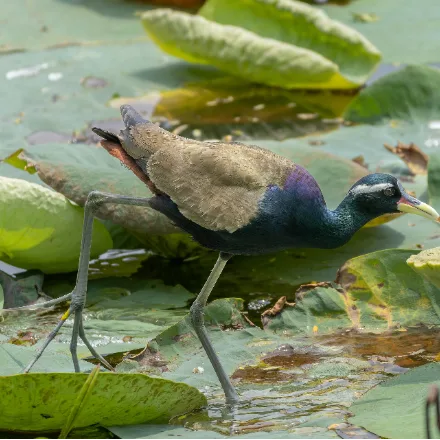
Bronze-winged Jacana Regular
Metopidius indicus
Toes so long it walks across floating leaves, and a breeding system in which the female holds the territory and the males do all the work.
Where: Talangama and Bellanwila, walking the lily pads. Best: Year round. Shares the tanks with the pheasant-tailed jacana, and comparing the two on one visit is worth doing.
Cotton Pygmy Goose Regular
Nettapus coromandelianus
One of the smallest waterfowl on earth, nesting in tree holes and sitting out on lily pads.
Where: Talangama and Bellanwila, among the lotus. Best: Year round. Sits low among the leaves and is easily missed. Scan the lily pads rather than the open water.
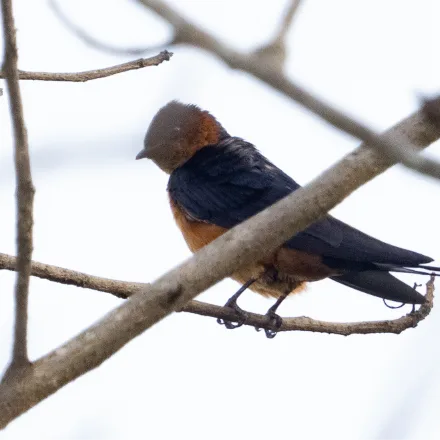
Sri Lanka Swallow Regular
Cecropis hyperythra
A deep chestnut swallow with a long forked tail, hunting over paddy and open country the length of the island.
Where: Over the wetlands and canal margins. Best: Year round. Bridges and culverts are the nest sites.
Spot-billed Pelican Occasional Near Threatened
Pelecanus philippensis
A pelican that fishes the ancient irrigation tanks, and one of the few large waterbirds doing better now than it was.
Where: Talangama and the larger city wetlands. Best: Year round. Genuinely present inside a capital city, which is the point of the Colombo page.
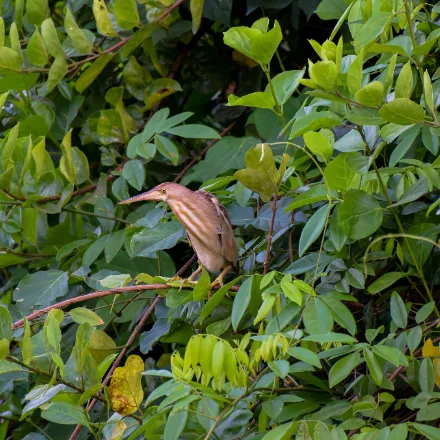
Yellow Bittern Occasional
Ixobrychus sinensis
Freezes with its bill pointed straight up and vanishes into the reeds, which is why almost nobody sees it despite it being everywhere.
Where: Reed fringes at Talangama and Bellanwila. Best: Year round, dawn and dusk. Best found at first light when it flies low across a channel and shows the dark wings.
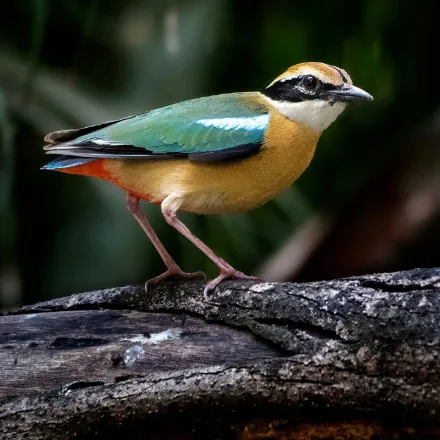
Indian Pitta Rare
Pitta brachyura
Nine colours on a ground bird the size of a thrush, and it arrives every October to spend the winter hopping about in leaf litter.
Where: Wooded gardens and the wetland margins. Best: Nov-Mar. Turns up in city gardens surprisingly often in the winter months.
Reptiles
8 species
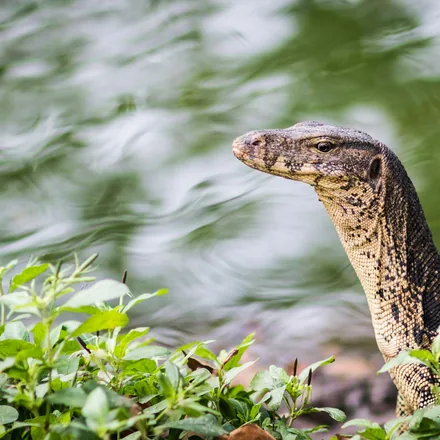
Asian Water Monitor Common
Varanus salvator
A dragon sized lizard that swims canals and city parks, second only to the Komodo dragon in length.
Where: Beira Lake, the canal system and Muthurajawela marsh. Best: Year round. Wildlife you can watch from a city pavement, which is unusual anywhere.
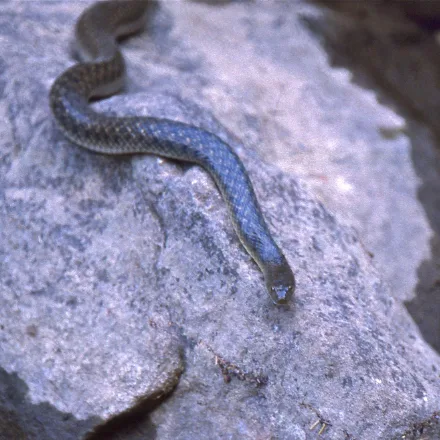
Checkered Keelback Common
Fowlea piscator
The snake you will actually see in Sri Lanka, hunting fish in a paddy channel in broad daylight.
Where: Muthurajawela marsh and the city canal system. Best: Year round. One of the easiest wildlife sightings in the capital.
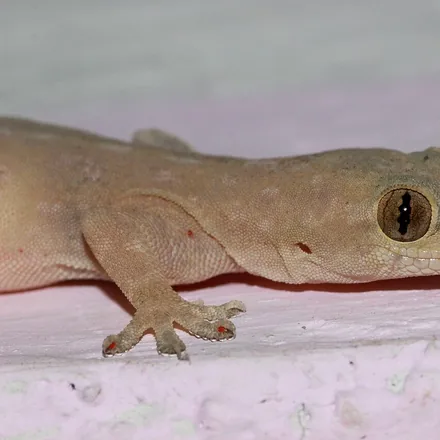
Common House Gecko Common
Hemidactylus frenatus
Sticks to glass using van der Waals forces across billions of microscopic hairs, not glue and not suction.
Where: Hotel and apartment walls, lit shopfronts. Best: Year round, night.
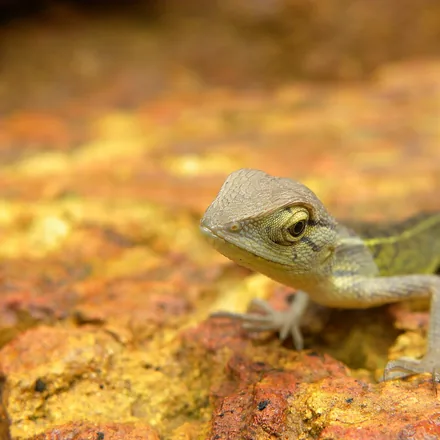
Oriental Garden Lizard Common
Calotes versicolor
The everyday garden lizard whose breeding males flush blood red about the head, earning the name bloodsucker.
Where: Street hedges, parks and garden walls. Best: Year round.
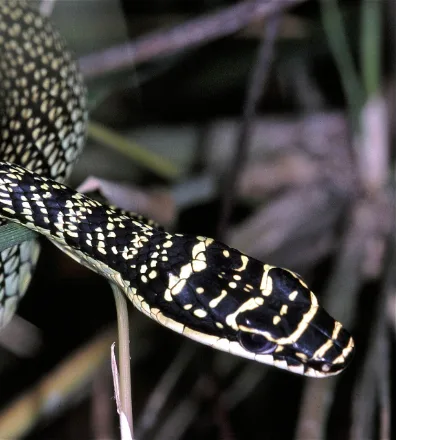
Golden Tree Snake Occasional
Chrysopelea ornata
A fast, elegant climber that can also glide, and one of the most common snakes seen in Thai gardens and temples.
Where: Suburban gardens and coconut plantation. Best: Year round, daytime.
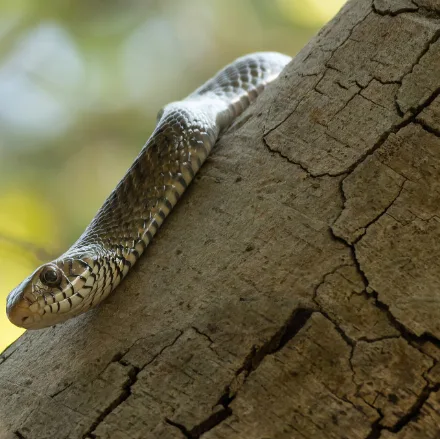
Oriental Rat Snake Occasional
Ptyas mucosa
A long, fast, wide eyed snake that races across open ground and is one of the region's great rodent controllers.
Where: Wetland margins, canal banks and suburban gardens. Best: Year round, daytime.
Saltwater Crocodile Occasional
Crocodylus porosus
The largest living reptile and the ocean going giant of crocodiles, now virtually gone from Thai waters.
Where: The city canal system, Lake Bolgoda and Muthurajawela marsh. Best: Year round. Roughly thirty medium to large animals live in the canals of a capital city.
Little File Snake Rare
Acrochordus granulatus
Loose baggy skin covered in rasping granular scales, used to grip slippery fish that no smooth snake could hold.
Where: Muthurajawela and the brackish canal margins. Best: Year round, night.
Amphibians
5 species
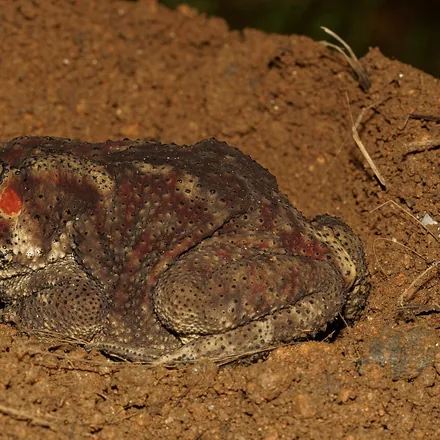
Asian Common Toad Common
Duttaphrynus melanostictus
The ubiquitous warty toad of doorsteps and gardens, hoovering up insects under every night light.
Where: Street lights, park edges and garden paths after dark. Best: Year round, night. The classic sight is a ring of toads under a street lamp during a termite swarm, taking them out of the air.
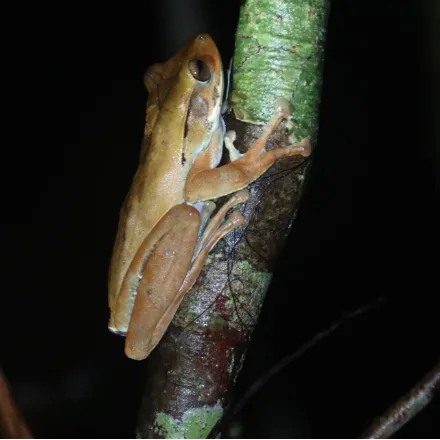
Common Hourglass Tree Frog Common
Polypedates cruciger
The endemic frog most visitors meet first, usually sitting on a bathroom wall rather than in a forest.
Where: Suburban gardens, marsh edges and buildings. Best: Year round, night.
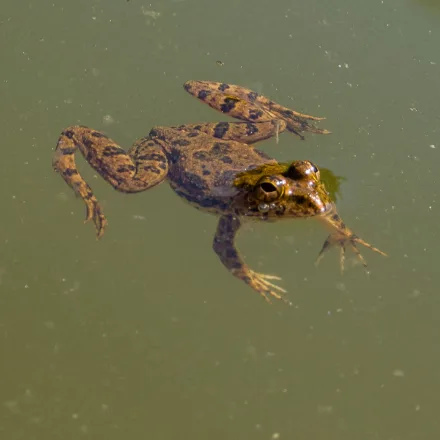
Skittering Frog Common
Euphlyctis cyanophlyctis
Disturbed, it does not dive. It skips across the surface like a flat stone, and it can launch from open water with nothing to push against.
Where: Canal margins, park ponds and marsh. Best: Year round.
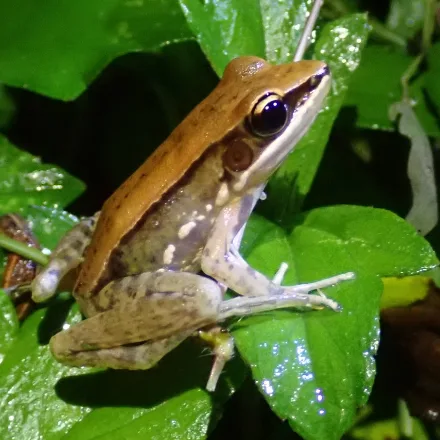
Sri Lanka Wood Frog Common
Hydrophylax gracilis
The most catchable endemic frog in Sri Lankan farmland, and it will climb a stem over water then drop straight in when you get close.
Where: Muthurajawela marsh, canal margins and suburban wetland. Best: Year round, night.
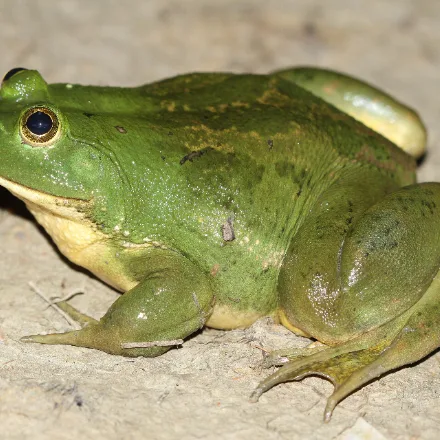
Indian Green Pond Frog Regular
Euphlyctis hexadactylus
One of the very few frogs anywhere that deliberately eats plants, which for an order of committed carnivores is close to heresy.
Where: Muthurajawela and the city wetlands. Best: Year round.
Fish
3 species
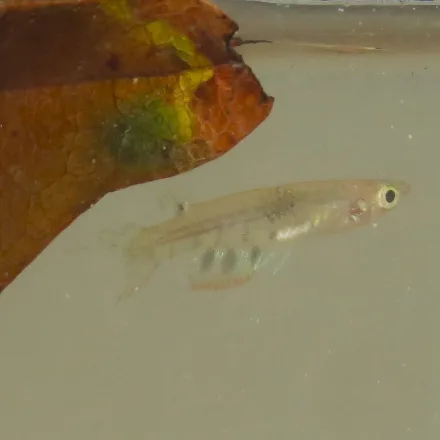
Ceylon Killifish Common
Aplocheilus dayi
Hangs motionless at the surface with an iridescent green spot between its eyes, which is how you find it.
Where: Marsh channels and ditches at Thalangama, Diyasaru and Beddagana. Best: Year round.
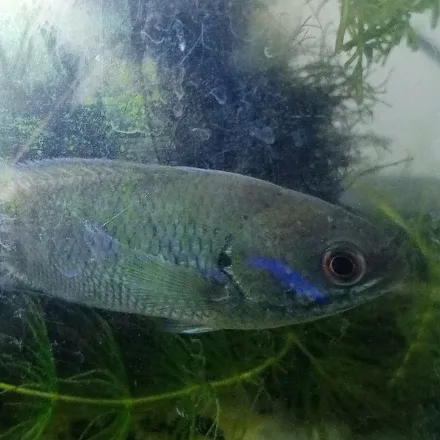
Climbing Perch Regular
Anabas testudineus
A fish that walks out of the water and hauls itself overland on its gill covers, sometimes for hours.
Where: Marsh channels and paddy edges at Thalangama and Beddagana. Best: Year round.
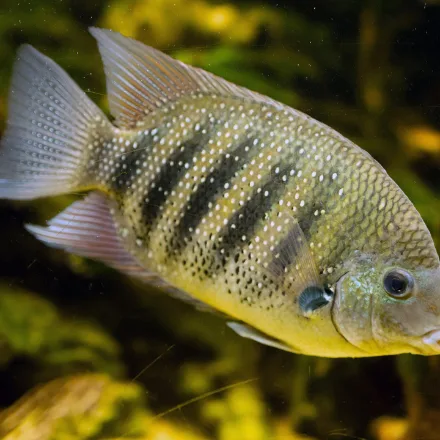
Green Chromide Regular
Etroplus suratensis
One of only three cichlids in all of Asia, and the other two are its close relatives.
Where: The Negombo lagoon and the connected canal system. Best: Year round.
Insects
4 species
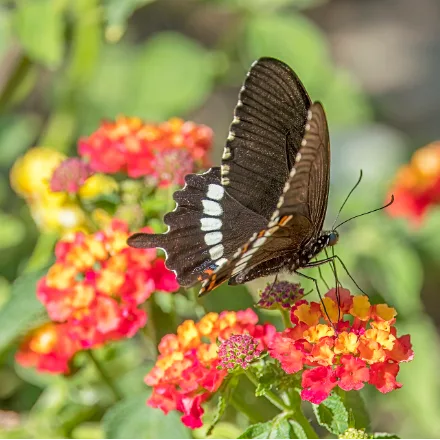
Common Mormon Common
Papilio polytes
Females come in three different forms, two of which impersonate butterflies that are poisonous to eat.
Where: Gardens, parks and the wetland margins. Best: Year round.
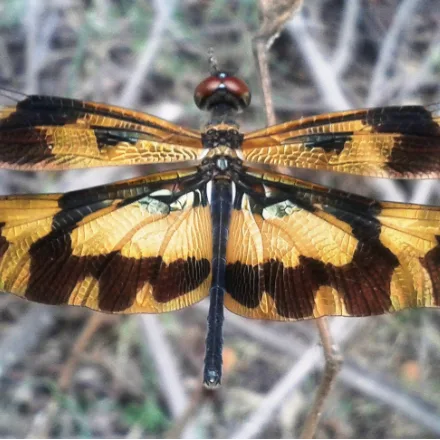
Common Picture Wing Common
Rhyothemis variegata
Flies like a butterfly, not a dragonfly, on wings washed gold and black.
Where: Marsh channels at Thalangama, Diyasaru and Beddagana. Best: Year round.
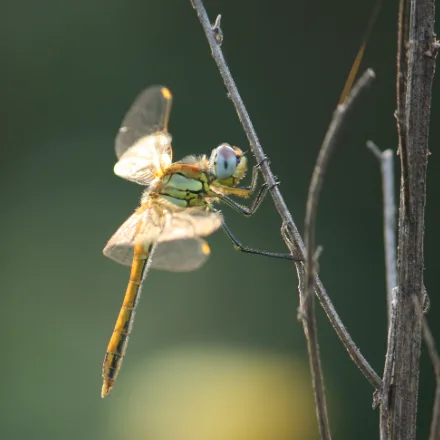
Wandering Glider Common
Pantala flavescens
Makes the longest migration of any insect on earth, crossing open ocean between India and Africa.
Where: Over the marsh channels and open ground at Thalangama and Beddagana. Best: May to September and October to December.
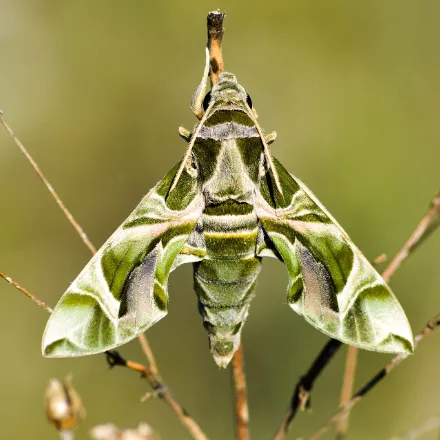
Oleander Hawkmoth Occasional
Daphnis nerii
Camouflaged like military fatigues and fast enough to cross the Mediterranean, it hovers at flowers like a hummingbird.
Where: Gardens, hotel plantings and park edges at dusk. Best: Year round, dusk.
Planning
November to March is the drier and better window, and early morning is worth more than any other time of day: the wetlands are calm, the birds are active, and the heat has not arrived. The marshes have boardwalks and are easy walking, so this is the most accessible wildlife on the island and the best use of a first or last day. The crocodile in the canals here is the saltwater species rather than the mugger.
Compare guided wetland walks and birding mornings in Colombo
Some links on this page are affiliate links. If you book through them, Wildseer may earn a small commission at no extra cost to you.
Frequently asked questions
Is there wildlife in Colombo?
More than most visitors expect. The city is an accredited Wetland City with marshes at Talangama, Diyasaru and Bellanwila holding pelicans, ibis, jacanas, kingfishers and cotton pygmy geese, plus water monitors, flying foxes and crocodiles.
Are there crocodiles in Colombo?
Yes. The crocodile in the Colombo canals and the Diyawanna waterways is the saltwater species rather than the mugger.
Where is the best place to see birds in Colombo?
The wetland parks. Talangama is the classic site, and Diyasaru and Bellanwila are both productive. Go at first light for the best of it.
Is Colombo worth a wildlife day?
As a whole trip, no. As a first or last day when you are in the city anyway, it is the best value few hours on the island, and it needs no permit, no jeep and no early drive.
Explore Sri Lanka wildlife by group
 Mammals of Sri Lanka
 Birds of Sri Lanka
 Reptiles and amphibians of Sri Lanka
 Fish of Sri Lanka
 Sharks and rays of Sri Lanka
 Reef invertebrates of Sri Lanka
 Insects and spiders of Sri Lanka
Part of the Wildlife in Sri Lanka guide.
Explore Sri Lanka wildlife by place
- Adams Peak wildlife
- Arugam Bay marine life
- Bundala wildlife
- Ella wildlife
- Gal Oya wildlife
- Great Basses marine life
- Hikkaduwa marine life
- Horton Plains wildlife
- Jaffna wildlife
- Kalpitiya marine life
- Kandy wildlife
- Kanneliya wildlife
- Kitulgala wildlife
- Knuckles wildlife
- Kumana wildlife
- Mannar marine life
- Minneriya wildlife
- Mirissa marine life
- Rekawa marine life
- Sigiriya wildlife
- Sinharaja wildlife
- Tangalle marine life
- Trincomalee marine life
- Udawalawe wildlife
- Wasgamuwa wildlife
- Wilpattu wildlife
- Yala wildlife
Image credits
Square thumbnails are cropped from the original. Wide banner images are cropped to a band. Other images are resized only. No other changes have been made.
- Saltwater Crocodile: Rutpratheep Nilpechr | Pexels Licence, cropped
- Indian Flying Fox: Alois Staudacher | CC BY 2.0, cropped
- Cotton Pygmy Goose: Tisha Mukherjee | CC BY-SA 4.0, cropped
- Little File Snake (cropped to square): Matt from Melbourne, Australia | CC BY 2.0, cropped
- Spot-billed Pelican: Charles J. Sharp | CC BY-SA 4.0, cropped
- Black-headed Ibis: Tisha Mukherjee | CC BY-SA 4.0, cropped
- Pied Kingfisher: Charles J. Sharp | CC BY-SA 4.0, cropped
- Bronze-winged Jacana: Tisha Mukherjee | CC BY-SA 4.0, cropped
- Sri Lanka Swallow: William Stephens | CC BY 4.0, cropped
- Yellow Bittern: Vinay bhat | CC BY-SA 4.0, cropped
- Indian Pitta: Navonil Dutta | CC BY-SA 4.0, cropped
- Asian Water Monitor: John Thomas | Unsplash License, cropped
- Checkered Keelback: Bernard DUPONT from FRANCE | CC BY-SA 2.0, cropped
- Common House Gecko (cropped to square): Firos AK | CC BY-SA 4.0, cropped
- Oriental Garden Lizard (cropped to square): Ajay Kuyiloor | CC BY-SA 3.0, cropped
- Golden Tree Snake (cropped to square): Bernard DUPONT from FRANCE | CC BY-SA 2.0, cropped
- Oriental Rat Snake (cropped to square): Tisha Mukherjee | CC BY-SA 4.0, cropped
- Asian Common Toad (cropped to square): © 2016 Jee & Rani Nature Photography (License: CC BY-SA 4.0) | CC BY-SA 4.0, cropped
- Common Hourglass Tree Frog: Vsevolod Rudyi | CC BY 4.0, cropped
- Skittering Frog: Mike Prince from Bangalore, India | CC BY 2.0, cropped
- Sri Lanka Wood Frog: Théalie Dhellemmes | CC BY-SA 4.0, cropped
- Indian Green Pond Frog: David V. Raju | CC BY-SA 4.0, cropped
- Ceylon Killifish: Thuhiru S. Yapa | CC BY 4.0, cropped
- Climbing Perch (cropped to square): Renno Sumarsono | CC0, cropped
- Green Chromide: Peter Corbett | CC BY 2.0, cropped
- Common Mormon (cropped to square): Charles J. Sharp | CC BY-SA 4.0, cropped
- Common Picture Wing: 42sneha | CC BY-SA 3.0, cropped
- Wandering Glider: Vivekpuliyeri | CC BY-SA 3.0, cropped
- Oleander Hawkmoth (cropped to square): Chriskazil | CC BY-SA 4.0, cropped
- Purple-faced langur in the canopy: kanchana Amilani | Unsplash License, cropped
- White-throated kingfisher on a branch: kanchana Amilani | Unsplash License, cropped
- Green forest lizard in breeding colour: Anas Mohamed Nuski | Pexels Licence, cropped
- Bluestripe snapper over a reef: Jeffry Surianto | Pexels Licence, cropped
- Reef manta rays near the surface: Emma Li | Pexels Licence, cropped
- Nudibranch crossing the sea floor: Chris Spain | Pexels Licence, cropped
- Clipper butterfly on a leaf: Pixabay | Pexels Licence, cropped
Square thumbnails are cropped from the original. Wide banner images are cropped to a band. Other images are resized only. No other changes have been made.
- Saltwater Crocodile: Rutpratheep Nilpechr | Pexels Licence, cropped
- Indian Flying Fox: Alois Staudacher | CC BY 2.0, cropped
- Cotton Pygmy Goose: Tisha Mukherjee | CC BY-SA 4.0, cropped
- Little File Snake (cropped to square): Matt from Melbourne, Australia | CC BY 2.0, cropped
- Spot-billed Pelican: Charles J. Sharp | CC BY-SA 4.0, cropped
- Black-headed Ibis: Tisha Mukherjee | CC BY-SA 4.0, cropped
- Pied Kingfisher: Charles J. Sharp | CC BY-SA 4.0, cropped
- Bronze-winged Jacana: Tisha Mukherjee | CC BY-SA 4.0, cropped
- Sri Lanka Swallow: William Stephens | CC BY 4.0, cropped
- Yellow Bittern: Vinay bhat | CC BY-SA 4.0, cropped
- Indian Pitta: Navonil Dutta | CC BY-SA 4.0, cropped
- Asian Water Monitor: John Thomas | Unsplash License, cropped
- Checkered Keelback: Bernard DUPONT from FRANCE | CC BY-SA 2.0, cropped
- Common House Gecko (cropped to square): Firos AK | CC BY-SA 4.0, cropped
- Oriental Garden Lizard (cropped to square): Ajay Kuyiloor | CC BY-SA 3.0, cropped
- Golden Tree Snake (cropped to square): Bernard DUPONT from FRANCE | CC BY-SA 2.0, cropped
- Oriental Rat Snake (cropped to square): Tisha Mukherjee | CC BY-SA 4.0, cropped
- Asian Common Toad (cropped to square): © 2016 Jee & Rani Nature Photography (License: CC BY-SA 4.0) | CC BY-SA 4.0, cropped
- Common Hourglass Tree Frog: Vsevolod Rudyi | CC BY 4.0, cropped
- Skittering Frog: Mike Prince from Bangalore, India | CC BY 2.0, cropped
- Sri Lanka Wood Frog: Théalie Dhellemmes | CC BY-SA 4.0, cropped
- Indian Green Pond Frog: David V. Raju | CC BY-SA 4.0, cropped
- Ceylon Killifish: Thuhiru S. Yapa | CC BY 4.0, cropped
- Climbing Perch (cropped to square): Renno Sumarsono | CC0, cropped
- Green Chromide: Peter Corbett | CC BY 2.0, cropped
- Common Mormon (cropped to square): Charles J. Sharp | CC BY-SA 4.0, cropped
- Common Picture Wing: 42sneha | CC BY-SA 3.0, cropped
- Wandering Glider: Vivekpuliyeri | CC BY-SA 3.0, cropped
- Oleander Hawkmoth (cropped to square): Chriskazil | CC BY-SA 4.0, cropped
- Purple-faced langur in the canopy: kanchana Amilani | Unsplash License, cropped
- White-throated kingfisher on a branch: kanchana Amilani | Unsplash License, cropped
- Green forest lizard in breeding colour: Anas Mohamed Nuski | Pexels Licence, cropped
- Bluestripe snapper over a reef: Jeffry Surianto | Pexels Licence, cropped
- Reef manta rays near the surface: Emma Li | Pexels Licence, cropped
- Nudibranch crossing the sea floor: Chris Spain | Pexels Licence, cropped
- Clipper butterfly on a leaf: Pixabay | Pexels Licence, cropped