
Kitulgala is known for whitewater rafting and should be known for the forest behind it. The Makandawa reserve on the far bank of the Kelani is wet zone rainforest of the same character as Sinharaja, three hours closer to Colombo, and it is the most accessible serious herping and birding ground in the country.
The birds are the hard ones rather than the many. Green-billed coucal, chestnut-backed owlet, Sri Lanka spurfowl and the Sri Lanka frogmouth are all here, and all four are birds you look for rather than birds you meet. Anyone who has failed on them at Sinharaja gets a second chance here with a fraction of the walking.
The night is what Kitulgala is actually for. Green pit vipers over the trails, hump-nosed pit vipers in the litter, the fringed ornamental tarantula in tree cavities, and a shrub frog and tree frog list that comes alive an hour after dark. The Kelani and its side streams carry cherry barb, black ruby barb and the fire rasbora, endemic fish that sell in aquarium shops on three continents and are threatened in the river they come from.
Highlights
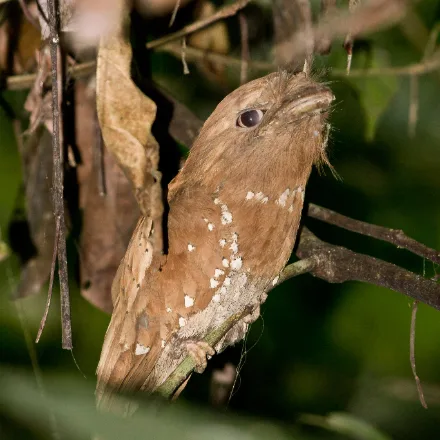
Sri Lanka Frogmouth
A bird that looks like a broken branch, sits still all day within arm's reach, and is invisible until someone points at it. Where: Dense understorey in the Makandawa forest, on a guided night walk. Best: Year round, night.
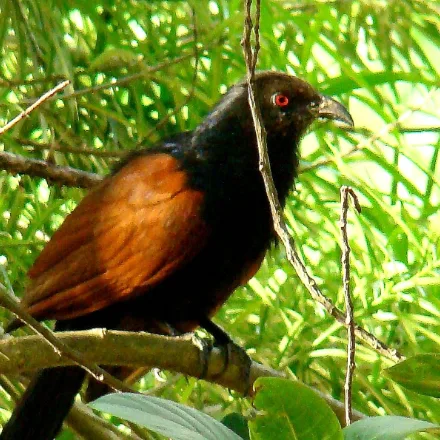
Green-billed Coucal
A heavy, skulking coucal with an apple-green bill, and one of the hardest endemics on the island to actually see. Where: Dense bamboo and thicket in the wet zone forest. Best: Year round.
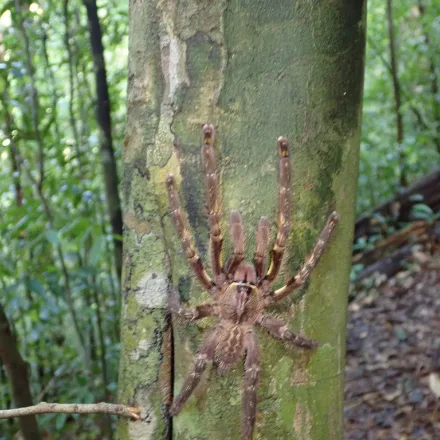
Fringed Ornamental Tarantula
A tarantula the size of a dinner plate that lives in tree holes and sometimes shares them with a frog. Where: Mature trees in the Makandawa forest, at night. Best: December to March, night.
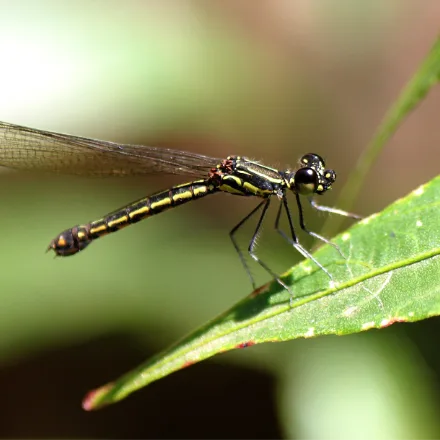
Green's Gem
A damselfly the length of a fingernail, endemic to a handful of rainforest streams. Where: Fast rocky runs on the Kelani tributaries. Best: December to March.
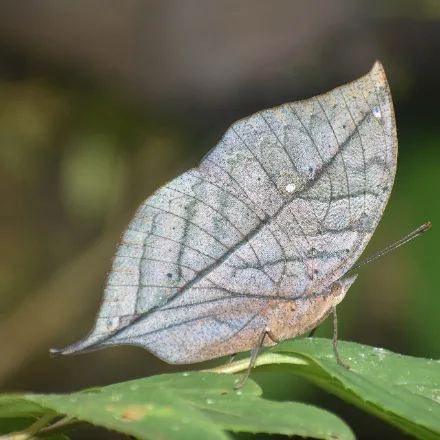
Sri Lanka Blue Oakleaf
Electric blue and orange in flight, and a dead leaf complete with midrib and fungal blotches the moment it lands. Where: Forest floor and fruiting trees in the Makandawa forest. Best: December to March.
Birds
4 species
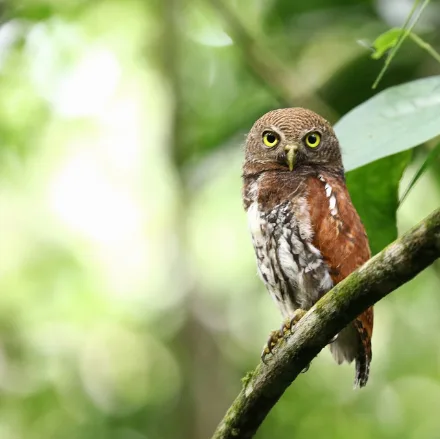
Chestnut-backed Owlet Occasional
Glaucidium castanotum
A tiny chestnut owl that hunts in daylight, which makes it the one owl on the island you can reasonably expect to see.
Where: Canopy edge and clearings, calling at dawn. Best: Year round.
Green-billed Coucal Rare Vulnerable
Centropus chlororhynchos
A heavy, skulking coucal with an apple-green bill, and one of the hardest endemics on the island to actually see.
Where: Dense bamboo and thicket in the wet zone forest. Best: Year round.
Sri Lanka Frogmouth Rare
Batrachostomus moniliger
A bird that looks like a broken branch, sits still all day within arm's reach, and is invisible until someone points at it.
Where: Dense understorey in the Makandawa forest, on a guided night walk. Best: Year round, night. A guide who knows the roost will find it. Nobody else will.
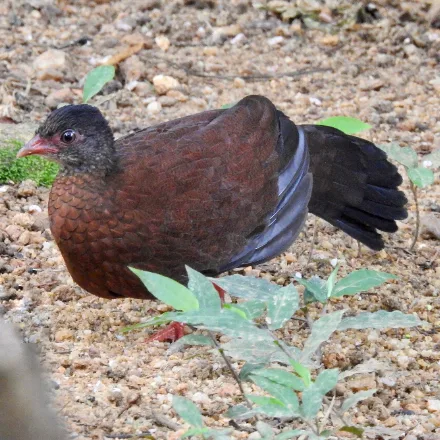
Sri Lanka Spurfowl Rare
Galloperdix bicalcarata
Heard on every Sinharaja morning and seen on almost none: a skulking forest gamebird that calls loudly and shows itself never.
Where: Dense forest floor, heard far more often than seen. Best: Year round, early morning.
Reptiles
9 species
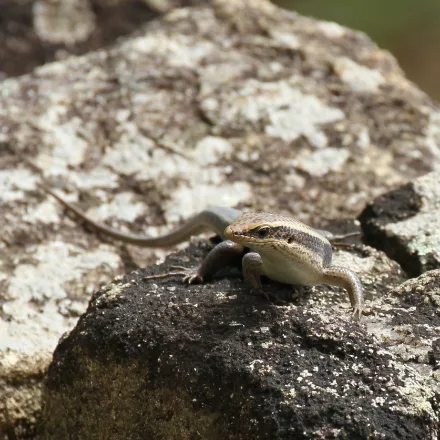
Common Lanka Skink Common
Lankascincus fallax
The little bronze skink that shoots out from under every leaf you turn at Sinharaja belongs to a genus found nowhere but this island.
Where: Leaf litter along every forest trail. Best: Year round.
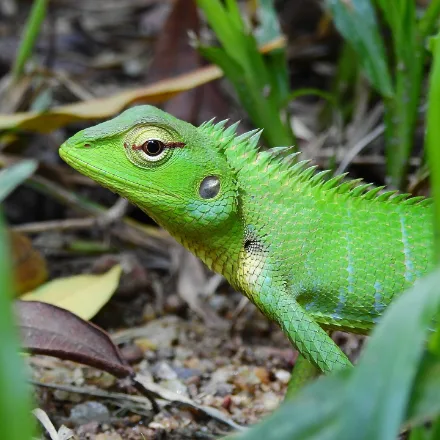
Green Forest Lizard Common
Calotes calotes
The biggest lizard in the trees here, and in the breeding season the male's head and throat turn crimson.
Where: Trunks and low branches throughout. Best: Year round.
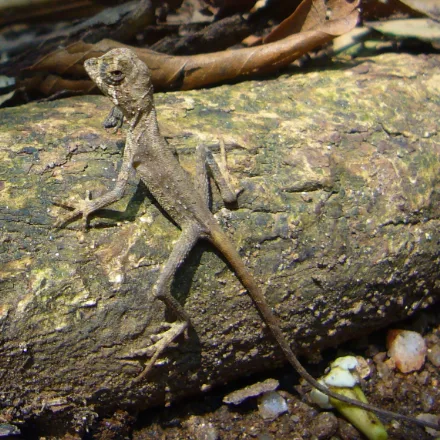
Kangaroo Lizard Common
Otocryptis wiegmanni
An endemic lizard that runs away on its back legs like a tiny dinosaur, then freezes halfway up a sapling and dares you to find it again.
Where: Shaded leaf litter along the forest trails and stream banks. Best: Year round.
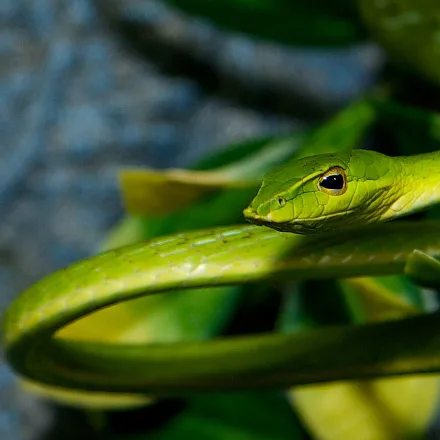
Green Vine Snake Regular
Ahaetulla nasuta
A snake shaped like a hanging creeper, with a horizontal keyhole pupil that lets it judge distance like a bird of prey.
Where: Hanging in low bushes at eye level along the trails. Best: Year round, daytime.
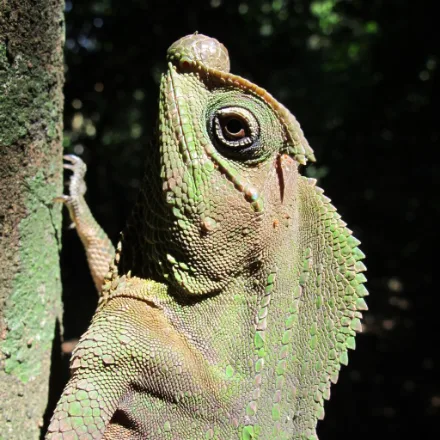
Hump-nosed Lizard Regular Vulnerable
Lyriocephalus scutatus
The only member of its genus anywhere on earth, with a bulbous knob on its nose and a bony lyre across its skull, and it is slow enough to photograph properly.
Where: Understorey twigs in the Makandawa forest, sleeping animals on night walks. Best: January to March and July to September.
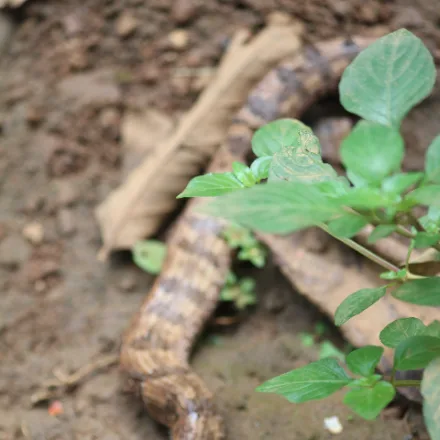
Hump-nosed Pit Viper Regular
Hypnale hypnale
The commonest cause of snakebite in Sri Lanka, and small enough to sit unnoticed in leaf litter.
Where: Leaf litter on the forest floor and the plantation edges. Best: Year round, night. The commonest cause of snakebite in Sri Lanka. Wear closed shoes.
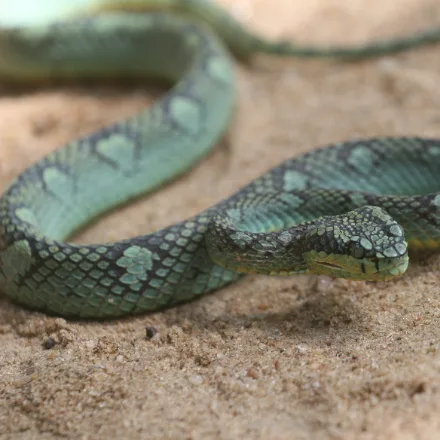
Sri Lankan Green Pit Viper Regular
Trimeresurus trigonocephalus
An endemic green viper that hangs at eye level in the rainforest at night, and the one snake most visiting naturalists actually come away with.
Where: Low branches at head height along the Makandawa forest trails, on a night walk. Best: Year round, night. The most reliable place in the country for the endemic pit viper, and it sits still enough to photograph properly.
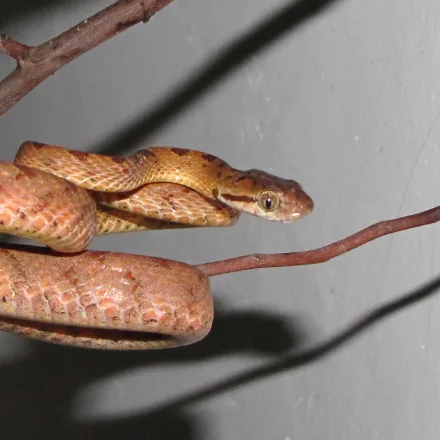
Sri Lankan Cat Snake Occasional
Boiga ceylonensis
An endemic night hunter with a broad flat head on a neck like a pencil, and it comes into guesthouses to hunt the geckos on your wall.
Where: Branches and guesthouse walls after dark. Best: Year round, night.
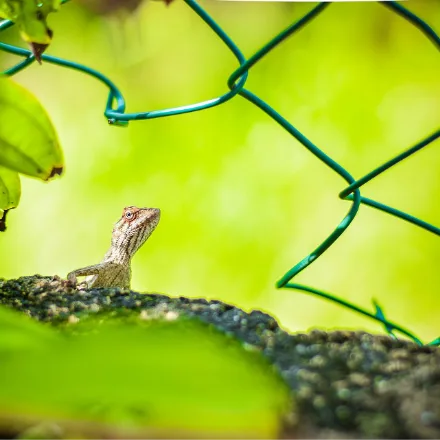
Whistling Lizard Rare
Calotes liolepis
The only lizard in Sri Lanka that whistles at you, which is just as well, because otherwise you would never find it.
Where: High on trunks in the forest. Best: January to March.
Amphibians
7 species
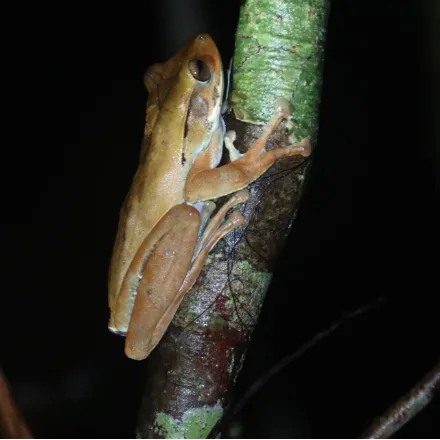
Common Hourglass Tree Frog Common
Polypedates cruciger
The endemic frog most visitors meet first, usually sitting on a bathroom wall rather than in a forest.
Where: Guesthouse walls, bathrooms and forest edge vegetation. Best: Year round, night.
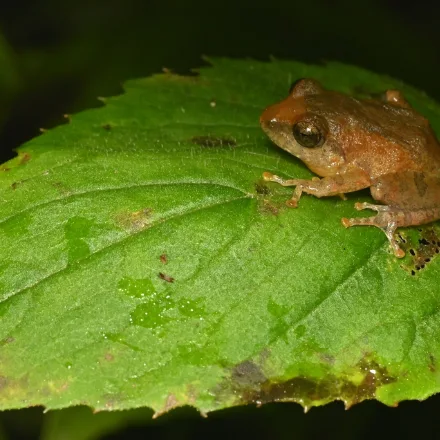
Common Shrub Frog Common Vulnerable
Pseudophilautus popularis
The thin high call you take for a cricket at dusk is usually this, and it is the first endemic frog most visitors meet without knowing it.
Where: Low vegetation along the trails and around the rafting camps. Best: Year round, dusk onward.
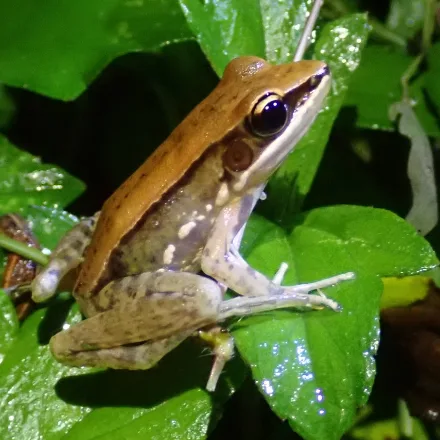
Sri Lanka Wood Frog Common
Hydrophylax gracilis
The most catchable endemic frog in Sri Lankan farmland, and it will climb a stem over water then drop straight in when you get close.
Where: Paddy, ditches and stream margins around the town. Best: Year round, night.
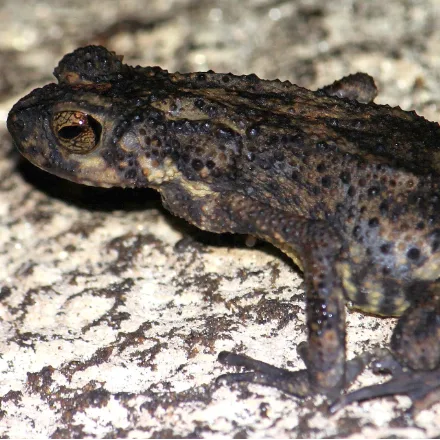
Kelaart's Dwarf Toad Regular Vulnerable
Adenomus kelaartii
An endemic toad in an endemic genus that is active by day, which makes it the one you can find on an afternoon walk rather than a night one.
Where: Stream margins and midstream boulders in the Makandawa forest. Best: Year round, and active by day.
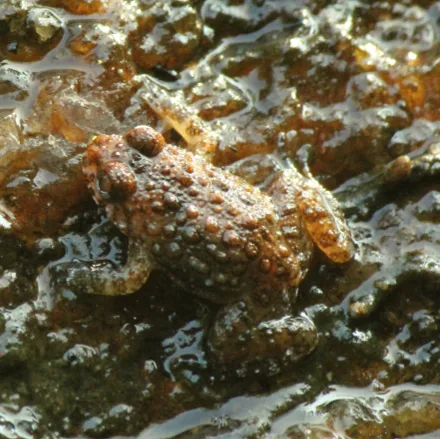
Sri Lanka Rock Frog Regular Vulnerable
Nannophrys ceylonensis
Its tadpoles do not swim. They crawl about on wet rock beside the torrent, grazing in a film of water a few millimetres deep, and the male guards the eggs.
Where: Wet rock beside the Kelani river rapids and the forest streams. Best: Year round, night. Work the wet stone beside the water, not the water itself.
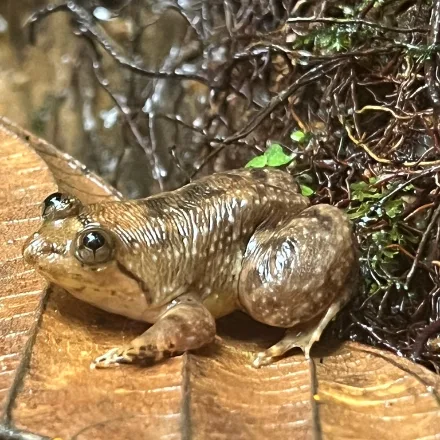
Corrugated Water Frog Occasional Near Threatened
Lankanectes corrugatus
An ancient relict in a lineage found nowhere else on earth, and it was the only member of its genus until a second one turned up in 2018.
Where: Slow marshy water and river backwaters. Best: Year round, night.
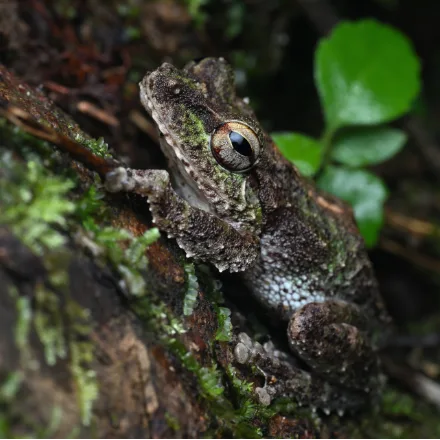
Hollow-snouted Shrub Frog Occasional Vulnerable
Pseudophilautus cavirostris
Look at it side on and the snout is visibly scooped out, as though someone had pressed a thumb into it.
Where: Understorey foliage on guided night walks. Best: Year round, night.
Fish
8 species
Stone Sucker Common
Garra ceylonensis
A fish built to hold station in white water, using a disc on its underside to grip bare rock.
Where: Fast stony runs on the Kelani tributaries. Best: December to March.
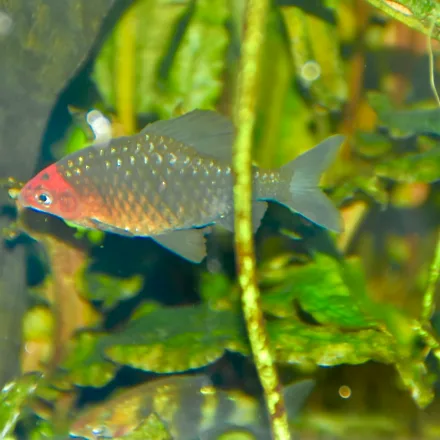
Black Ruby Barb Occasional
Pethia nigrofasciata
A grey fish for eleven months of the year that turns crimson and jet black to breed.
Where: Sandy margins and slack water along the Kelani and its feeder streams. Best: May to September.
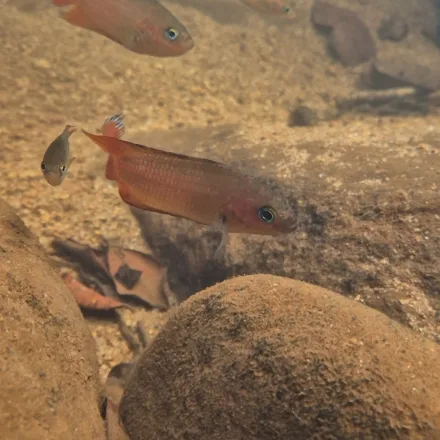
Ceylon Combtail Occasional
Belontia signata
A gourami that breathes air, guards a nest of bubbles and will see off a fish twice its size.
Where: Slack water and side pools off the Kelani. Best: December to March.
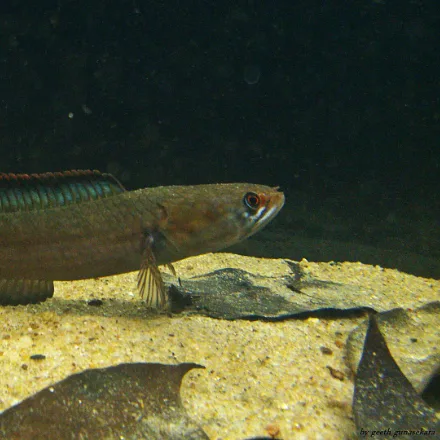
Ceylon Snakehead Occasional Vulnerable
Channa orientalis
A snakehead with no pelvic fins at all, found only in Sri Lanka's wet zone streams.
Where: Slack shaded water off the Kelani tributaries. Best: December to March.
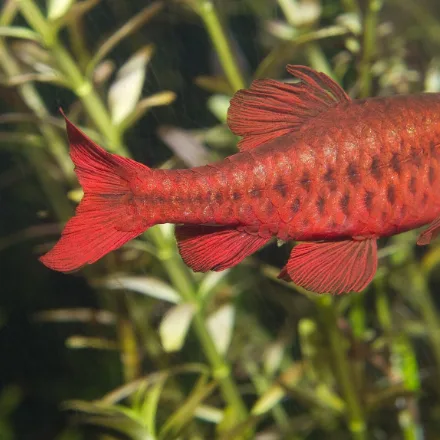
Cherry Barb Occasional Vulnerable
Rohanella titteya
One of the most widely kept aquarium fish on earth, and it lives wild in about a dozen shaded streams on one island.
Where: Quiet side pools off the Kelani, in the shade of the rubber and forest edge. Best: December to March, when the water clears.
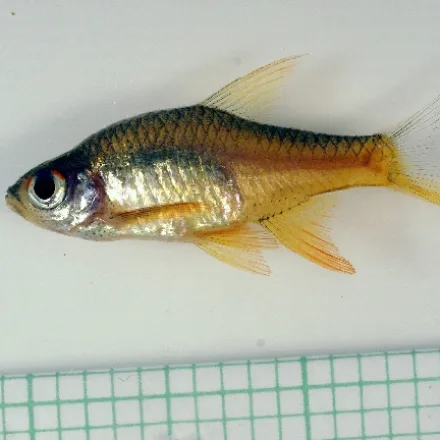
Fire Rasbora Rare Endangered
Rasboroides vaterifloris
A shoal of these in a shaft of forest light is the reason the Victorians called it the pearly rasbora.
Where: Small feeder streams in shaded forest near the Kelani. Best: December to March.
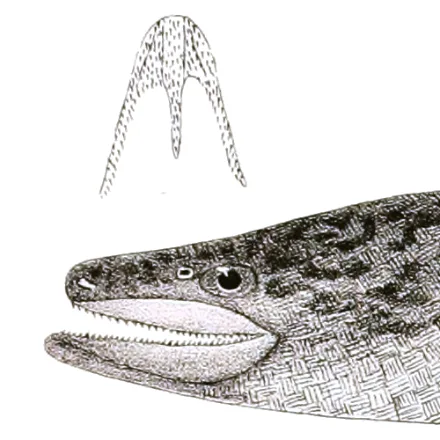
Indian Mottled Eel Rare Near Threatened
Anguilla bengalensis
Spends fifteen years in a Sri Lankan river, then swims to the open Indian Ocean to spawn once and die.
Where: Undercut banks and boulder crevices on the Kelani. Best: December to March, after dark.
No free photograph of a living Indian mottled eel exists. The image is a nineteenth century scientific plate from Francis Day's The Fishes of India, cropped to the head.
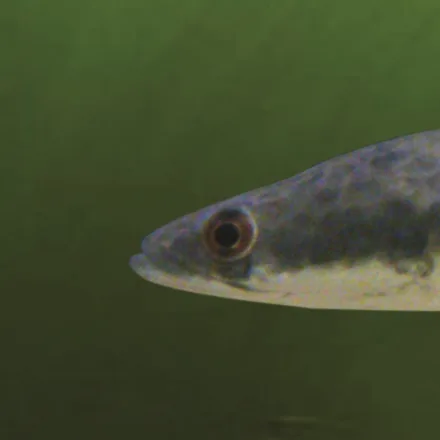
Sri Lanka Giant Snakehead Rare
Channa ara
Sri Lanka's largest native freshwater predator, and only recognised as its own species in 2020.
Where: Deep pools on the Kelani between the rapids. Best: December to March, in low clear water.
Insects
7 species
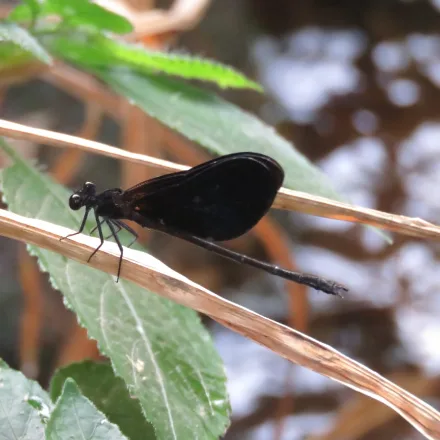
Shining Gossamerwing Regular
Euphaea splendens
Black wings that flash metallic blue-green as the male turns in a shaft of light over a forest stream.
Where: Rocky runs on the Kelani tributaries in the Makandawa forest. Best: December to March.
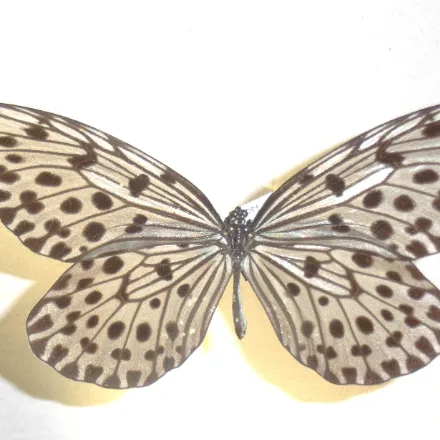
Ceylon Tree Nymph Occasional
Idea iasonia
Drifts through the forest like a sheet of paper caught in a current, and barely seems to fly at all.
Where: Clearings in the Makandawa forest. Best: December to March.
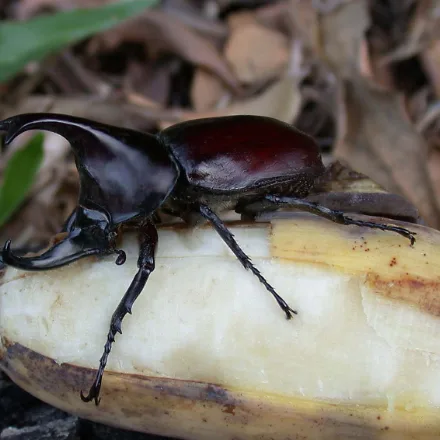
Rhinoceros Beetle Occasional
Xylotrupes gideon
A glossy tank of a beetle, the male armed with a forked horn for wrestling rivals.
Where: At lit buildings near the forest after dark. Best: October to December, night.
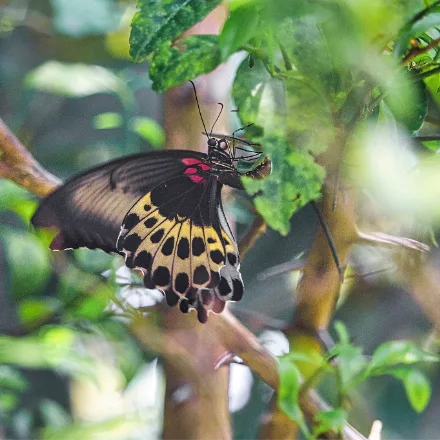
Sri Lanka Birdwing Occasional
Troides darsius
The largest butterfly on the island, the size of a small bird, and it lives nowhere else.
Where: Gardens and forest edge around the Makandawa forest. Best: December to March.
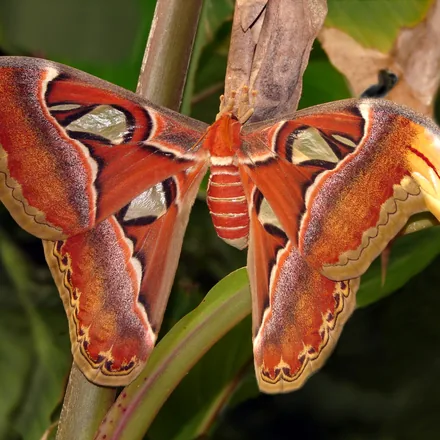
Atlas Moth Rare
Attacus atlas
One of the largest moths on Earth, its wingtips shaped and coloured like a cobra's head.
Where: Lit walls and forest edge near the Makandawa forest. Best: October to December, night.
Green's Gem Rare
Libellago greeni
A damselfly the length of a fingernail, endemic to a handful of rainforest streams.
Where: Fast rocky runs on the Kelani tributaries. Best: December to March.
Sri Lanka Blue Oakleaf Rare
Kallima philarchus
Electric blue and orange in flight, and a dead leaf complete with midrib and fungal blotches the moment it lands.
Where: Forest floor and fruiting trees in the Makandawa forest. Best: December to March.
No free photograph of the Sri Lanka blue oakleaf exists. The image shows the scarce blue oakleaf, Kallima knyvettii, a close relative photographed in southern India.
Spiders and scorpions
2 species
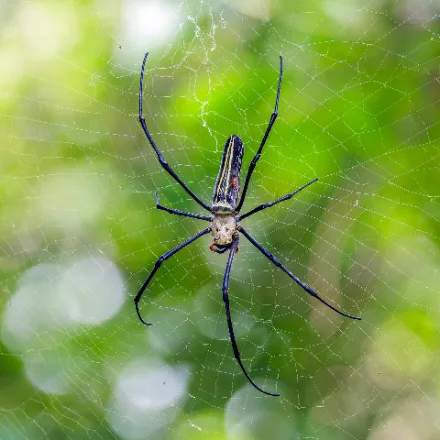
Golden Orb-weaver Common
Nephila pilipes
A giant black-and-yellow spider spinning webs of golden silk strong enough to snare small birds.
Where: Forest tracks and river-edge clearings in the Makandawa forest. Best: August to December.
Fringed Ornamental Tarantula Rare
Poecilotheria ornata
A tarantula the size of a dinner plate that lives in tree holes and sometimes shares them with a frog.
Where: Mature trees in the Makandawa forest, at night. Best: December to March, night.
Molluscs
1 species
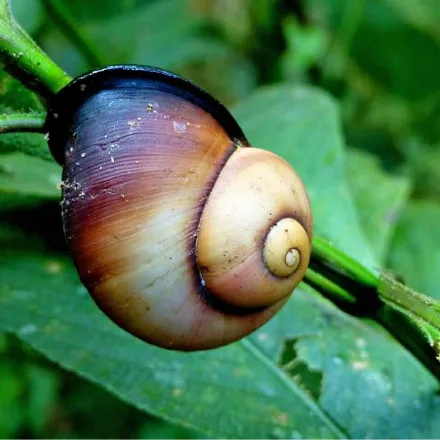
Sri Lanka Tree Snail Occasional
Acavus phoenix
A snail the size of a plum, banded like a boiled sweet, that lives its whole life in the canopy.
Where: Trunks in the Makandawa forest after heavy rain. Best: May to September.
Crustaceans
1 species
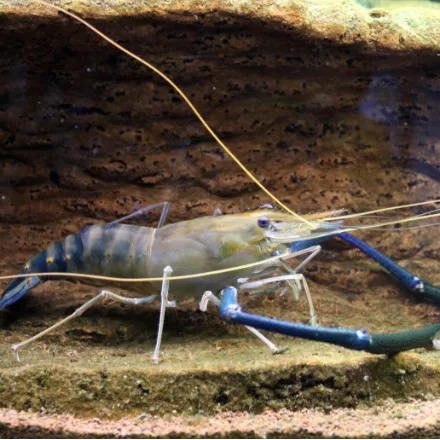
Giant Freshwater Prawn Occasional
Macrobrachium rosenbergii
Claws longer than its body, and it has to reach the sea to breed.
Where: Shallow slack margins of the Kelani after dark. Best: December to March, night.
Planning
January to March and July to September are the drier spells, and dry matters because the trail crosses the river and climbs on clay. A guide is worth taking for the same reason as at Sinharaja: the frogmouth and the owlet sit at known roosts and finding them cold is luck. Night walking is where this place earns its reputation, and it is done on the forest edge and the approach tracks rather than deep inside. Leeches are constant in any month. The rafting operations run on the same stretch of river, so go early if you want the forest quiet.
Compare guided rainforest walks, night walks and birding at Kitulgala
Some links on this page are affiliate links. If you book through them, Wildseer may earn a small commission at no extra cost to you.
Frequently asked questions
What wildlife can you see at Kitulgala?
Wet zone endemics: green-billed coucal, chestnut-backed owlet, Sri Lanka spurfowl and Sri Lanka frogmouth among the birds, green and hump-nosed pit vipers, hump-nosed and whistling lizards, an endemic shrub frog list, the fringed ornamental tarantula, and endemic stream fish including cherry barb and fire rasbora.
Is Kitulgala better than Sinharaja?
Sinharaja is richer and has the mixed feeding flock. Kitulgala is closer to Colombo, cheaper to reach, less walked, and just as good for herpetology. A lot of people do both, and if you only have one day out of the capital this is the more practical choice.
Do you need a guide at Kitulgala?
Not to enter, but it changes the result. The roost birds and the night species are found by people who were in the forest yesterday, and the trail crossings are easier with someone who knows the river.
When is the best time to visit Kitulgala?
January to March and July to September. It is wet zone rainforest, so expect rain in any month and treat a dry night as the bonus that makes the herping work.
Explore Sri Lanka wildlife by group
 Mammals of Sri Lanka
 Birds of Sri Lanka
 Reptiles and amphibians of Sri Lanka
 Fish of Sri Lanka
 Sharks and rays of Sri Lanka
 Reef invertebrates of Sri Lanka
 Insects and spiders of Sri Lanka
Part of the Wildlife in Sri Lanka guide.
Explore Sri Lanka wildlife by place
- Adams Peak wildlife
- Arugam Bay marine life
- Bundala wildlife
- Colombo wildlife
- Ella wildlife
- Gal Oya wildlife
- Great Basses marine life
- Hikkaduwa marine life
- Horton Plains wildlife
- Jaffna wildlife
- Kalpitiya marine life
- Kandy wildlife
- Kanneliya wildlife
- Knuckles wildlife
- Kumana wildlife
- Mannar marine life
- Minneriya wildlife
- Mirissa marine life
- Rekawa marine life
- Sigiriya wildlife
- Sinharaja wildlife
- Tangalle marine life
- Trincomalee marine life
- Udawalawe wildlife
- Wasgamuwa wildlife
- Wilpattu wildlife
- Yala wildlife
Image credits
Square thumbnails are cropped from the original. Wide banner images are cropped to a band. Other images are resized only. No other changes have been made.
- Sri Lanka Frogmouth: Mike Prince from Bangalore, India | CC BY 2.0, cropped
- Green-billed Coucal: Amila Tennakoon | CC BY 2.0, cropped
- Fringed Ornamental Tarantula: Théalie Dhellemmes | CC BY-SA 4.0, cropped
- Green’s Gem: Buddhika.jm | CC BY 3.0, cropped
- Sri Lanka Blue Oakleaf: MaheshBaruahwildlife | CC BY-SA 4.0, cropped
- Chestnut-backed Owlet: Rangana Abeyrathne | CC BY-SA 4.0, cropped
- Sri Lanka Spurfowl: Michael Hurben | CC BY-SA 4.0, cropped
- Common Lanka Skink: Peyman Zehtab Fard | CC BY 2.0, cropped
- Green Forest Lizard: Rehman Abubakr | CC BY-SA 4.0, cropped
- Kangaroo Lizard: Nyanatusita | CC BY-SA 3.0, cropped
- Green Vine Snake: Stephane Lemieux - STEFBYSTEF | CC BY-SA 3.0, cropped
- Hump-nosed Lizard: Nyanatusita | CC BY-SA 3.0, cropped
- Hump-nosed Pit Viper: Praveenp | CC BY-SA 4.0, cropped
- Sri Lankan Green Pit Viper: Gihan Jayaweera | CC BY-SA 3.0, cropped
- Sri Lankan Cat Snake: Jayendra Chiplunkar | CC BY-SA 3.0, cropped
- Whistling Lizard: Dilma Jayatissa | CC BY-SA 4.0, cropped
- Common Hourglass Tree Frog: Vsevolod Rudyi | CC BY 4.0, cropped
- Common Shrub Frog: Marius Burger | CC0, cropped
- Sri Lanka Wood Frog: Théalie Dhellemmes | CC BY-SA 4.0, cropped
- Kelaart’s Dwarf Toad: Buddhika Mawella ( Buddhika.jm at English Wikipedia ) | CC BY 3.0, cropped
- Sri Lanka Rock Frog: Buddhika.jm | CC BY-SA 3.0, cropped
- Corrugated Water Frog: Sharon Reid | CC BY 4.0, cropped
- Hollow-snouted Shrub Frog: Mvshreeram | CC BY-SA 4.0, cropped
- Stone Sucker: iNaturalist contributor, no rights reserved | CC0, cropped
- Black Ruby Barb: NasserHalaweh | CC BY-SA 4.0, cropped
- Ceylon Combtail: Jonghyun Park | CC BY 4.0, cropped
- Ceylon Snakehead: Seriousgeeth | CC BY-SA 4.0, cropped
- Cherry Barb: Brian Gratwicke | CC BY 2.0, cropped
- Fire Rasbora: Rupert A. Collins | CC BY 3.0, cropped
- Indian Mottled Eel: Francis Day | Public domain, cropped
- Sri Lanka Giant Snakehead: Seriousgeeth | CC BY-SA 4.0, cropped
- Shining Gossamerwing: Gihan Jayaweera | CC BY-SA 4.0, cropped
- Ceylon Tree Nymph: Notafly | CC BY-SA 3.0, cropped
- Rhinoceros Beetle (cropped to square): Len Worthington | CC BY-SA 2.0, cropped
- Sri Lanka Birdwing: Janith Pramuditha | CC BY-SA 4.0, cropped
- Atlas Moth (cropped to square): Nevit Dilmen | CC BY-SA 3.0, cropped
- Golden Orb-weaver (resized): Charles J. Sharp | CC BY-SA 4.0, cropped
- Sri Lanka Tree Snail: Moni Ostermaier | CC BY-SA 4.0, cropped
- Giant Freshwater Prawn: This illustration was made by Citron You must credit this : Citron / CC-BY-SA-3.0 | CC BY-SA 3.0, cropped
- Purple-faced langur in the canopy: kanchana Amilani | Unsplash License, cropped
- White-throated kingfisher on a branch: kanchana Amilani | Unsplash License, cropped
- Green forest lizard in breeding colour: Anas Mohamed Nuski | Pexels Licence, cropped
- Bluestripe snapper over a reef: Jeffry Surianto | Pexels Licence, cropped
- Reef manta rays near the surface: Emma Li | Pexels Licence, cropped
- Nudibranch crossing the sea floor: Chris Spain | Pexels Licence, cropped
- Clipper butterfly on a leaf: Pixabay | Pexels Licence, cropped
Square thumbnails are cropped from the original. Wide banner images are cropped to a band. Other images are resized only. No other changes have been made.
- Sri Lanka Frogmouth: Mike Prince from Bangalore, India | CC BY 2.0, cropped
- Green-billed Coucal: Amila Tennakoon | CC BY 2.0, cropped
- Fringed Ornamental Tarantula: Théalie Dhellemmes | CC BY-SA 4.0, cropped
- Green’s Gem: Buddhika.jm | CC BY 3.0, cropped
- Sri Lanka Blue Oakleaf: MaheshBaruahwildlife | CC BY-SA 4.0, cropped
- Chestnut-backed Owlet: Rangana Abeyrathne | CC BY-SA 4.0, cropped
- Sri Lanka Spurfowl: Michael Hurben | CC BY-SA 4.0, cropped
- Common Lanka Skink: Peyman Zehtab Fard | CC BY 2.0, cropped
- Green Forest Lizard: Rehman Abubakr | CC BY-SA 4.0, cropped
- Kangaroo Lizard: Nyanatusita | CC BY-SA 3.0, cropped
- Green Vine Snake: Stephane Lemieux - STEFBYSTEF | CC BY-SA 3.0, cropped
- Hump-nosed Lizard: Nyanatusita | CC BY-SA 3.0, cropped
- Hump-nosed Pit Viper: Praveenp | CC BY-SA 4.0, cropped
- Sri Lankan Green Pit Viper: Gihan Jayaweera | CC BY-SA 3.0, cropped
- Sri Lankan Cat Snake: Jayendra Chiplunkar | CC BY-SA 3.0, cropped
- Whistling Lizard: Dilma Jayatissa | CC BY-SA 4.0, cropped
- Common Hourglass Tree Frog: Vsevolod Rudyi | CC BY 4.0, cropped
- Common Shrub Frog: Marius Burger | CC0, cropped
- Sri Lanka Wood Frog: Théalie Dhellemmes | CC BY-SA 4.0, cropped
- Kelaart’s Dwarf Toad: Buddhika Mawella ( Buddhika.jm at English Wikipedia ) | CC BY 3.0, cropped
- Sri Lanka Rock Frog: Buddhika.jm | CC BY-SA 3.0, cropped
- Corrugated Water Frog: Sharon Reid | CC BY 4.0, cropped
- Hollow-snouted Shrub Frog: Mvshreeram | CC BY-SA 4.0, cropped
- Stone Sucker: iNaturalist contributor, no rights reserved | CC0, cropped
- Black Ruby Barb: NasserHalaweh | CC BY-SA 4.0, cropped
- Ceylon Combtail: Jonghyun Park | CC BY 4.0, cropped
- Ceylon Snakehead: Seriousgeeth | CC BY-SA 4.0, cropped
- Cherry Barb: Brian Gratwicke | CC BY 2.0, cropped
- Fire Rasbora: Rupert A. Collins | CC BY 3.0, cropped
- Indian Mottled Eel: Francis Day | Public domain, cropped
- Sri Lanka Giant Snakehead: Seriousgeeth | CC BY-SA 4.0, cropped
- Shining Gossamerwing: Gihan Jayaweera | CC BY-SA 4.0, cropped
- Ceylon Tree Nymph: Notafly | CC BY-SA 3.0, cropped
- Rhinoceros Beetle (cropped to square): Len Worthington | CC BY-SA 2.0, cropped
- Sri Lanka Birdwing: Janith Pramuditha | CC BY-SA 4.0, cropped
- Atlas Moth (cropped to square): Nevit Dilmen | CC BY-SA 3.0, cropped
- Golden Orb-weaver (resized): Charles J. Sharp | CC BY-SA 4.0, cropped
- Sri Lanka Tree Snail: Moni Ostermaier | CC BY-SA 4.0, cropped
- Giant Freshwater Prawn: This illustration was made by Citron You must credit this : Citron / CC-BY-SA-3.0 | CC BY-SA 3.0, cropped
- Purple-faced langur in the canopy: kanchana Amilani | Unsplash License, cropped
- White-throated kingfisher on a branch: kanchana Amilani | Unsplash License, cropped
- Green forest lizard in breeding colour: Anas Mohamed Nuski | Pexels Licence, cropped
- Bluestripe snapper over a reef: Jeffry Surianto | Pexels Licence, cropped
- Reef manta rays near the surface: Emma Li | Pexels Licence, cropped
- Nudibranch crossing the sea floor: Chris Spain | Pexels Licence, cropped
- Clipper butterfly on a leaf: Pixabay | Pexels Licence, cropped