
Kandy is where most visitors accidentally see their first Sri Lankan endemics. The forest reserve on the ridge behind the temple and the botanical gardens across the river are both genuine wet zone habitat inside a city, and between them they hold a list that would be respectable for a national park.
Start with the flying foxes. The colony in the gardens hangs in the tall trees in thousands, and the evening departure is one of the better wildlife spectacles in the country and completely free. In the forest above the lake, Layard’s parakeet, yellow-fronted barbet, Sri Lanka hanging parrot and the grey hornbill are all regular, and the toque macaque is unavoidable.
The real depth here is small and low down. Kandy is a herpetology site: hump-nosed pit viper and green pit viper in the forest, the green vine snake at eye level, the Kandyan day gecko on rock and old walls, and after rain a shrub frog and tree frog list that runs to seven species. Two ornamental tarantulas live here, and the Sri Lanka birdwing, the national butterfly, works the canopy gaps.
Highlights
Kandyan Day Gecko
One of more than forty day geckos on this island, every single one of them found nowhere else, and they work rock faces in daylight instead of hunting at night. Where: Shaded rock and old stonework around the town and Udawattakele. Best: Year round.
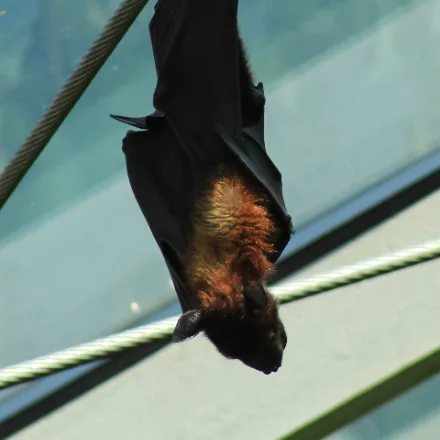
Indian Flying Fox
A fruit bat with a metre and a half of wingspan, hanging in noisy thousands from a tree in the middle of town. Where: Tall trees around the lake and in the Peradeniya botanic gardens. Best: Year round, dusk for the flight out.
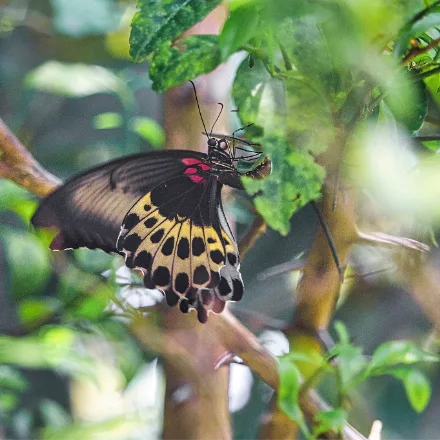
Sri Lanka Birdwing
The largest butterfly on the island, the size of a small bird, and it lives nowhere else. Where: Flowering trees in Udawattakele and the botanical garden edges. Best: Year round.
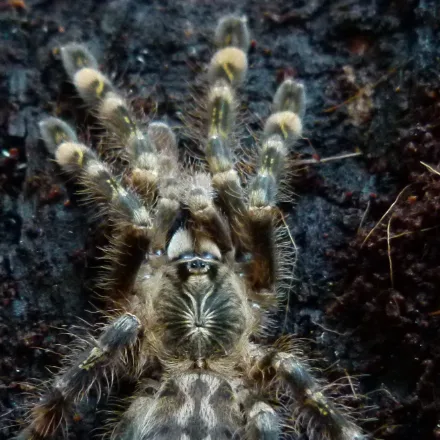
Ivory Ornamental Tarantula
The high country ornamental, living in tree cavities in cool hill forest where no other tarantula of its size can. Where: Old shade trees and forest remnants in the hills around the city. Best: Year round, night.
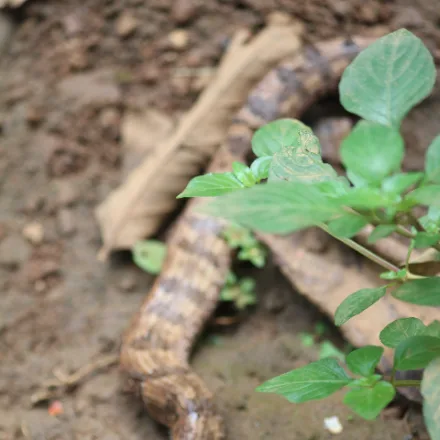
Hump-nosed Pit Viper
The commonest cause of snakebite in Sri Lanka, and small enough to sit unnoticed in leaf litter. Where: Home garden and estate edges around the town. Best: Year round, night.
Mammals
3 species
Indian Flying Fox Common
Pteropus giganteus
A fruit bat with a metre and a half of wingspan, hanging in noisy thousands from a tree in the middle of town.
Where: Tall trees around the lake and in the Peradeniya botanic gardens. Best: Year round, dusk for the flight out. Thousands of animals, squabbling all day and streaming out at dusk.
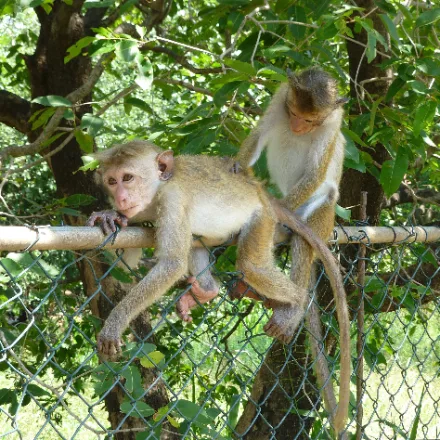
Toque Macaque Common Endangered
Macaca sinica
A small endemic monkey with a swirl of hair on the crown arranged like a cap, and the most studied primate on the island.
Where: Temple grounds and Udawattakele forest. Best: Year round. Habituated and bold, and practised at taking food from bags.
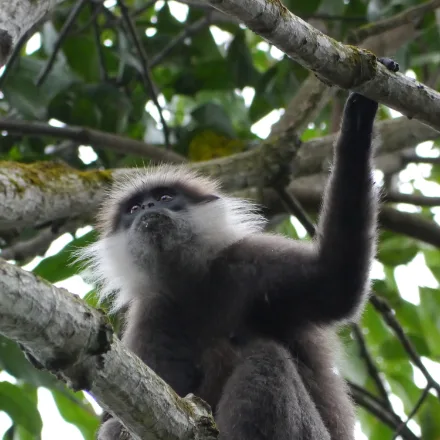
Purple-faced Langur Occasional Endangered
Semnopithecus vetulus
A shaggy black leaf monkey with white side whiskers, and the highland form is so hairy it is known as the bear monkey.
Where: Udawattakele forest canopy. Best: Year round. The lowland wet zone form, at the edge of its remaining range.
Birds
12 species
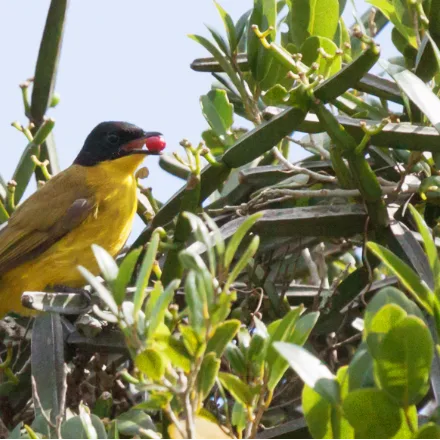
Black-capped Bulbul Regular
Rubigula melanicterus
Olive and bright yellow with a neat black hood, and one of the first endemics a Sinharaja morning delivers.
Where: Udawattakele and larger gardens. Best: Year round. A good confidence builder on the way up from Colombo.
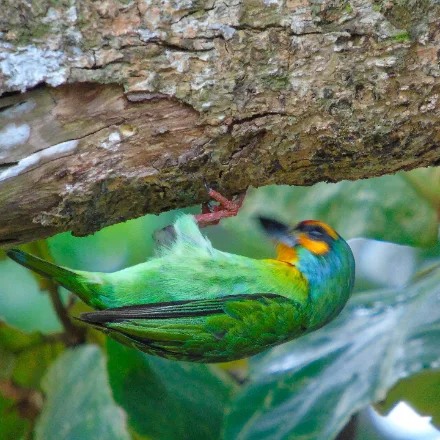
Crimson-fronted Barbet Regular
Psilopogon rubricapillus
Green with a crimson forehead and a blue face, and a call like a hammer on a distant fencepost.
Where: Garden and forest edge trees. Best: Year round. Where both barbets occur, the forehead colour is the only check needed.
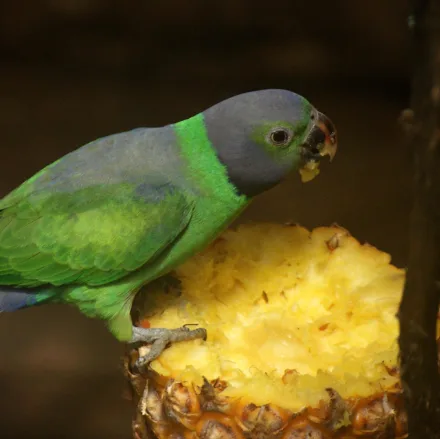
Layard's Parakeet Regular
Psittacula calthrapae
A bluish-grey parakeet with a green collar and a coral bill, and the only parakeet on the island you cannot see anywhere else.
Where: Forest edge and larger gardens around the hill capital. Best: Year round. Common enough here to be a reliable tick.
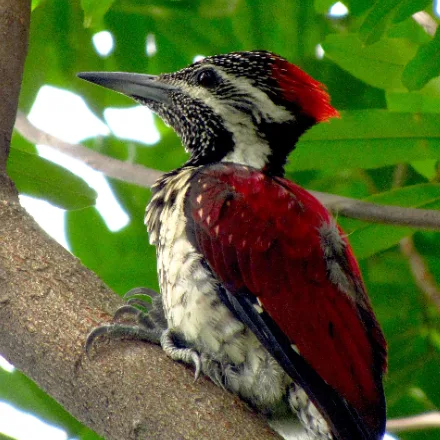
Red-backed Flameback Regular
Dinopium psarodes
The smaller crimson woodpecker, and the one people misidentify because there are two of them on this island and nowhere else.
Where: Garden and plantation trees around the town. Best: Year round. Smaller, shorter-billed and black-throated compared with the crimson-backed.
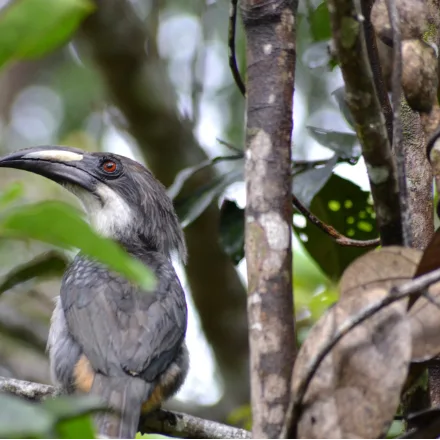
Sri Lanka Grey Hornbill Regular
Ocyceros gingalensis
A slim, quiet hornbill with no casque, common enough to see from a hotel garden and endemic all the same.
Where: Udawattakele forest and the larger garden trees. Best: Year round. Easiest urban endemic in the country.
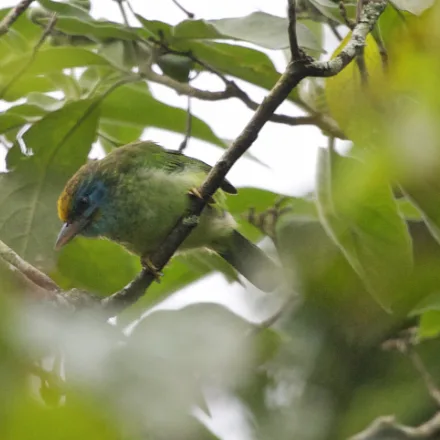
Yellow-fronted Barbet Regular
Psilopogon flavifrons
A green barbet with a yellow forehead and blue face that calls all day from somewhere you cannot find it.
Where: Garden and forest trees around Udawattakele and Peradeniya. Best: Year round. A good first endemic on the way up from Colombo.
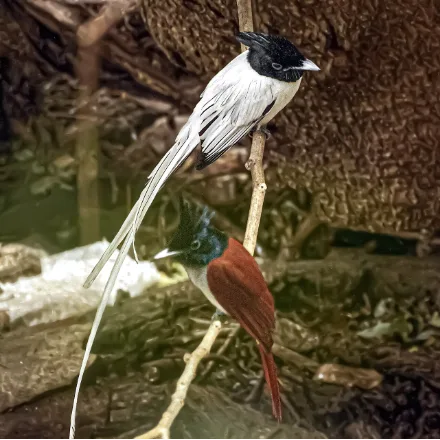
Indian Paradise Flycatcher Occasional
Terpsiphone paradisi
The adult male grows tail streamers three times the length of his own body and trails them through the canopy like ribbon.
Where: Udawattakele and the wooded valleys. Best: Year round.
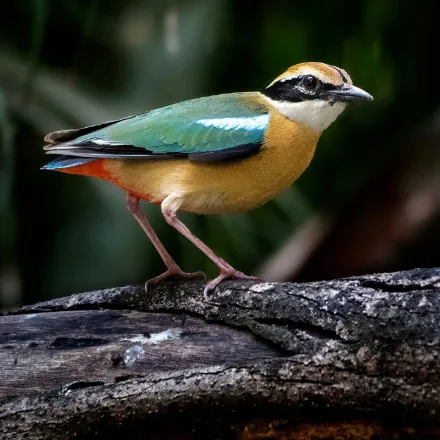
Indian Pitta Occasional
Pitta brachyura
Nine colours on a ground bird the size of a thrush, and it arrives every October to spend the winter hopping about in leaf litter.
Where: Udawattakele forest and shaded garden edges. Best: Nov-Mar. One of the easier places to connect, and walkable without a vehicle.
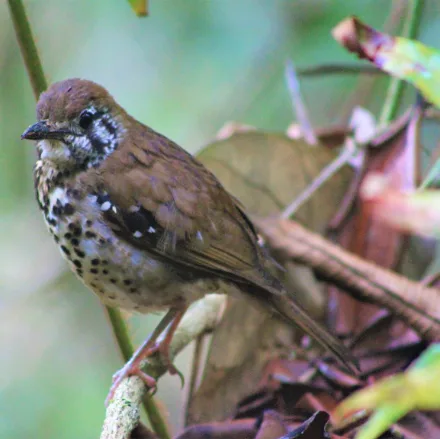
Spot-winged Thrush Occasional Near Threatened
Geokichla spiloptera
The best singer in Sri Lankan forest, and it does it at first light from the understorey.
Where: Udawattakele forest understorey. Best: Year round, dawn. A realistic endemic thrush within walking distance of a hotel.
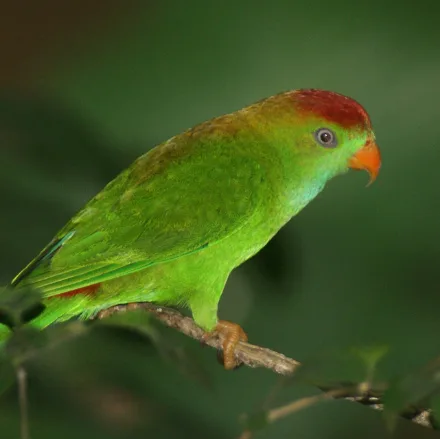
Sri Lanka Hanging Parrot Occasional
Loriculus beryllinus
A sparrow-sized green parrot with a crimson crown that sleeps upside down like a bat.
Where: Coral trees and figs in gardens and the botanic gardens. Best: Year round. Listen for the thin whistle overhead.
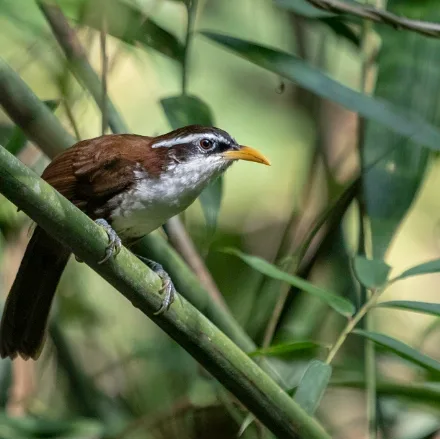
Sri Lanka Scimitar Babbler Occasional
Pomatorhinus melanurus
A long curved yellow bill coming through the undergrowth, usually attached to a bird you only half see.
Where: Undergrowth at Udawattakele. Best: Year round. Easier here than the flock birds because there is less canopy to search.
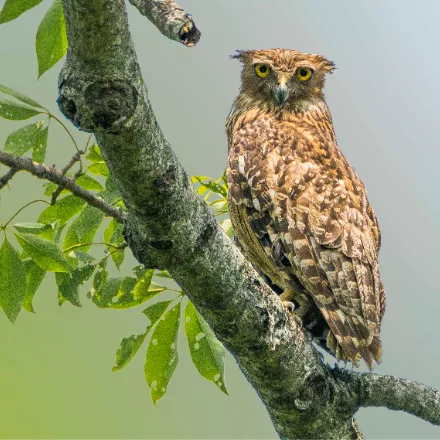
Brown Fish Owl Rare
Ketupa zeylonensis
A big owl with bare unfeathered legs, because feathers are a liability when you fish with your feet.
Where: Wooded riverbanks and the lake margin. Best: Year round, dusk.
Reptiles
13 species
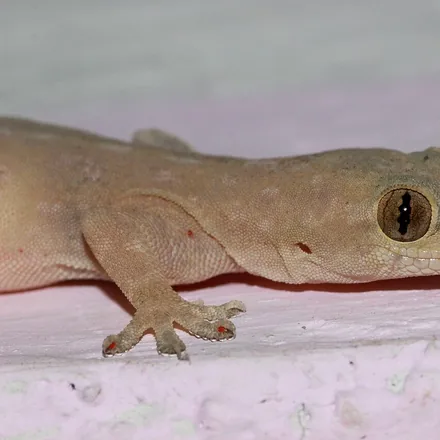
Common House Gecko Common
Hemidactylus frenatus
Sticks to glass using van der Waals forces across billions of microscopic hairs, not glue and not suction.
Where: Guesthouse walls and verandas. Best: Year round, night.
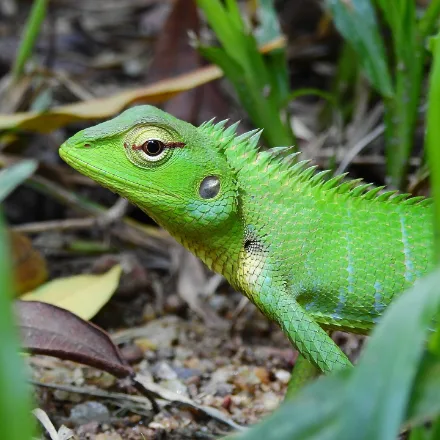
Green Forest Lizard Common
Calotes calotes
The biggest lizard in the trees here, and in the breeding season the male's head and throat turn crimson.
Where: Udawattakele, the Peradeniya botanic gardens and hotel grounds. Best: Year round.
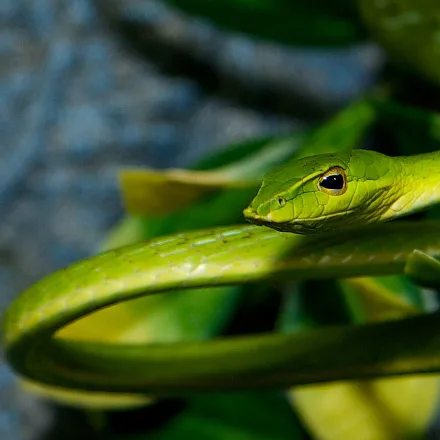
Green Vine Snake Regular
Ahaetulla nasuta
A snake shaped like a hanging creeper, with a horizontal keyhole pupil that lets it judge distance like a bird of prey.
Where: Garden and forest edge shrubs, including the Peradeniya botanic gardens. Best: Year round, daytime.
Kandyan Day Gecko Regular Endangered
Cnemaspis kandiana
One of more than forty day geckos on this island, every single one of them found nowhere else, and they work rock faces in daylight instead of hunting at night.
Where: Shaded rock and old stonework around the town and Udawattakele. Best: Year round.
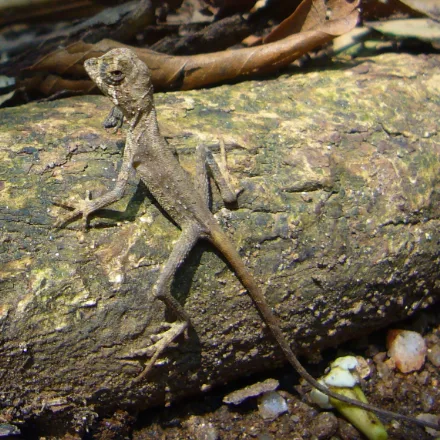
Kangaroo Lizard Regular
Otocryptis wiegmanni
An endemic lizard that runs away on its back legs like a tiny dinosaur, then freezes halfway up a sapling and dares you to find it again.
Where: Udawattakele forest and shaded gardens. Best: Year round.
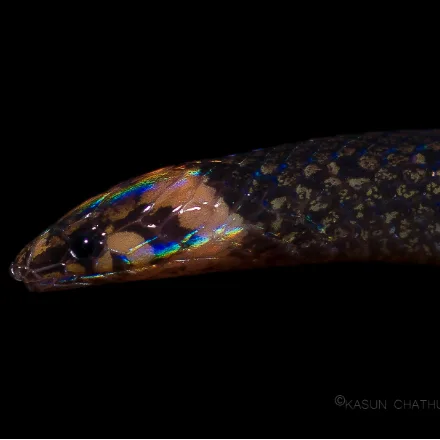
Common Rough-sided Snake Occasional Endangered
Aspidura trachyprocta
A small earthworm hunter from an entire snake genus found nowhere but Sri Lanka, and it lives under the logs at Horton Plains.
Where: Compost heaps and garden humus in the hills above the town. Best: Year round.
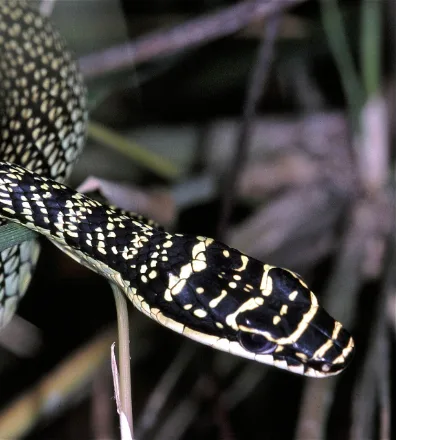
Golden Tree Snake Occasional
Chrysopelea ornata
A fast, elegant climber that can also glide, and one of the most common snakes seen in Thai gardens and temples.
Where: Palm trunks and garden trees around the town and Peradeniya. Best: Year round, daytime. Watch coconut trunks. It climbs vertical bark in the open.
Hump-nosed Pit Viper Occasional
Hypnale hypnale
The commonest cause of snakebite in Sri Lanka, and small enough to sit unnoticed in leaf litter.
Where: Home garden and estate edges around the town. Best: Year round, night.
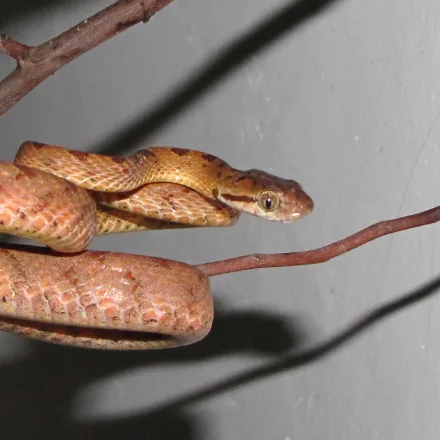
Sri Lankan Cat Snake Occasional
Boiga ceylonensis
An endemic night hunter with a broad flat head on a neck like a pencil, and it comes into guesthouses to hunt the geckos on your wall.
Where: Garden trees and guesthouse walls. Best: Year round, night.
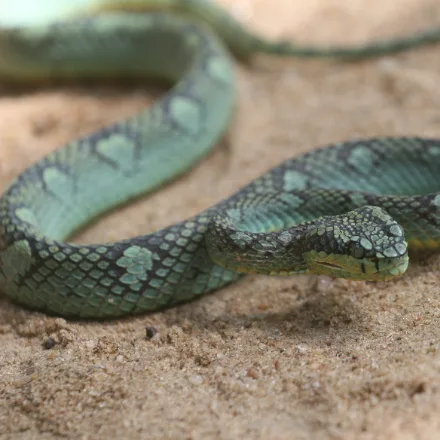
Sri Lankan Green Pit Viper Occasional
Trimeresurus trigonocephalus
An endemic green viper that hangs at eye level in the rainforest at night, and the one snake most visiting naturalists actually come away with.
Where: Wet zone forest patches and estate margins. Best: Year round, night.
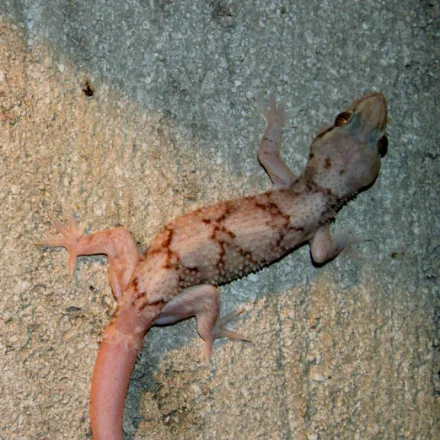
Sri Lankan Termite Hill Gecko Occasional
Hemidactylus depressus
An endemic gecko flattened almost to paper, with a serrated tail, living inside termite mounds and cave roofs.
Where: Trees, walls and cave sites around the town. Best: Year round, night.
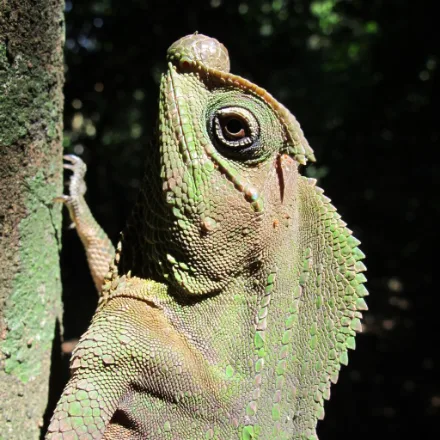
Hump-nosed Lizard Rare Vulnerable
Lyriocephalus scutatus
The only member of its genus anywhere on earth, with a bulbous knob on its nose and a bony lyre across its skull, and it is slow enough to photograph properly.
Where: Wet zone forest patches and estate margins around the town. Best: Year round.
Large Shieldtail Rare Vulnerable
Rhinophis saffragamus
A burrowing snake that has turned its tail into a shield, and there are twenty species of them on this island and nowhere else.
Where: Home garden and tea estate soil in the hills. Best: After heavy rain.
Amphibians
7 species
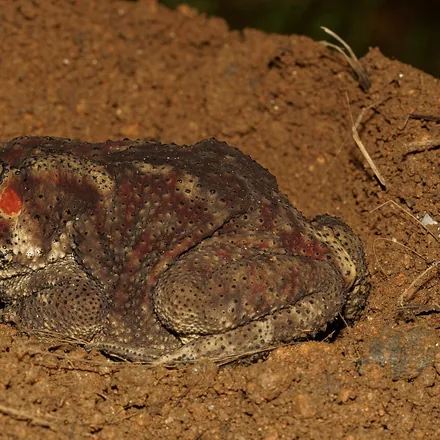
Asian Common Toad Common
Duttaphrynus melanostictus
The ubiquitous warty toad of doorsteps and gardens, hoovering up insects under every night light.
Where: Garden paths, guesthouse surrounds and roadside verges. Best: Year round, night.
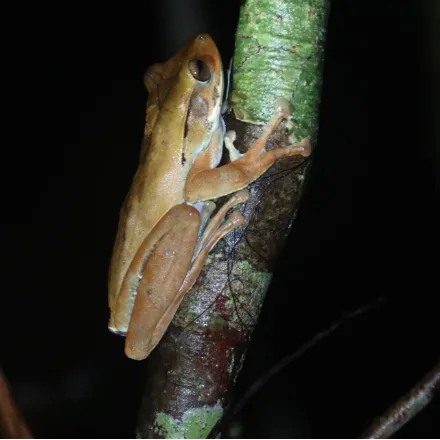
Common Hourglass Tree Frog Common
Polypedates cruciger
The endemic frog most visitors meet first, usually sitting on a bathroom wall rather than in a forest.
Where: Garden vegetation, guesthouse walls and water tanks. Best: Year round, night.
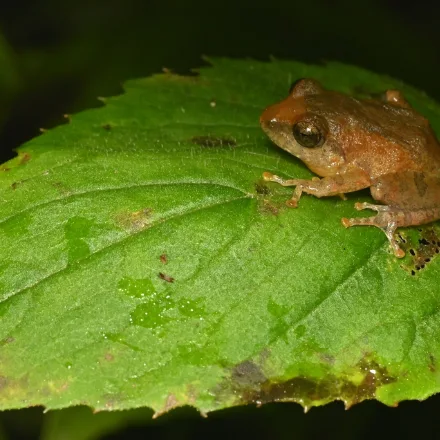
Common Shrub Frog Common Vulnerable
Pseudophilautus popularis
The thin high call you take for a cricket at dusk is usually this, and it is the first endemic frog most visitors meet without knowing it.
Where: Garden and forest edge shrubs around the town and Udawattakele. Best: Year round, after dark.
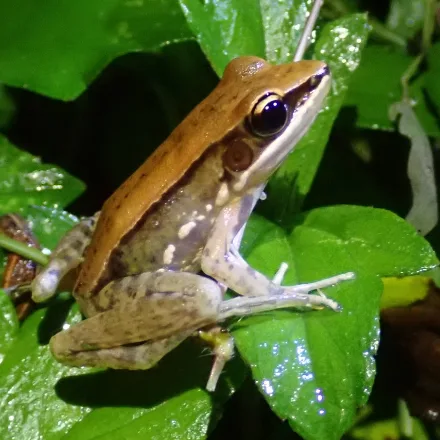
Sri Lanka Wood Frog Regular
Hydrophylax gracilis
The most catchable endemic frog in Sri Lankan farmland, and it will climb a stem over water then drop straight in when you get close.
Where: Paddy and marsh edges around the town. Best: Year round, night.
Sri Lanka Pug-snout Frog Occasional Near Threatened
Uperodon obscurus
A frog that eats almost nothing but ants and termites, which is what the absurdly narrow mouth is actually for.
Where: Garden and forest edge crevices. Best: Year round, night.
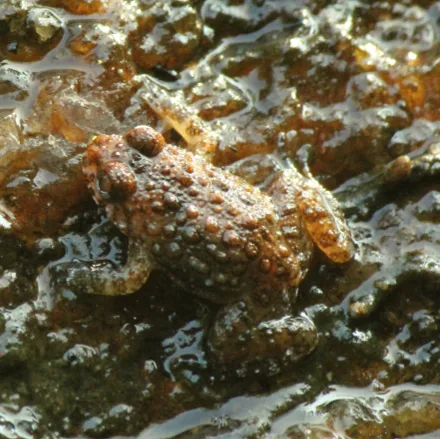
Sri Lanka Rock Frog Occasional Vulnerable
Nannophrys ceylonensis
Its tadpoles do not swim. They crawl about on wet rock beside the torrent, grazing in a film of water a few millimetres deep, and the male guards the eggs.
Where: Fast forest streams in the wetter hills. Best: Year round, night.
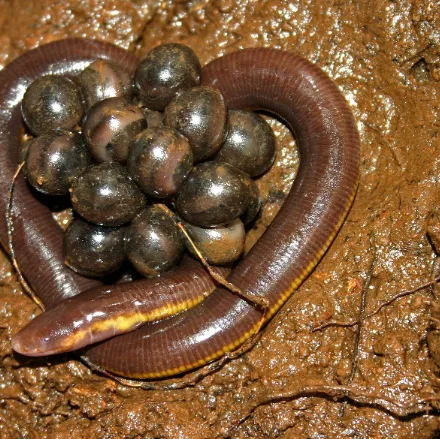
Ceylon Caecilian Very rare Vulnerable
Ichthyophis glutinosus
A limbless amphibian that looks like an earthworm, hunts by tentacle, and coils around its eggs underground until they hatch.
Where: Garden soil, compost and damp banks in the hills. Best: After heavy rain.
Fish
2 species
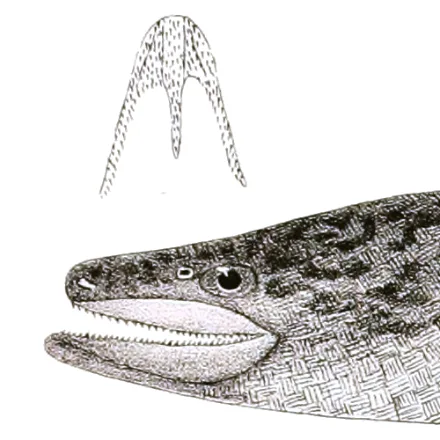
Indian Mottled Eel Rare Near Threatened
Anguilla bengalensis
Spends fifteen years in a Sri Lankan river, then swims to the open Indian Ocean to spawn once and die.
Where: Deep reaches of the Mahaweli around the city. Best: Year round, after dark.
No free photograph of a living Indian mottled eel exists. The image is a nineteenth century scientific plate from Francis Day's The Fishes of India, cropped to the head.
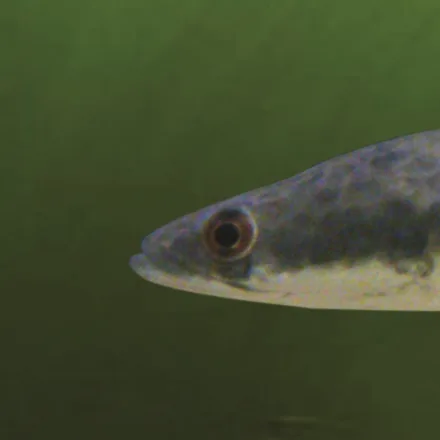
Sri Lanka Giant Snakehead Rare
Channa ara
Sri Lanka's largest native freshwater predator, and only recognised as its own species in 2020.
Where: Deep slow reaches of the Mahaweli around the city. Best: January to March.
Insects
3 species
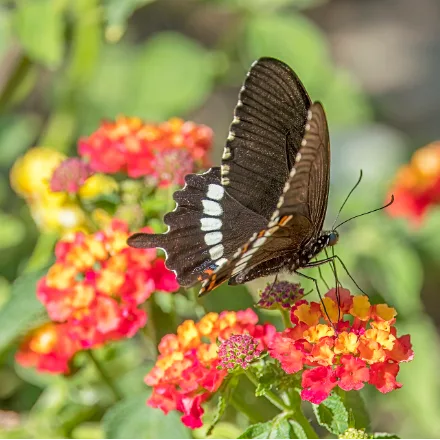
Common Mormon Common
Papilio polytes
Females come in three different forms, two of which impersonate butterflies that are poisonous to eat.
Where: Gardens and forest edge around the city and the botanical gardens. Best: Year round.
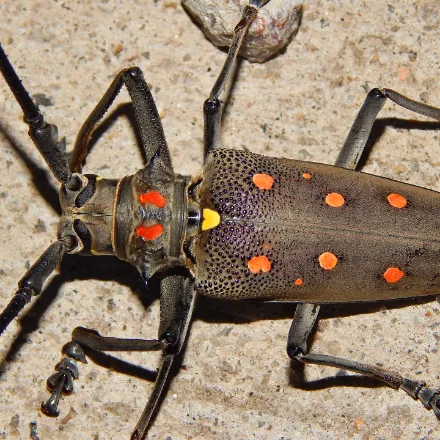
Mango Longhorn Beetle Occasional
Batocera rufomaculata
Antennae twice the length of its body, and it squeaks audibly when picked up by grinding its thorax.
Where: Garden and plantation trees around the city. Best: April to July.
Sri Lanka Birdwing Occasional
Troides darsius
The largest butterfly on the island, the size of a small bird, and it lives nowhere else.
Where: Flowering trees in Udawattakele and the botanical garden edges. Best: Year round.
Spiders and scorpions
2 species
Ivory Ornamental Tarantula Rare
Poecilotheria subfusca
The high country ornamental, living in tree cavities in cool hill forest where no other tarantula of its size can.
Where: Old shade trees and forest remnants in the hills around the city. Best: Year round, night.
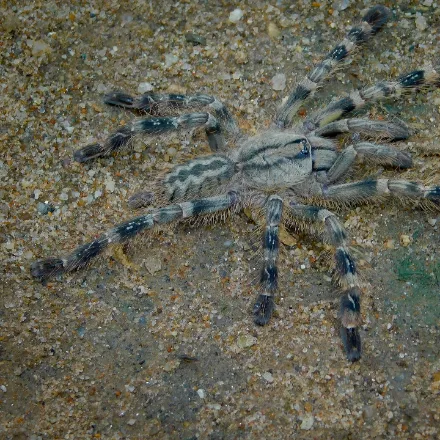
Sri Lankan Ornamental Tarantula Rare
Poecilotheria fasciata
The spider that gave the ornamental tarantulas their name, described in 1804 and found only here.
Where: Old shade trees and buildings on the forested edges of the city. Best: Year round, night.
Planning
The forest reserve behind the temple opens early and is the productive place; the botanical gardens are better for the flying fox colony, the parakeets and the butterflies. January to April is drier and easier. Almost everything nocturnal on this page needs a torch and a wet evening, and the road verges and garden edges outside the forest are as productive as the reserve itself. Two vipers here are venomous and both are common, and the hump-nosed pit viper sits in leaf litter rather than in the open.
Compare guided forest walks, night walks and birding mornings around Kandy
Some links on this page are affiliate links. If you book through them, Wildseer may earn a small commission at no extra cost to you.
Frequently asked questions
What wildlife can you see in Kandy?
Endemic birds including Layard’s parakeet, yellow-fronted barbet, Sri Lanka grey hornbill and hanging parrot, plus purple-faced langur, toque macaque, a large Indian flying fox colony, and an unusually good list of endemic frogs, lizards and snakes in the forest reserve.
Where can you see monkeys in Kandy?
Toque macaques are common around the temple, the lake and the forest reserve, and purple-faced langurs use the taller trees in the reserve and the gardens. Both are endemic and both should be watched rather than fed.
Are there snakes in Kandy?
Two are venomous and both are common here: the hump-nosed pit viper, which sits in leaf litter, and the green pit viper, which sits in low vegetation.
When is the best time for wildlife in Kandy?
January to April for the driest weather. Early morning for the birds, dusk for the flying fox departure, and a wet evening for the frogs, which is the one case where rain improves the trip.
Explore Sri Lanka wildlife by group
 Mammals of Sri Lanka
 Birds of Sri Lanka
 Reptiles and amphibians of Sri Lanka
 Fish of Sri Lanka
 Sharks and rays of Sri Lanka
 Reef invertebrates of Sri Lanka
 Insects and spiders of Sri Lanka
Part of the Wildlife in Sri Lanka guide.
Explore Sri Lanka wildlife by place
- Adams Peak wildlife
- Arugam Bay marine life
- Bundala wildlife
- Colombo wildlife
- Ella wildlife
- Gal Oya wildlife
- Great Basses marine life
- Hikkaduwa marine life
- Horton Plains wildlife
- Jaffna wildlife
- Kalpitiya marine life
- Kanneliya wildlife
- Kitulgala wildlife
- Knuckles wildlife
- Kumana wildlife
- Mannar marine life
- Minneriya wildlife
- Mirissa marine life
- Rekawa marine life
- Sigiriya wildlife
- Sinharaja wildlife
- Tangalle marine life
- Trincomalee marine life
- Udawalawe wildlife
- Wasgamuwa wildlife
- Wilpattu wildlife
- Yala wildlife
Image credits
Square thumbnails are cropped from the original. Wide banner images are cropped to a band. Other images are resized only. No other changes have been made.
- Indian Flying Fox: Alois Staudacher | CC BY 2.0, cropped
- Sri Lanka Birdwing: Janith Pramuditha | CC BY-SA 4.0, cropped
- Ivory Ornamental Tarantula: Pawel W. | CC BY-SA 3.0, cropped
- Hump-nosed Pit Viper: Praveenp | CC BY-SA 4.0, cropped
- Toque Macaque: Ji-Elle | CC BY-SA 3.0, cropped
- Purple-faced Langur: Jeroen84 | CC BY-SA 3.0, cropped
- Black-capped Bulbul: Thimindu Goonatillake from Denver, USA | CC BY-SA 2.0, cropped
- Crimson-fronted Barbet: R.M.S. Ratnayake | CC BY-SA 4.0, cropped
- Layard’s Parakeet: Hafiz Issadeen | CC BY 2.0, cropped
- Red-backed Flameback: Rehman Abubakr | CC BY-SA 4.0, cropped
- Sri Lanka Grey Hornbill: Pinkstg | CC BY 3.0, cropped
- Yellow-fronted Barbet: Lip Kee Yap from Singapore, Republic of Singapore | CC BY-SA 2.0, cropped
- Indian Paradise Flycatcher: Drsssuresh1961 | CC0, cropped
- Indian Pitta: Navonil Dutta | CC BY-SA 4.0, cropped
- Spot-winged Thrush: Imasha De Saram | CC BY-SA 4.0, cropped
- Sri Lanka Hanging Parrot: Hafiz Issadeen | CC BY 2.0, cropped
- Sri Lanka Scimitar Babbler: Punitha Satharasinnghe | CC BY-SA 4.0, cropped
- Brown Fish Owl: Hedayeat Ullah | CC BY-SA 4.0, cropped
- Common House Gecko (cropped to square): Firos AK | CC BY-SA 4.0, cropped
- Green Forest Lizard: Rehman Abubakr | CC BY-SA 4.0, cropped
- Green Vine Snake: Stephane Lemieux - STEFBYSTEF | CC BY-SA 3.0, cropped
- Kangaroo Lizard: Nyanatusita | CC BY-SA 3.0, cropped
- Common Rough-sided Snake: Kasun withanage | CC BY-SA 4.0, cropped
- Golden Tree Snake (cropped to square): Bernard DUPONT from FRANCE | CC BY-SA 2.0, cropped
- Sri Lankan Cat Snake: Jayendra Chiplunkar | CC BY-SA 3.0, cropped
- Sri Lankan Green Pit Viper: Gihan Jayaweera | CC BY-SA 3.0, cropped
- Sri Lankan Termite Hill Gecko: Gihan Jayaweera | CC BY-SA 4.0, cropped
- Hump-nosed Lizard: Nyanatusita | CC BY-SA 3.0, cropped
- Asian Common Toad (cropped to square): © 2016 Jee & Rani Nature Photography (License: CC BY-SA 4.0) | CC BY-SA 4.0, cropped
- Common Hourglass Tree Frog: Vsevolod Rudyi | CC BY 4.0, cropped
- Common Shrub Frog: Marius Burger | CC0, cropped
- Sri Lanka Wood Frog: Théalie Dhellemmes | CC BY-SA 4.0, cropped
- Sri Lanka Rock Frog: Buddhika.jm | CC BY-SA 3.0, cropped
- Ceylon Caecilian: Davidvraju | CC BY-SA 4.0, cropped
- Indian Mottled Eel: Francis Day | Public domain, cropped
- Sri Lanka Giant Snakehead: Seriousgeeth | CC BY-SA 4.0, cropped
- Common Mormon (cropped to square): Charles J. Sharp | CC BY-SA 4.0, cropped
- Mango Longhorn Beetle (cropped to square): Gouthamching | CC BY-SA 4.0, cropped
- Sri Lankan Ornamental Tarantula: Gerard Mendis | CC BY-SA 4.0, cropped
- Purple-faced langur in the canopy: kanchana Amilani | Unsplash License, cropped
- White-throated kingfisher on a branch: kanchana Amilani | Unsplash License, cropped
- Green forest lizard in breeding colour: Anas Mohamed Nuski | Pexels Licence, cropped
- Bluestripe snapper over a reef: Jeffry Surianto | Pexels Licence, cropped
- Reef manta rays near the surface: Emma Li | Pexels Licence, cropped
- Nudibranch crossing the sea floor: Chris Spain | Pexels Licence, cropped
- Clipper butterfly on a leaf: Pixabay | Pexels Licence, cropped
Square thumbnails are cropped from the original. Wide banner images are cropped to a band. Other images are resized only. No other changes have been made.
- Indian Flying Fox: Alois Staudacher | CC BY 2.0, cropped
- Sri Lanka Birdwing: Janith Pramuditha | CC BY-SA 4.0, cropped
- Ivory Ornamental Tarantula: Pawel W. | CC BY-SA 3.0, cropped
- Hump-nosed Pit Viper: Praveenp | CC BY-SA 4.0, cropped
- Toque Macaque: Ji-Elle | CC BY-SA 3.0, cropped
- Purple-faced Langur: Jeroen84 | CC BY-SA 3.0, cropped
- Black-capped Bulbul: Thimindu Goonatillake from Denver, USA | CC BY-SA 2.0, cropped
- Crimson-fronted Barbet: R.M.S. Ratnayake | CC BY-SA 4.0, cropped
- Layard’s Parakeet: Hafiz Issadeen | CC BY 2.0, cropped
- Red-backed Flameback: Rehman Abubakr | CC BY-SA 4.0, cropped
- Sri Lanka Grey Hornbill: Pinkstg | CC BY 3.0, cropped
- Yellow-fronted Barbet: Lip Kee Yap from Singapore, Republic of Singapore | CC BY-SA 2.0, cropped
- Indian Paradise Flycatcher: Drsssuresh1961 | CC0, cropped
- Indian Pitta: Navonil Dutta | CC BY-SA 4.0, cropped
- Spot-winged Thrush: Imasha De Saram | CC BY-SA 4.0, cropped
- Sri Lanka Hanging Parrot: Hafiz Issadeen | CC BY 2.0, cropped
- Sri Lanka Scimitar Babbler: Punitha Satharasinnghe | CC BY-SA 4.0, cropped
- Brown Fish Owl: Hedayeat Ullah | CC BY-SA 4.0, cropped
- Common House Gecko (cropped to square): Firos AK | CC BY-SA 4.0, cropped
- Green Forest Lizard: Rehman Abubakr | CC BY-SA 4.0, cropped
- Green Vine Snake: Stephane Lemieux - STEFBYSTEF | CC BY-SA 3.0, cropped
- Kangaroo Lizard: Nyanatusita | CC BY-SA 3.0, cropped
- Common Rough-sided Snake: Kasun withanage | CC BY-SA 4.0, cropped
- Golden Tree Snake (cropped to square): Bernard DUPONT from FRANCE | CC BY-SA 2.0, cropped
- Sri Lankan Cat Snake: Jayendra Chiplunkar | CC BY-SA 3.0, cropped
- Sri Lankan Green Pit Viper: Gihan Jayaweera | CC BY-SA 3.0, cropped
- Sri Lankan Termite Hill Gecko: Gihan Jayaweera | CC BY-SA 4.0, cropped
- Hump-nosed Lizard: Nyanatusita | CC BY-SA 3.0, cropped
- Asian Common Toad (cropped to square): © 2016 Jee & Rani Nature Photography (License: CC BY-SA 4.0) | CC BY-SA 4.0, cropped
- Common Hourglass Tree Frog: Vsevolod Rudyi | CC BY 4.0, cropped
- Common Shrub Frog: Marius Burger | CC0, cropped
- Sri Lanka Wood Frog: Théalie Dhellemmes | CC BY-SA 4.0, cropped
- Sri Lanka Rock Frog: Buddhika.jm | CC BY-SA 3.0, cropped
- Ceylon Caecilian: Davidvraju | CC BY-SA 4.0, cropped
- Indian Mottled Eel: Francis Day | Public domain, cropped
- Sri Lanka Giant Snakehead: Seriousgeeth | CC BY-SA 4.0, cropped
- Common Mormon (cropped to square): Charles J. Sharp | CC BY-SA 4.0, cropped
- Mango Longhorn Beetle (cropped to square): Gouthamching | CC BY-SA 4.0, cropped
- Sri Lankan Ornamental Tarantula: Gerard Mendis | CC BY-SA 4.0, cropped
- Purple-faced langur in the canopy: kanchana Amilani | Unsplash License, cropped
- White-throated kingfisher on a branch: kanchana Amilani | Unsplash License, cropped
- Green forest lizard in breeding colour: Anas Mohamed Nuski | Pexels Licence, cropped
- Bluestripe snapper over a reef: Jeffry Surianto | Pexels Licence, cropped
- Reef manta rays near the surface: Emma Li | Pexels Licence, cropped
- Nudibranch crossing the sea floor: Chris Spain | Pexels Licence, cropped
- Clipper butterfly on a leaf: Pixabay | Pexels Licence, cropped