
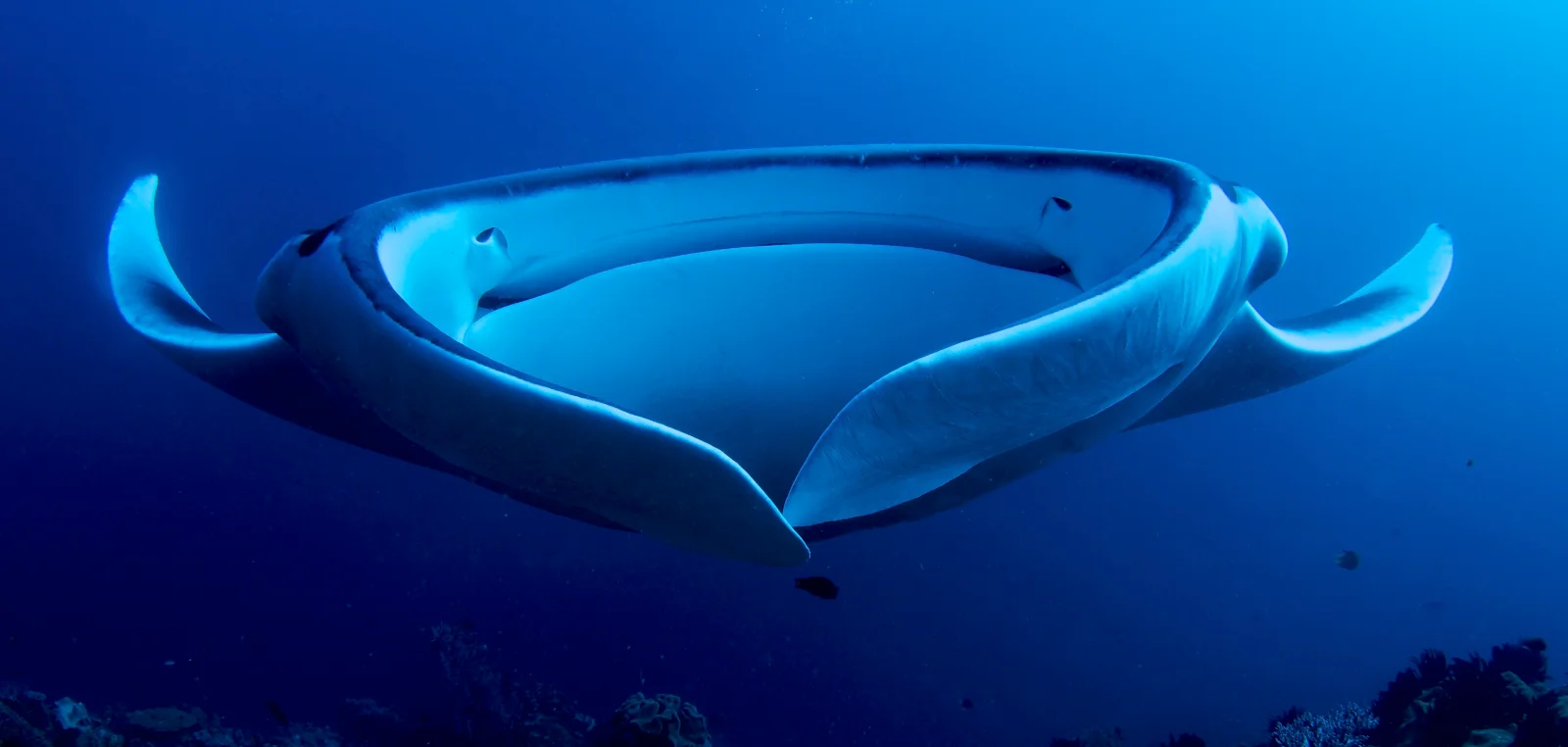
A Thailand liveaboard is the most expensive thing most visitors book on a wildlife trip here, and it is sold almost entirely on scenery and dive counts. What nobody publishes is the animal list: what a four-day boat to the Similans and Richelieu Rock genuinely produces, what only turns up in a three-month window, and what you are very unlikely to see whatever you pay.
This page is that list. Every animal below is recorded in the Wildseer database for the sites these boats actually run, with the site, the month and a plain assessment of the odds. It will not help you choose an operator. It will tell you whether the trip you are looking at is the one that gets you the animal you want, and which month to book it in.
Highlights
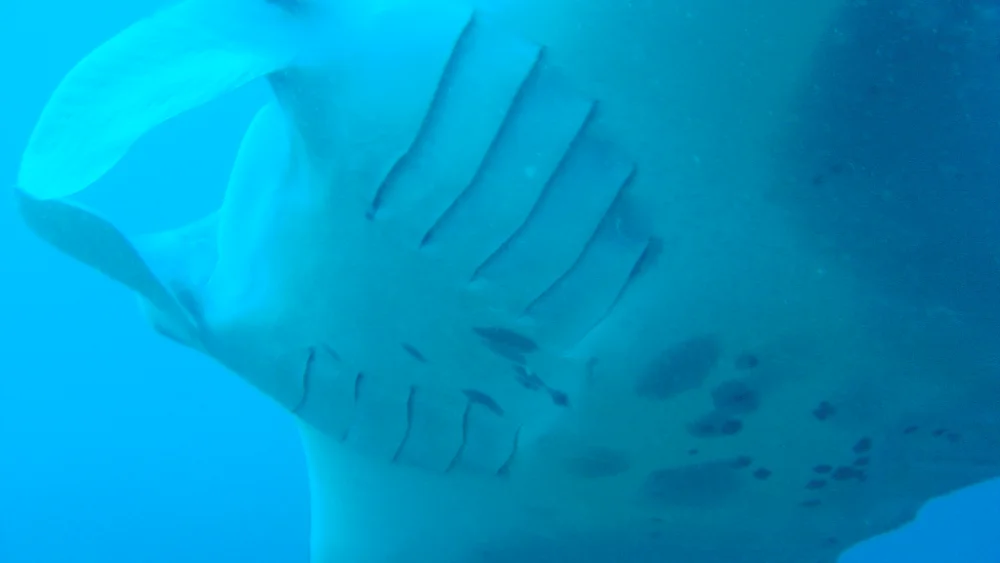
Reef Manta Ray
A four metre wingspan gliding overhead in slow, hypnotic loops that leave divers grinning for days. Where: Koh Bon and Koh Tachai. Best: Feb-Apr, occasional from Jan.
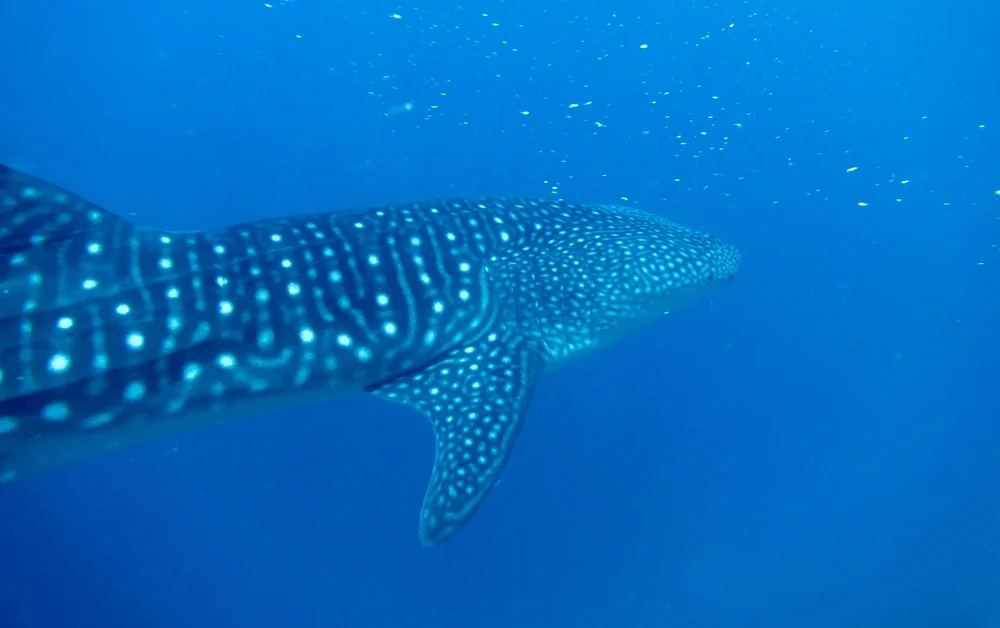
Whale Shark
The biggest fish in the ocean, a spotted, bus sized filter feeder and the undisputed holy grail of tropical diving. Where: Koh Bon, Koh Tachai and the outer pinnacles on liveaboard itineraries. Best: Feb-Apr.
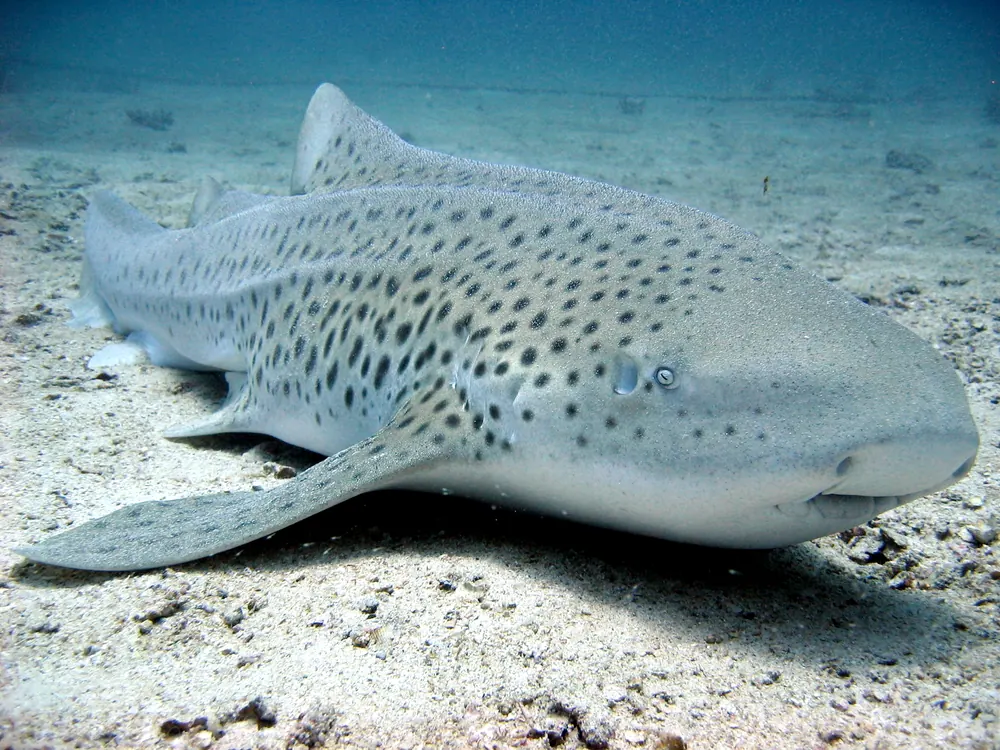
Zebra Shark (Leopard Shark)
A gentle, spotted shark that lies on the sand like a giant lazy cat, striped as a pup and spotted as an adult. Where: Sandy patches at East of Eden, Anita's Reef and Elephant Head Rock. Best: Nov-Apr, morning dives, best Dec-Mar.
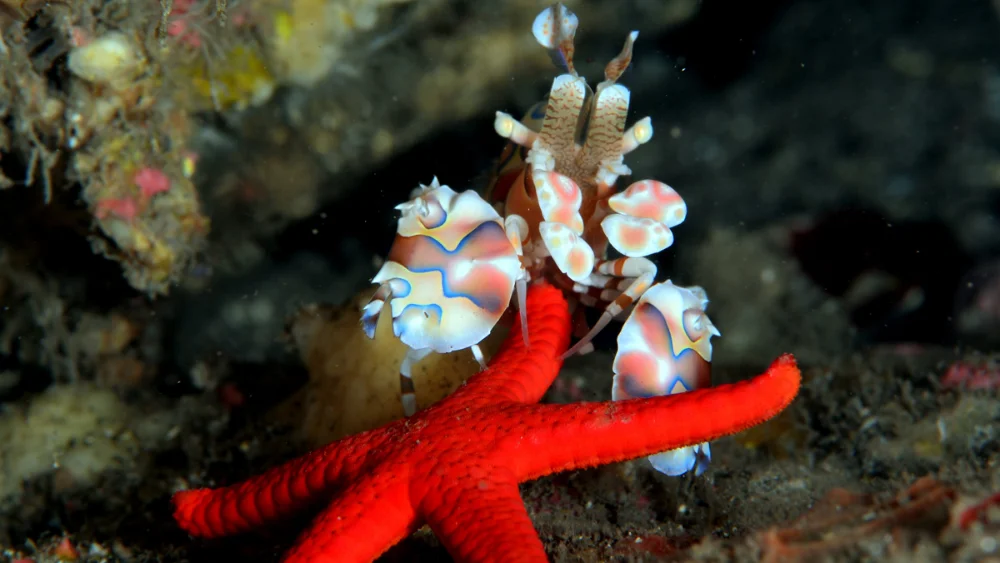
Harlequin Shrimp
A shrimp painted like fine porcelain that hunts as a devoted pair and eats nothing but living starfish. Where: Under ledges on rubble slopes. Best: Nov-Apr.
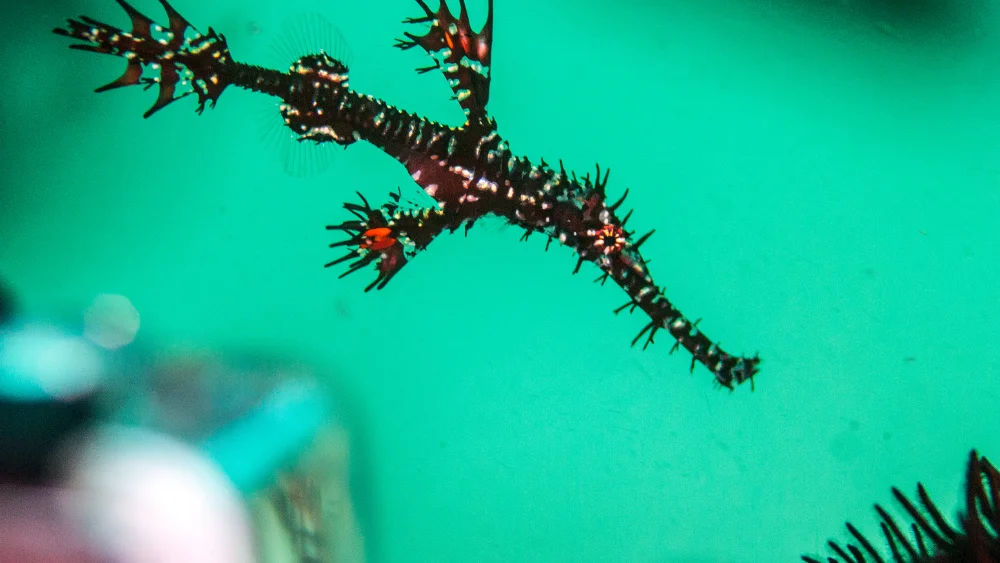
Ornate Ghost Pipefish
A dazzling relative of the seahorse that hangs head-down among crinoids, its frilled body vanishing into the feathery arms. Where: Crinoids and sea fans on sheltered slopes. Best: Nov-Apr.
The Similan Islands and Koh Bon
The core of almost every itinerary and the reason the season exists. Granite boulders and hard coral on the islands themselves, then Koh Bon’s ridge, which is the manta station: hang off the ridge in the current and wait rather than chasing. Best Feb-Apr, and the marine park closes for part of the wet season, so check current dates before booking anything.
12 of 61 recorded species
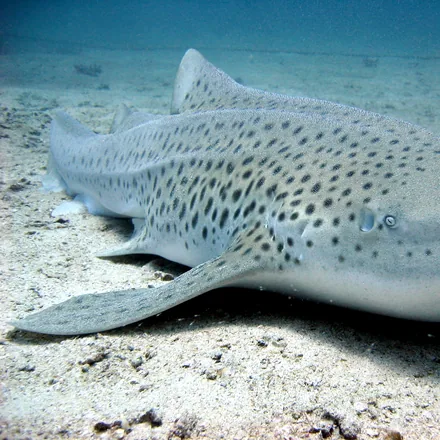
Zebra Shark (Leopard Shark) Regular Endangered
Stegostoma tigrinum
A gentle, spotted shark that lies on the sand like a giant lazy cat, striped as a pup and spotted as an adult.
Where: Sandy patches at East of Eden, Anita's Reef and Elephant Head Rock. Best: Nov-Apr, morning dives, best Dec-Mar. Rests on sand in the open; approach slowly from the side and it will usually stay.
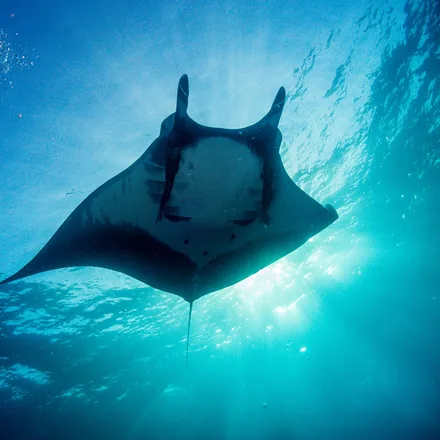
Giant Manta Ray Occasional Endangered
Mobula birostris
The largest ray on the planet, an ocean wanderer that can span seven metres and loops through plankton clouds in slow somersaults.
Where: Koh Bon ridge and Koh Tachai pinnacle. Best: Feb-Apr, peak at Koh Bon. Koh Bon is the classic manta station; hang off the ridge and wait rather than chase.
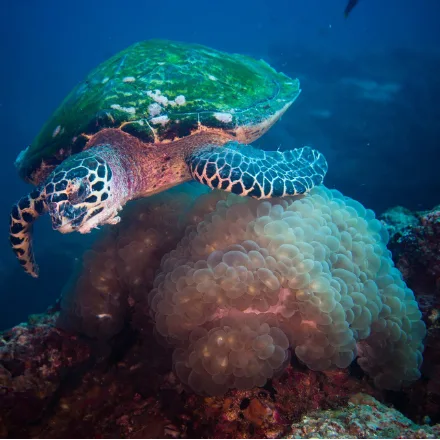
Hawksbill Turtle Occasional Critically Endangered
Eretmochelys imbricata
The reef's sponge specialist, its beautiful shell also the reason it was hunted to the edge.
Where: Coral bommies and sponge-covered walls throughout. Best: Nov-Apr.
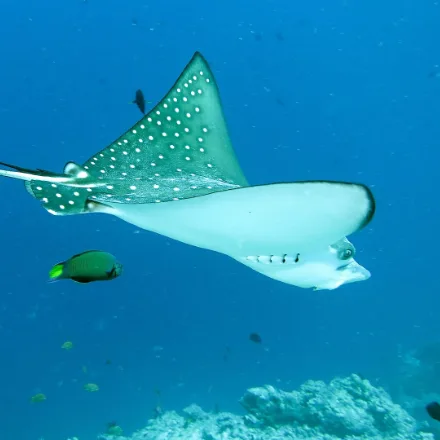
Ocellated Eagle Ray Occasional Endangered
Aetobatus ocellatus
A dramatic ray that flies through open water on wings spangled with white spots, trailing a whip-like venomous tail.
Where: Drop-offs at Koh Bon and Christmas Point. Best: Nov-Apr, more frequent Feb-Apr. Usually passing in open water; look out into the blue on every safety stop.
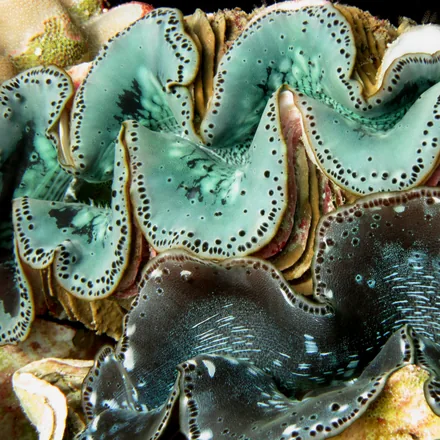
Giant Clam Occasional Critically Endangered
Tridacna gigas
The largest shellfish on Earth, a metre-wide clam that farms algae in its own rippling, jewel-coloured flesh.
Where: Shallow reef tops at Anita's Reef and Donald Duck Bay. Best: Nov-Apr.
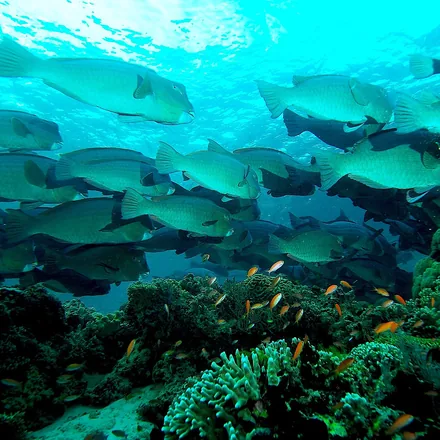
Bumphead Parrotfish Occasional Vulnerable
Bolbometopon muricatum
A hulking, bull-headed parrotfish that rams and bites living coral, turning reef rock into the white sand of tropical beaches.
Where: Reef tops at dawn on the outer islands. Best: Nov-Apr, first dive of the day. Best on the first dive of the day, before the schools break up.
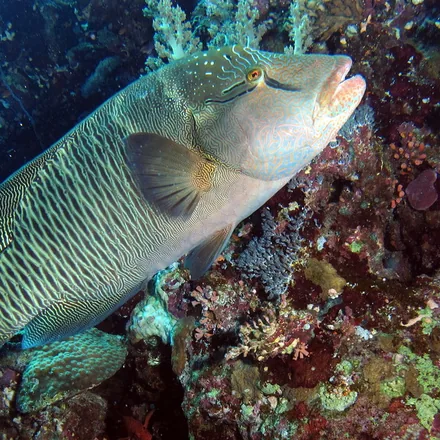
Humphead Wrasse (Napoleon Wrasse) Rare Endangered
Cheilinus undulatus
A giant, curious reef fish with thick lips and a bulging forehead, able to crunch prey that few other animals can eat.
Where: Outer reef slopes at Koh Bon and Christmas Point. Best: Nov-Apr, best in calm Feb-Apr water. Large individuals are curious and will follow a diver.
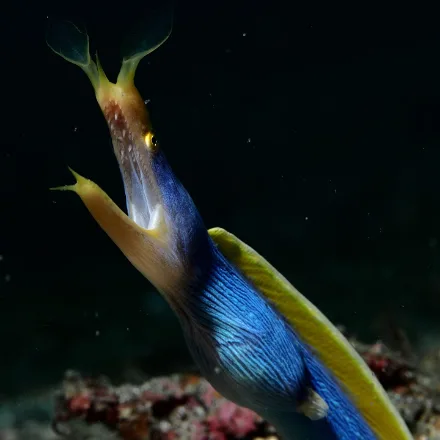
Ribbon Eel Occasional
Rhinomuraena quaesita
A ribbon of electric blue and yellow that sways from a hole in the sand, and remarkably changes sex and colour as it grows.
Where: Sand and rubble margins at Anita's Reef. Best: Nov-Apr. Blue adults and black juveniles occupy the same burrows for months.
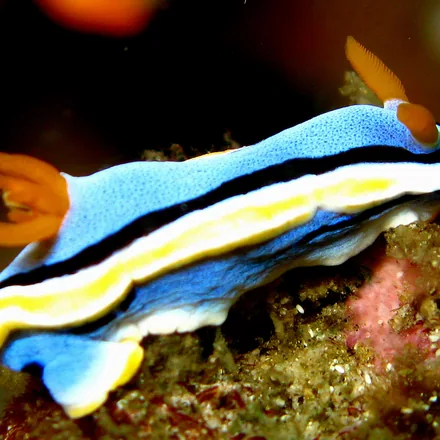
Chromodoris Nudibranch Regular
Chromodoris species
A tiny sea slug in outrageous colours that borrows toxins from the sponges it eats and flaunts them as a warning.
Where: Sponges on the west-side walls. Best: Nov-Apr.
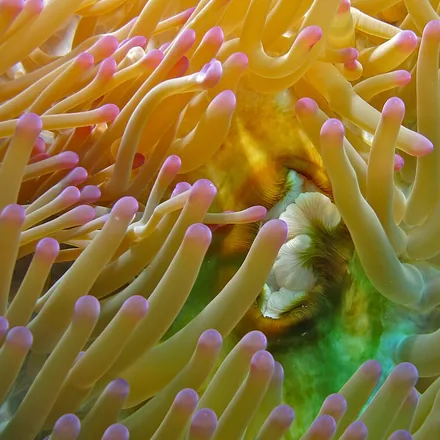
Magnificent Sea Anemone Common
Heteractis magnifica
A great carpet of stinging tentacles that is home and fortress to the anemonefish, a partnership at the heart of the reef.
Where: Shallow reef tops throughout. Best: Nov-Apr.
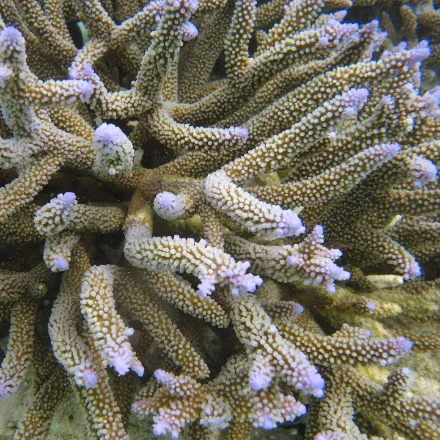
Staghorn Coral Common
Acropora species
The fast-growing branching coral that builds the living thickets of the reef, nursery and shelter for a whole community.
Where: Shallow eastern reef flats. Best: Nov-Apr.
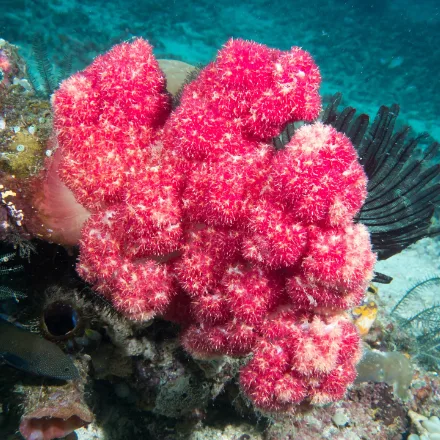
Carnation Soft Coral Regular
Dendronephthya species
An explosion of pink, red and orange bloom that inflates with water to feed, turning shaded walls into hanging gardens.
Where: Shaded overhangs and swim-throughs at Elephant Head Rock. Best: Nov-Apr.
Hin Daeng and Hin Muang
The deep southern pinnacles, usually a separate itinerary from the Similans and usually the better one for big animals. Strong current, no shallow water to hide in, and the best whale shark and manta odds in Thai waters. Advanced diving, and worth being honest with yourself about that before booking.
10 of 60 recorded species
Giant Manta Ray Occasional Endangered
Mobula birostris
The largest ray on the planet, an ocean wanderer that can span seven metres and loops through plankton clouds in slow somersaults.
Where: Cleaning stations on the Hin Daeng plateau. Best: Nov-Apr, peak Feb-Apr. The classic Thai manta site. Kneel on the sand well clear of the station and let them come.
Hawksbill Turtle Occasional Critically Endangered
Eretmochelys imbricata
The reef's sponge specialist, its beautiful shell also the reason it was hunted to the edge.
Where: Soft coral walls of Hin Muang. Best: Nov-Apr.
Ocellated Eagle Ray Occasional Endangered
Aetobatus ocellatus
A dramatic ray that flies through open water on wings spangled with white spots, trailing a whip-like venomous tail.
Where: The drop-off into blue water. Best: Nov-Apr, more frequent Feb-Apr.
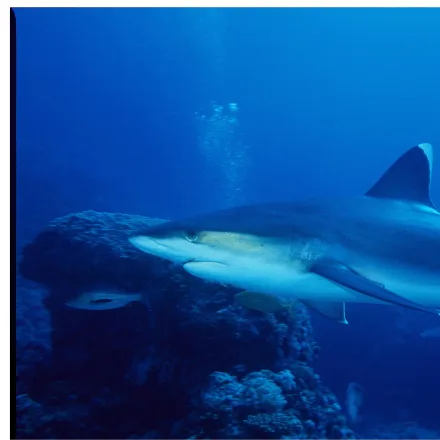
Silvertip Shark Rare Vulnerable
Carcharhinus albimarginatus
Bold, curious and dominant over every other reef shark it meets, with brilliant white trim on every fin.
Where: The blue off the pinnacle edges. Best: Feb-Apr.
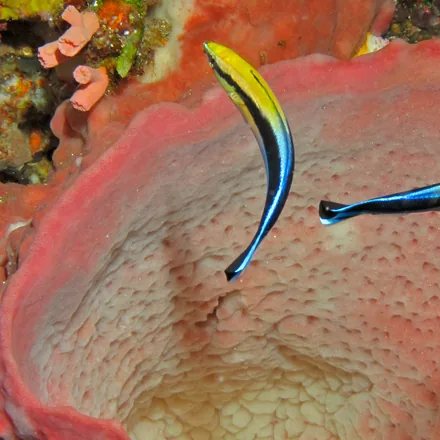
Bluestreak Cleaner Wrasse Common
Labroides dimidiatus
A tiny striped wrasse that runs the reef's health clinic, picking parasites from fish that queue up and even open their mouths for it.
Where: Cleaning stations across the plateau. Best: Nov-Apr. The stations are why the mantas come. Do not hover over them.
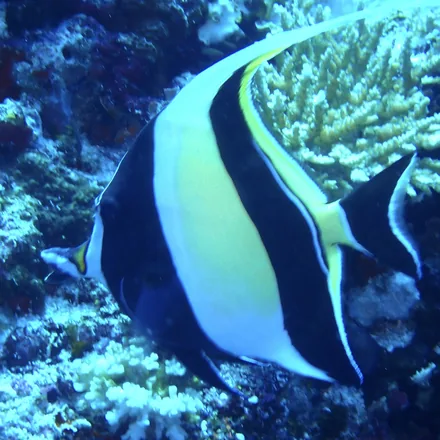
Moorish Idol Common
Zanclus cornutus
An unmistakable disc of black, white and gold trailing a long ribbon fin, one of the most elegant fish on any reef.
Where: Throughout the shallow reef. Best: Nov-Apr.
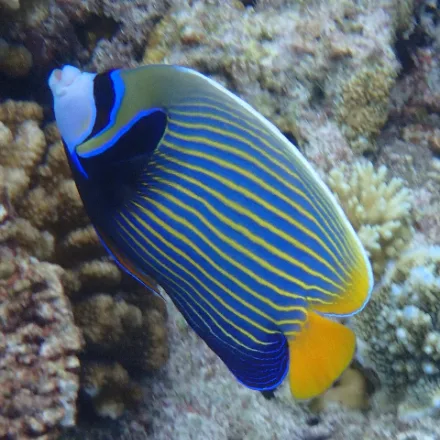
Emperor Angelfish Regular
Pomacanthus imperator
A living work of art in electric blue and yellow stripes, its young disguised in a maze of blue and white rings.
Where: Wall crevices. Best: Nov-Apr.
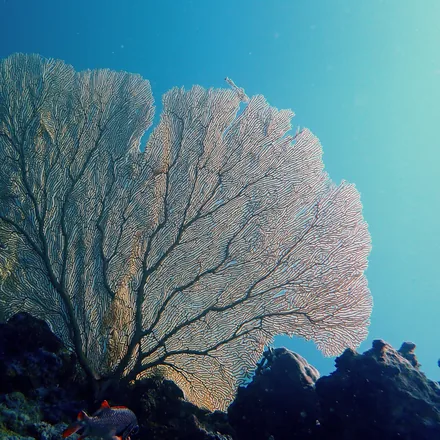
Giant Sea Fan (Gorgonian) Regular
Annella species
A great lattice fan spread across the current, a soft coral that farms the flow for plankton and shelters seahorses and hawkfish.
Where: The Hin Muang wall in current. Best: Nov-Apr. Hin Muang is a wall of purple soft coral, and the fans are its structure.
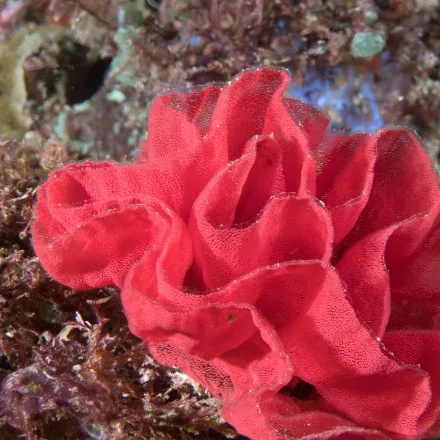
Spanish Dancer Occasional
Hexabranchus sanguineus
A giant crimson sea slug that unfurls its frilled body and swims through open water like a flamenco dancer's skirt.
Where: Night dives on the plateau. Best: Nov-Apr, night.
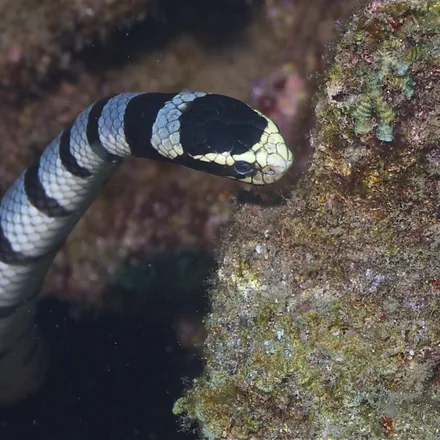
Banded Sea Krait Regular
Laticauda colubrina
A sea snake that hunts eels underwater but must come ashore to rest, drink fresh water and lay its eggs.
Where: Shallow reef at the pinnacle top. Best: Nov-Apr.
Koh Phi Phi and the Andaman reef
Often the first or last night of a southern itinerary, and the shallow, forgiving end of the trip. Blacktip reef sharks over sand flats, turtles on the seagrass and reef life close enough to snorkel.
8 of 42 recorded species
Hawksbill Turtle Occasional Critically Endangered
Eretmochelys imbricata
The reef's sponge specialist, its beautiful shell also the reason it was hunted to the edge.
Where: Coral bommies at Bida Nok. Best: Nov-Apr.
Giant Clam Occasional Critically Endangered
Tridacna gigas
The largest shellfish on Earth, a metre-wide clam that farms algae in its own rippling, jewel-coloured flesh.
Where: Shallow reef tops. Best: Nov-Apr.
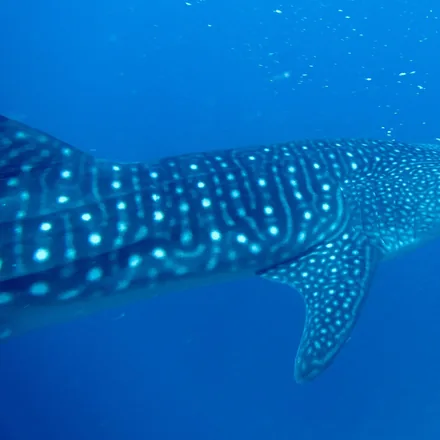
Whale Shark Rare Endangered
Rhincodon typus
The biggest fish in the ocean, a spotted, bus sized filter feeder and the undisputed holy grail of tropical diving.
Where: Bida Nok and Bida Nai, and the outer walls. Best: Feb-Apr.
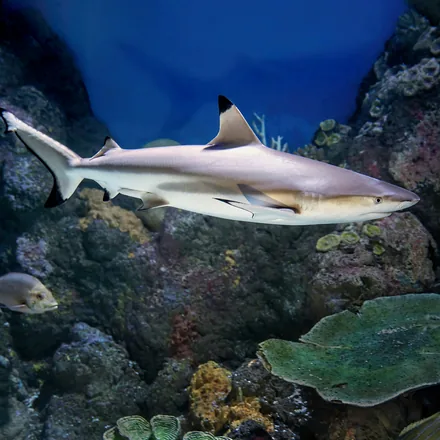
Blacktip Reef Shark Common Vulnerable
Carcharhinus melanopterus
The neat little reef shark of the shallows, its black-tipped fins often cutting the surface over sun-lit sand flats.
Where: Shallow reef flats at Maya Bay and around Koh Phi Phi Ley. Best: Nov-Apr, early morning, best Dec-Mar. Maya Bay's shark nursery is the most reliable shark snorkel in Thailand. Go at opening time.
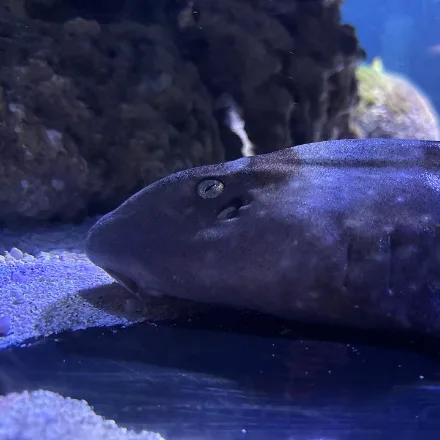
Whitespotted Bamboo Shark Occasional Endangered
Chiloscyllium plagiosum
A small, slow shark that walks along the bottom on its fins and can survive hours in a tide pool with almost no oxygen.
Where: Under ledges at night. Best: Nov-Apr, night dives.
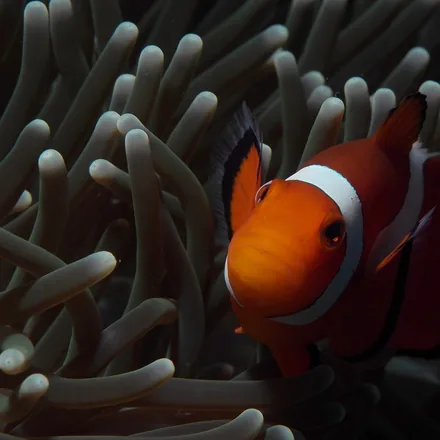
False Clownfish (Clown Anemonefish) Common
Amphiprion ocellaris
The famous orange and white anemonefish, immune to the stinging tentacles that shelter it and every group ruled by a single dominant female.
Where: Anemones on the shallow reef. Best: Nov-Apr.
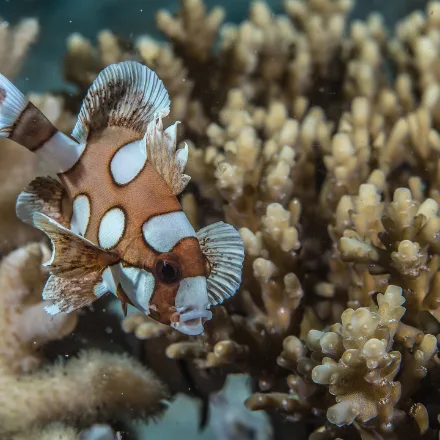
Harlequin Sweetlips Regular
Plectorhinchus chaetodonoides
The juvenile is a brown and white blob that tumbles around the reef pretending to be a toxic flatworm.
Where: Under overhangs at Bida Nai. Best: Nov-Apr. Juveniles do the rolling swim that everyone photographs.
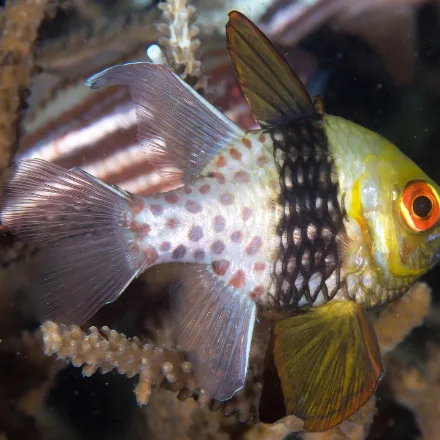
Pyjama Cardinalfish Regular
Sphaeramia nematoptera
Looks like three different fish stitched together, and the male holds the whole clutch of eggs in his mouth for a week.
Where: Branching coral in the shallows. Best: Nov-Apr.
The Gulf, when the Andaman is shut
Not a liveaboard destination in the usual sense, but the honest answer to what to do May-Oct when the Andaman season is over. Sail Rock is the Gulf’s whale shark site and runs on the opposite calendar, which is why it matters here.
8 of 41 recorded species
Whale Shark Rare Endangered
Rhincodon typus
The biggest fish in the ocean, a spotted, bus sized filter feeder and the undisputed holy grail of tropical diving.
Where: Sail Rock and the pinnacles between Samui and Koh Tao. Best: Mar-May peak, possible Feb-Sep. Sail Rock is the Gulf's whale shark site. Day boats run from Samui, Phangan and Koh Tao.
Blacktip Reef Shark Common Vulnerable
Carcharhinus melanopterus
The neat little reef shark of the shallows, its black-tipped fins often cutting the surface over sun-lit sand flats.
Where: Shark Bay on Koh Tao and shallow reef flats. Best: Year round, best Feb-Sep. Shark Bay is a snorkel, not a dive, and the sharks are there most mornings.
Bryde's Whale Occasional
Balaenoptera edeni
A warm-water baleen whale that lunges up through bait balls with its mouth wide open.
Where: Open Gulf water on the crossings, and the upper Gulf feeding grounds. Best: Sep-Nov, upper Gulf feeding season. Lunge-feeding at the surface in the upper Gulf is one of the great Thai wildlife sights.
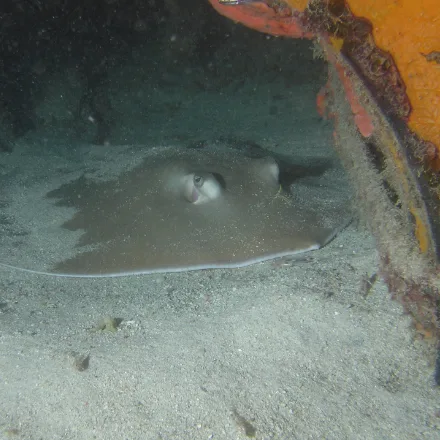
Jenkins Whipray Occasional Vulnerable
Pateobatis jenkinsii
A big sand-flat ray with a ridge of enlarged thorns down its spine and a tail twice the length of its body.
Where: Sand flats between coral heads. Best: Year round, best Feb-Sep.
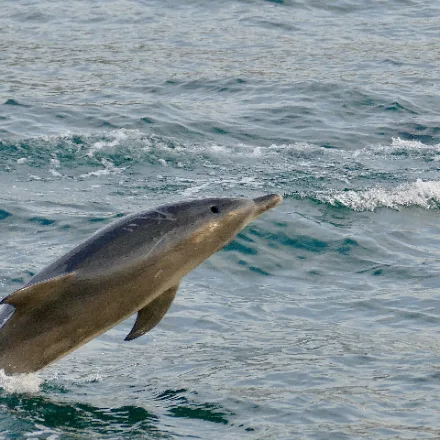
Indo-Pacific Bottlenose Dolphin Regular Near Threatened
Tursiops aduncus
The classic bottlenose of warm coasts, sociable, clever and quick to ride a bow wave.
Where: Open water between the islands. Best: Feb-Sep, calm mornings.
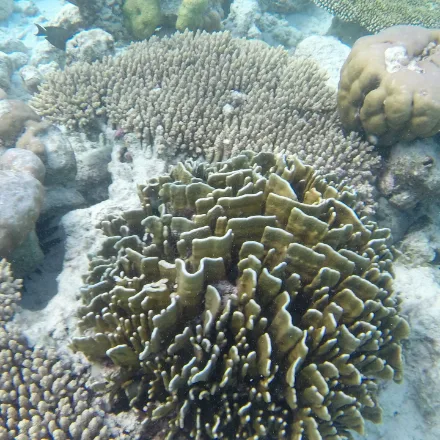
Blue Coral Occasional Vulnerable
Heliopora coerulea
The only coral on earth with a blue skeleton, hidden under brown tissue until the animal dies.
Where: Shallow high-energy reef. Best: Year round, best Feb-Sep.
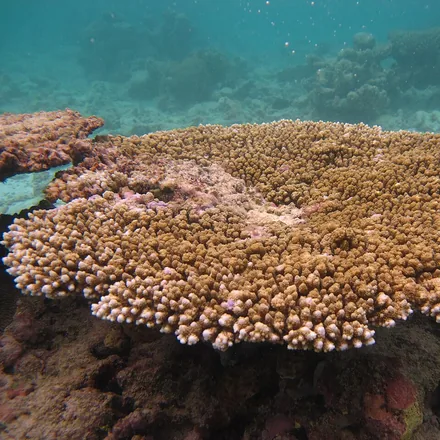
Table Coral Common Near Threatened
Acropora hyacinthus
Grows outward faster than it grows up, spreading a flat platform that shades out every competitor beneath it.
Where: Shallow reef around Koh Tao. Best: Year round, best Feb-Sep.
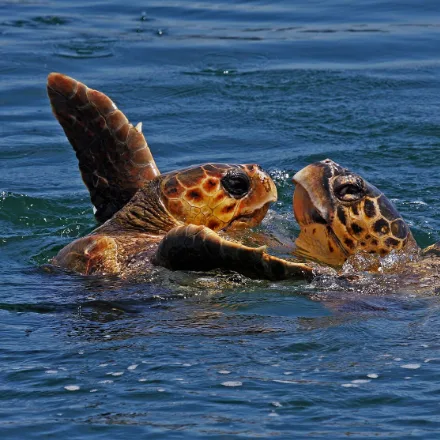
Loggerhead Turtle Ultra rare Vulnerable
Caretta caretta
Jaws powerful enough to crush a queen conch, and it navigates ocean basins by reading the earth's magnetic field.
Where: Offshore water. Best: Year round, best Feb-Sep.
Planning and responsible watching
The single most important thing to get right is the month, not the boat. The Andaman season runs roughly November to April, and the animals people book liveaboards for are concentrated in the second half of it: February to April is the peak for reef and giant mantas at Koh Bon and for whale sharks at Richelieu and Hin Daeng. Book a November trip and you get calm water, good visibility and materially worse odds on the two animals in the brochure. The Similan marine park also closes to visitors for part of the wet season and the dates move, so confirm them before paying a deposit. Trip length matters more than most people expect. Richelieu Rock is far enough north that short itineraries often skip it, and it is the best single site in the country, so read the site list rather than the day count. Hin Daeng and Hin Muang are usually a different boat altogether, out of Phuket or Koh Lanta rather than Khao Lak. On behaviour, the rules that actually protect the encounter are simple: no touching anything, no chasing, and at a manta cleaning station stay below and to the side and let the animal come to you. Boats that let divers swim at mantas get shorter encounters, and everyone on board loses.
Compare Thailand liveaboards, dive trips and Similan itineraries
Some links on this page are affiliate links. If you book through them, Wildseer may earn a small commission at no extra cost to you.
Frequently asked questions
What wildlife will you see on a Thailand liveaboard?
Reliably: reef sharks, turtles, moray eels, big schools of fusiliers and trevally, and the full Andaman reef fish list. Realistically if you go in the right months: reef and giant mantas at Koh Bon, whale sharks at Richelieu Rock and Hin Daeng, zebra sharks resting on sand, and bumphead parrotfish at dawn. Unlikely whatever you pay: sailfish, tiger sharks and bowmouth guitarfish, all of which are recorded and all of which are a once-in-a-career sighting here.
When is the best month for a Thailand liveaboard?
February to April. The Andaman season runs November to April, but the manta and whale shark odds are concentrated at the back end of it. A November trip gets you calm water and clear visibility with materially lower chances of the two animals most people are booking for. Check the Similan park closure dates before paying, because they move.
Is a Thailand liveaboard worth it?
It depends entirely on which animal you want. For mantas and whale sharks it is the only realistic way to be at Koh Bon, Richelieu Rock and Hin Daeng at the right hour on enough consecutive days for the odds to work. For general reef life it is not: Phi Phi, Racha and Koh Tao deliver most of the same fish list from a day boat at a fraction of the cost.
Do you need to be an experienced diver for a Thailand liveaboard?
For the Similans, no, and many boats take newly qualified divers. For Hin Daeng and Hin Muang, yes: they are deep exposed pinnacles with strong current and no shallow water to retreat to. Being honest with yourself about that is worth more than any certification card.
Can you see manta rays on a Thailand liveaboard?
Yes, and Koh Bon in the Similans is the classic station, with Koh Tachai and Hin Daeng also producing them. Peak is February to April. The technique that works is to hang off the ridge and wait rather than swimming out at them, because a manta that is being chased leaves and one that is being cleaned stays.
Explore Thailand wildlife by group
Explore Thailand wildlife by place
Part of the Wildlife in Thailand guide.
Image credits
image credits
- Giant manta ray in open water, Andaman Sea: Arturo de Frias Marques | CC BY-SA 4.0
- Reef Manta Ray: Peter Southwood | CC BY-SA 3.0
- Whale Shark: Jerome Paillet (IFREMER) | CC BY 4.0
- Zebra shark: Sigmund | CC BY 2.0
- Harlequin Shrimp: Nathalie Rodrigues | CC BY-SA 4.0
- Ornate Ghost Pipefish: victorius eps | CC BY-SA 4.0
- Zebra Shark: Sigmund | CC BY 2.0
- Giant Manta Ray: Stevelaycock21 | CC BY-SA 4.0
- Hawksbill Turtle: Daniel Sasse | CC BY-SA 4.0
- Ocellated Eagle Ray: Jerome Paillet (IFREMER) | CC BY 4.0
- Giant Clam: NOAA | Unsplash License
- Bumphead Parrotfish: Jenny from Taipei | CC BY 2.0
- Humphead Wrasse: Derek Keats | CC BY 2.0
- Ribbon Eel: Rickard Zerpe | CC BY-SA 2.0
- Chromodoris Nudibranch: Steve Childs | CC BY 2.0
- Magnificent Sea Anemone: Bernard DUPONT | CC BY-SA 2.0
- Staghorn Coral: MDC Seamarc Maldives | CC BY-SA 4.0
- Carnation Soft Coral: Rickard Zerpe | CC BY 2.0
- Silvertip Shark: albert kok | CC BY-SA 3.0
- Bluestreak Cleaner Wrasse: Bernard DUPONT | CC BY-SA 2.0
- Moorish Idol: Jean-Paul Boerekamps | CC0
- Emperor Angelfish: Jean-Paul Boerekamps | CC0
- Giant Sea Fan: Frederic Ducarme | CC BY-SA 4.0
- Spanish Dancer: Rickard Zerpe | CC BY 2.0
- Banded Sea Krait: Elias Levy | CC BY 2.0
- Whale Shark: Jerome Paillet (IFREMER) | CC BY 4.0
- Blacktip Reef Shark: David Clode | Unsplash License
- Whitespotted Bamboo Shark: Bloopityboop | CC BY-SA 4.0
- False Clownfish: Rickard Zerpe | CC BY-SA 2.0
- Harlequin Sweetlips: Rickard Zerpe | CC BY 2.0
- Pyjama Cardinalfish: Rickard Zerpe | CC BY 2.0
- Tailless Whip Scorpion: Geoff Gallice from Gainesville, FL, USA | CC BY 2.0
- Jenkins Whipray: (c) Ditch Townsend, some rights reserved (CC BY-SA) | CC BY-SA 4.0
- Indo-Pacific Bottlenose Dolphin: Bernard DUPONT from FRANCE | CC BY-SA 2.0
- Blue Coral: Frédéric Ducarme | CC BY-SA 4.0
- Table Coral: MDC Seamarc Maldives | CC BY-SA 4.0
- Loggerhead Turtle: Eco cruising | CC BY-SA 4.0