
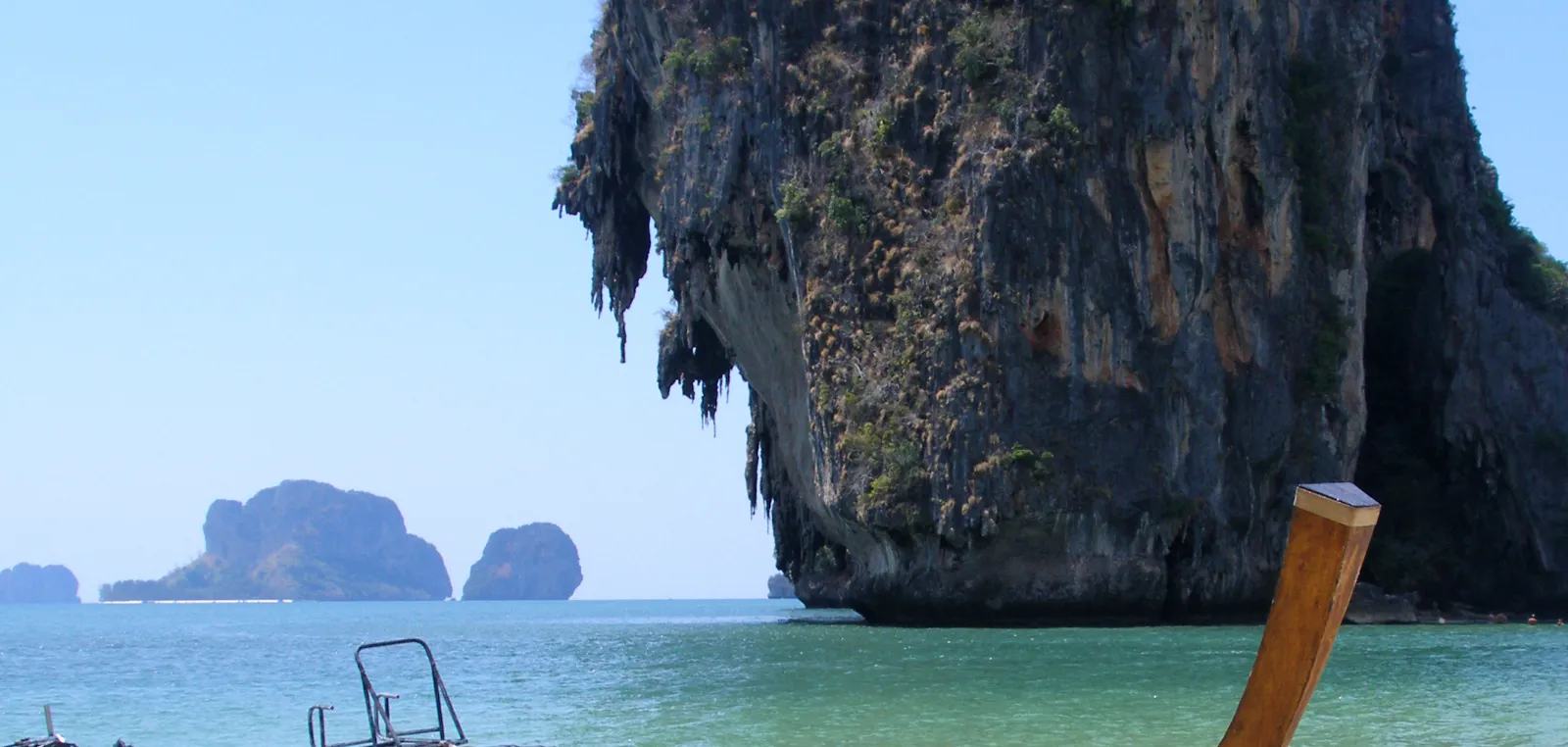
Krabi wildlife is unusually easy to find, and the reason is geography. Four completely different habitats sit within a few kilometres of each other: limestone towers at Railay, the mangrove estuary of the Krabi River, lowland forest at Khao Phanom Bencha, and island reef off Ao Nang. A single day can produce dusky langurs at eye level on a cliff path, a mudskipper propped on a mudflat and a blacktip reef shark cruising water shallow enough to stand in.
That mix is also why Krabi is on the birding map while most visitors never notice. The estuary mudflats are a wintering ground for waders that have almost nowhere else to go, and the mangrove boardwalks are the most reliable place in Thailand to find a mangrove pitta. This page lists what the guide records for Krabi specifically: the cliff, the boardwalk, the reef or the forest trail, the month, and how likely each animal really is.
Highlights
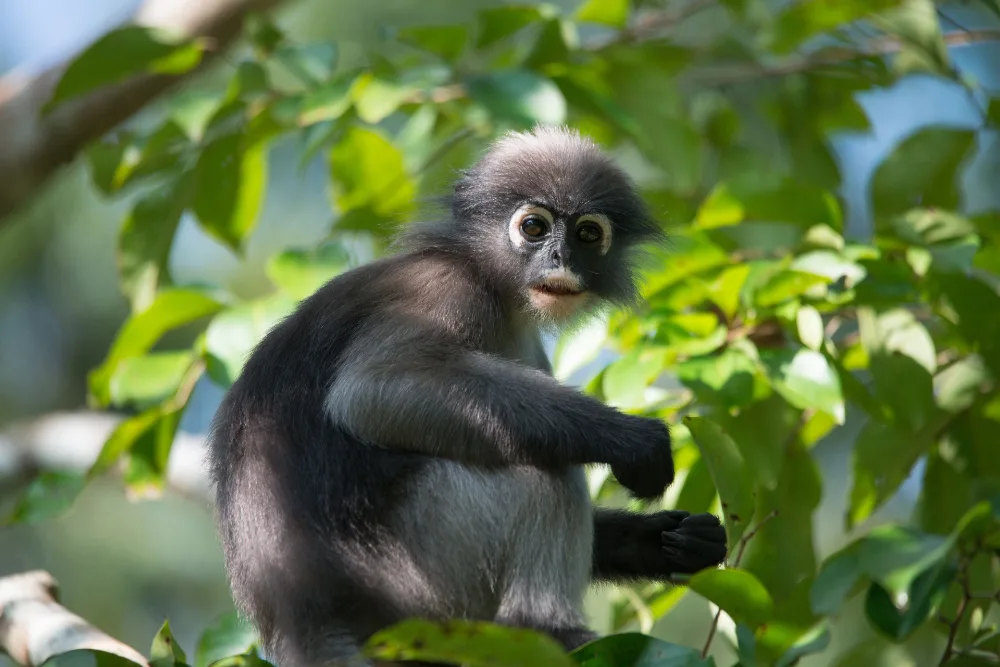
Dusky Langur (Spectacled Leaf Monkey)
White spectacles make the adults look permanently startled, and the bright orange babies are pure crowd pleasers. Where: The limestone cliffs and forest edge at Railay and around Ao Nang. Best: Year round, early morning and late afternoon.
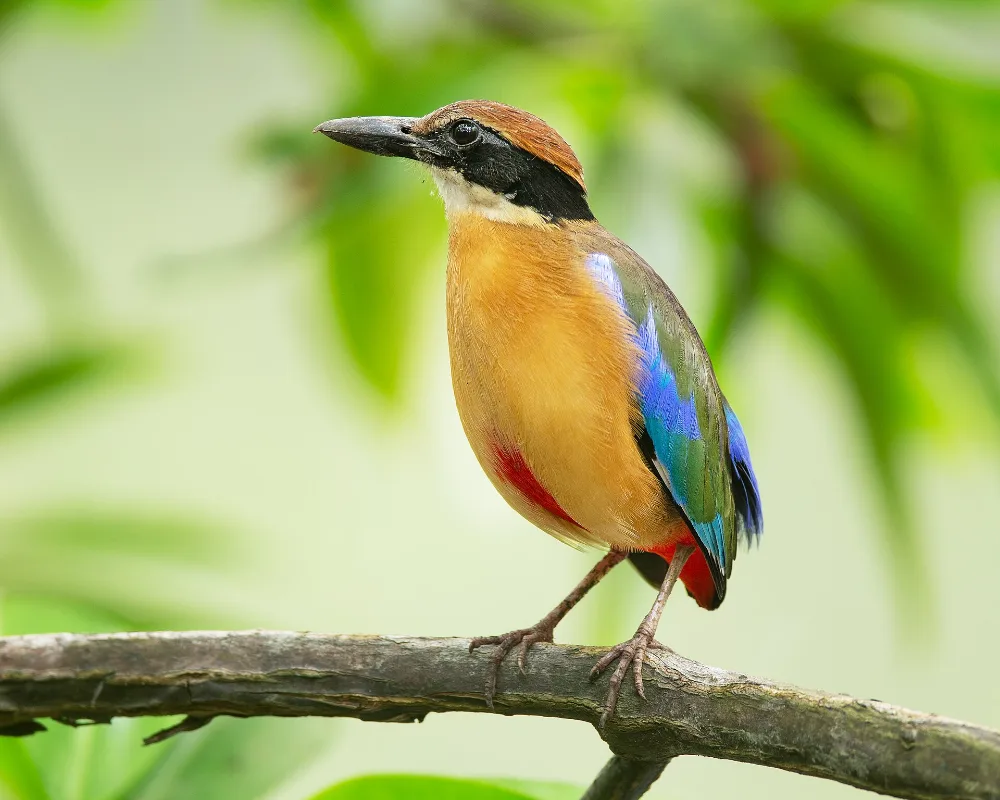
Mangrove Pitta
A jewel of a bird restricted almost entirely to mangrove, hopping across bare mud to hammer crabs against a root. Where: Mangrove boardwalks along the Krabi River estuary. Best: Feb-Jun, at dawn while they are calling.
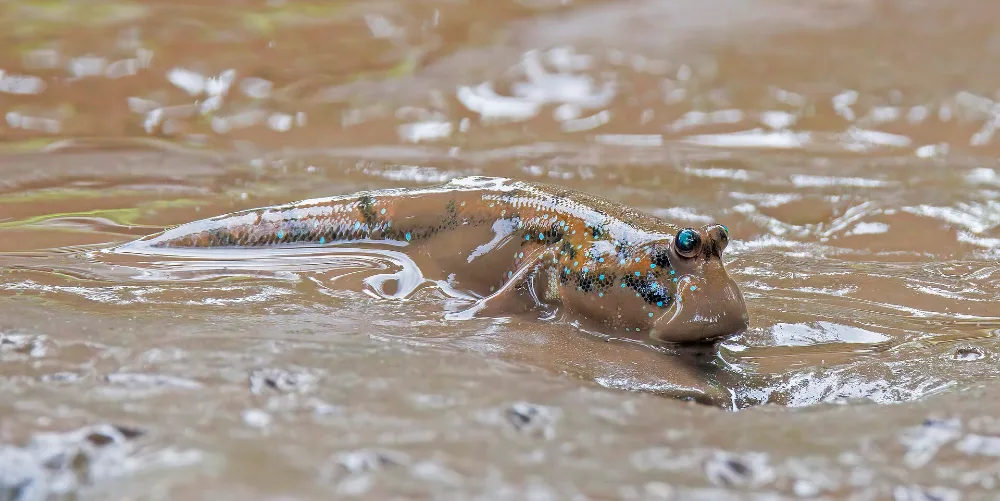
Giant Mudskipper
A fish that spends most of its life out of water, defending a mud territory with a raised sail of a dorsal fin. Where: Mudflats at the estuary boardwalks and Ao Thalane. Best: Year round, low tide.
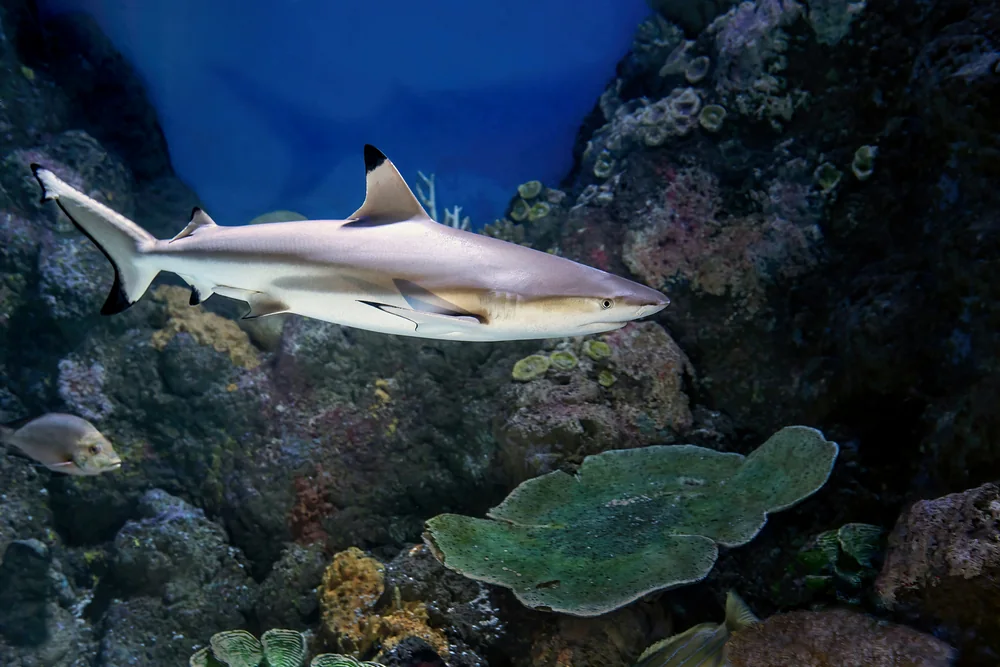
Blacktip Reef Shark
The neat little reef shark of the shallows, its black-tipped fins often cutting the surface over sun-lit sand flats. Where: Shallow reef flats at Koh Poda, Chicken Island and the Hong group. Best: Nov-Apr, early morning.
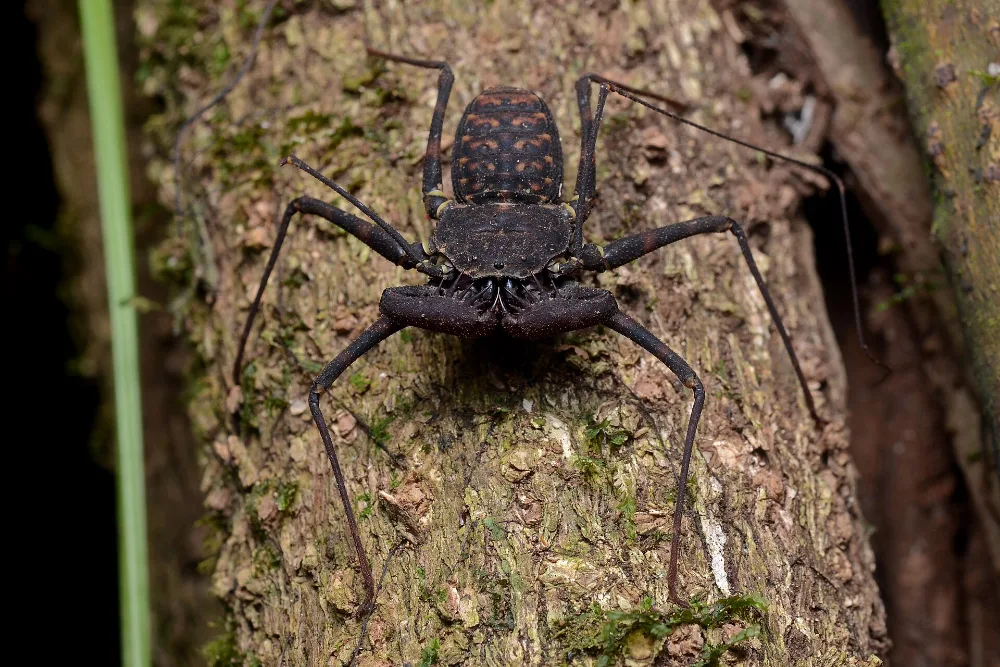
Tailless Whip Scorpion
Looks genuinely alarming and is completely harmless: no venom, no sting, and a pair of legs converted into three foot feelers. Where: Cave mouths and karst overhangs at Railay and Than Bok Khorani. Best: Year round, night.
Mammals
7 species
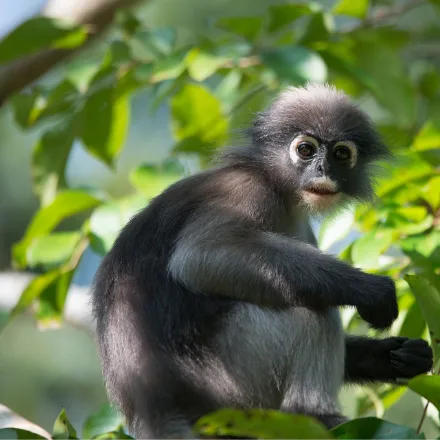
Dusky Langur (Spectacled Leaf Monkey) Common Endangered
Trachypithecus obscurus
White spectacles make the adults look permanently startled, and the bright orange babies are pure crowd pleasers.
Where: The limestone cliffs and forest edge at Railay and around Ao Nang. Best: Year round, early morning and late afternoon. Railay is the easiest place in Thailand to watch this monkey, often at eye level from the beach path.
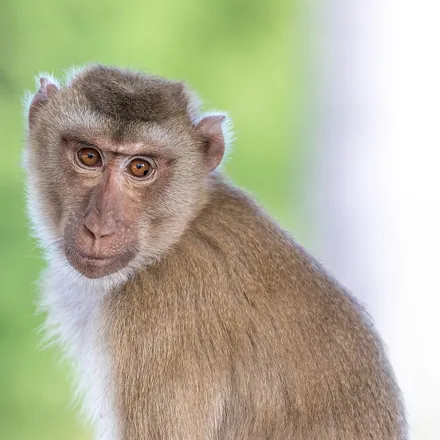
Long-tailed Macaque Common Endangered
Macaca fascicularis
The bold, water-loving monkey of temples and mangroves, and despite its ubiquity now one of the most heavily exploited primates on Earth.
Where: Railay, the cave temples and the Ao Nang headlands. Best: Year round, day. Bold around visitors. Keep bags closed and never feed them.
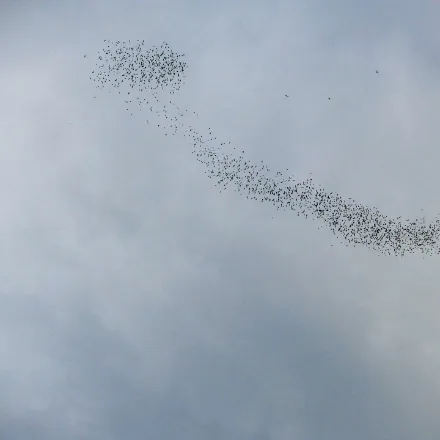
Wrinkle-lipped Free-tailed Bat Regular
Chaerephon plicatus
The bat behind Thailand's great cave exodus, when millions stream out at dusk in a river of wings.
Where: Limestone caves at Khao Kanab Nam and Than Bok Khorani. Best: Year round, dusk.
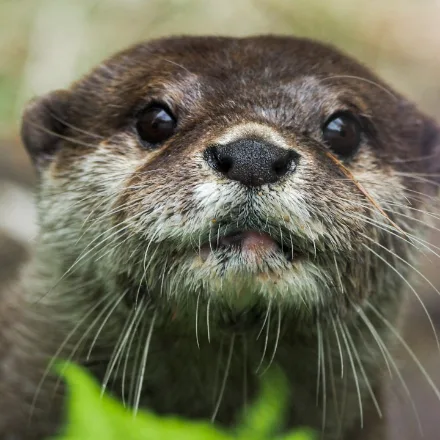
Asian Small-clawed Otter Rare Vulnerable
Aonyx cinereus
The smallest otter in the world, a sociable, hand-using charmer that feels for prey with nimble fingers.
Where: Quiet freshwater and mangrove creeks inland of Ao Luek. Best: Year round, early morning.
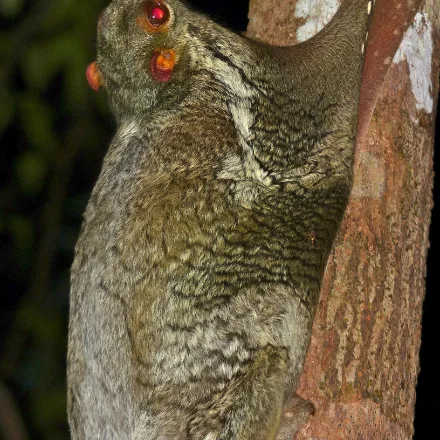
Colugo (Sunda Flying Lemur) Rare
Galeopterus variegatus
Not a lemur, and it cannot truly fly, but it glides over 100 metres between trees on a cloak of skin like a living kite.
Where: Tall trunks in the forest at Khao Phanom Bencha and Than Bok Khorani. Best: Year round, first hour after dark. Look for a shape flattened against a trunk rather than for movement.
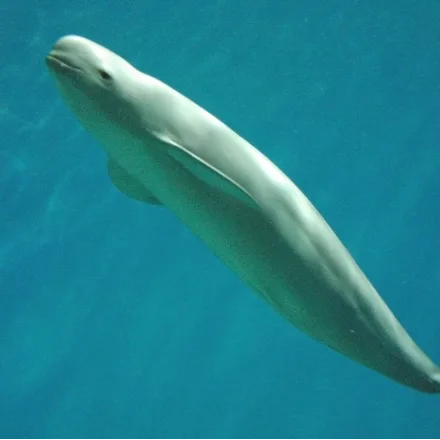
Indo-Pacific Finless Porpoise Rare Vulnerable
Neophocaena phocaenoides
A shy, finless little porpoise with a smiling face that surfaces without a splash.
Where: Shallow, turbid water off the Krabi river mouth. Best: Year round, calm mornings.
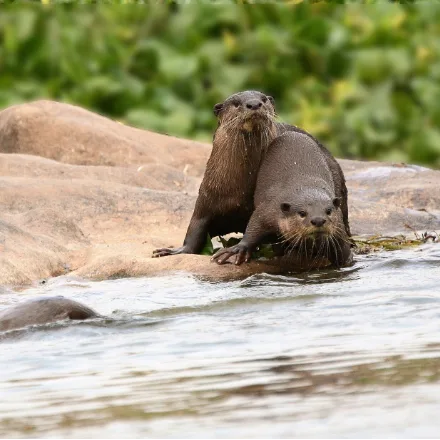
Smooth-coated Otter Rare Vulnerable
Lutrogale perspicillata
Family flotillas of sleek otters fishing, wrestling and chirruping through rivers and pools, endlessly watchable.
Where: Mangrove creeks off the Krabi River and around Ao Thalane. Best: Year round, early morning.
Birds
17 species
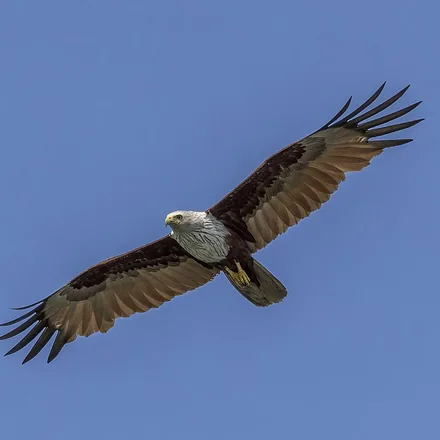
Brahminy Kite Common
Haliastur indus
A handsome chestnut-and-white kite of coasts and harbours, forever quartering the shoreline for scraps and stranded fish.
Where: Over the estuary, the harbour and the Ao Nang headlands. Best: Year round, day.
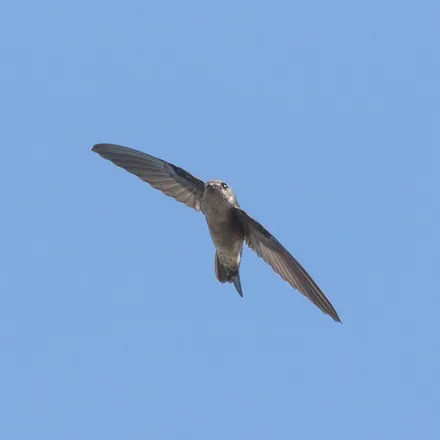
Germain's Swiftlet Common
Aerodramus germani
The little cave swift whose nest of pure saliva is harvested from sheer sea caves for bird's nest soup.
Where: Sea caves and the karst towers at the river mouth. Best: Year round, day.
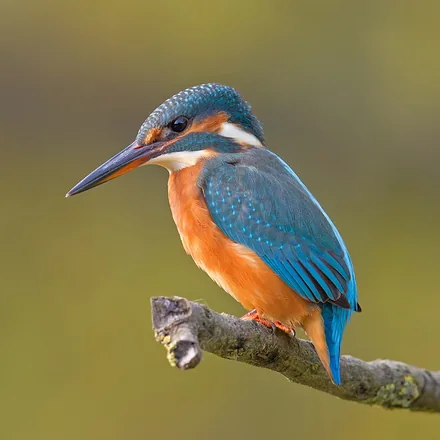
Common Kingfisher Regular
Alcedo atthis
A dazzling blue dart along the stream, small enough to sit in a palm yet impossible to miss when it flies.
Where: Mangrove creeks and the canals behind the town. Best: Nov-Mar, morning.
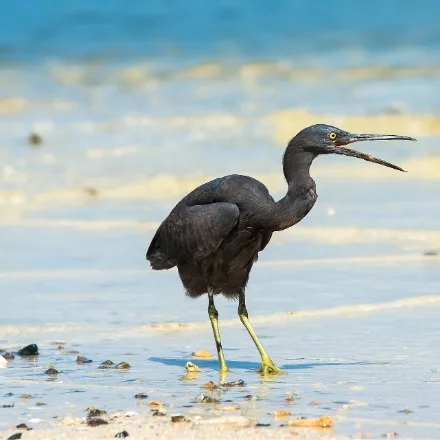
Pacific Reef Heron Regular
Egretta sacra
Comes in two entirely different colours, charcoal grey and pure white, and both can hatch in the same nest.
Where: Rocky shores and reef flats on the islands. Best: Year round, on a falling tide.
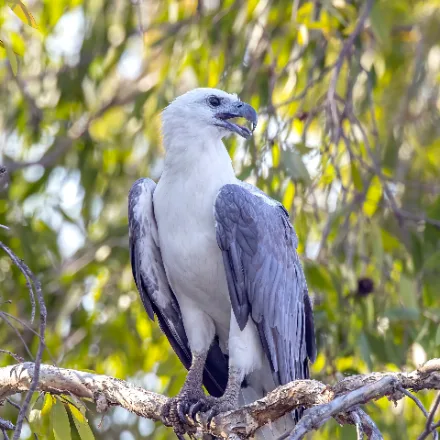
White-bellied Sea Eagle Regular
Haliaeetus leucogaster
A huge coastal eagle in grey and white that snatches sea snakes and fish from the surface in a spectacular swoop.
Where: Karst islands off Ao Nang and the Hong group. Best: Year round, day.
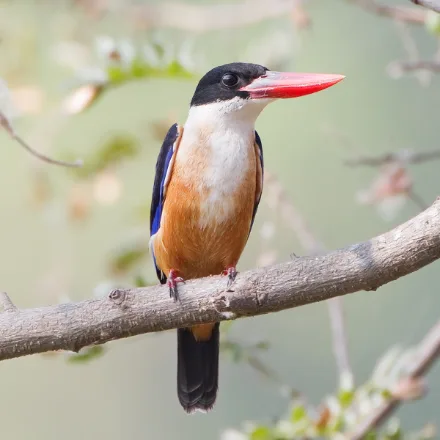
Black-capped Kingfisher Occasional
Halcyon pileata
A striking mangrove kingfisher in black, white and deep purple-blue, a winter visitor to Thailand's coasts.
Where: Mangrove edges along the estuary. Best: Nov-Mar.
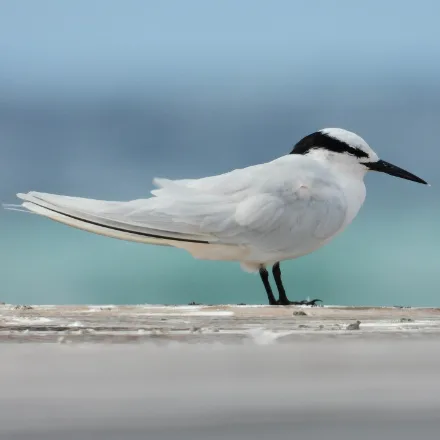
Black-naped Tern Occasional
Sterna sumatrana
Almost pure white apart from a narrow black band across the back of the head, like a headphone cable.
Where: Rocky islets off the Hong group. Best: Year round, day.
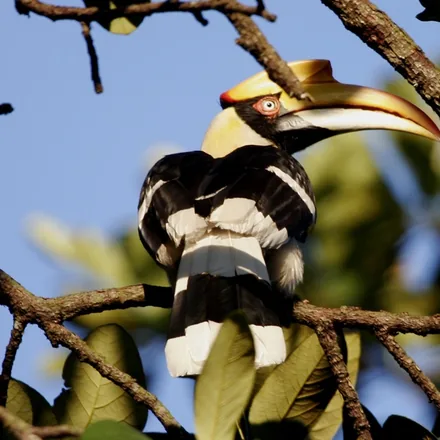
Great Hornbill Occasional Vulnerable
Buceros bicornis
A three metre wingbeat you hear before you see, the flagship bird of Asian rainforest canopy.
Where: Fruiting trees at Khao Phanom Bencha National Park. Best: Year round, early morning.
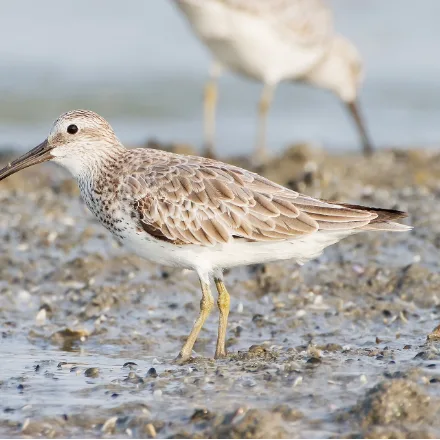
Great Knot Occasional Endangered
Calidris tenuirostris
Flies from Siberia to Australia with a single refuelling stop, and losing that one mudflat has nearly finished the species.
Where: Tidal mudflats at the river mouth. Best: Nov-Mar, falling tide.
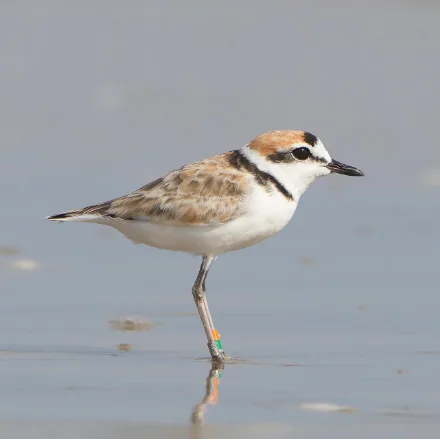
Malaysian Plover Occasional Near Threatened
Anarhynchus peronii
Nests in a scrape on open beach so well camouflaged that the greatest danger is being stepped on.
Where: Quiet sand spits and the outer island beaches. Best: Year round, low tide.
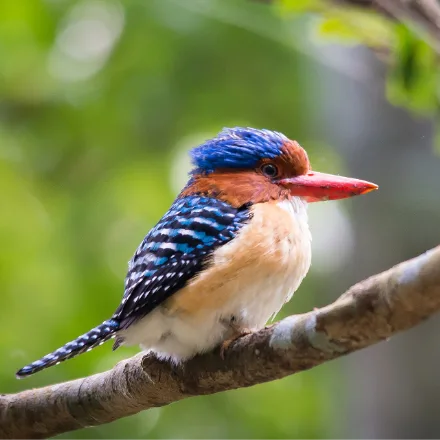
Banded Kingfisher Rare
Lacedo pulchella
A forest kingfisher that shuns water, the male banded blue and black, the female in rich rufous bars.
Where: Forest at Khao Phanom Bencha, heard far more often than seen. Best: Year round, dawn.
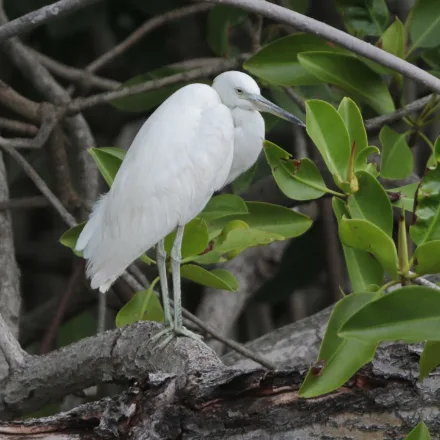
Chinese Egret Rare Vulnerable
Egretta eulophotes
Hunts by sprinting across the mudflat with wings half open, a running dash that no other egret uses.
Where: Tidal flats and shrimp ponds around the estuary. Best: Nov-Mar.
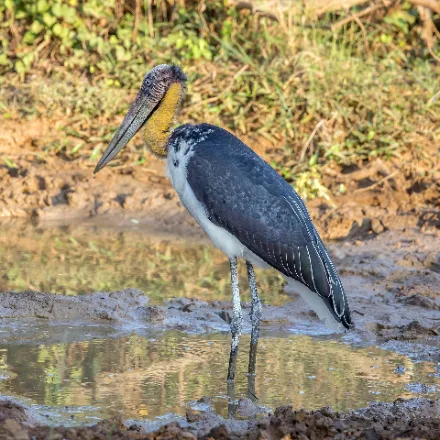
Lesser Adjutant Rare Vulnerable
Leptoptilos javanicus
A towering, bare-headed stork that stalks the wetlands with a soldier's stiff gait, part hunter and part undertaker.
Where: Mangrove edges and open flats near the estuary. Best: Nov-Mar.
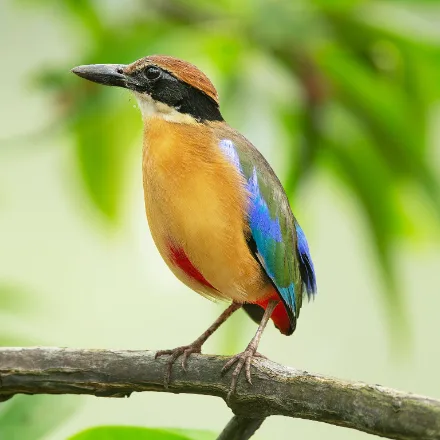
Mangrove Pitta Rare Near Threatened
Pitta megarhyncha
A jewel of a bird restricted almost entirely to mangrove, hopping across bare mud to hammer crabs against a root.
Where: Mangrove boardwalks along the Krabi River estuary. Best: Feb-Jun, at dawn while they are calling. Krabi is the most reliable site in Thailand for this bird, and the calling season is short.
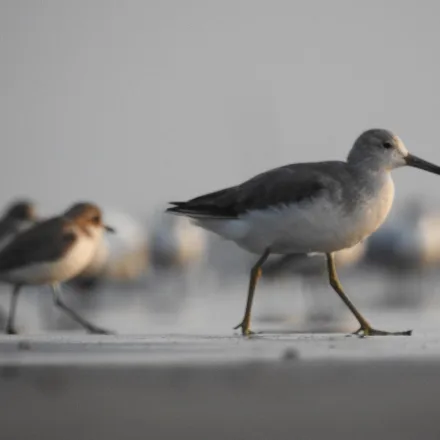
Nordmann's Greenshank Rare Endangered
Tringa guttifer
One of the world's rarest waders, a stocky greenshank that winters on Thai mudflats among thousands of commoner shorebirds.
Where: Tidal mudflats of the Krabi River estuary. Best: Nov-Mar, on a falling tide. The estuary is one of only a handful of Thai sites where this wader winters.
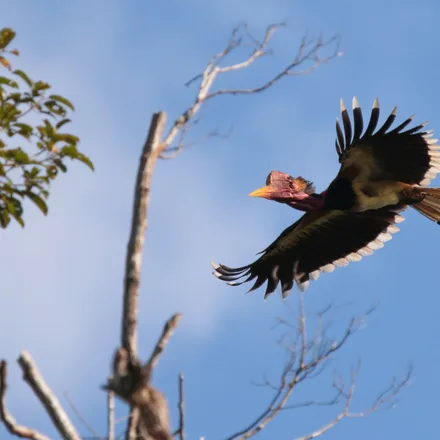
Helmeted Hornbill Very rare Critically Endangered
Rhinoplax vigil
A hornbill with a solid ivory casque, hunted to the brink for carving, whose call sounds like maniacal laughter.
Where: Tall lowland forest at Khao Nor Chuchi. Best: Year round, listen for the accelerating call. Poached almost to nothing for its solid casque. Hearing one is more likely than seeing one.
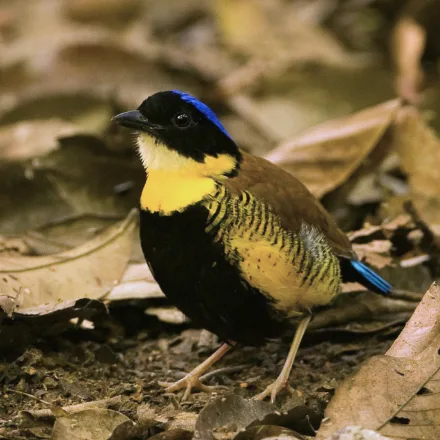
Gurney's Pitta Ultra rare Critically Endangered
Hydrornis gurneyi
A gorgeous blue-crowned pitta once thought extinct, rediscovered in Thailand and now teetering on the very edge.
Where: Lowland forest at Khao Nor Chuchi. Best: Historically Mar-Jun, at dawn. Khao Nor Chuchi was the last place in Thailand this bird was reliably found. There are no confirmed recent records and it is very likely gone from the country.
Reptiles
11 species
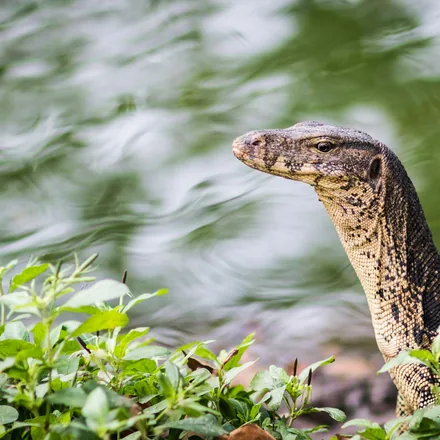
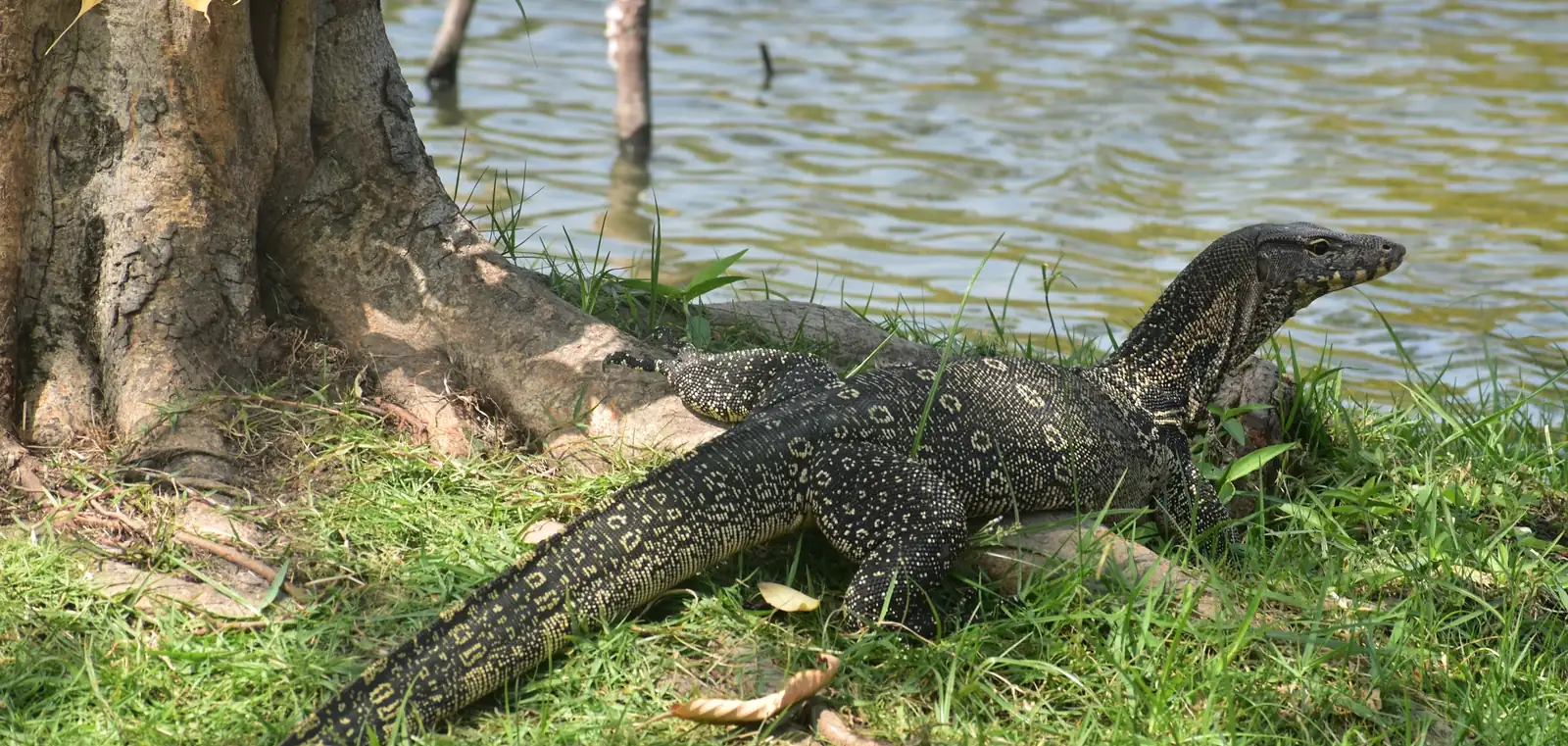
Asian Water Monitor Common
Varanus salvator
A dragon sized lizard that swims canals and city parks, second only to the Komodo dragon in length.
Where: Mangrove creeks, town canals and the riverside walkway. Best: Year round, day.
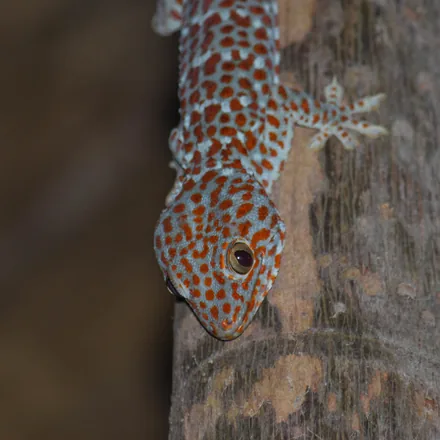
Tokay Gecko Common
Gekko gecko
A big, boldly spotted gecko whose loud TOH-kay call echoes through Thai nights and, by legend, brings luck if it calls seven times.
Where: Karst walls, cave mouths and buildings. Best: Year round, after dark. Heard before seen. The call is the loudest thing in a Krabi night.
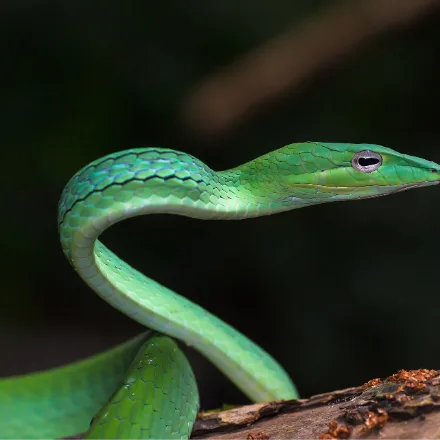
Oriental Whip Snake (Asian Vine Snake) Regular
Ahaetulla prasina
A snake so slender and green it looks like a hanging vine, with strange keyhole shaped pupils.
Where: Roadside scrub and mangrove edge. Best: Year round, day.
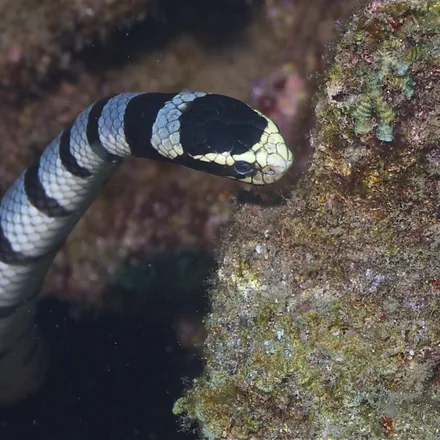
Banded Sea Krait Occasional
Laticauda colubrina
A sea snake that hunts eels underwater but must come ashore to rest, drink fresh water and lay its eggs.
Where: Shallow reef and rubble around the islands. Best: Nov-Apr.
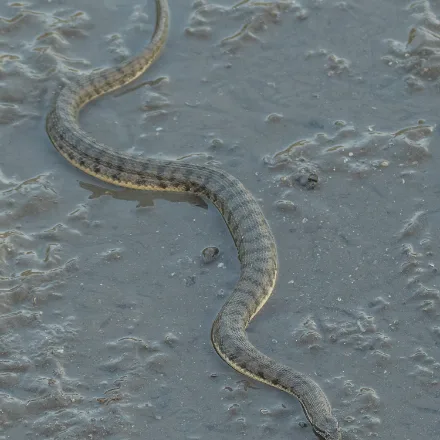
Dog-faced Water Snake Occasional
Cerberus schneiderii
Sidewinds across bare mudflats at low tide, one of very few snakes anywhere that moves that way.
Where: Mudflats and creek edges on a falling tide. Best: Year round, night.
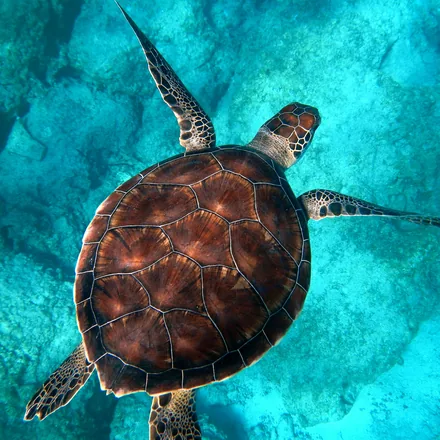
Green Sea Turtle Occasional Endangered
Chelonia mydas
The great grazing turtle of the tropics, the only sea turtle that turns vegetarian as an adult.
Where: Seagrass and shallow reef around the Hong Islands and Koh Poda. Best: Nov-Apr.
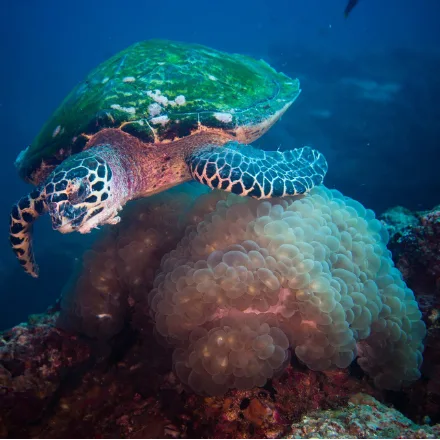
Hawksbill Turtle Occasional Critically Endangered
Eretmochelys imbricata
The reef's sponge specialist, its beautiful shell also the reason it was hunted to the edge.
Where: Coral around Koh Poda and Chicken Island. Best: Nov-Apr.
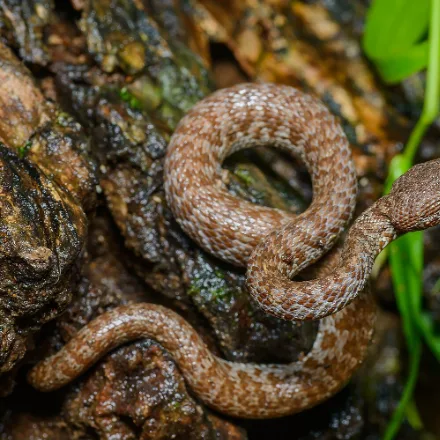
Mangrove Pit Viper Occasional
Trimeresurus purpureomaculatus
Hangs at head height in mangrove branches and is one of the few Thai snakes that will strike without much provocation.
Where: Branches over the creeks at Ao Thalane and along the estuary. Best: May-Oct, night.
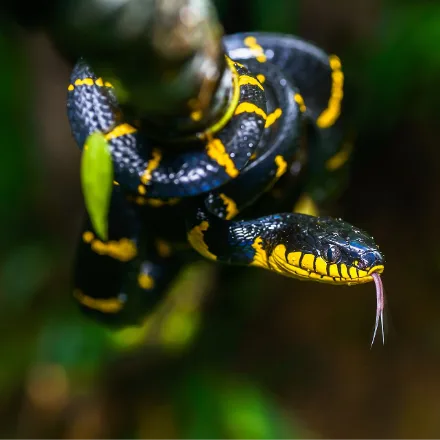
Mangrove Snake (Gold-ringed Cat Snake) Occasional
Boiga dendrophila
A glossy black tree snake laced with gold rings, prowling the mangroves after dark.
Where: Mangrove and riverine forest along the estuary. Best: May-Oct, night.
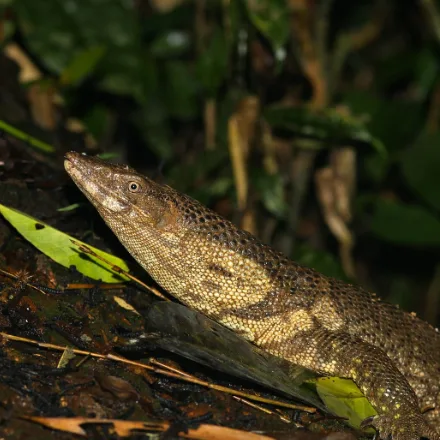
Dumeril's Monitor Rare
Varanus dumerilii
Hatches out with a brilliant orange head, and specialises almost entirely in eating crabs.
Where: Mangrove and swamp forest inland of the estuary. Best: Year round, day.
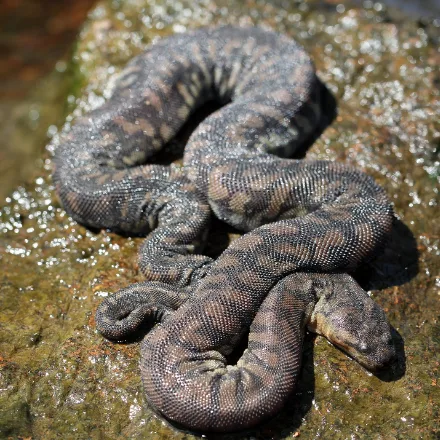
Little File Snake Rare
Acrochordus granulatus
Loose baggy skin covered in rasping granular scales, used to grip slippery fish that no smooth snake could hold.
Where: Turbid creek water and under moored boats. Best: Year round, night.
Amphibians
4 species
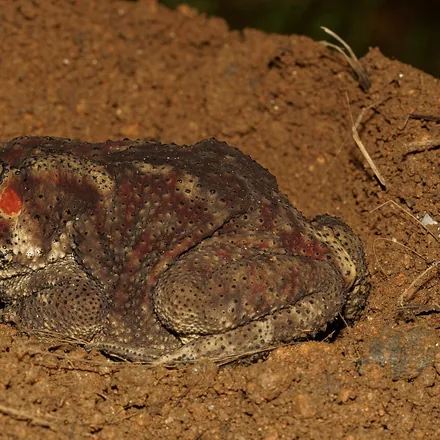
Asian Common Toad Common
Duttaphrynus melanostictus
The ubiquitous warty toad of doorsteps and gardens, hoovering up insects under every night light.
Where: Gardens, paths and lit areas after rain. Best: May-Oct, night.
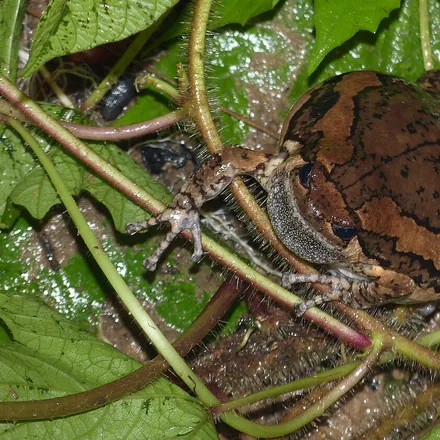
Banded Bullfrog (Chubby Frog) Common
Kaloula pulchra
A round, rubbery frog that inflates like a balloon when threatened and bellows like a cow after rain.
Where: Temporary pools and ditches after the first heavy rain. Best: May-Oct, night.
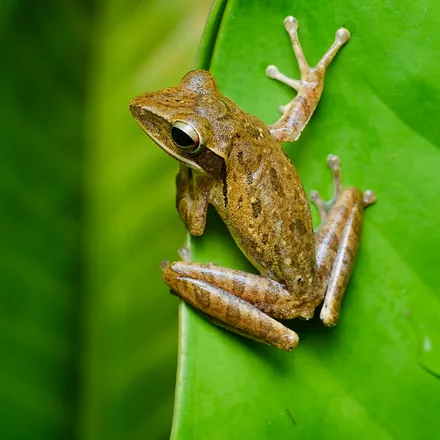
Common Tree Frog (Four-lined Tree Frog) Regular
Polypedates leucomystax
The tan tree frog of porch lights and bathrooms, which whips up foam nests that hang above the water.
Where: Vegetation over pools and resort gardens. Best: May-Oct, night.
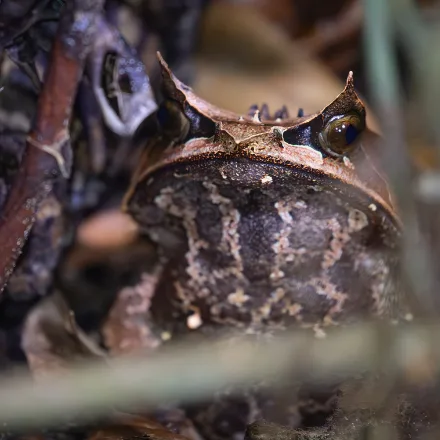
Malayan Horned Frog Rare
Pelobatrachus nasutus
A frog that looks exactly like a dead leaf, complete with horned eyelids and a pointed snout for a leaf tip.
Where: Leaf litter beside forest streams at Khao Phanom Bencha. Best: May-Oct, night.
Fish
7 species
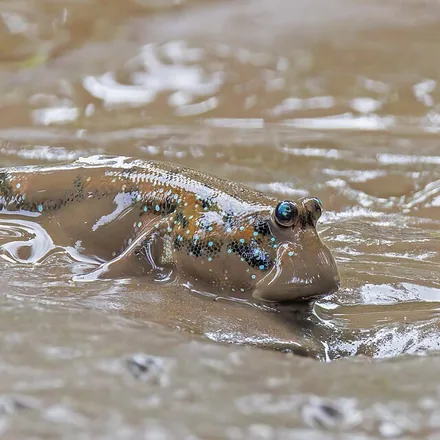
Giant Mudskipper Common
Periophthalmodon schlosseri
A fish that spends most of its life out of water, defending a mud territory with a raised sail of a dorsal fin.
Where: Mudflats at the estuary boardwalks and Ao Thalane. Best: Year round, low tide. The mangrove boardwalks put you a metre from them at low tide.
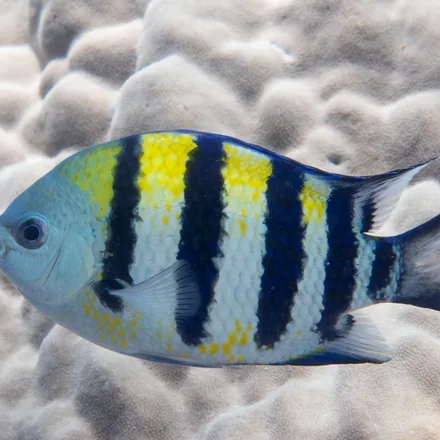
Sergeant Major Common
Abudefduf vaigiensis
The busy, black-striped damselfish that snorkellers meet everywhere, mobbing the shallows in restless silver shoals.
Where: Shallow reef and jetty pilings. Best: Year round, day.
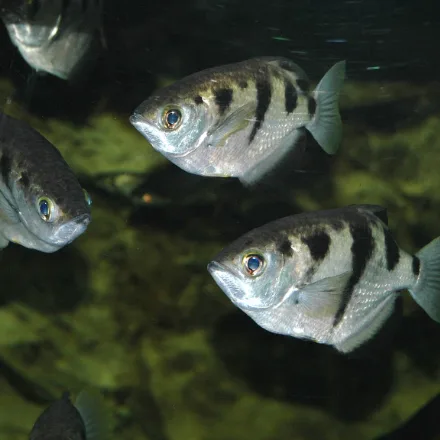
Banded Archerfish Regular
Toxotes jaculatrix
It shoots insects off overhanging leaves with a jet of water, correcting for refraction as it aims.
Where: Mangrove creeks, under overhanging leaves. Best: Year round, day. Watch for the spit rather than the fish.
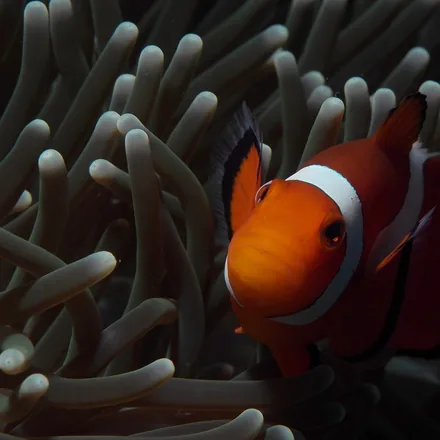
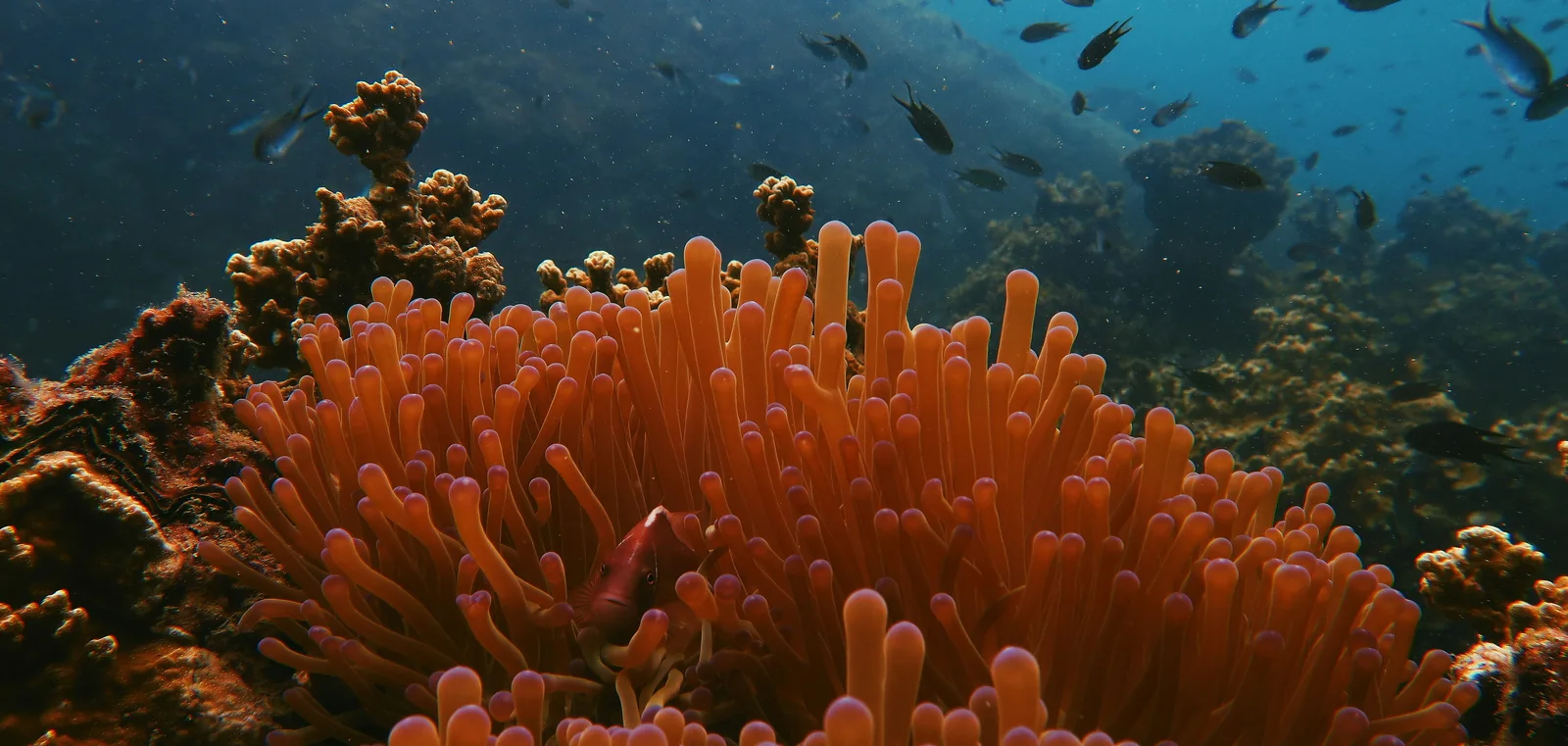
False Clownfish (Clown Anemonefish) Regular
Amphiprion ocellaris
The famous orange and white anemonefish, immune to the stinging tentacles that shelter it and every group ruled by a single dominant female.
Where: Anemones on the island reefs. Best: Nov-Apr.
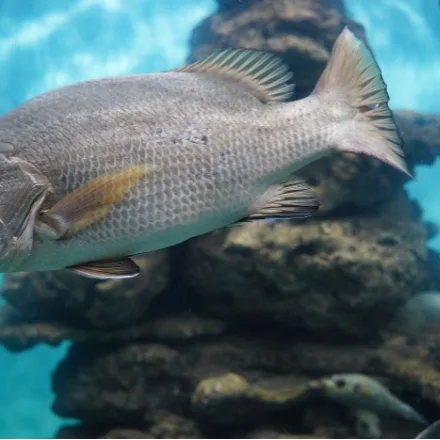
Barramundi Occasional
Lates calcarifer
Every barramundi starts life as a male and turns female at around four years old.
Where: Creek mouths and the estuary channel. Best: Year round, dawn and dusk.
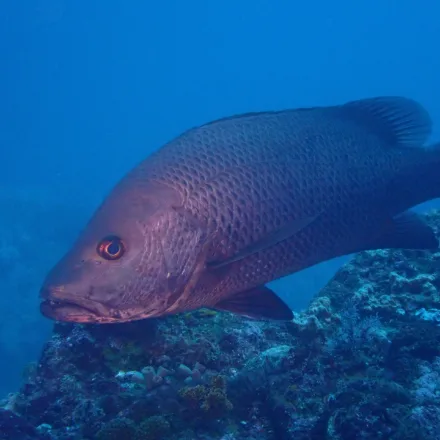
Mangrove Jack Occasional
Lutjanus argentimaculatus
Spends its youth in mangrove roots, then swims offshore to spend adulthood on a reef, a fish with two entirely separate lives.
Where: Under mangrove roots and sunken snags as juveniles. Best: Year round, day.
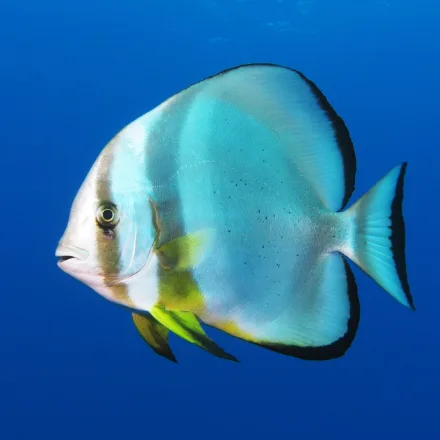
Orbicular Batfish Occasional
Platax orbicularis
A tall silver disc of a fish that drifts up curiously to inspect its own reflection in your mask.
Where: Reef edges and wrecks around the islands. Best: Nov-Apr.
Sharks and rays
4 species
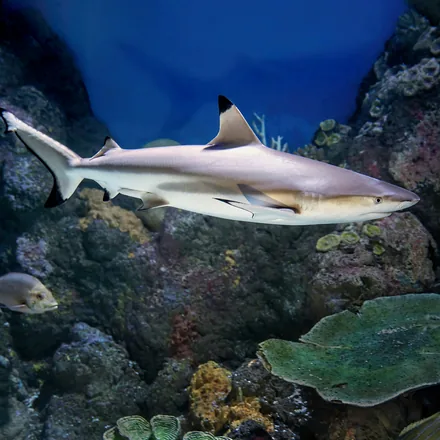
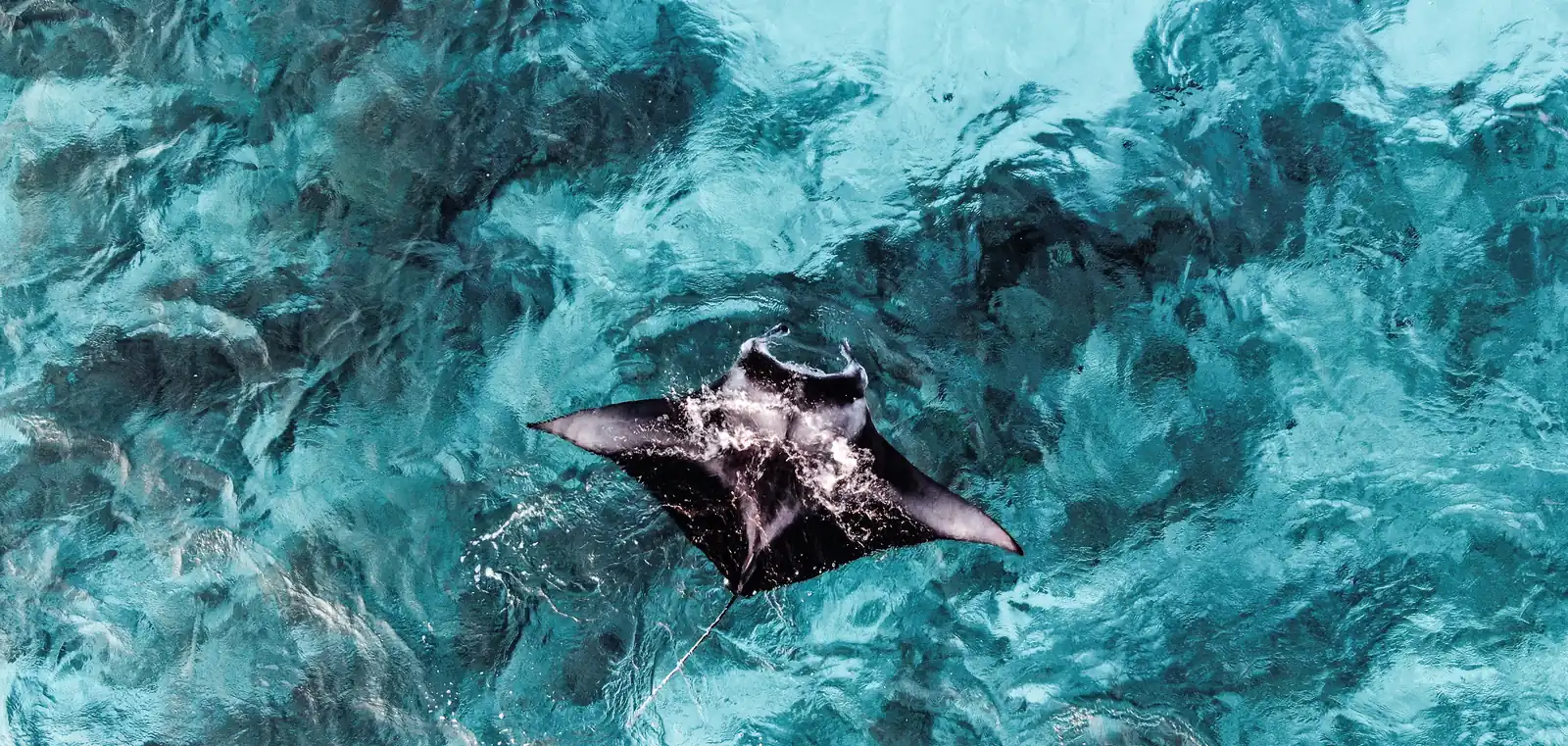
Blacktip Reef Shark Regular Vulnerable
Carcharhinus melanopterus
The neat little reef shark of the shallows, its black-tipped fins often cutting the surface over sun-lit sand flats.
Where: Shallow reef flats at Koh Poda, Chicken Island and the Hong group. Best: Nov-Apr, early morning. Often in water shallow enough to watch from a kayak.
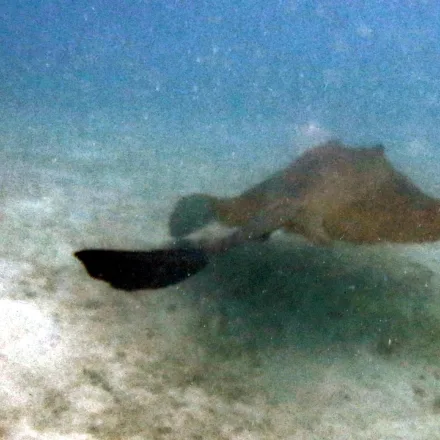
Cowtail Stingray Occasional Vulnerable
Pastinachus sephen
Named for the broad flap of skin hanging under its tail like a cow's tail, unique among rays.
Where: Silty shallows and estuary margins. Best: Year round, day.
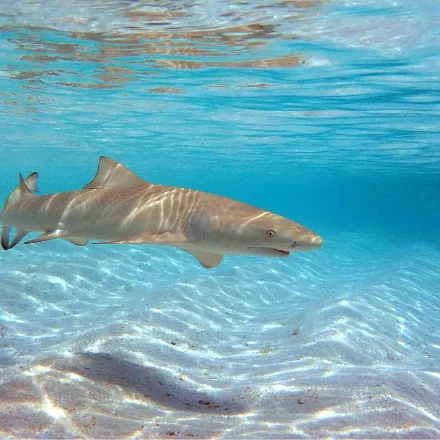
Sicklefin Lemon Shark Rare Endangered
Negaprion acutidens
A heavy, yellow-brown shark that uses mangrove shallows as a nursery and barely moves out of them for the first years of life.
Where: Mangrove-fringed shallow bays. Best: Nov-Apr.
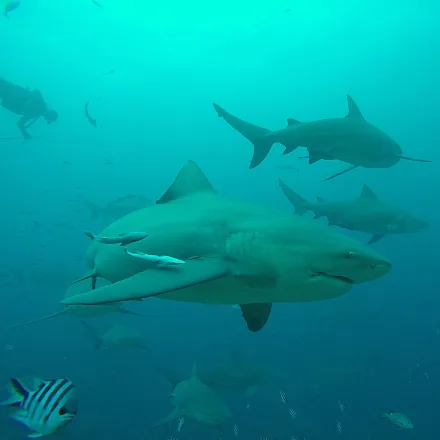
Bull Shark Very rare Vulnerable
Carcharhinus leucas
A thickset, powerful shark that tolerates fresh water and can swim far up rivers, making it one of the ocean's most adaptable predators.
Where: Turbid water off the river mouth. Best: Year round.
Insects
3 species
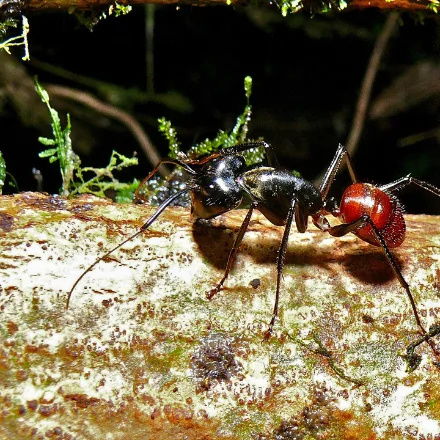
Giant Forest Ant Regular
Camponotus gigas
One of the largest ants on earth, and colonies keep a standing army of soldiers whose only job is to fight border wars with the neighbours.
Where: Trunks at Khao Phanom Bencha and Than Bok Khorani. Best: Year round, night.
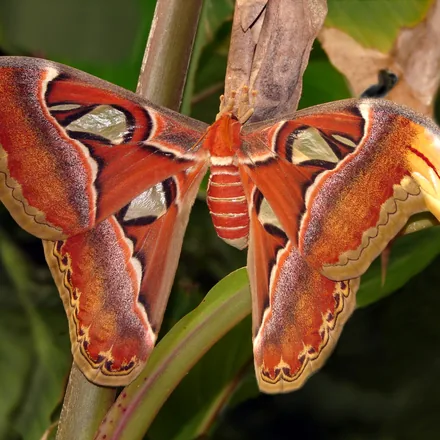
Atlas Moth Occasional
Attacus atlas
One of the largest moths on Earth, its wingtips shaped and coloured like a cobra's head.
Where: Lights at forest-edge accommodation. Best: Mar-Jun and Sep-Nov, night.
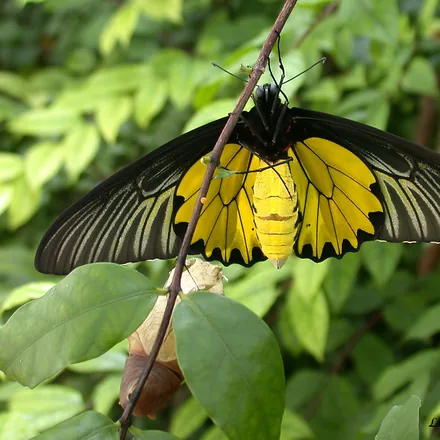
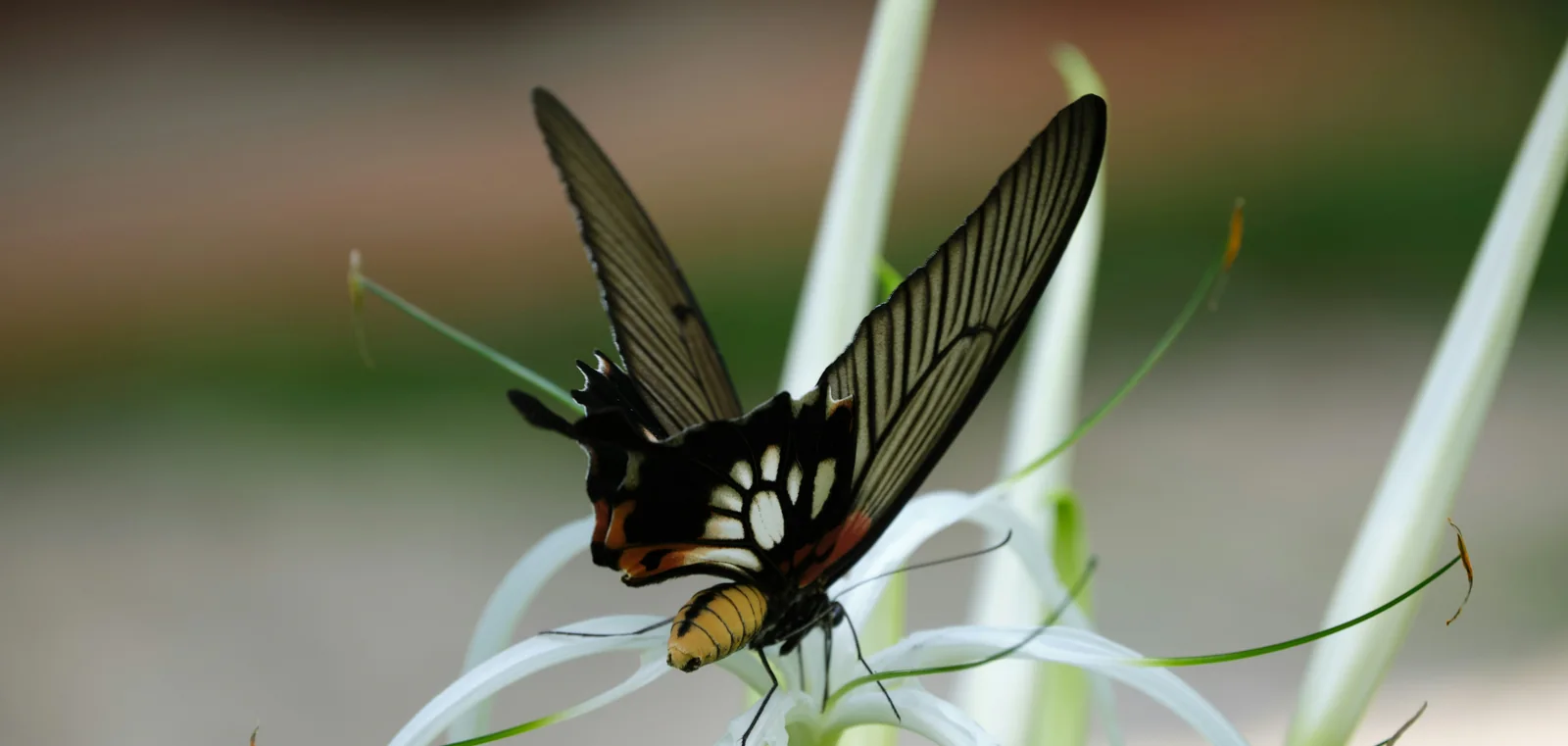
Golden Birdwing Occasional
Troides aeacus
A huge butterfly with black forewings and blazing golden hindwings, sailing high along the forest edge.
Where: Flowering forest edges at Than Bok Khorani. Best: Feb-May, sunny mornings.
Spiders and scorpions
2 species
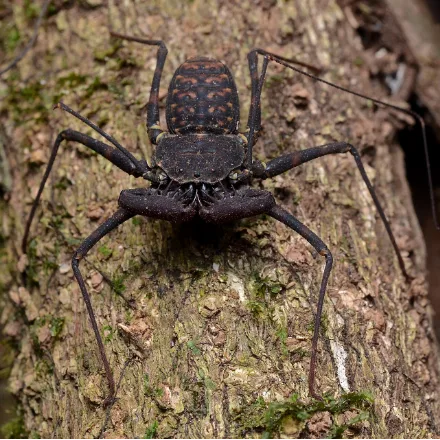
Tailless Whip Scorpion Regular
Phrynichus orientalis
Looks genuinely alarming and is completely harmless: no venom, no sting, and a pair of legs converted into three foot feelers.
Where: Cave mouths and karst overhangs at Railay and Than Bok Khorani. Best: Year round, night. Harmless, and the Railay caves are one of the easiest places in Thailand to see one.
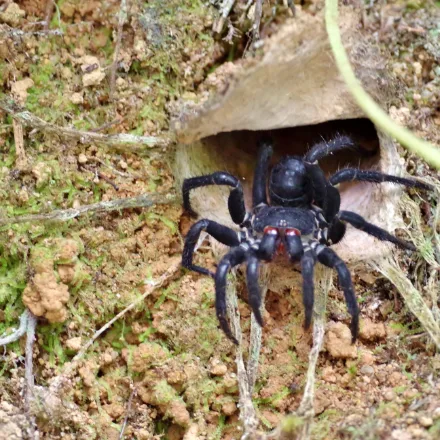
Segmented Trapdoor Spider Rare
Liphistius sp.
The most primitive spiders alive, with a visibly segmented abdomen, essentially unchanged for 300 million years.
Where: Shaded earth banks on the limestone trails. Best: May-Oct, night.
Corals and anemones
1 species
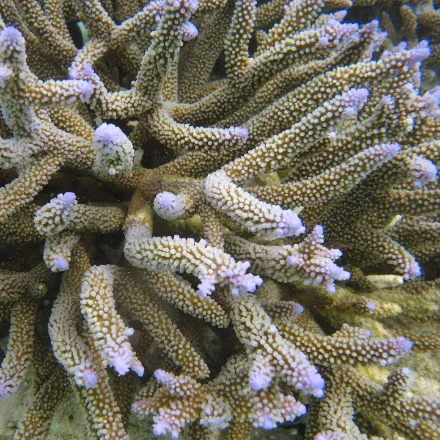
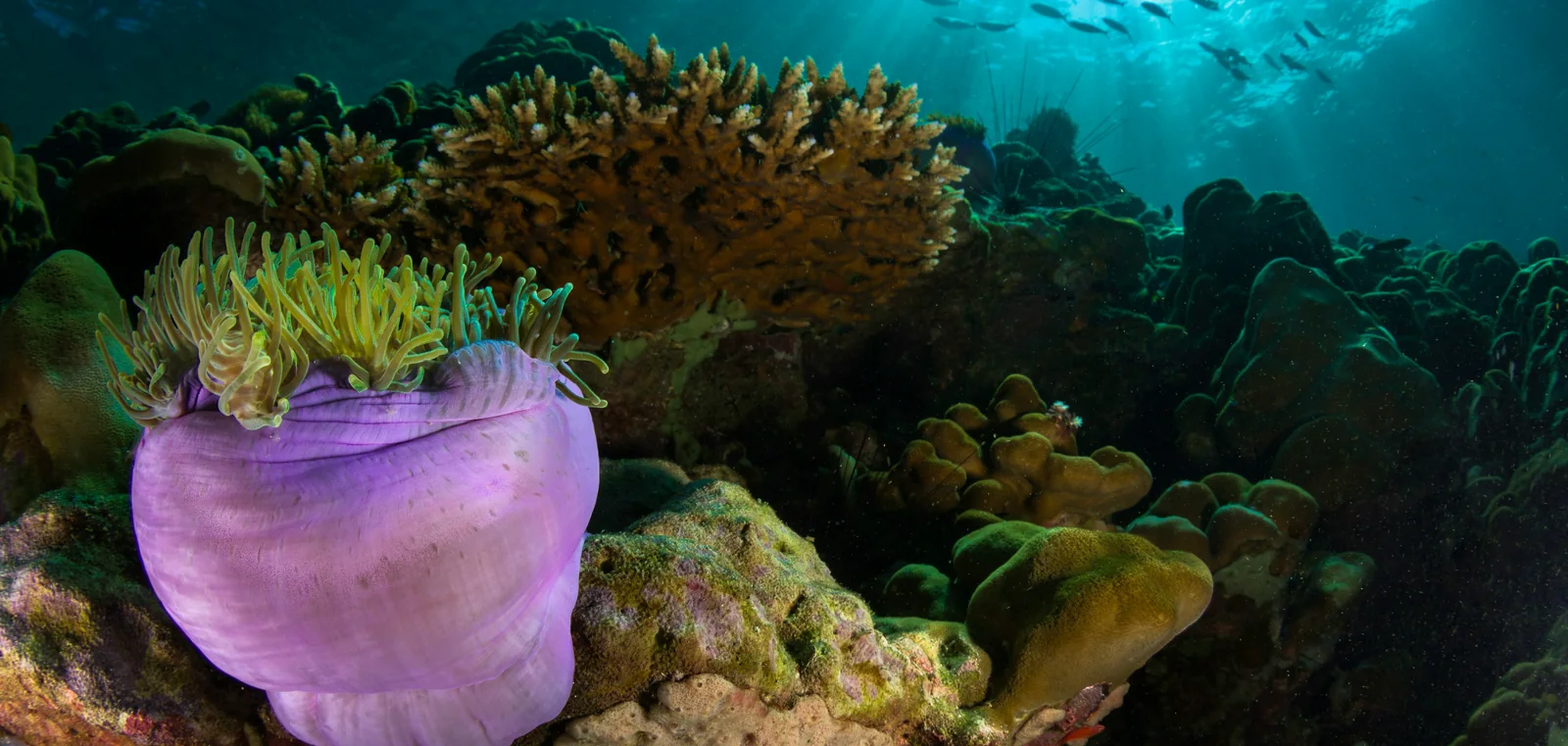
Staghorn Coral Common
Acropora species
The fast-growing branching coral that builds the living thickets of the reef, nursery and shelter for a whole community.
Where: Shallow reef flats around the islands. Best: Nov-Apr.
Crustaceans
3 species
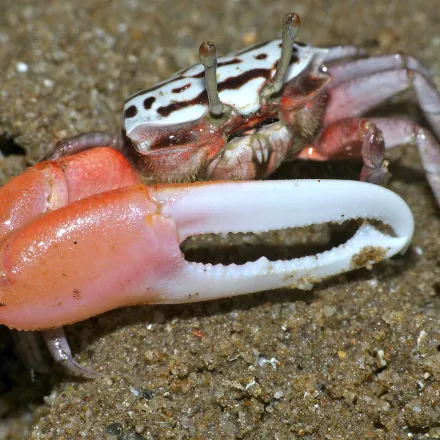
Fiddler Crab Common
Austruca annulipes
The male's oversized claw is useless for feeding, so he has to do everything with the small one while waving the big one at females.
Where: Mudflats at every mangrove boardwalk. Best: Year round, low tide. Thousands of them, and the males wave the big claw at each other constantly.
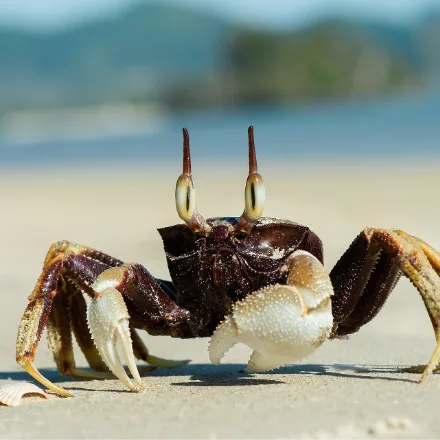
Horn-eyed Ghost Crab Common
Ocypode ceratophthalmus
The fastest crab on earth, clocked at over two metres a second, and it growls at intruders from inside its burrow.
Where: Sandy beaches at Ao Nang and the islands. Best: Year round, night.
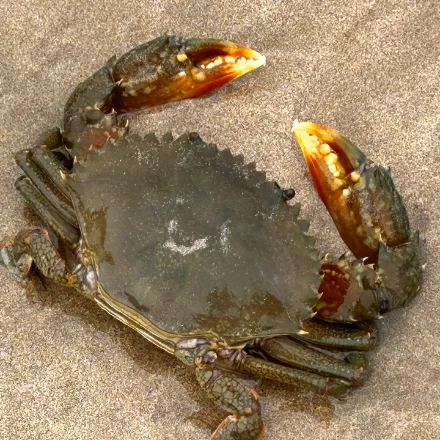
Giant Mud Crab Regular
Scylla serrata
The claws can generate enough force to crush a large clam, and will take a finger off without much trouble.
Where: Mangrove root systems and creek banks. Best: Year round, night.
Other invertebrates
1 species
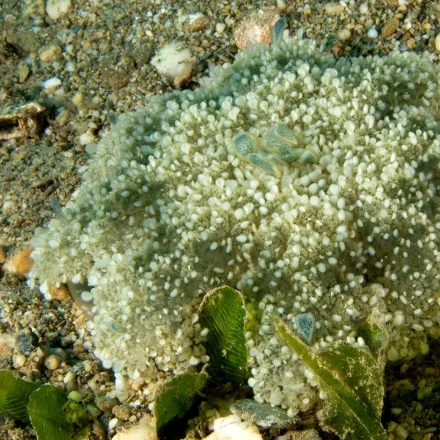
Upside-down Jellyfish Regular
Cassiopea andromeda
Lies on the seabed with its tentacles pointing at the sky, farming algae inside its own tissue like a coral.
Where: Sheltered mangrove lagoons at Ao Thalane and inside the Hong Islands. Best: Year round, day.
Planning and responsible watching
Krabi rewards splitting the day rather than picking one place. Dawn on the estuary boardwalks for the pitta, kingfishers and the waders on a falling tide, the middle of the day on the islands or in the forest, and the cliff paths at Railay in the last hour of light when the langurs come down to feed. Tide matters more than time on the mudflats: a falling tide is what brings the mudskippers, crabs and shorebirds out. The macaques at Railay and the cave temples are habituated and confident, so keep bags closed, never feed them, and do not photograph anyone holding or posing with one. On the water, choose kayak and longtail operators who keep their distance from roosting birds and do not land on the fragile lagoon edges inside the Hong Islands.
What to see in Krabi in January, month by month
Find Krabi wildlife tours, mangrove kayaking and island trips
Some links on this page are affiliate links. If you book through them, Wildseer may earn a small commission at no extra cost to you.
Frequently asked questions
What wildlife can you see in Krabi?
Dusky langurs and long-tailed macaques on the limestone, mudskippers, fiddler crabs, monitors and kingfishers in the mangroves, blacktip reef sharks and turtles off the islands, and hornbills in the forest at Khao Phanom Bencha.
Where can you see monkeys in Krabi?
Dusky langurs on the cliffs and forest edge at Railay, which is the most reliable place in Thailand to watch them, and long-tailed macaques around the cave temples and the Ao Nang headlands. Do not feed either.
Is Krabi good for birdwatching?
Better than its reputation. The Krabi River estuary is one of a handful of Thai sites where Nordmann’s greenshank winters, and the mangrove boardwalks are the country’s most dependable place for mangrove pitta between February and June.
When is the best time to visit Krabi for wildlife?
November to April, the dry season, for calm water and comfortable trails. The waders are there from November to March, the mangrove pitta calls from February to June, and the green season from May to October is far better for frogs, snakes and insects.
Can you see sharks in Krabi?
Yes, and safely. Blacktip reef sharks patrol the shallow reef flats at Koh Poda, Chicken Island and the Hong group, often in water shallow enough to watch from a kayak. They are harmless to people and are usually seen early in the morning.
Explore Thailand wildlife by group
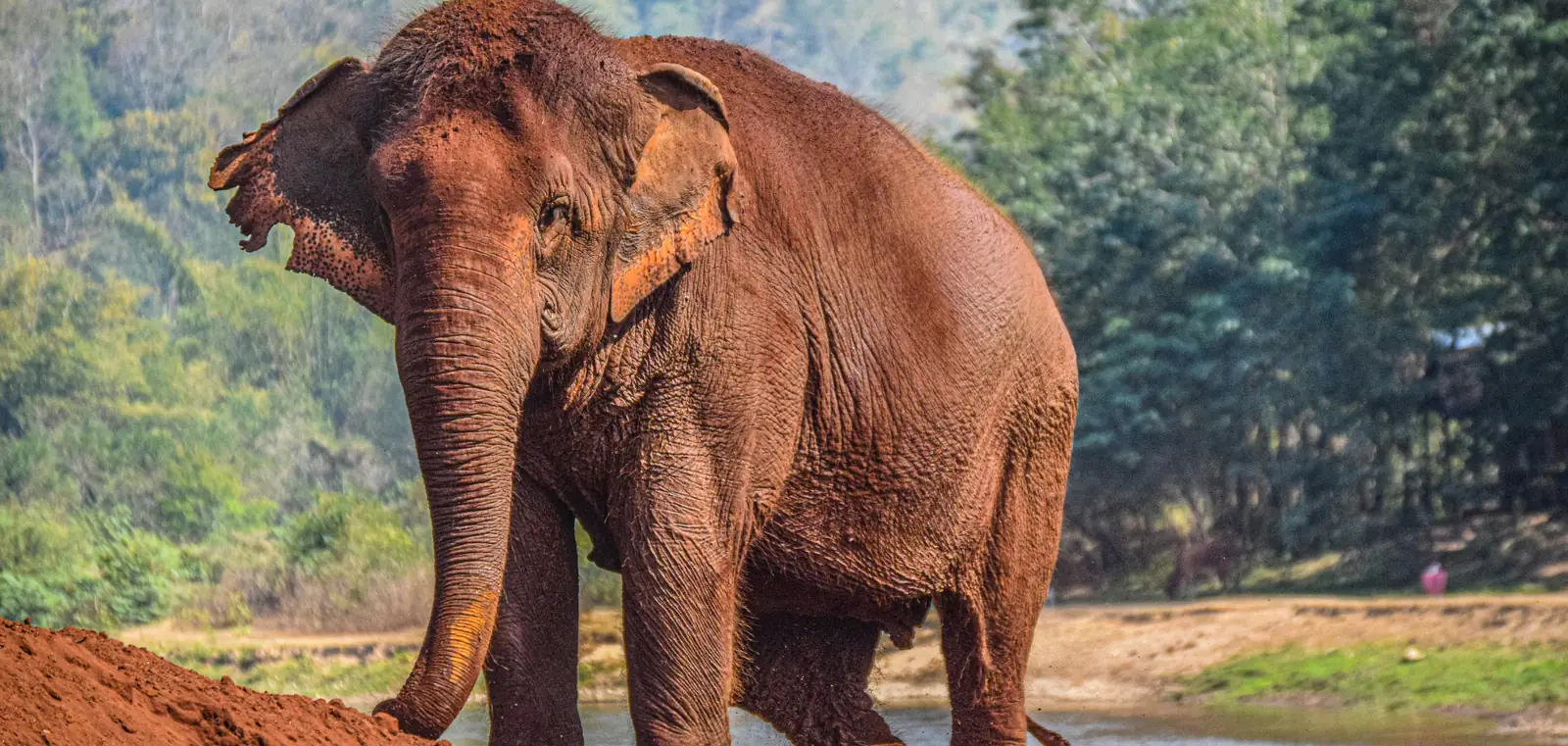 Mammals of Thailand
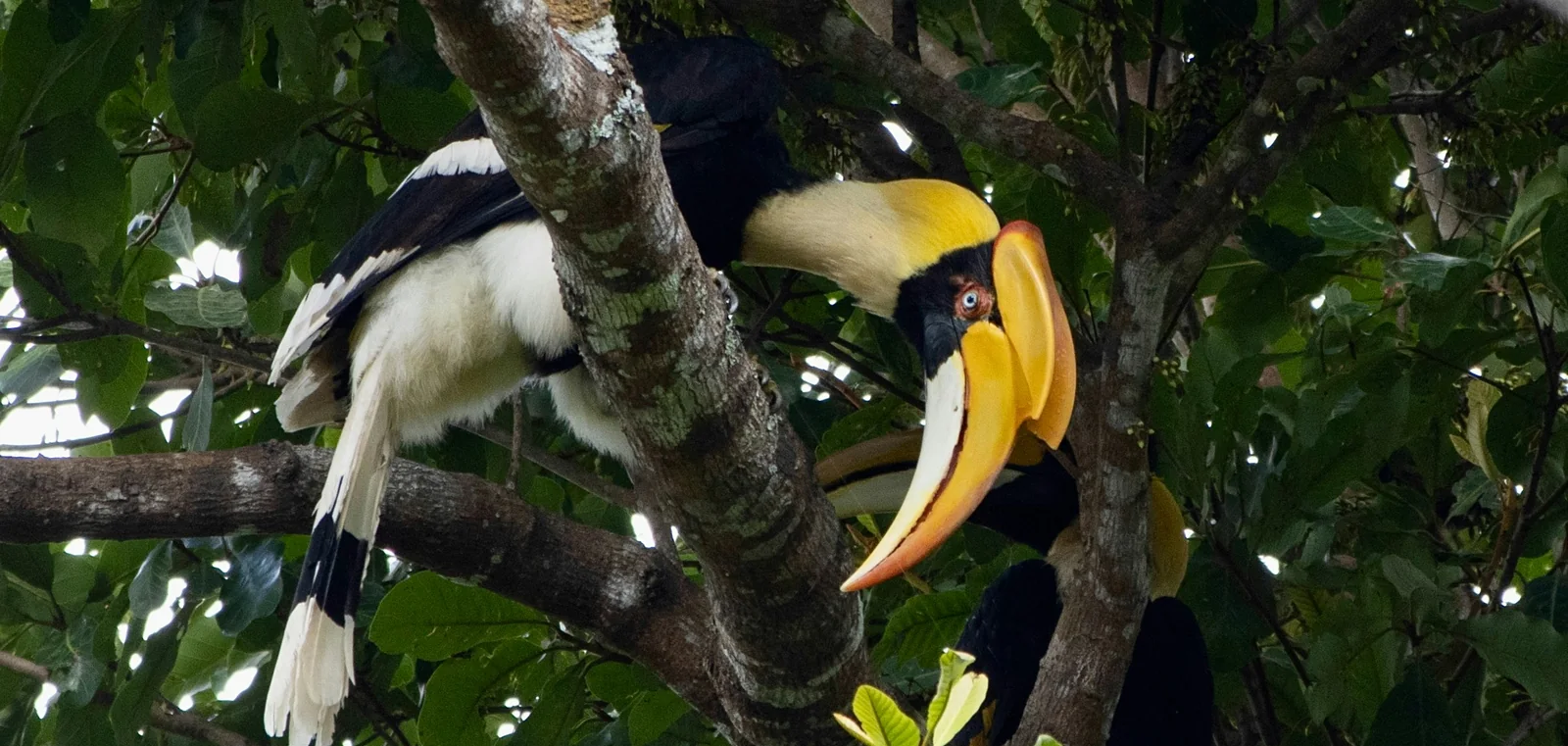 Birds of Thailand
 Reptiles and Amphibians of Thailand
 Fish of Thailand
 Sharks and Rays of Thailand
 Reef Invertebrates of Thailand
 Insects and Spiders of Thailand
Part of the Wildlife in Thailand guide.
Explore Thailand wildlife by place