
[HERO IMAGE: replace this block with an Image block, class ws-hero, alignment None]
Huai Kha Khaeng is the most important wildlife area in Thailand and the least available to visitors. Together with neighbouring Thung Yai it forms a World Heritage site large enough to hold a breeding tiger population, banteng, gaur, dhole and Eld’s deer in dry dipterocarp forest that looks like African savanna in the hot months.
Be clear about access before planning anything. This is a wildlife sanctuary, not a national park: the core is closed to general visitors, and what is open is a small area near the headquarters with a research and education focus, usually arranged in advance. Most people will experience it as a place they have read about rather than driven through. This page lists what the guide records for Huai Kha Khaeng: what is here, the season, and honest odds.
Highlights
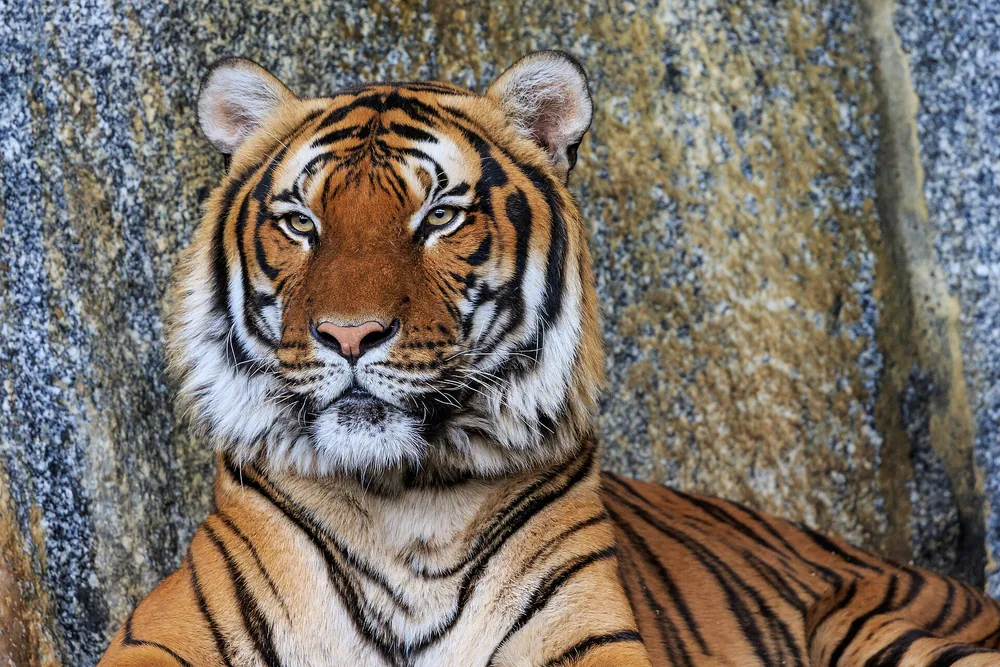
Indochinese Tiger
The largest cat in Asia and its top predator, a striped ghost most people only ever know from a paw print. Where: The core zone, closed to general visitors. Best: Nov-Apr, dawn and dusk.
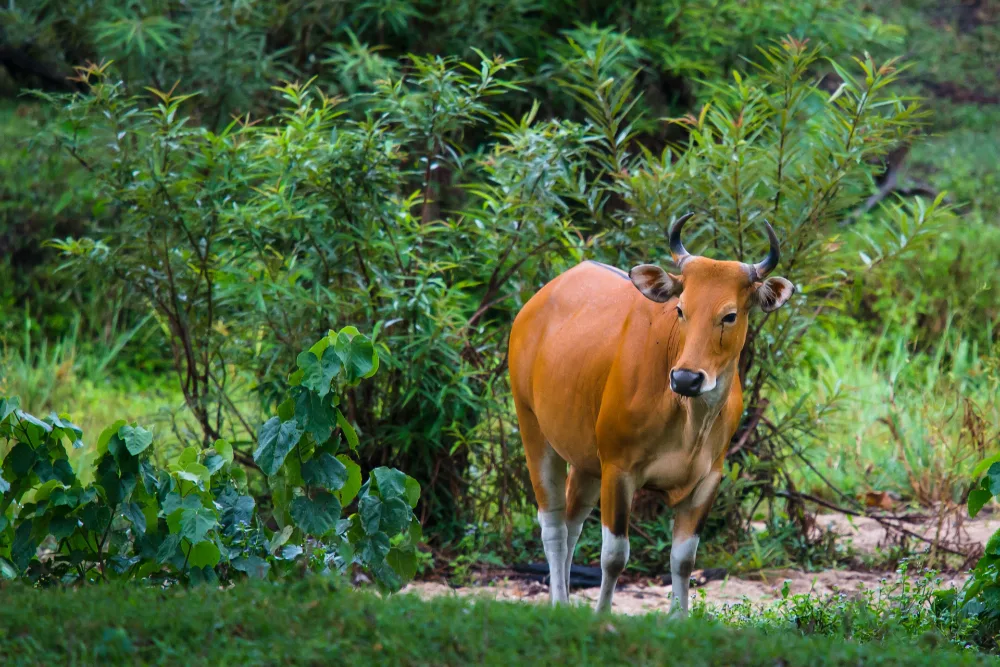
Banteng
A sleek wild ox with a white rump patch and white stockings, far rarer and more elegant than the domestic cattle it resembles. Where: Grassland and dry dipterocarp forest. Best: Nov-Apr, dusk, best Feb-Apr at the salt licks.
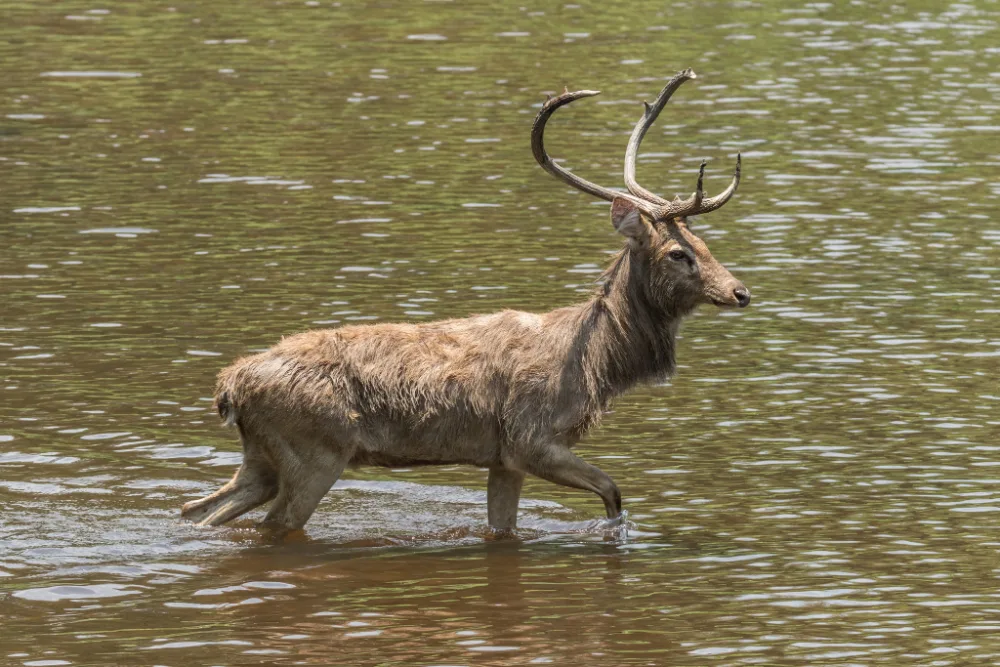
Eld's Deer (Brow-antlered Deer)
An elegant deer whose antlers sweep forward in a great bow, a grassland specialist now clinging on in a few reserves. Where: Open dry forest in the sanctuary interior. Best: Nov-Apr, early morning, best Feb-Apr once the leaves are down.
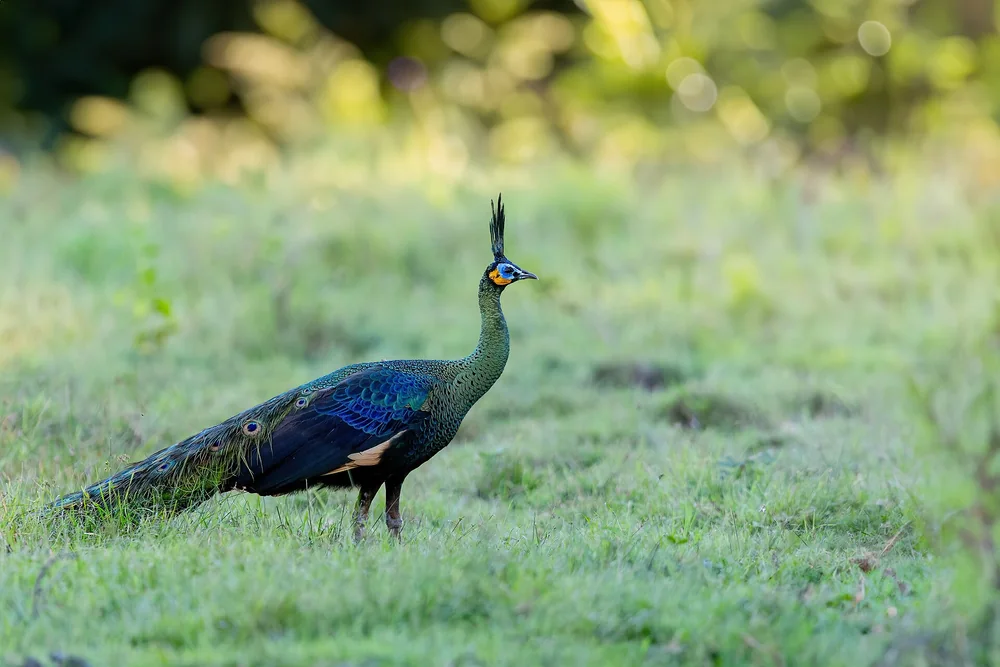
Green Peafowl
The wild, and far rarer, cousin of the familiar peacock, with metallic green plumage and a towering train. Where: Riverine grassland and dry forest clearings. Best: Dec-Apr, dawn, listen for the call.
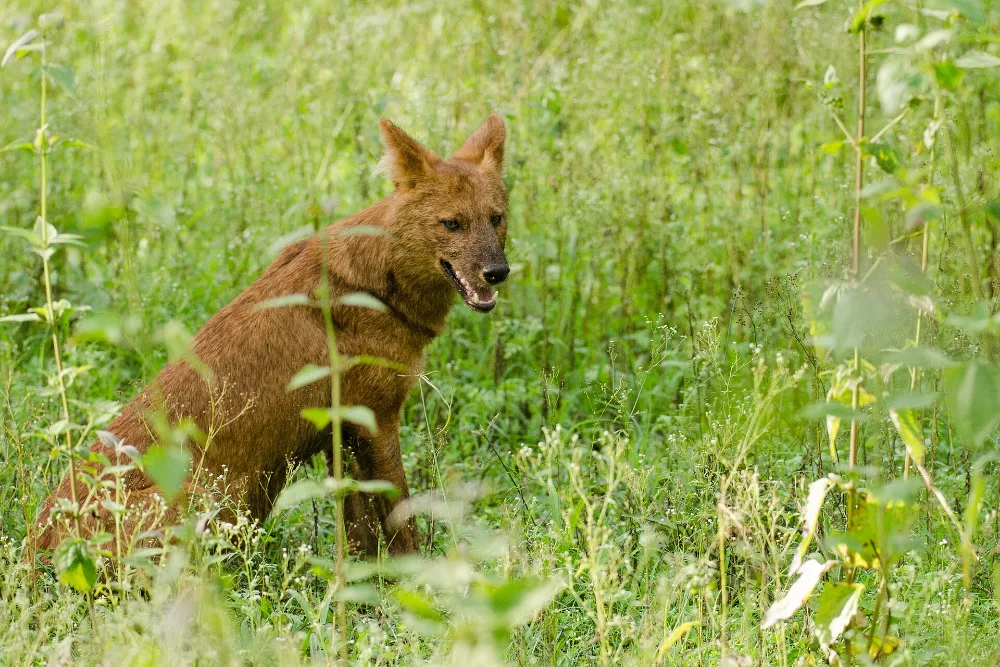
Dhole (Asiatic Wild Dog)
A russet red pack hunter that whistles to coordinate the chase, one of Asia's most endangered predators. Where: Dry forest and grassland openings. Best: Nov-Apr, morning, best Feb-Apr.
Mammals
12 species
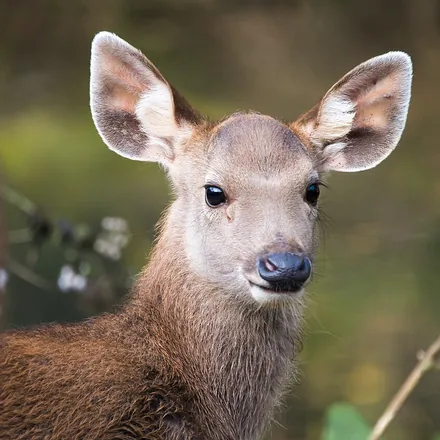
Sambar Deer Common Vulnerable
Rusa unicolor
Asia's largest deer, and often a park's most dependable big animal, with stags carrying rugged three tined antlers.
Where: Throughout the dry forest. Best: Year round, dusk.
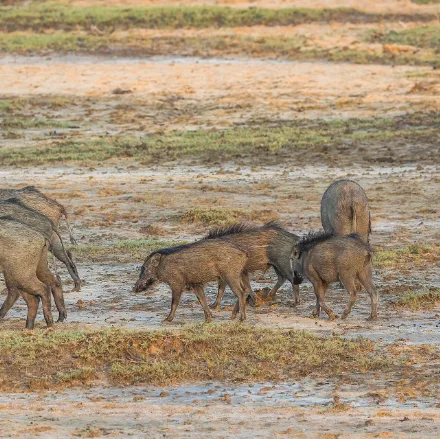
Wild Boar Common
Sus scrofa
The rugged wild pig at the base of the food chain, rooting up the forest and feeding the region's great predators.
Where: Throughout. Best: Year round, dusk.
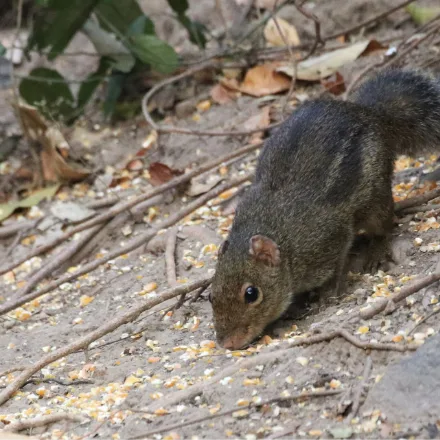
Indochinese Ground Squirrel Regular
Menetes berdmorei
A ground-loving squirrel of open forest and field edges, striped along the flanks and rarely up a tree.
Where: Dry dipterocarp forest floor. Best: Year round, day.
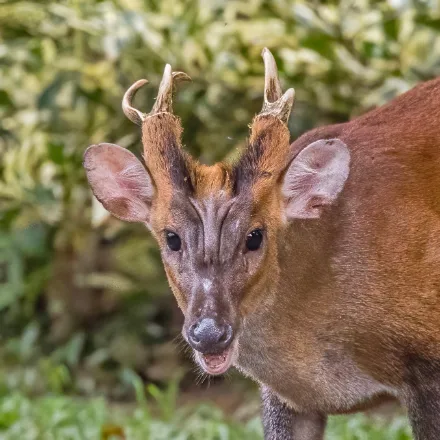
Northern Red Muntjac Regular
Muntiacus vaginalis
The barking deer of Thai forests, a small russet deer whose sharp, dog-like alarm call rings through the trees.
Where: Track and forest edges. Best: Year round, dawn and dusk.
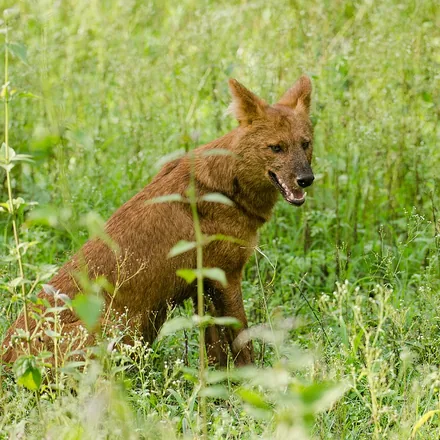
Dhole (Asiatic Wild Dog) Occasional Endangered
Cuon alpinus
A russet red pack hunter that whistles to coordinate the chase, one of Asia's most endangered predators.
Where: Dry forest and grassland openings. Best: Nov-Apr, morning, best Feb-Apr.
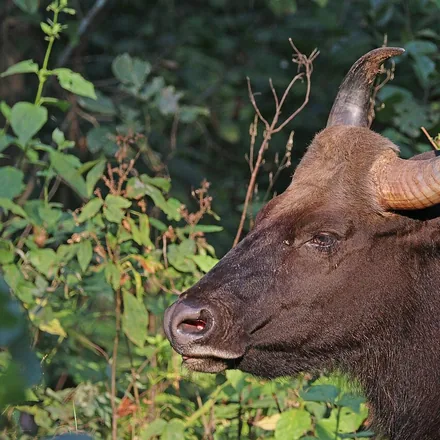
Gaur Occasional Vulnerable
Bos gaurus
The largest wild cattle on Earth, a muscle bound giant that dwarfs any farm cow.
Where: Grassland edges and salt licks. Best: Nov-Apr, dawn, best Feb-Apr.
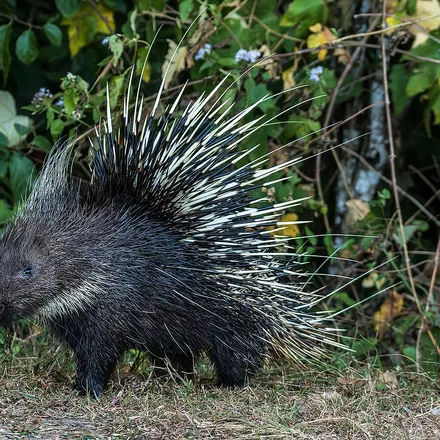
Malayan Porcupine Occasional
Hystrix brachyura
A large, ground-dwelling porcupine that rattles a crown of black-and-white quills when threatened.
Where: Track edges at night. Best: Year round, night.
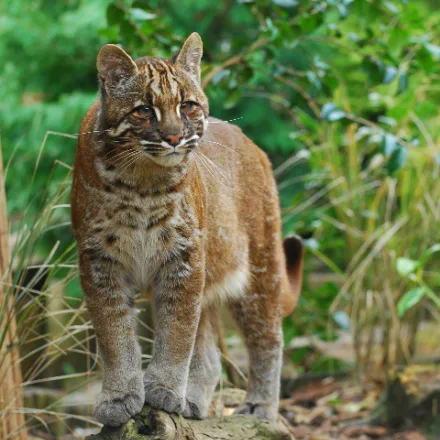
Asian Golden Cat Rare Near Threatened
Catopuma temminckii
A powerful, foxy-red forest cat of medium size, secretive enough that much of its life remains a mystery.
Where: Forest edges in the core zone. Best: Nov-Apr, dawn and dusk.
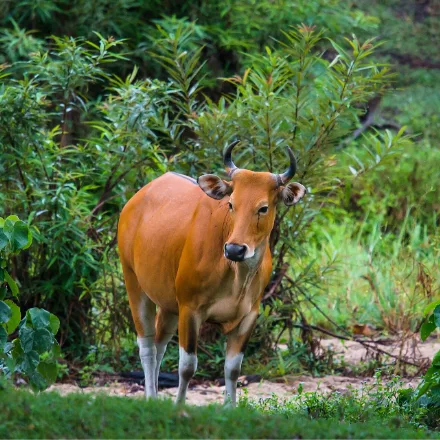
Banteng Rare Endangered
Bos javanicus
A sleek wild ox with a white rump patch and white stockings, far rarer and more elegant than the domestic cattle it resembles.
Where: Grassland and dry dipterocarp forest. Best: Nov-Apr, dusk, best Feb-Apr at the salt licks. Huai Kha Khaeng holds Thailand's most significant banteng population.
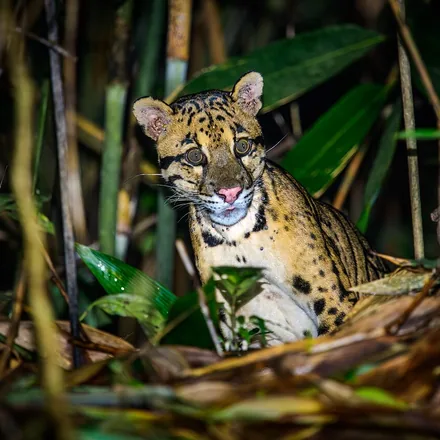
Clouded Leopard Rare Vulnerable
Neofelis nebulosa
Perhaps the most beautiful cat you will almost certainly never see, cloud blotched, tree climbing and maddeningly elusive.
Where: Deep forest in the core zone. Best: Nov-Apr, night, best Feb-Apr.
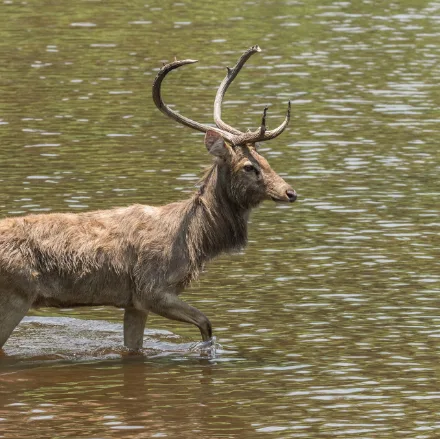
Eld's Deer (Brow-antlered Deer) Rare Endangered
Rucervus eldii
An elegant deer whose antlers sweep forward in a great bow, a grassland specialist now clinging on in a few reserves.
Where: Open dry forest in the sanctuary interior. Best: Nov-Apr, early morning, best Feb-Apr once the leaves are down.
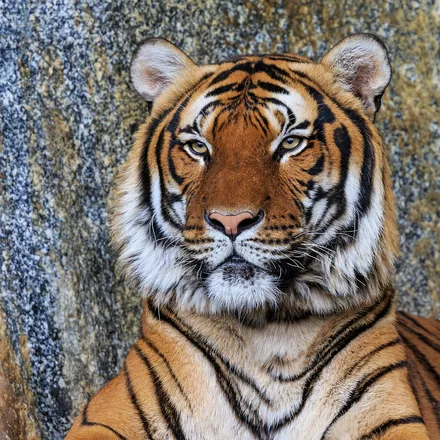
Indochinese Tiger Very rare Endangered
Panthera tigris
The largest cat in Asia and its top predator, a striped ghost most people only ever know from a paw print.
Where: The core zone, closed to general visitors. Best: Nov-Apr, dawn and dusk. The most important tiger population in Southeast Asia, and deliberately unreachable. Access is by permit and research programme only.
Birds
5 species
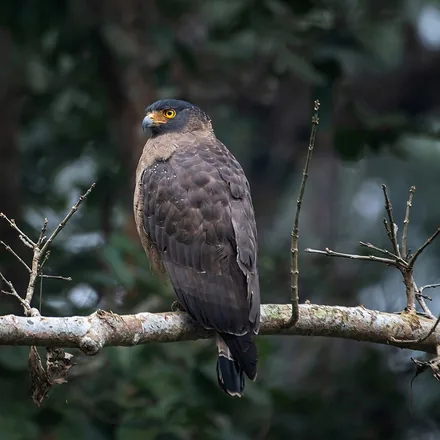
Crested Serpent Eagle Common
Spilornis cheela
A snake-hunting eagle that circles the forest on broad wings, calling with a far-carrying, wailing whistle.
Where: Perched over open forest. Best: Year round, day.
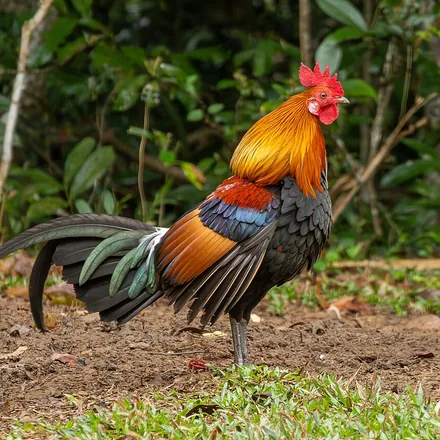
Red Junglefowl Common
Gallus gallus
The wild ancestor of every chicken on Earth, a wary, glossy rooster of the forest edge.
Where: Forest tracks and edges. Best: Year round, day.
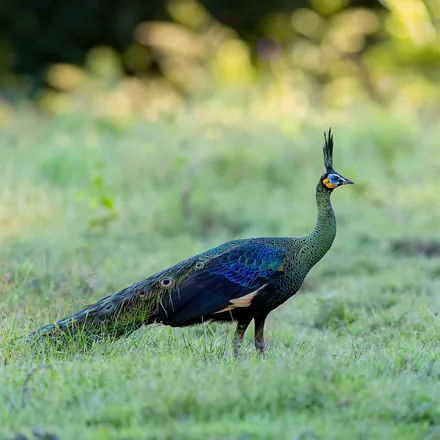
Green Peafowl Occasional Endangered
Pavo muticus
The wild, and far rarer, cousin of the familiar peacock, with metallic green plumage and a towering train.
Where: Riverine grassland and dry forest clearings. Best: Dec-Apr, dawn, listen for the call. One of the last strongholds in Thailand.
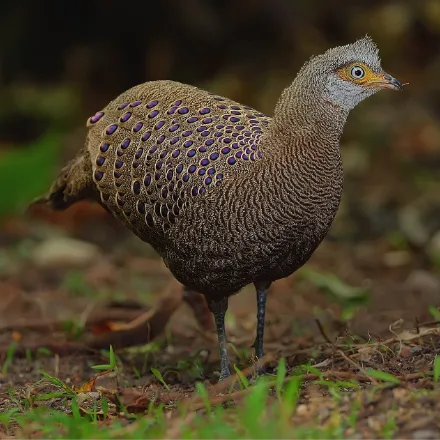
Grey Peacock-Pheasant Occasional
Polyplectron bicalcaratum
A shy forest pheasant spangled with iridescent eyespots that flash blue-green when it displays.
Where: Evergreen patches at first light. Best: Year round, dawn.
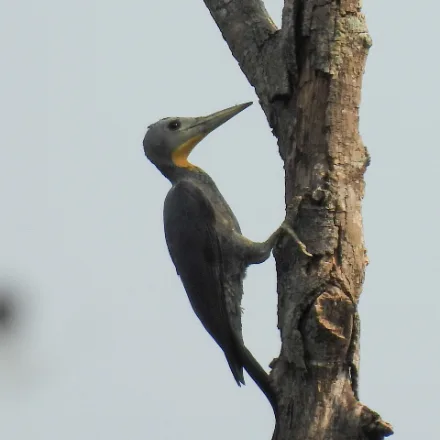
Great Slaty Woodpecker Rare Vulnerable
Mulleripicus pulverulentus
The largest woodpecker in Asia, a long-necked grey giant that travels the tall forest in noisy family bands.
Where: Tall dipterocarps in the dry forest. Best: Year round, morning.
Reptiles
7 species
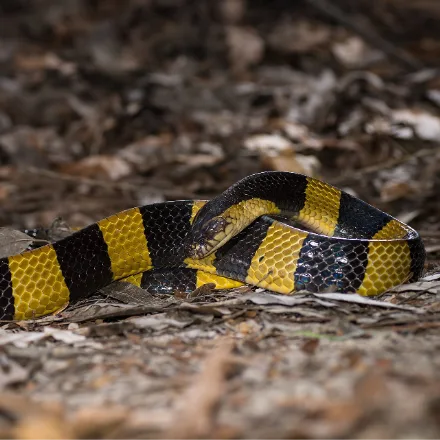
Banded Krait Occasional
Bungarus fasciatus
Unmistakable in bold black and yellow bands, a powerfully venomous snake that is oddly timid after dark.
Where: Tracks after rain. Best: May-Oct, night.
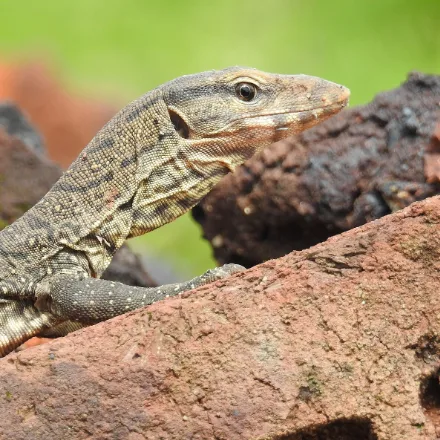
Bengal Monitor Occasional
Varanus bengalensis
A dry-country monitor that climbs well, digs constantly and eats essentially anything smaller than itself.
Where: Dry forest floor and termite mounds. Best: Year round, warm hours.
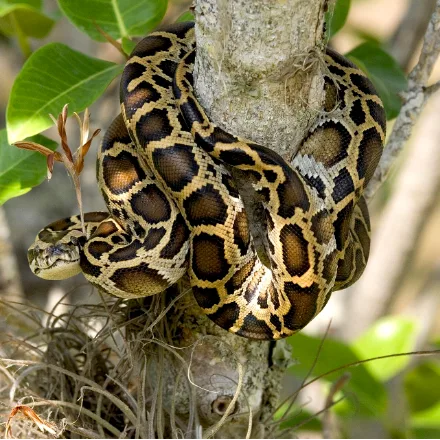
Burmese Python Occasional Vulnerable
Python bivittatus
One of the largest snakes on Earth, a giant constrictor that can swallow prey the size of a deer.
Where: Grassland margins and waterholes. Best: Nov-Apr, day.
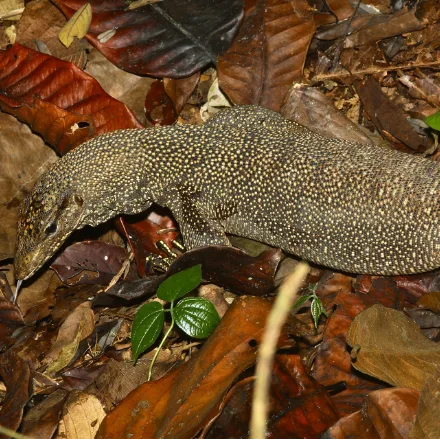
Clouded Monitor Occasional
Varanus nebulosus
A more terrestrial, forest loving cousin of the water monitor, often seen digging for beetles and crabs.
Where: Forest floor and low trunks. Best: Year round, day.
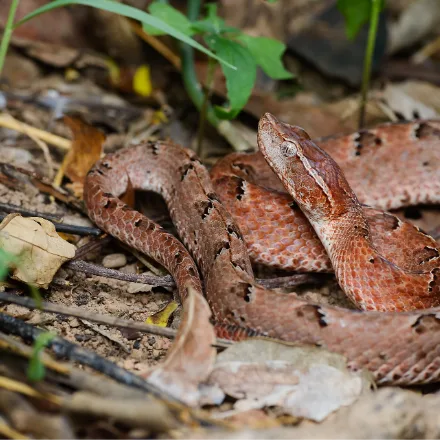
Malayan Pit Viper Occasional
Calloselasma rhodostoma
A short, bad tempered viper that lies still on the forest floor and bites more people in the region than almost any other snake.
Where: Leaf litter on the forest floor. Best: May-Oct, night.
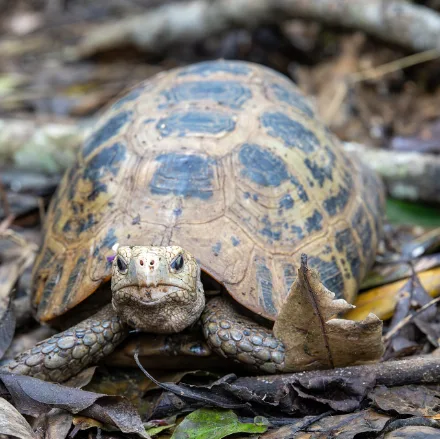
Elongated Tortoise Rare Critically Endangered
Indotestudo elongata
A forest tortoise whose pale head flushes pink around the eyes and nose in the breeding season.
Where: Dry forest floor after rain. Best: May-Oct.
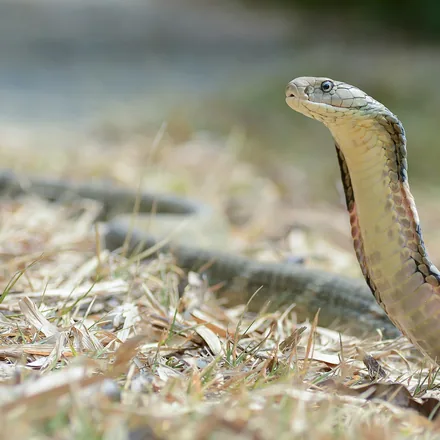
King Cobra Rare Vulnerable
Ophiophagus hannah
The world's longest venomous snake, and one of the shyest, so a sighting is a genuine holy grail.
Where: Stream valleys in the warm months. Best: Mar-Jun, day.
Insects
3 species
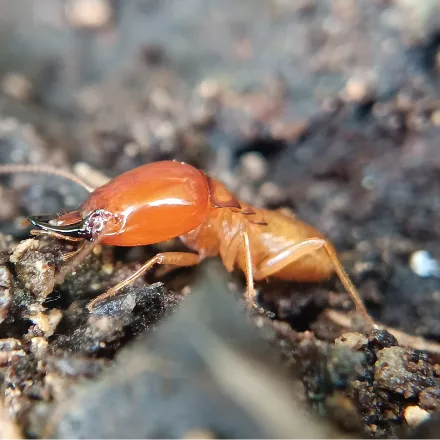
Mound-building Termite Common
Macrotermes gilvus
Farms fungus in underground gardens and air-conditions the whole mound passively, holding it within a degree of target year round.
Where: Mounds throughout the dry forest. Best: Year round, day.
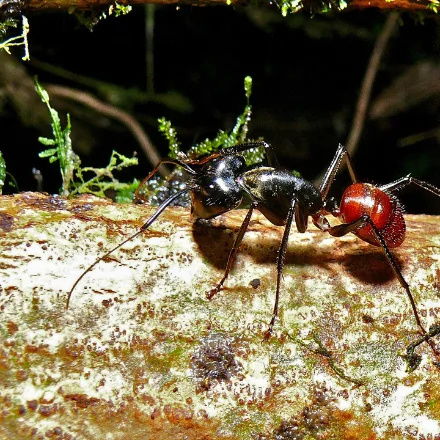
Giant Forest Ant Regular
Camponotus gigas
One of the largest ants on earth, and colonies keep a standing army of soldiers whose only job is to fight border wars with the neighbours.
Where: Trunks at night. Best: Year round, night.
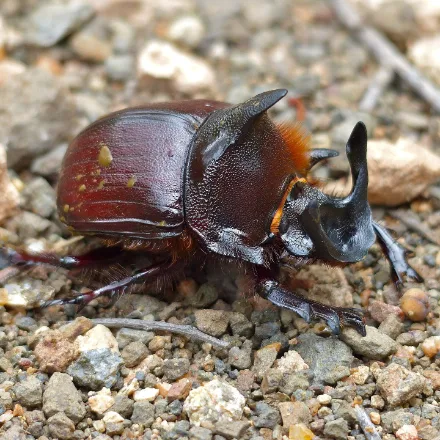
Giant Dung Beetle Occasional
Heliocopris bucephalus
Arrives at fresh elephant dung within minutes, and buries a ball of it half a metre down before dawn.
Where: Fresh dung on the tracks. Best: May-Oct.
Planning and responsible watching
Access is by arrangement with the sanctuary, and the interior is genuinely off limits, which is why the tiger population survived here at all. If you can visit the headquarters area, the dry months from November to April are the only sensible window, and February to April is when the dipterocarps drop their leaves and sightlines open up. Expect heat, dust and long waits at waterholes rather than a circuit of guaranteed sightings. Do not book anything that promises tiger sightings; nobody can deliver that here, and the sanctuary’s value is precisely that it is left alone.
Find guided wildlife trips in the western forest complex
Some links on this page are affiliate links. If you book through them, Wildseer may earn a small commission at no extra cost to you.
Frequently asked questions
Can you visit Huai Kha Khaeng?
Only in part, and usually by prior arrangement. It is a wildlife sanctuary rather than a national park, and the core zone that holds the tigers is closed to general visitors.
Are there tigers in Huai Kha Khaeng?
Yes. This is the heart of Thailand’s breeding tiger population and the source for reintroduction elsewhere. Seeing one as a visitor is not a realistic expectation.
What can a visitor realistically see?
Sambar, muntjac, wild boar, red junglefowl and a serpent eagle are the dependable list, with banteng, gaur, dhole and green peafowl as the prizes in the open dry forest.
When is the best time to visit?
November to April. February to April is the most productive, once the leaves are down and water has shrunk back to a few points.
Explore Thailand wildlife by group
- Mammals of Thailand
- Birds of Thailand
- Reptiles and Amphibians of Thailand
- Fish of Thailand
- Sharks and Rays of Thailand
- Reef Invertebrates of Thailand
- Insects and Spiders of Thailand
Part of the Wildlife in Thailand guide.
Explore Thailand wildlife by place
Image credits
image credits
- indochinese tiger: A.Savin | Free Art License 1.3
- Banteng: Rushen | CC BY-SA 2.0
- Eld’s Deer: Wich’yanan L | CC BY 4.0
- Green peafowl: JJ Harrison | CC BY-SA 3.0
- dhole: Srikaanth Sekar from Chennai, India | CC BY-SA 2.0
- Sambar Deer: Rushen | CC BY-SA 2.0
- Wild Boar: Charles J. Sharp | CC BY-SA 4.0
- Indochinese Ground Squirrel: scaup | CC BY 4.0
- Northern Red Muntjac: Dr. Raju Kasambe | CC BY-SA 4.0
- Dhole: Srikaanth Sekar | CC BY-SA 2.0
- Gaur: Charles J. Sharp | CC BY-SA 4.0
- Malayan Porcupine: Wich'yanan L | CC BY 4.0
- Asian Golden Cat: Karen Stout | CC BY-SA 2.0
- Banteng: Rushen | CC BY-SA 2.0
- Clouded Leopard: Rushenb | CC BY-SA 4.0
- Eld’s Deer: Wich’yanan L | CC BY 4.0
- Indochinese Tiger: A.Savin | Free Art License 1.3
- Crested Serpent Eagle: Mildeep | CC BY-SA 4.0
- Red Junglefowl: dhfischer | CC BY 4.0
- Green Peafowl: JJ Harrison | CC BY-SA 3.0
- Grey Peacock-Pheasant: วิศักดิ์ | CC BY-SA 4.0
- Great Slaty Woodpecker: Rejoice Gassah | CC BY 4.0
- Banded Krait: Rushen | CC BY-SA 2.0
- Bengal Monitor: Dr. Raju Kasambe | CC BY-SA 4.0
- Burmese Python: Everglades National Park, R. Cammauf | Public domain
- Clouded Monitor: Bernard DUPONT from FRANCE | CC BY-SA 2.0
- Malayan Pit Viper: Rushen | CC BY-SA 2.0
- Elongated Tortoise: Superbass | CC BY-SA 4.0
- King Cobra: Rushenb | CC BY-SA 4.0
- Mound-building Termite: Mark Bulahao | CC BY 4.0
- Giant Forest Ant: Bernard DUPONT | CC BY-SA 2.0
- Giant Dung Beetle: Holger Krisp | CC BY 4.0